News
Food Cultura is presented at the Espai Misteri d'Aigua Vilajuïga as a new monographic
A journey is traced, creating a dialogue between cuisine, art and the creative expressions of our time.
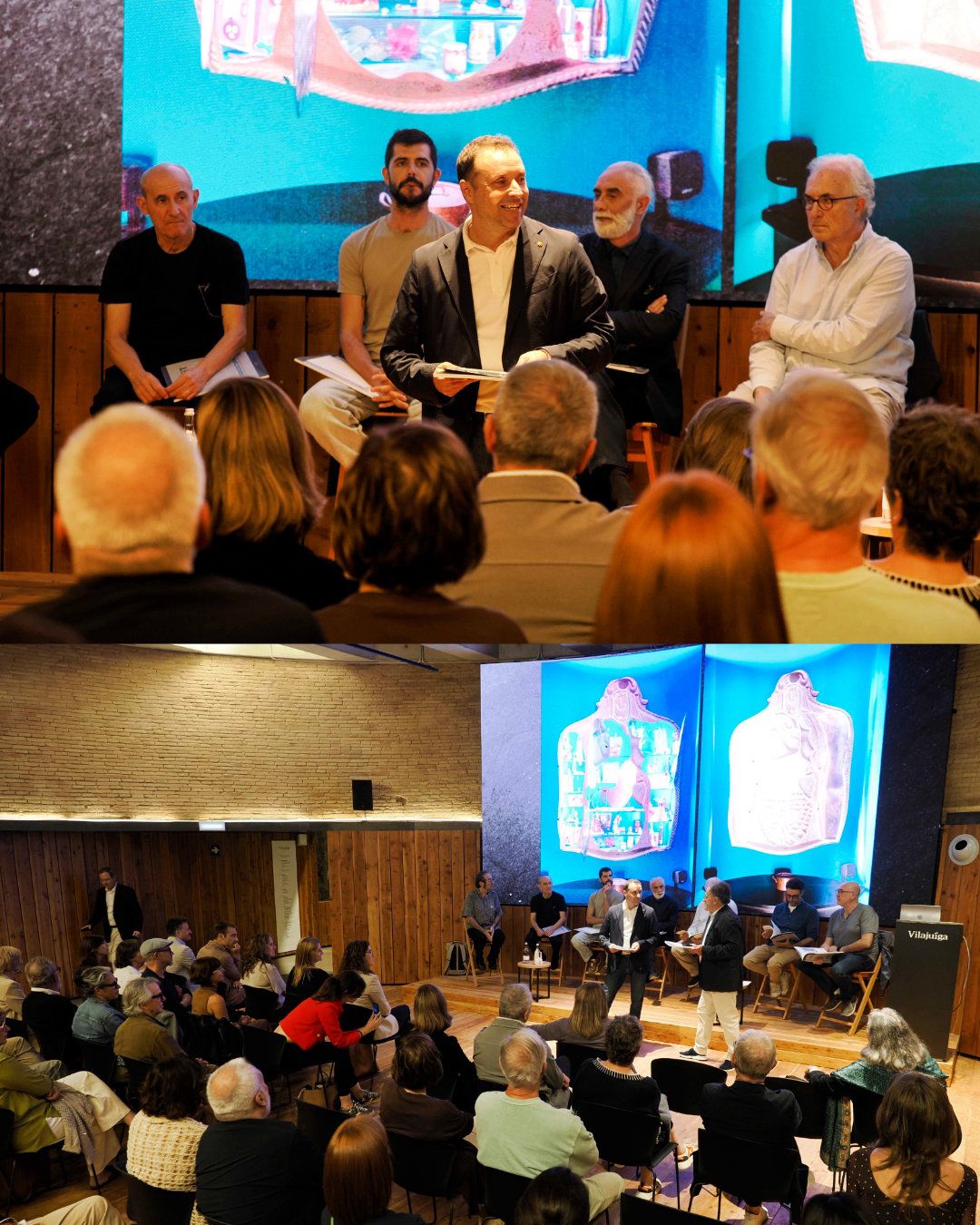
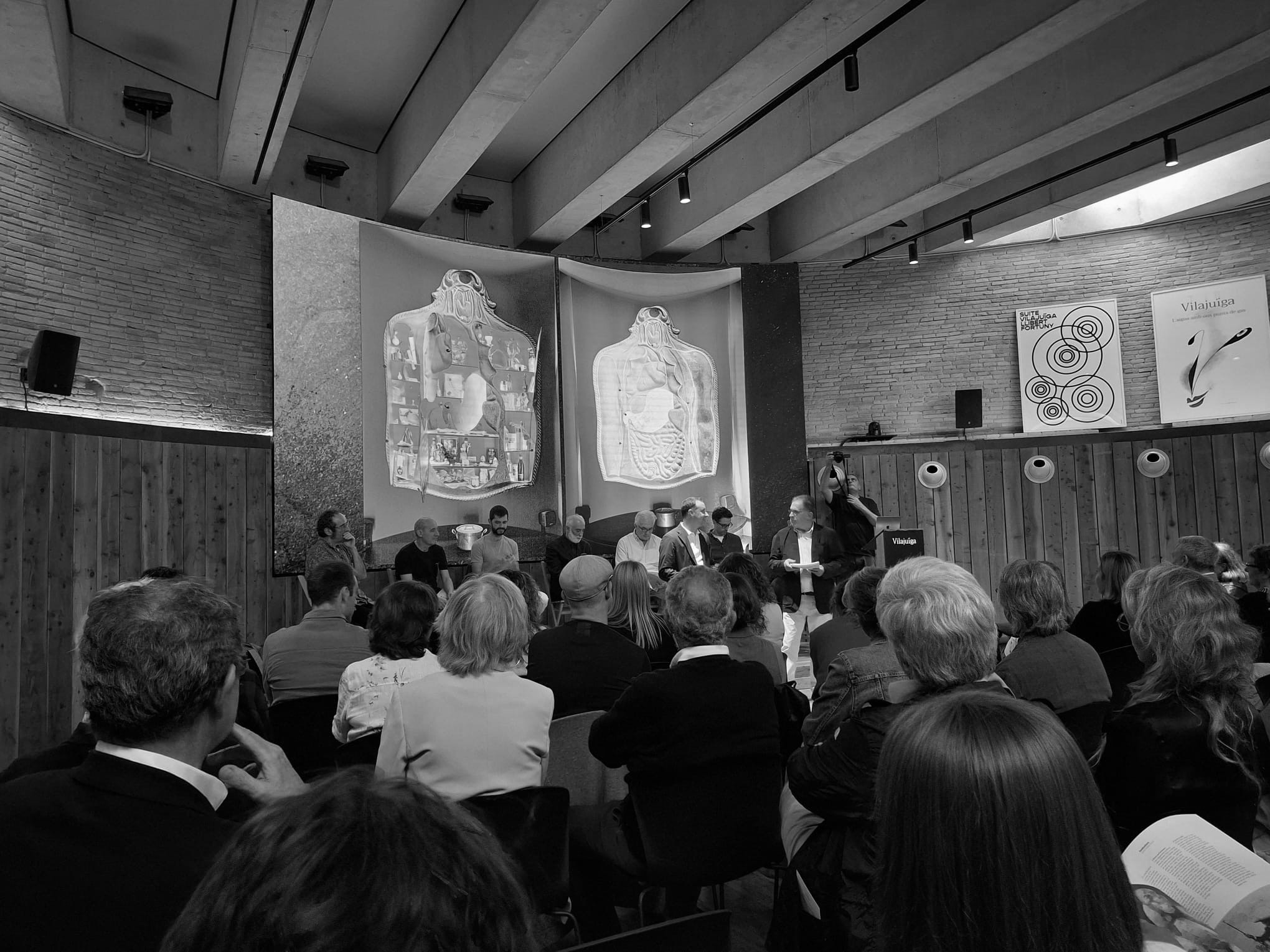
The Espai Misteri d'Aigua Vilajuïga was the chosen venue and became the privileged setting for the presentation of the monograph Bonart Food Cultura , a publication that explores the connections between gastronomy, art and contemporary creativity. Within the framework of Catalonia, World Region of Gastronomy 2025, the event vindicated the dialogue between disciplines and celebrated the cultural richness that emerges from the encounter between cuisine, poetry and the visual arts.
The presentation led by Joan Fornós, director of Aigua Vilajuïga, and Ricard Planas, editor of Bonart, offered a shared perspective on the relationship between heritage, territory and artistic expression. The evening offered a complete sensory experience with a poetic recital and a video art intervention, which will dialogue with the essence of the space and the spirit of the publication.
The monograph Bonart Food Cultura focuses on the intersection between creation, heritage and gastronomy, offering a multifaceted look at one of the most vibrant and innovative sectors in the country. In addition to vindicating the artistic dimension of cuisine, the volume delves into complementary areas such as design, architecture, museums and centres dedicated to gastronomic culture, highlighting spaces and initiatives that contribute to building a contemporary story about the experience of taste and creativity.
Among the most relevant contents, references are included to the Miramar exhibition in Girona and the Biennial of Art and Gastronomy in Cambrils, two events that symbolize the cultural vitality of this dialogue between art and cuisine. The monograph also traces the trajectories of key figures such as Ferran Adrià, a pioneer in the transformation of culinary language and its connection with other creative disciplines.
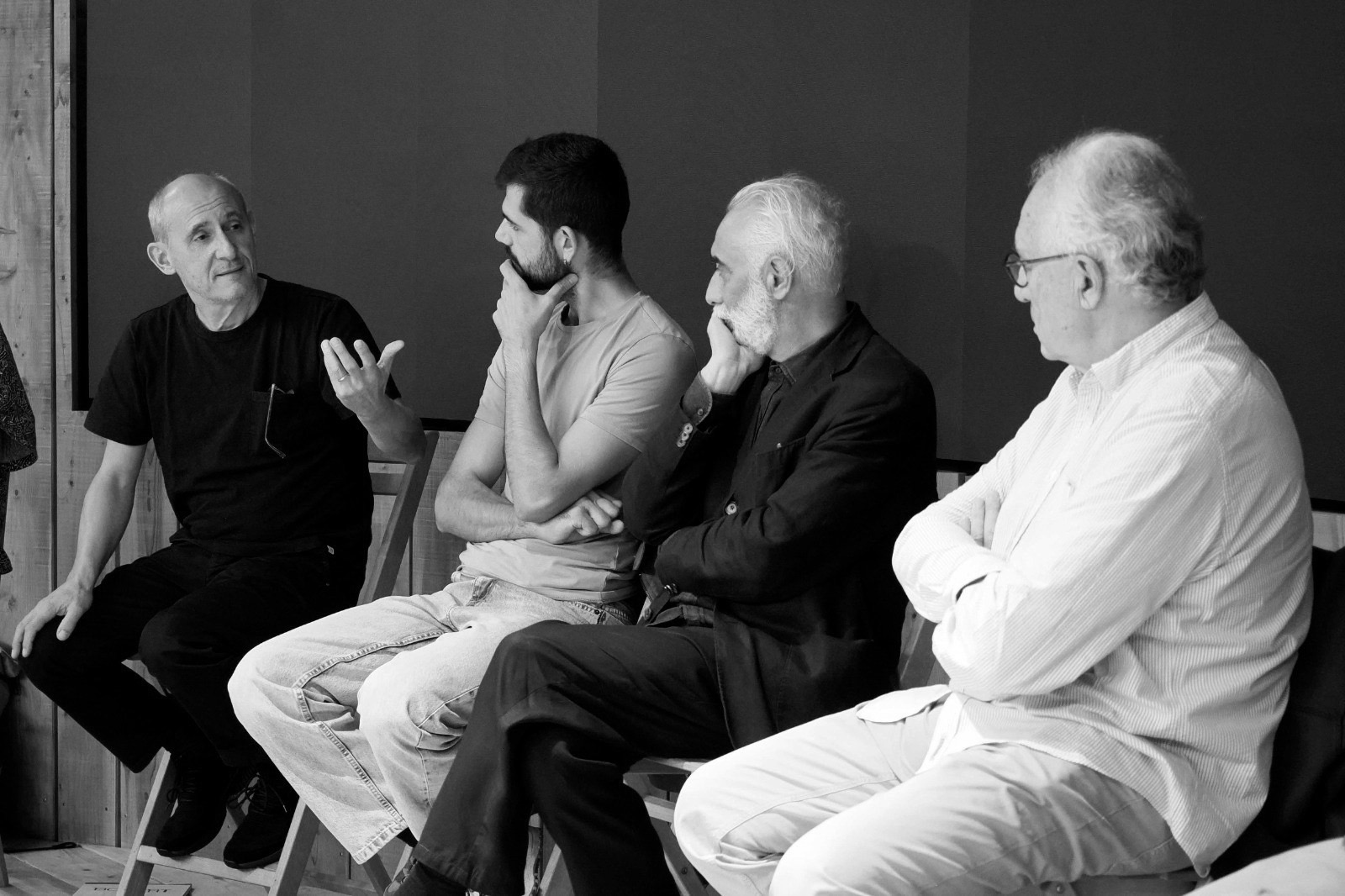
The volume also includes an exclusive interview with Eduard Xatruch, Oriol Castro and Mateu Casañas, three of the most prominent chefs on the current scene, who reflect on their shared project and the new horizons of Catalan gastronomy. Space is also dedicated to emblematic projects such as Can Xapes or Aigua Vilajuïga itself, a symbol of authenticity and territory.
The work culminates with an epilogue in the form of a conversation with photographer Francesc Guillamet, one of the most refined and poetic eyes when it comes to capturing the beauty and visual essence of the gastronomic world. His testimony closes the volume with a reflection on light, time and memory as essential ingredients of any creative act.
This meeting was much more than a presentation event: it is an invitation to reflect on how culture and gastronomy intertwine to explain who we are, where we come from and where we want to go.
You may be
interested
...