
Opinion
MANEL ESCLUSA: "WITH no MARKET". Chronicle of a silence. 2026
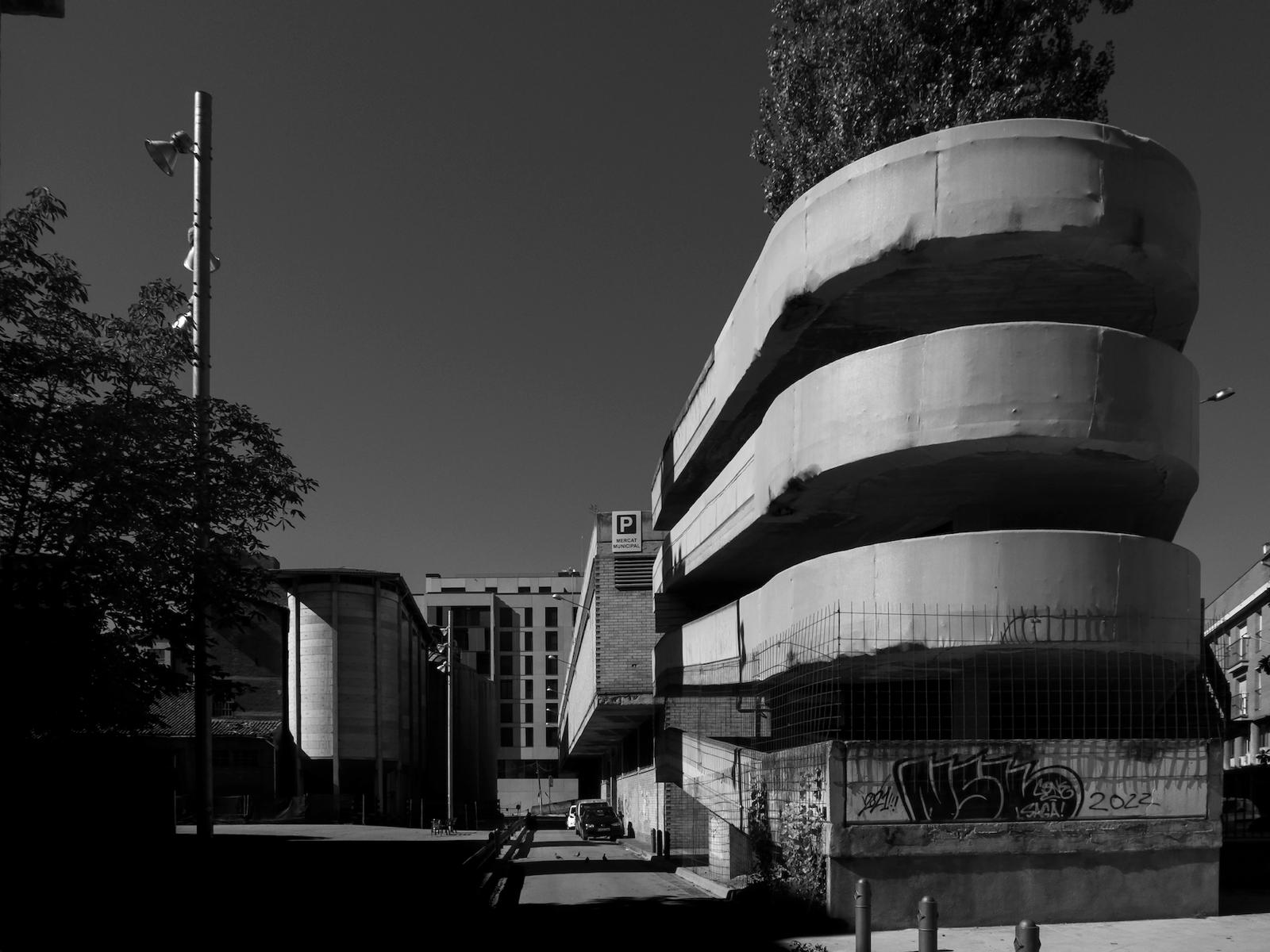
These days Paris Photo 2026 is being held, the 29th edition, commemorating the bicentennial of photography. And a few days ago, the ArtsLibris MACBA fair, dedicated to artist publications, photobooks, and thought, attracted nearly 10,000 visitors over a weekend. It is a good time to praise the photobook, which has brought this art closer to people, and I will do so on the occasion of the publication of Manel Esclusa's photobook, with texts by Víctor Sunyol, 'AMB sense MERCAT'. Chronicle of a Silence (2026), published by Camídemarges.
The photobook format as a model for exhibiting photographers’ works is one of the most fertile discoveries in contemporary art. Previously, there were photographers’ catalogs as a result of exhibitions, but it was necessary to take a step further: it was discovering something as simple as putting a stick in a candy. It was the same as we knew, but with great differences. Walker Evans and Cartier-Bresson had already intuited this a few years earlier, but it was the Americans William Klein and Robert Frank who definitively pushed it forward in the 1950s. Klein, in 1956, published New York, one of the books in my library that I love most, and also Frank, The Americans, in 1958. Since then, examples have been abundant: Masahisa Fukase, Daido Moriyama, Kikuji Kawada, Rinko Kawauchi, in another more solitary and subjective register, Nan Goldin, Sophie Calle, Alec Soth and Jacques Olivar with his Forever Young.
As can be seen, among all the possible examples, I have made an interested selection. I have chosen to mention those photographers, many of whom are Japanese, who approach, like Manel Esclusa does, the poetics of silence and create a clear scenic sensation of absence and mystery. The key word appears in the subtitle of the photobook: “Chronicle of a Silence”.
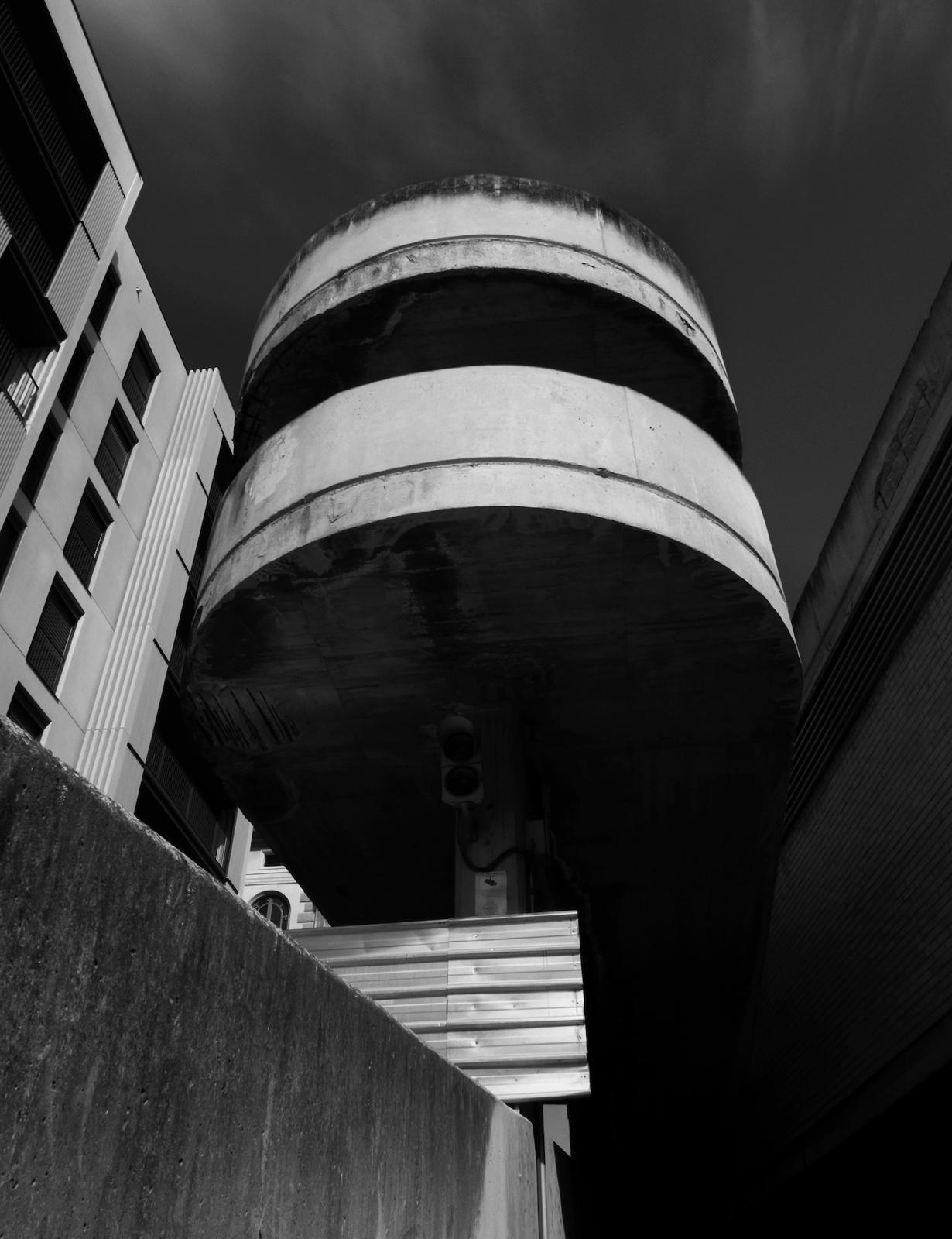
On this occasion, the staged figure of silence is given by the very fact of the demolition of a singular building constructed in 1980 in Vic by Eduard Molas for use as a market and recently demolished, in 2024. An example of “brutalist” architecture. About this disappearance, Manel Esclusa has made a journey photographing it from the start of the demolition to the end, when we see it turned into a walled vacant lot.
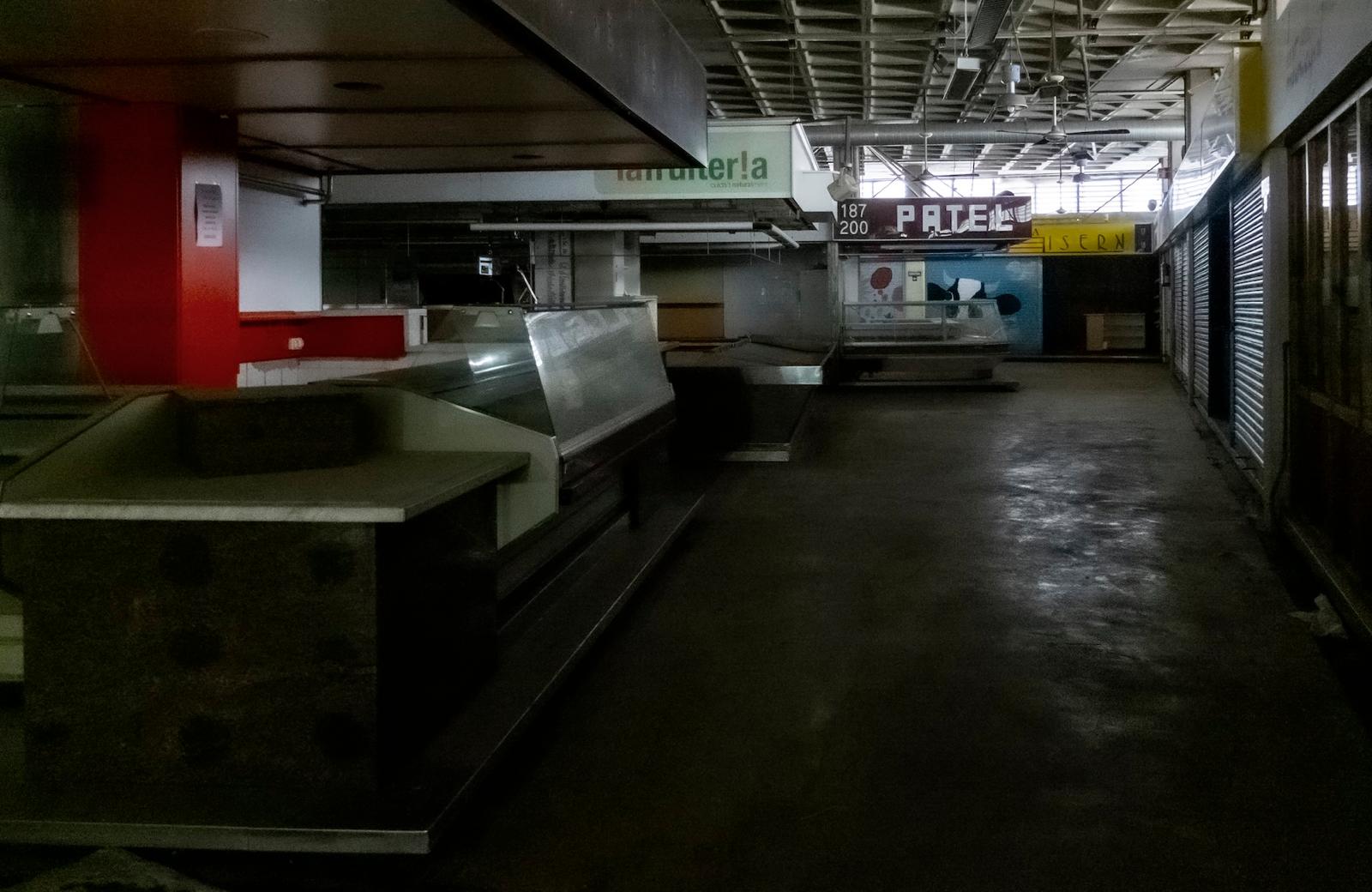
The book contains about 160 photographs and ten pages that accompany them, written by Víctor Sunyol. The whole work radiates a sensation, not verified, that both seem involved in some memories or shared experiences with this now demolished market. As a literate and specialist in visual arts, I am very interested in the collaboration between artists and poets. From what I know of his work as a writer, no one could better connect with the subject of the book than this poet. His words describe, recall, and reflect on a subject that at first might seem difficult as poetic stimulus, but Sunyol achieves the same effectiveness and emotions as the photographs themselves. The typography chosen for the text recreates the characteristic letters and numbers of the dot matrix printers used on the cash tickets of the market stalls.
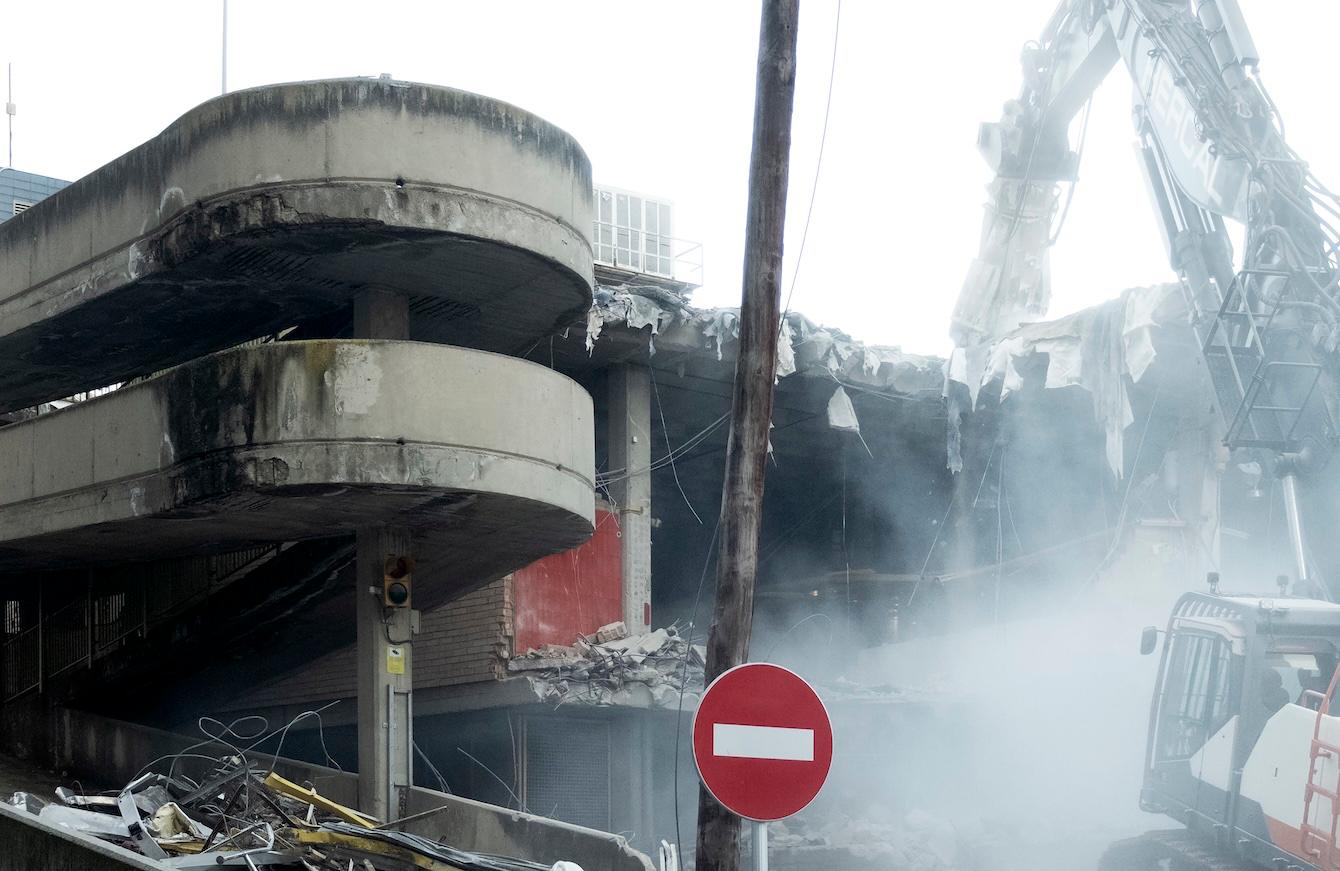
The photobook establishes a journey on its pages; there is temporality and sequence, because it is the chronicle of an event followed over time and in different phases of the demolition. Sunyol, in one of the reflections, offers us seventy synonyms for demolish. The pages collect, in the manner of what we would call a photo sequence, the entire process, and this already creates its own time and rhythm in which the images corroborate the abandonment. As happens with the works of the photographers I have already cited, the relationship between what was visible and the invisible of what is no longer there, the void, a certain melancholy for the passage of time, the footprint of the old signs, the memory of those who have walked this now disused pavement and a certain solitude dominate. Esclusa makes reality visible day by day, but at the same time has the virtue of visualizing what is no longer present, the absence, the silence, through light. His works make visible not what is present in front of the camera, but what has been lost, remains hidden, or resists being represented. He has always done so, and in this case, the smells, the murmurs of chatter, and the noises of the market are even present.
The book is not only a documentary support, because you realize, in the end, that it has all the visual force of Manel Esclusa’s work when you see the photographs one by one. The passage from the brutalism of the market’s construction to the subtlety of the small detail carefully observed by the photographer becomes a profound aesthetic experience.
Manel Esclusa has the quality of making photography a double-edged knife: he starts from truth to access a revelation. I have known this since I saw the photos from the series about the ships anchored in the port of Barcelona. He uses what is proper to the medium as an instrument of knowledge of the world, as if he were an objective observer of architectures, nature, bodies, and ships, but immediately the camera movement, the angle of vision and the treatment of light make appear the image of a very personal inner experience, an unmistakable style that cannot always be translated into concepts because it approaches radical abstraction, always generating poetic mystery.
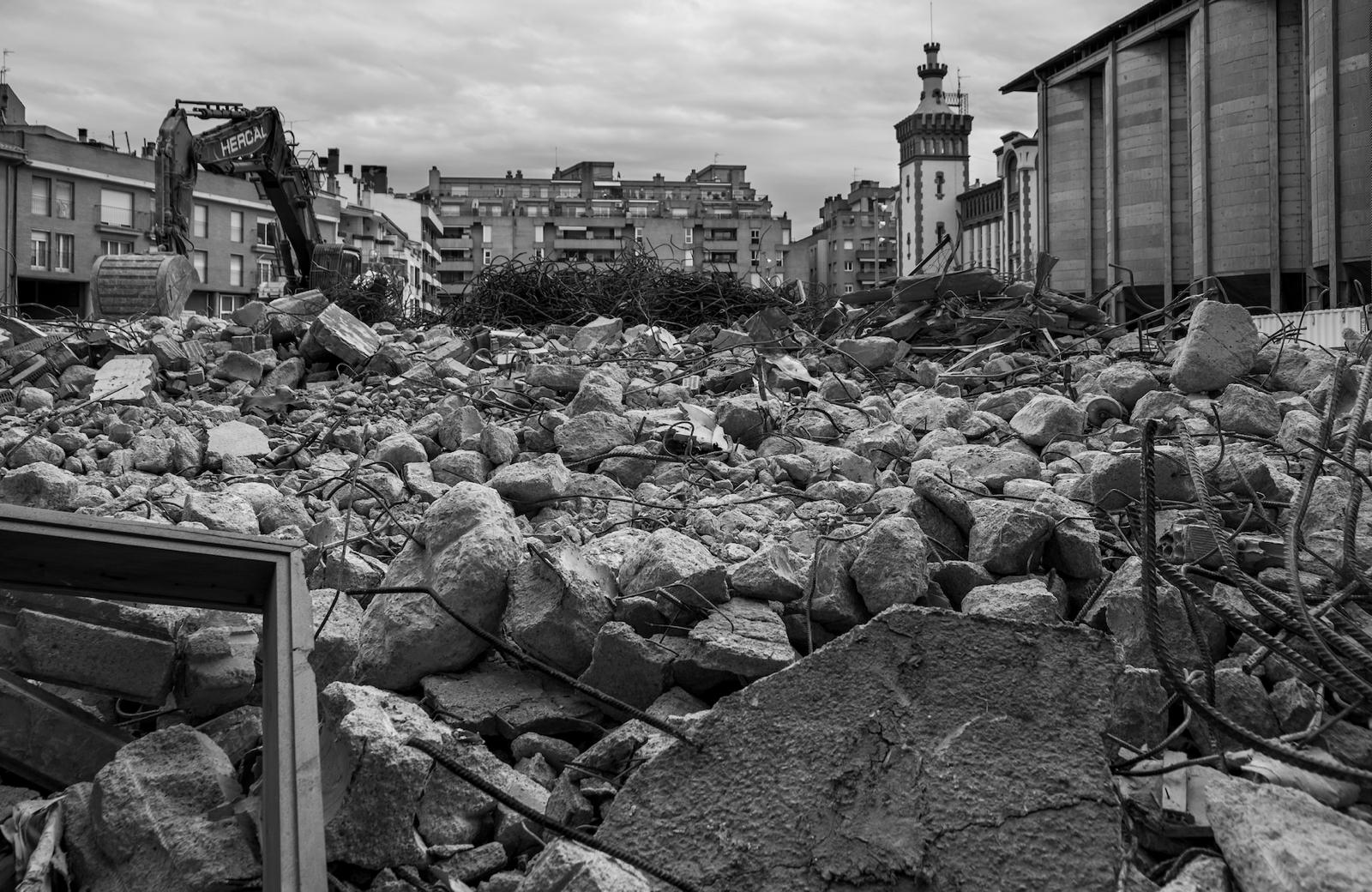
In this photobook, the document also turns into poetry and, when the image ceases to offer an explanation and questions us, it leads, as I say, to an interrogation. The destruction captured by the camera becomes an image of a true aesthetic experience that inspires these verses by Víctor Sunyol toward the end of the book, when the building has disappeared and everything is now a vacant lot. It says:
"Walking around a vacant lot. Suddenly, amid a strange silence, above, very faint, an echo of time: 'where are they, where are they, the lives of yesteryear?'"
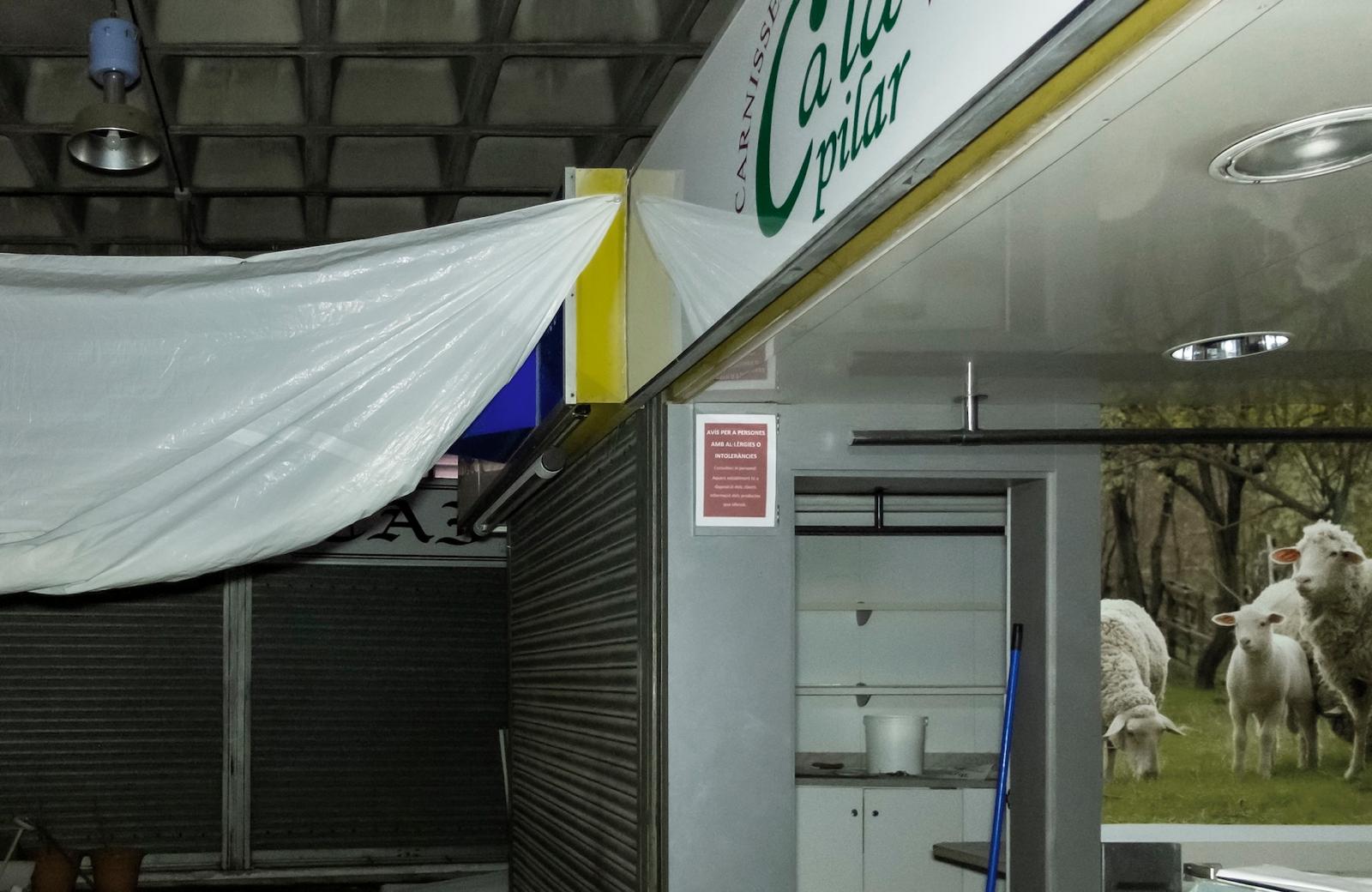
Manel Esclusa’s work deals with truth and reality because they are photographer’s privileges. But what is most singular about his work is that, beyond this, he is a silent photographer, creating a poetics of what is missing, absence, emptiness. These concepts always appear in his photographs and published books: the retrospective (1979/2021) at the Niemeyer Art Center in Oviedo was titled Hidden Light; the exhibition at the Centre d’Art Santa Mònica, in 2002, Latent Silences; one of my favorites, The Legacy of Light, from 2022, AC/VIC; or the exhibition at Espai 13 of the Miró Foundation, which I titled Truth and Revelation. And now, with this book, Chronicle of a Silence.
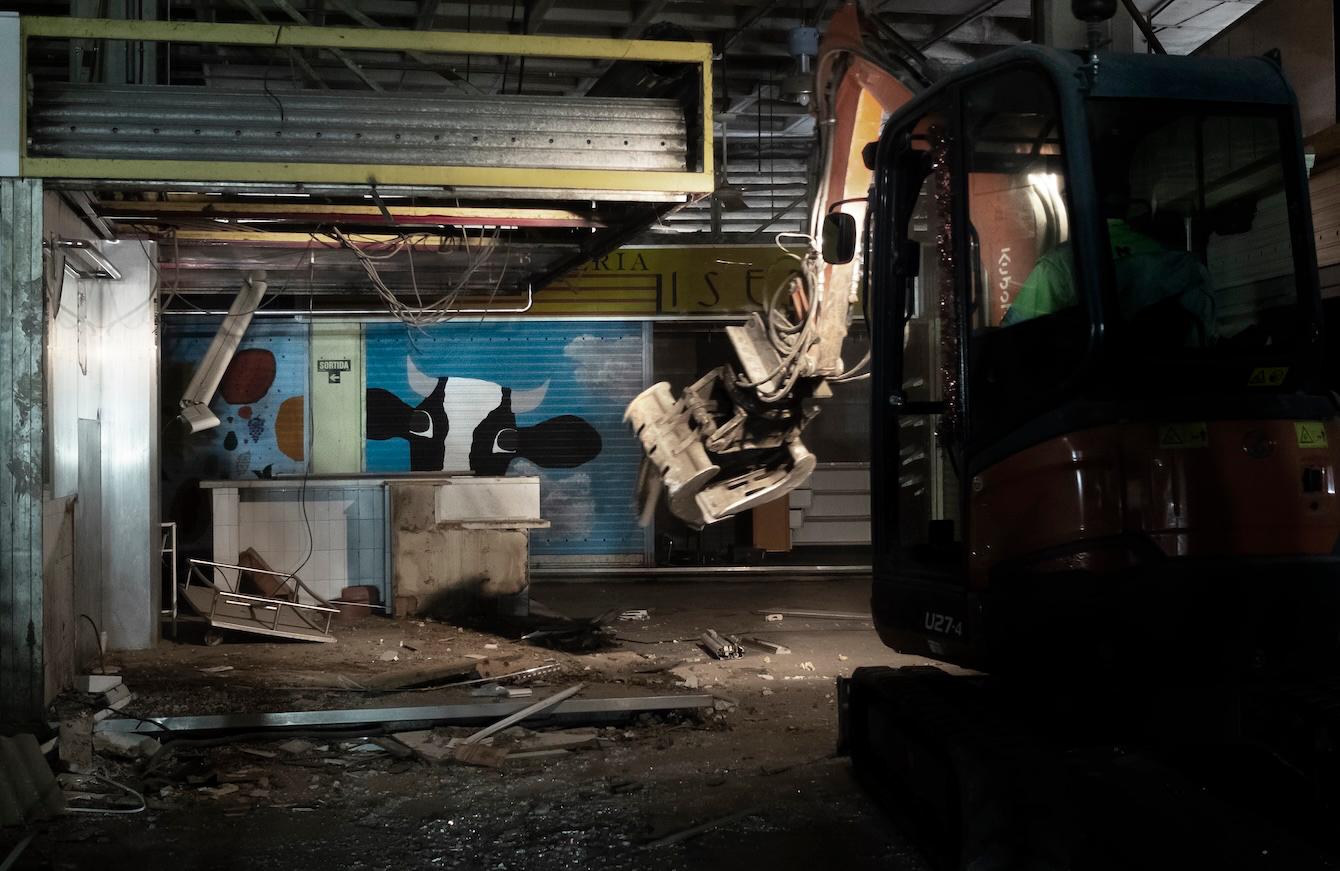
Echo or the persistent sensation
At the beginning of this chronicle, I mentioned a series of Japanese photographers and said that they approach reality as Manel Esclusa does, through the poetics of silence, and create a clear scenic sensation of mysterious absence. To this should be added a new value consisting of the persistent resonance of the echo of things. Manel, in the book presentation, gave a key to access the atmosphere of the place he portrayed and the spirit of the book. He spoke of a concept of Japanese aesthetics: yoin, which one way or another is always present following true aesthetic emotion. Literally, it can be translated as a persistent sensation, a kind of sound vibration that endures once we have had an emotional impact. As if we were a bell or the Market, which after occupying a physical place in space has disappeared, but leaves us the echo.
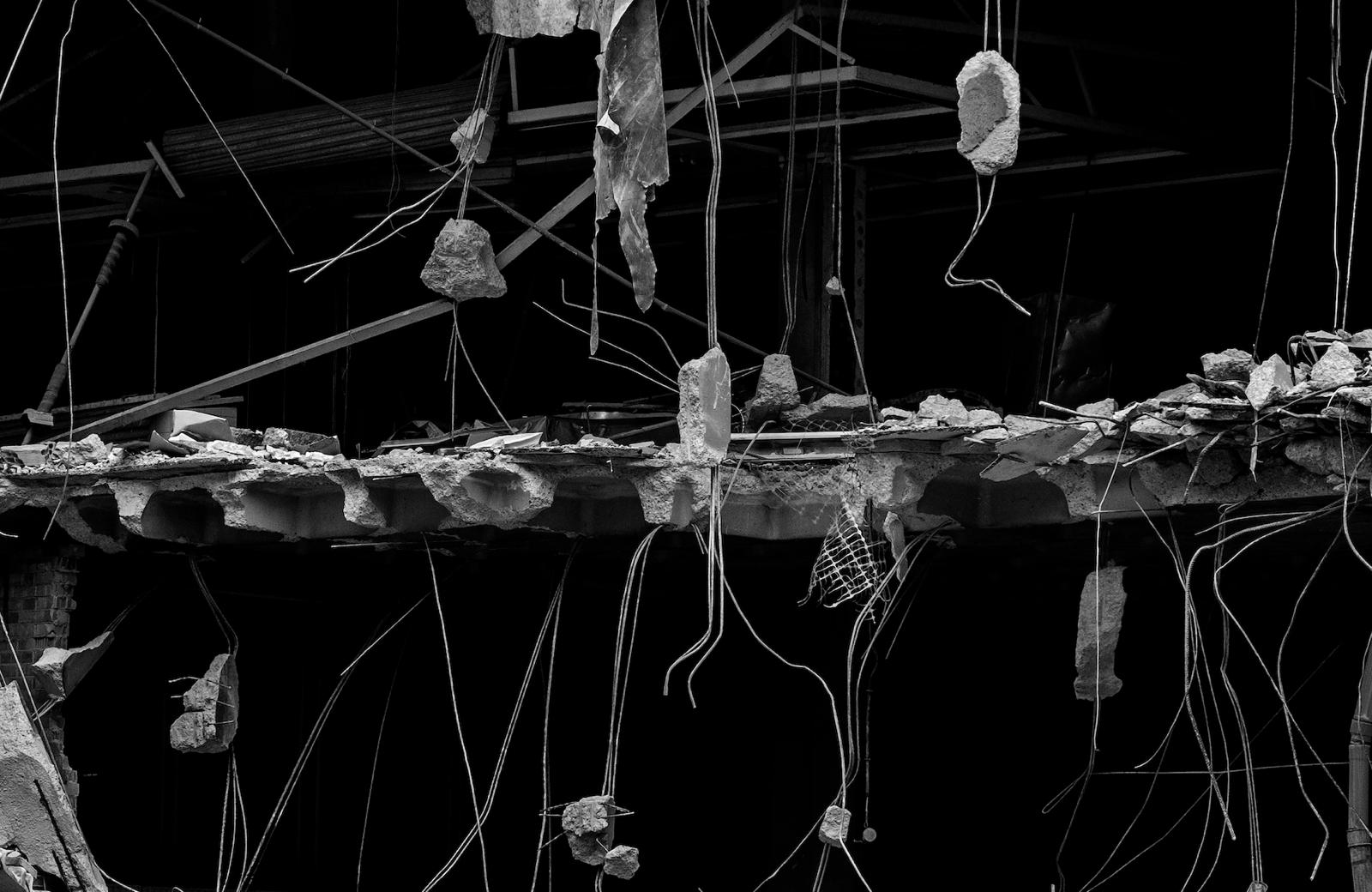
All of Manel Esclusa’s work is able to make us look at reality differently. Extending the argument of sound resonance, I would say that not only this book, but all his work, creates the sensation that we are seeing what is no longer there. The same blurrings and movements, together with his characteristic point of view, activate transformative triggers in us. He becomes a kind of demiurge capable of overturning reality into images made with a hidden light. That is why we consider him the photographer of night and mystery, of silence and absence, who always leaves in us the persistent vibration of a visual echo. This is his magic.


You may be
interested
...