Editorial
Quart: the mud of uncertainty
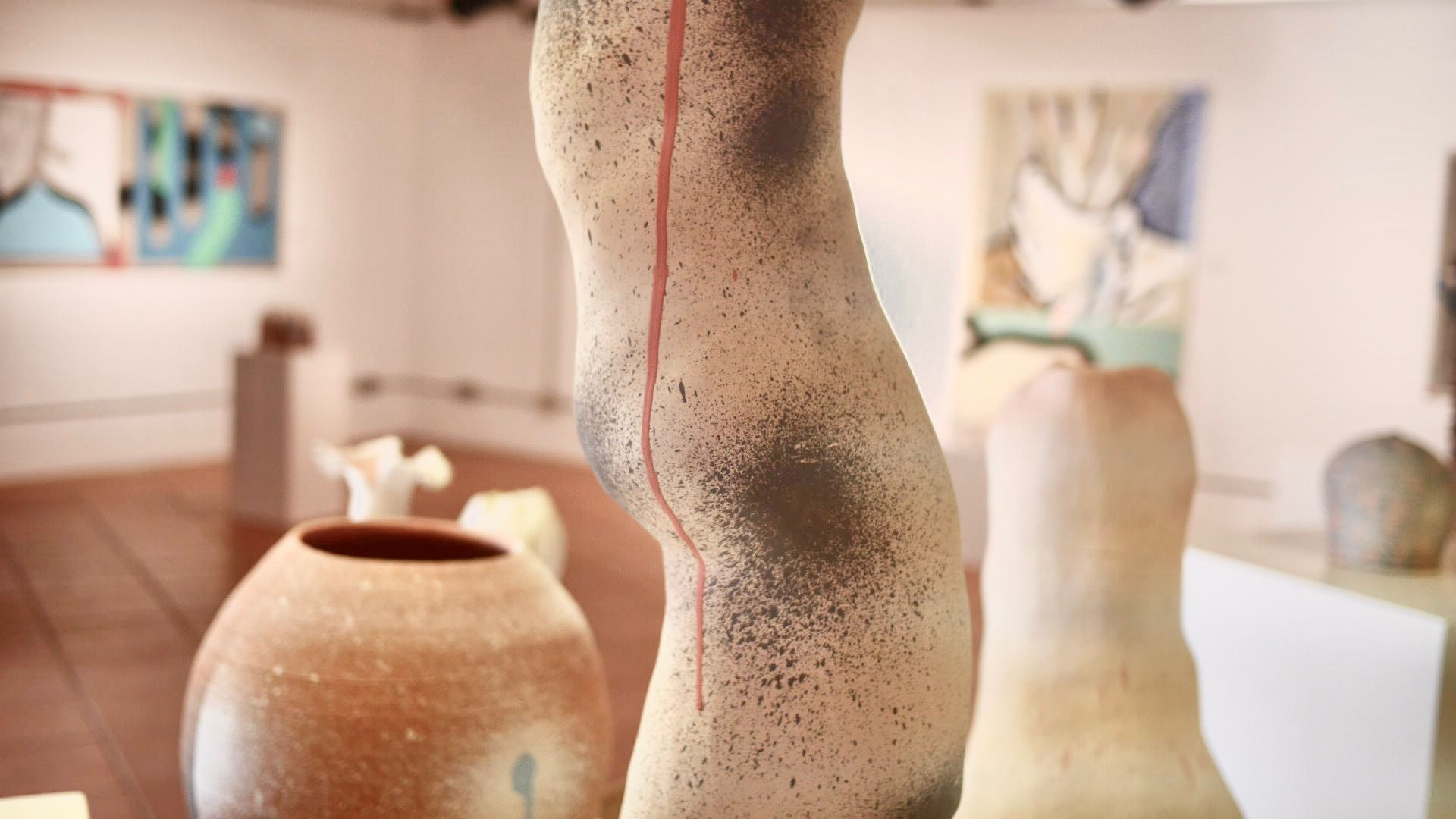
In Quart, the museum seems condemned to having to justify its right to exist over and over again. After the closure, the citizen demand, and a reopening filled with enthusiasm, the Pottery Museum is once again caught in the same uncertainty: what future does it have and who is willing to guarantee it?
At Bonart we already denounced the situation of this facility and defended the need to recover it. In November 2023, the reopening made it possible to think that a new phase was beginning. There was involvement from the Quart Potters Association, willingness to program, and the opportunity to rebuild the bond between the museum and the citizens. That momentum deserved continuity. Today, however, the doors are closed again and the future is once more hanging by a thread.
Technical adjustments are necessary, but in this case there is a political contradiction that deserves to be explained. The previous government team obtained a subsidy of 500,000 euros to adapt the museum. The same government that had kept it closed and questioned its continuity as a museum project was obtaining resources to renovate it. A paradox that reflects the lack of coherent direction for this facility.
What happened during the works carried out by Sorigué is even more worrying: it rained, the building was not protected in time, and the water caused damage inside. It is necessary to clarify which protective measures had been planned, why they failed, and how the situation was handled. Responsibilities of the executing company, the work management, and the supervision of the construction must also be determined. The result is hard to accept: an intervention intended to improve the museum has ended up worsening its condition.
In the case of Sorigué, the contrast with its recognized connection to the art world through its foundation is especially disconcerting. This cultural commitment should translate into demanding care of the heritage facilities where the group works. Prestige is also demonstrated by protecting what is in your hands.
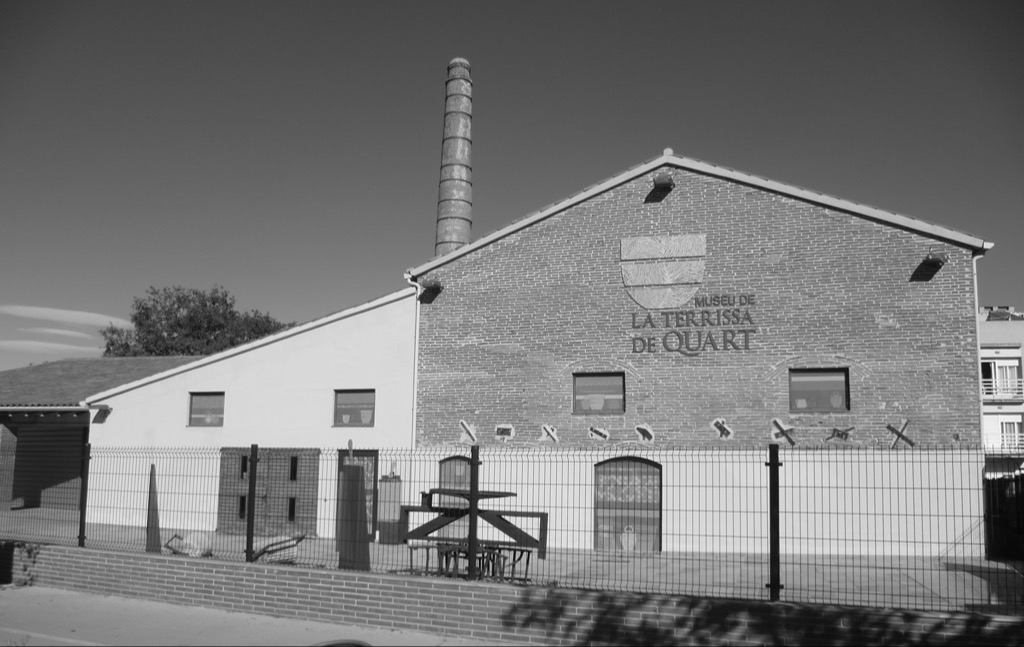
The City Council must explain the extent of the damage, the necessary repairs, who must bear the cost, and how they affect the reopening schedule. With public money and collective heritage at stake, these questions need concrete answers.
The problem is this feeling of returning to the starting point. Tiptoeing around an issue that demands commitment. A museum can be physically closed for a time; its project, however, needs to remain alive. When uncertainty settles in, complicity wears down, participation cools, and the trust of those who have invested knowledge, hours, and enthusiasm is damaged.
I say this also from Bonart's involvement in the recovery of the facility. We have defended this museum and contributed to promoting a new era. This closeness obliges us to demand a solid future and to rigorously evaluate the results. Recovering an activity is a first milestone; ensuring its continuity is the responsibility that follows.
The Quart City Council initially demonstrated an extraordinary willingness to recover the museum. That momentum and the ability to gather people and complicities around the project must be recognized. But that drive has deflated and dissipated in a chilling way. Municipal commitment needs budgetary continuity, staff hiring, and a professional structure to support the daily operation of the facility.
The City Council must demonstrate unequivocal commitment to the museum, and one concrete way to do so is by hiring people. All too often, municipal wills stall when it comes time to assume daily maintenance. Without technical staff, supra-municipal investments can end up wasted. Wanting a museum means assuming the responsibility to sustain it.
This also requires clarifying what we must demand from the Generalitat. The Government and the Diputació can help, advise, and contribute to financing, but the basic support must be municipal. The Generalitat can hardly build a stable collaboration if the city council’s commitment is not clear. Nor can the maintenance of equipment created without agreed planning and outside the Museum Plan be automatically shifted to it. A municipality cannot claim its own museum and expect another administration to indefinitely assume its operation.
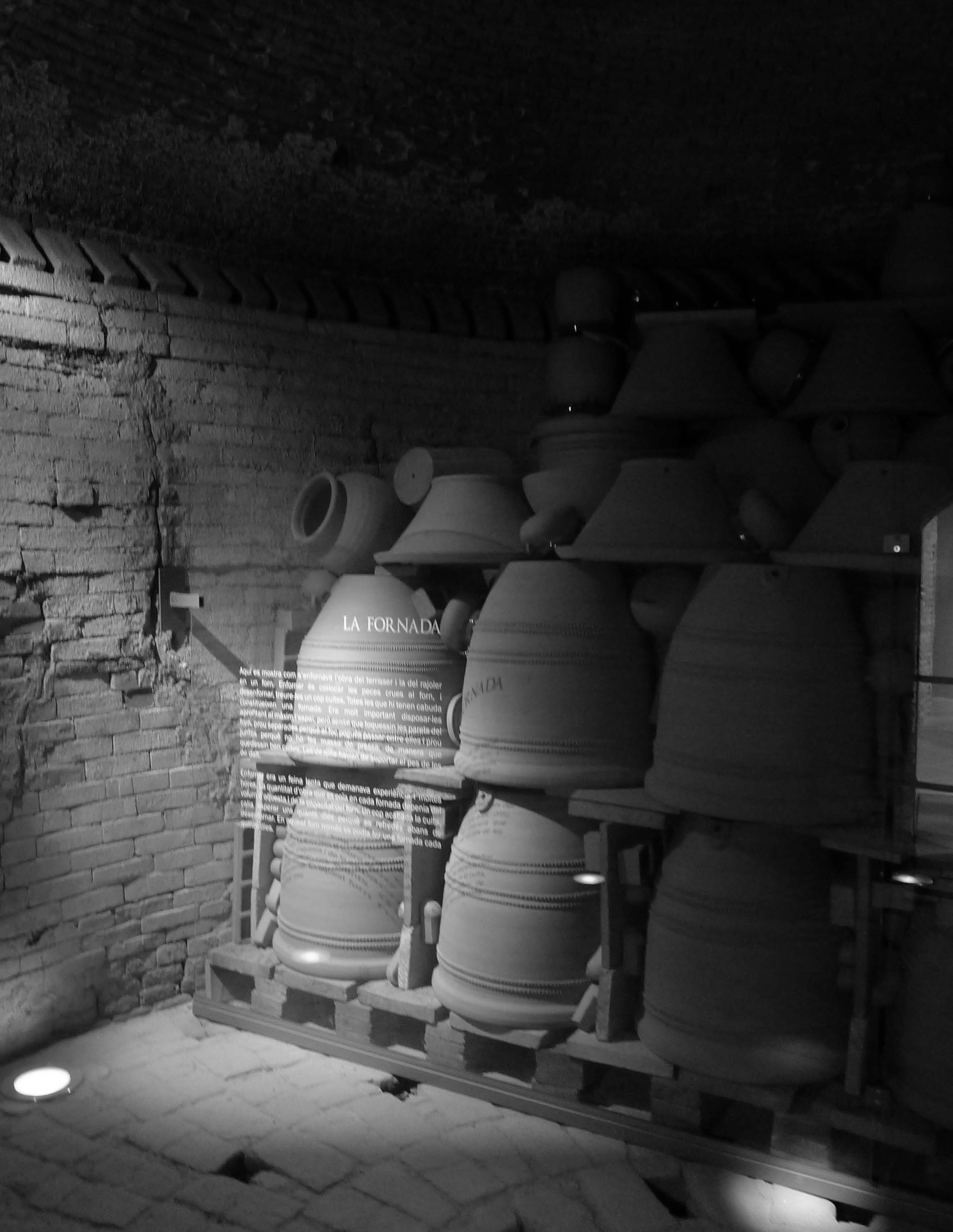
This does not exempt the Generalitat from its responsibility to accompany, guide, and facilitate a solution. Its intervention should help clarify the viability conditions of the project and specify the commitments of each party. In this case, from our perspective, the accompaniment did not bring the clarity or the capacity to resolve what was required. But unblocking the situation demands that the City Council put an unequivocal commitment back on the table, with staff, budget, and timeline. On this basis, effective cooperation from other administrations can be demanded. Otherwise, we risk continuing to invest in buildings without guaranteeing the cultural life that gives them meaning.
This situation is compounded by the loss of a figure who was to have had an important coordinating role: Eugènia Balcells, incorporated into the project and with a foundation rooted in the municipality. Her death in March 2026 has left a considerable human and creative void. Her involvement opened an opportunity to connect pottery heritage with contemporary creation and other forms of knowledge. Now it is necessary to continue that complicity and prevent the work done and the shared expectations from becoming nothing.
One path that deserves serious study is a tutelage or accompaniment agreement with the Terracotta Museum of La Bisbal d'Empordà. Sharing knowledge, advising, conservation, programming, and educational strategy could give consistency to Quart's project and strengthen the connections of ceramic heritage in the region. The scope, responsibilities, and especially the financial endowment would have to be defined. Cooperation needs a budget: good intentions do not cover working hours.
This requires two city councils, with priorities and political cycles that may be different, to be able to build a stable agreement. It would be a healthy exercise of democracy: putting common sense and the general interest before party logic and electoral calculations. Heritage needs a perspective that goes beyond the municipal mandate.
Quart preserves a culture of earth, fire, and hands that still has much to tell. The museum can connect this memory with contemporary creation, education, design, and the challenges of artisan crafts. To do this it needs people, activity, direction, and continuity.
It is unfortunate to have to write again about closed doors. But it would be even more unfortunate to get used to it. It is necessary to lay on the table the real state of the facility, the available resources, and a public work schedule. And it is necessary to listen to the Quart Potters Association and the people who have sustained the demand for the museum throughout all these years.
Clay needs time to take shape. Institutional uncertainty has already had too much.
You may be
interested
...