interviews
Manuela Rayo: "MIRA wants to show Latin America without clichés or stigmas"
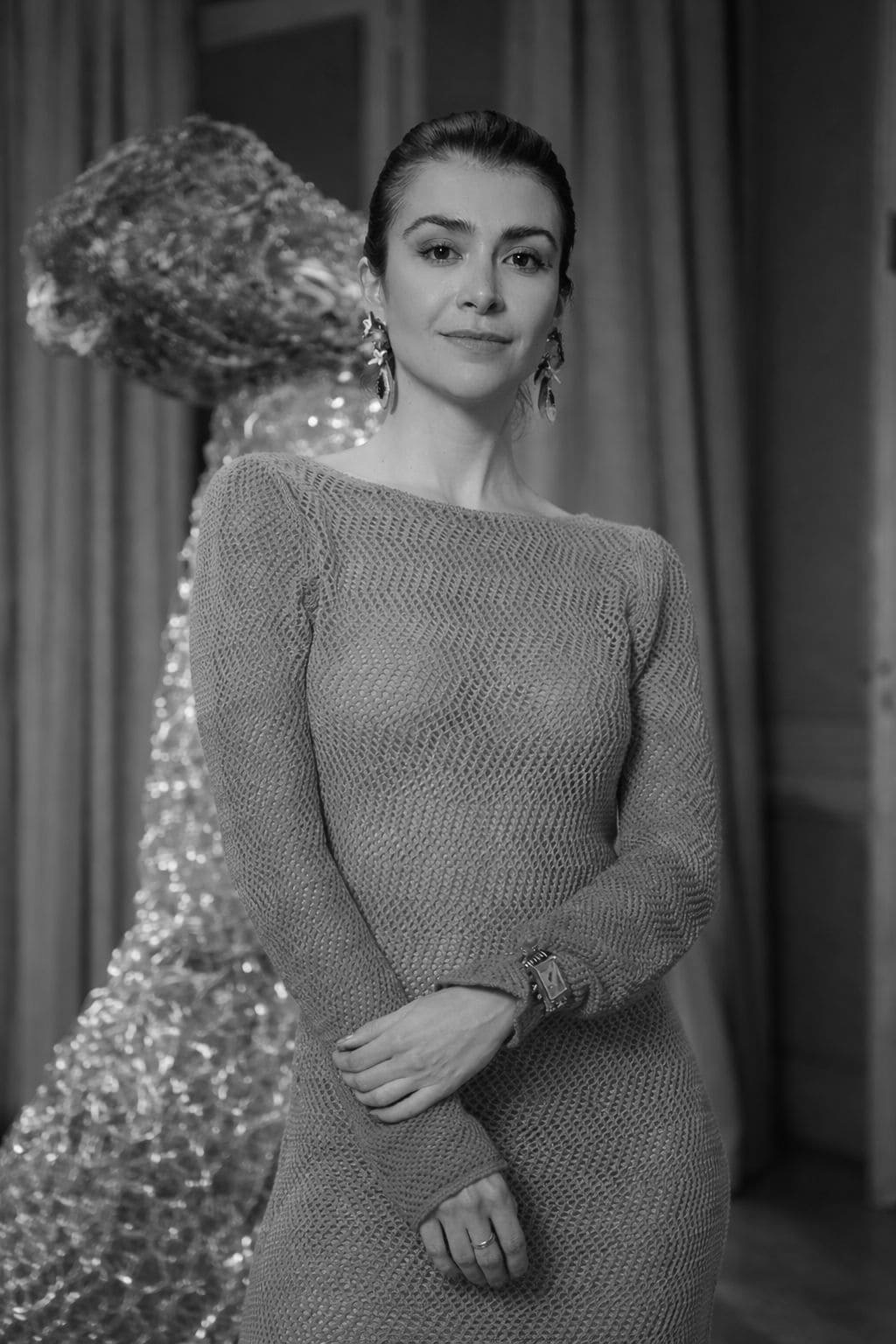
From November 12 to 15, MIRA Art Fair celebrates its third edition at the Maison de l'Amérique latine in Paris, solidifying its position as a platform dedicated to showcasing contemporary Latin American art in Europe. With Mexico as the guest country and a strong presence of galleries from across Latin America, the fair reinforces its commitment to fostering connections between art scenes, collectors, and institutions, while expanding its public program with talks and performances.
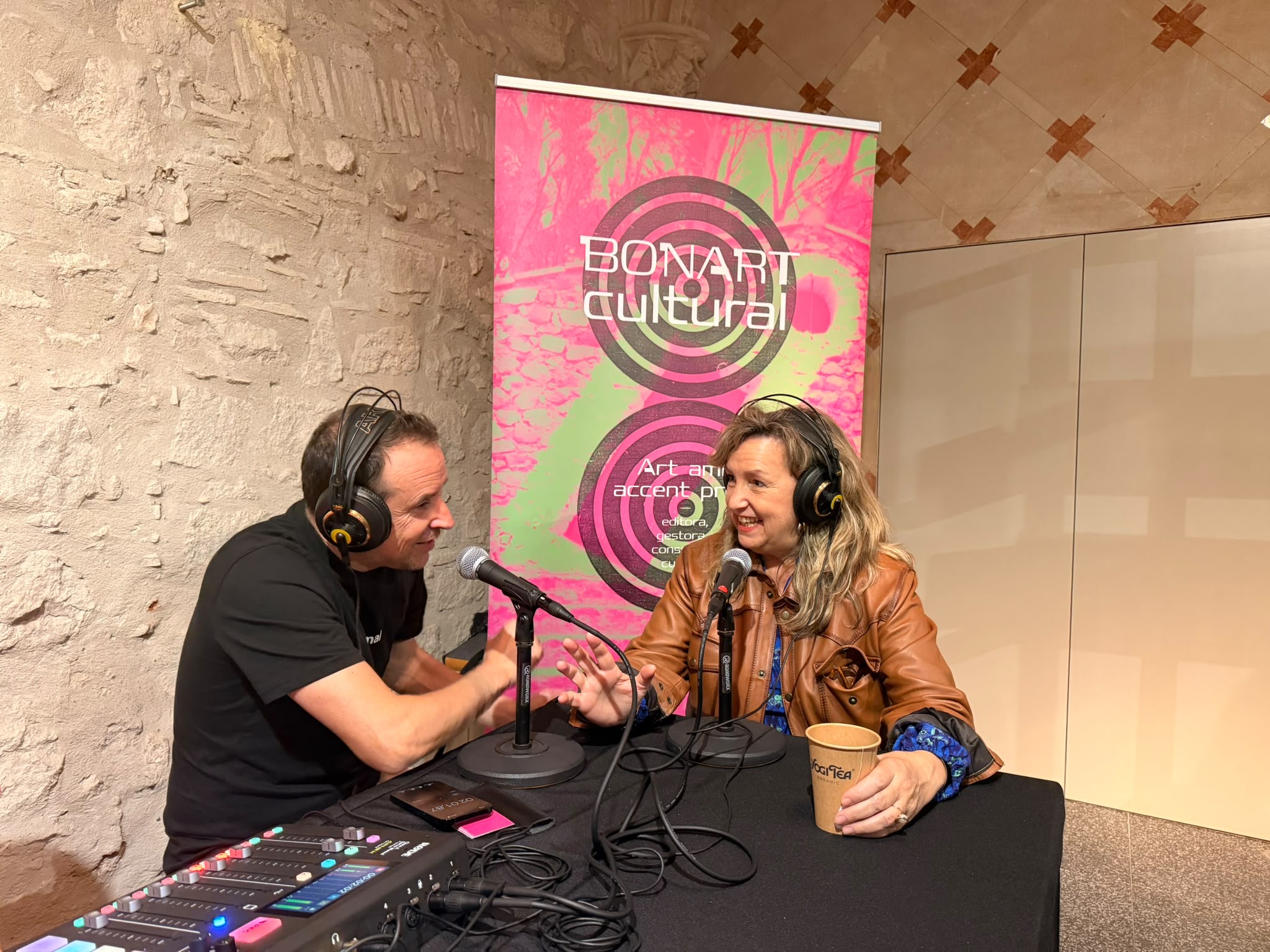
In this interview conducted by bonart, Manuela Rayo, director of MIRA, reflects on the challenges of building a fair that reflects the artistic diversity of the continent without resorting to stereotypes, the role of Paris as an international meeting point, and the desire to develop a project with continuity beyond its dates. A conversation about visibility, collecting, and new ways of approaching contemporary art that demands to be viewed in its complexity.
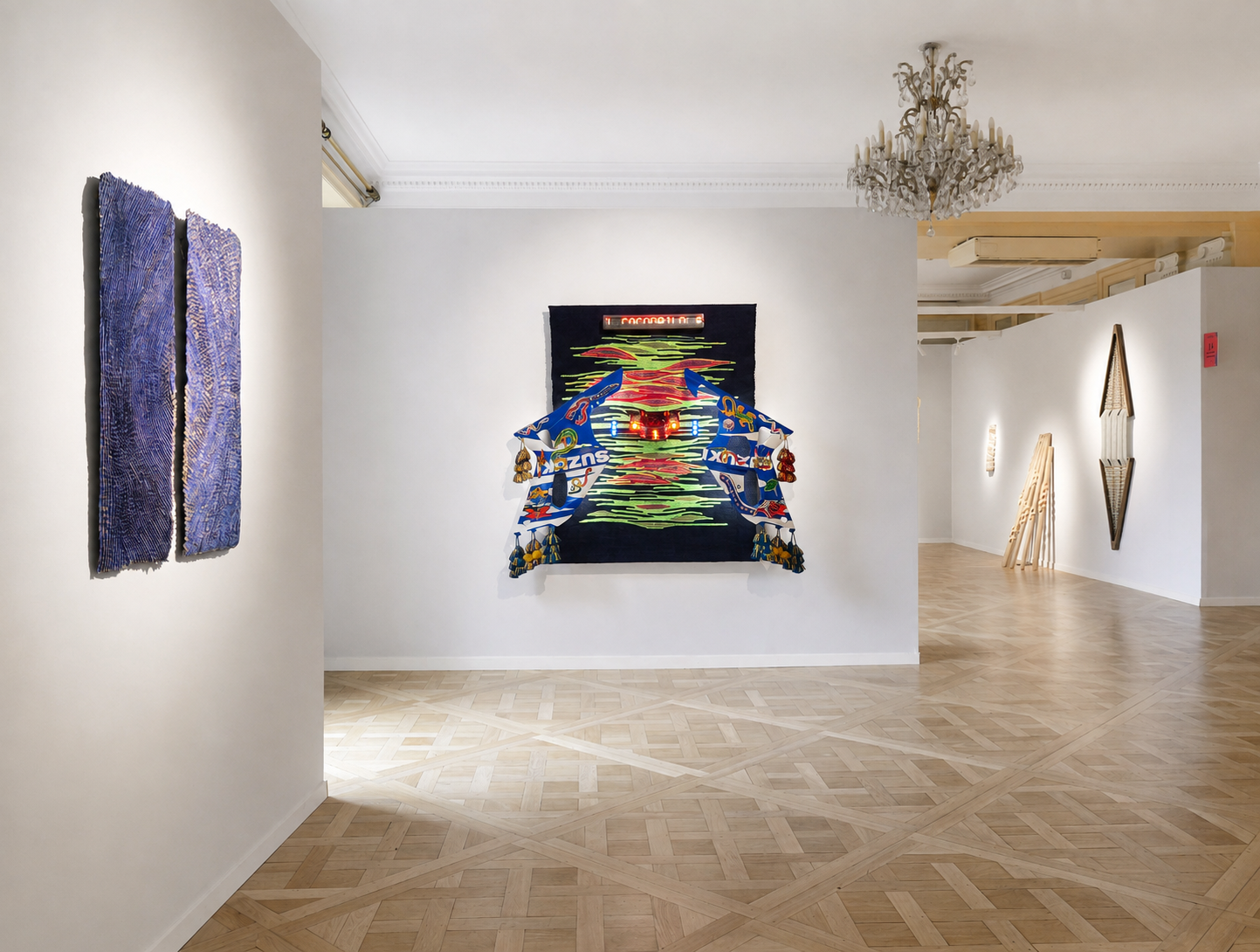
Waddington Custot 2025.
Carles Toribio. MIRA was founded in 2024 with the aim of giving greater visibility to contemporary Latin American art. What need did you identify in the international art scene that led you to launch the fair?
Manuela Rayo. I detected a gap between the richness of Latin American art and the opportunities to encounter it in Europe. There are artists and galleries with extraordinary international recognition, but that visibility doesn't always allow one to discover the diversity of the region's art scenes or to follow their work consistently.
I wanted to create a space that would facilitate this encounter: where collectors, professionals, and the public could view the works, talk with gallery owners, and establish relationships that would continue after the fair. Paris, a city with deep historical and cultural ties to Latin America, seemed like the natural place to do so.
The third edition will be held at the Maison de l'Amérique latine in Paris. What does this space mean for the project, and how does its cultural context interact with the fair's proposal?
The Maison de l'Amérique latine holds special significance for MIRA: it is a place dedicated to fostering dialogue between France and Latin America. This mission aligns perfectly with what we aim to build.
Its architecture also influences the experience. The galleries foster a closer relationship with the artworks and allow each presentation to have its own unique atmosphere. I'm interested in this coexistence between a space steeped in history and a thoroughly contemporary creation. The fair is rooted in the cultural history of the place and, at the same time, incorporates new voices and new conversations.
It's nice to see that mix between the historical and the contemporary.
What new features and curatorial approaches will define MIRA 2026? Is there any aspect you particularly wanted to emphasize in this new edition?
This third edition strengthens the dialogue between established galleries and emerging artists that European audiences may be discovering for the first time. For the first time, 60% of our galleries are from Latin America—more than half—and 80% are international galleries. Five galleries are coming from Mexico, the guest country, with a significant presence of Mexican galleries and a collaboration with its Embassy on the VIP program.
The public program, conceived by María Wills Londoño under the title The Body Is the Message , explores the body as a place of memory, expression and resistance through conversations and performances.
I wanted to especially strengthen support for collectors and work with art advisors . For me, it's essential that the fair's cultural ambition also translates into concrete opportunities for galleries and artists.
MIRA presents contemporary Latin American art from a broad and diverse perspective. How do you construct a selection capable of reflecting the plurality of its artistic scenes without falling into a homogeneous vision of the continent?
We begin by acknowledging that no single fair can fully represent Latin America. There are very different contexts, generations, and artistic positions, even within the same city. Our selection is necessarily a situated perspective, open to evolving with each edition.
We work with the specific proposals from galleries and the relationships that can emerge between them. We are interested in differences in language, materials, and perspectives. Plurality arises when we give space to these singularities, without asking each artist to represent a country or explain a continent.
What criteria guide the selection of participating artists and galleries? What balance do you seek between established careers, emerging proposals, and practices that still have little presence in international circuits?
With the selection committee—Patricia Marchall, Juan Carlos Maldonado, the Pérez Museum, Laura Salas Redondo, Mariana Cordera, Tracy O'Brien, and Cristina Chacón—we looked at the quality and coherence of each gallery's program, its commitment to the artists, and the relevance of the proposal it wants to present at MIRA. A well-known name can contribute a lot, but what works it brings and what conversation it opens within the fair is also important.
We aim to showcase different phases of an artist's career. Established figures provide points of reference; emerging artists allow us to discover research that is still finding its place. I'm interested in a collector who comes to a familiar gallery and ends up stopping to admire an artist they've never heard of.
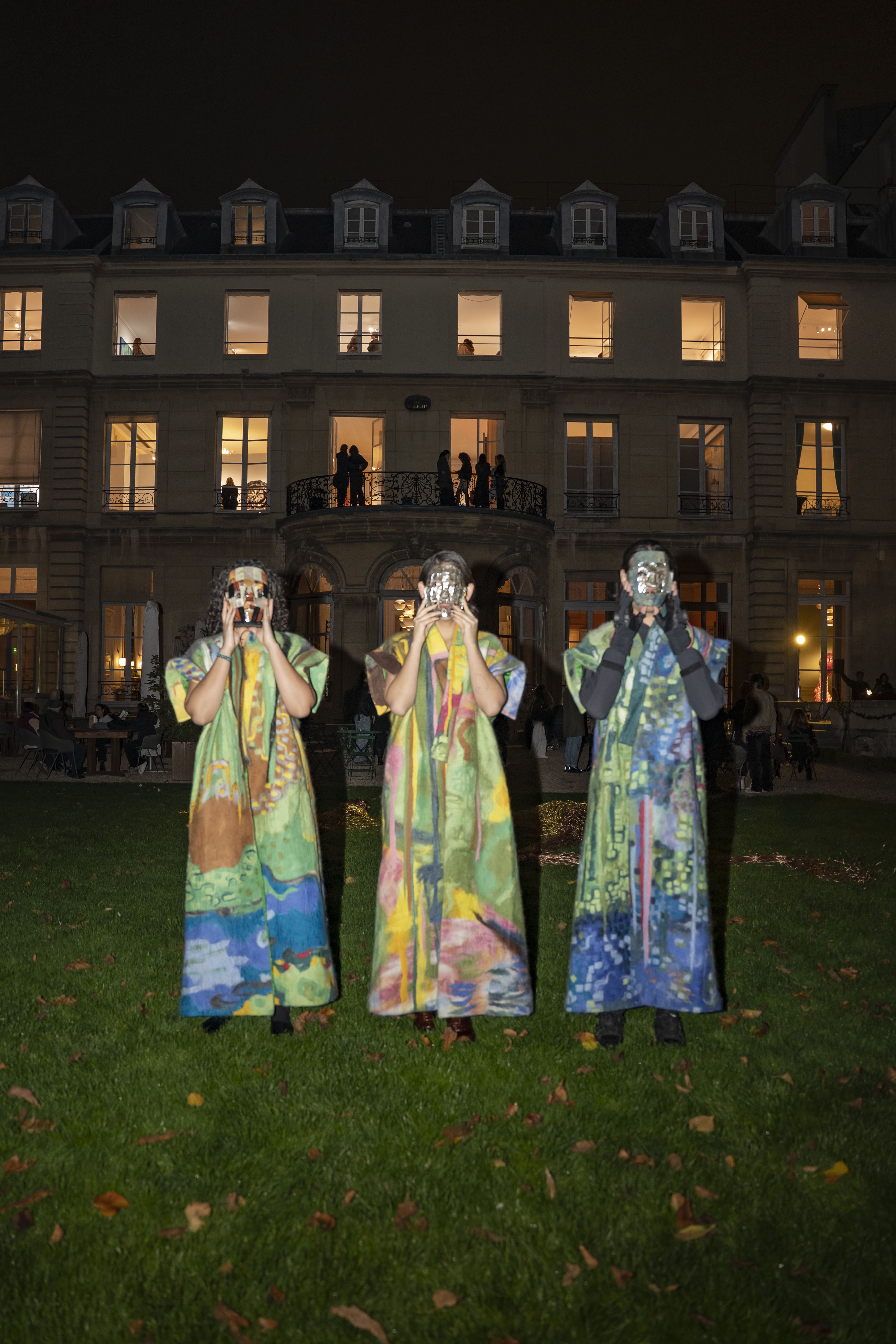
Performance Diasporas Now - WATCH.
Paris is an international meeting point for the art market and institutions. What opportunities does the city offer to place Latin American art at the center of new European conversations?
Paris brings together individuals who often work in separate circuits: European and Latin American collectors, institutions, curators, galleries, and artists from different generations. This proximity offers opportunities for acquisition, exhibition, and collaboration.
Holding MIRA during Paris Photo also expands the international audience present in the city. Our work consists of leveraging this context to offer a unique experience and to foster the relationships that begin here. A visit can be the start of a collection, an institutional invitation, or a future collaboration.
One of the challenges facing Latin American art is to move beyond interpretations that reduce it to specific identities, historical narratives, or cultural imaginaries. How can MIRA contribute to presenting a more complex, contemporary, and stereotype-free vision?
I think we should start by paying attention to the works themselves and listening to how the artists situate their work. Provenance can be important, but its meaning changes with each practice. There are artists for whom political history is central, and others who investigate perception, abstraction, materials, or intimacy.
MIRA can contribute by showcasing this coexistence and carefully considering how it presents its participants. We aim to offer context without imposing a single interpretation, allowing the works to be read in their full formal and conceptual complexity, as well as within the context of their production circumstances.
How do you envision the future of MIRA in the coming years? Would you like to expand its geographical reach, develop new institutional collaborations, or consolidate a program that extends beyond the dates of the fair?
I envision MIRA as a platform with continuity throughout the year. I would like to develop institutional collaborations, visits, and meetings that will allow us to nurture relationships beyond November, both in Europe and Latin America.
The priority is to consolidate the fair in Paris and ensure that participation has lasting value for the galleries. Any geographical expansion would have to respond to a specific cultural opportunity and preserve the personal touch that defines the project. I'm interested in building a solid structure from which we can undertake new, meaningful initiatives.
We are interested in growing the project's structure, becoming increasingly solid and international, with greater recognition, not in size or quantity.
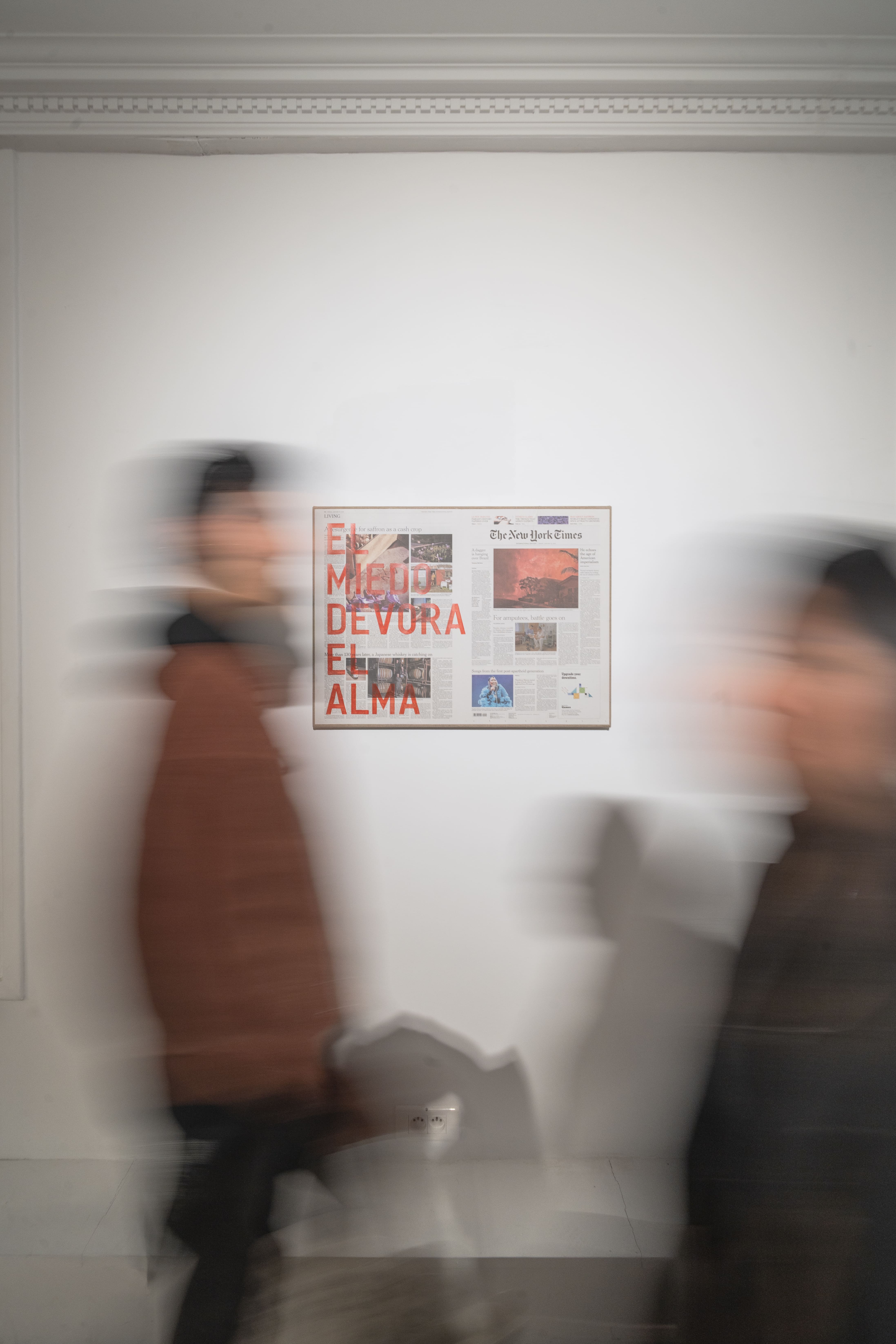
Rirkrit Tiravanija - G. Chantal Crousel.
Finally, what would you like visitors to MIRA Art Fair from November 12th to 15th to discover? What perspective on contemporary Latin American art would you like them to take away?
I would like each visitor to discover a work or an artist that inspires them to keep looking and learning. I want them to feel comfortable asking questions, conversing, and forming their own opinions; and if they find a work they want to engage with, I want them to be able to take that step with support.
I hope visitors leave with a more curious and discerning eye: the name of an artist, a new question, an unexpected connection between two works. For me, MIRA's success also lies in those personal discoveries that continue long after leaving the fair.
And, of course, a clear idea of what Latin America is today, without clichés or stigmas.
You may be
interested
...