News
Swab Barcelona wins audiences and claims new models for independent art
The 19th edition of the fair brings together more than 10,000 visitors and 180 artists from 22 countries at the Palau Victòria Eugènia, with the focus on self-managed spaces, sustainability and collaboration networks.
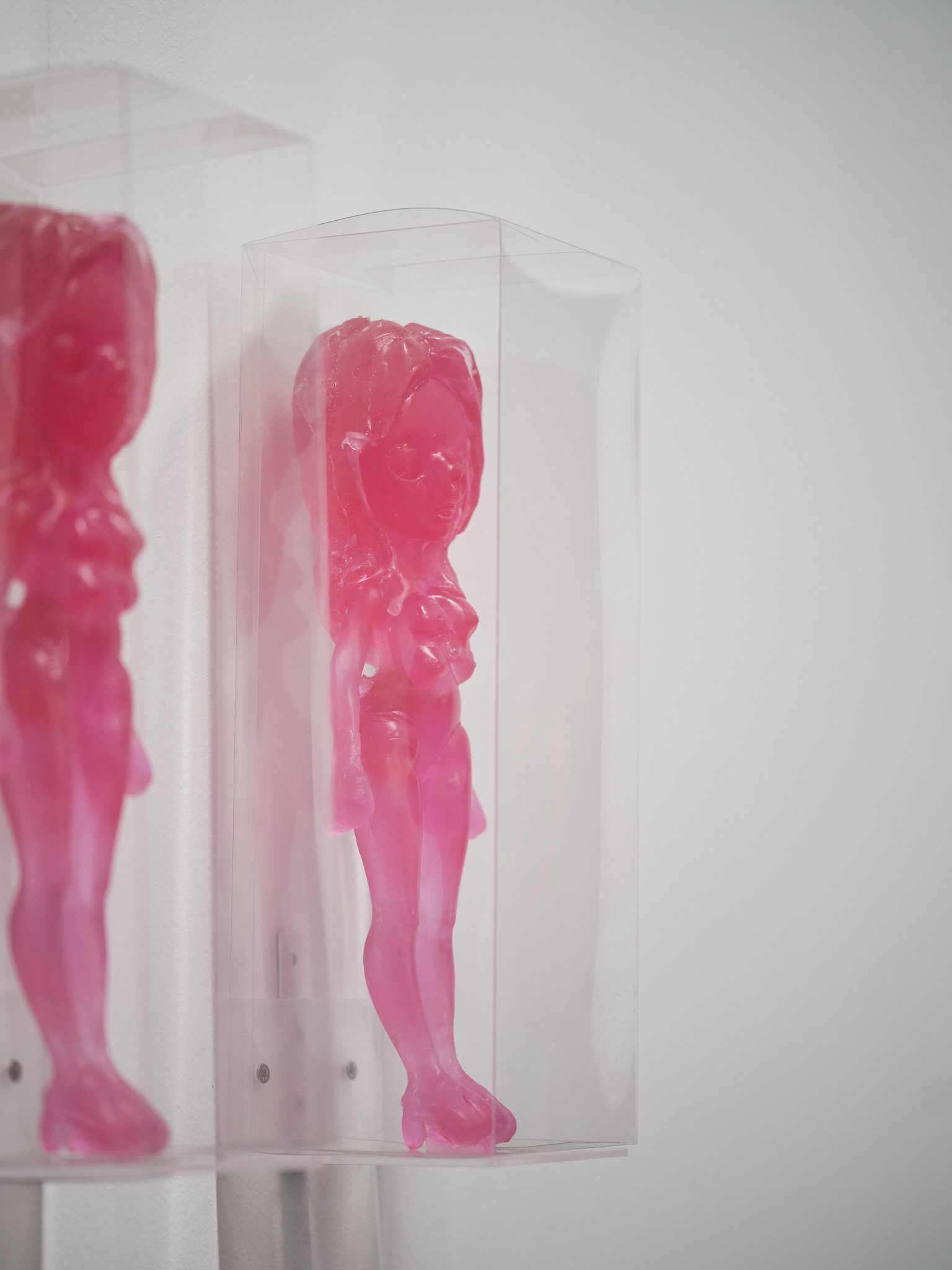
Swab Barcelona closes its nineteenth edition with a 25% increase in visitors and consolidates a new stage focused on the transformation of the management, production and circulation models of contemporary art. Held from 8 to 11 October at the Palau Victòria Eugènia of Fira de Barcelona-Montjuïc, the International Independent Art Fair has brought together more than 10,000 people, including 4,000 professionals and 6,000 visitors from the general public. With 180 artists from 22 countries and more than sixty artistic proposals, the call has reinforced its commitment to emerging scenes and independent structures.
At a time when the traditional model of art fairs is increasingly questioned by the distance between market dynamics and the practices of emerging creators, Swab has deepened the transformation process begun in 2025. The fair is conceived as an open platform that connects galleries, self-managed spaces, artistic collectives, professionals, collectors and the public, with the aim of generating new forms of relationship and exchange. Beyond the commercial dimension, the project claims the value of shared knowledge, cooperation networks and the construction of alternative infrastructures for contemporary creation.
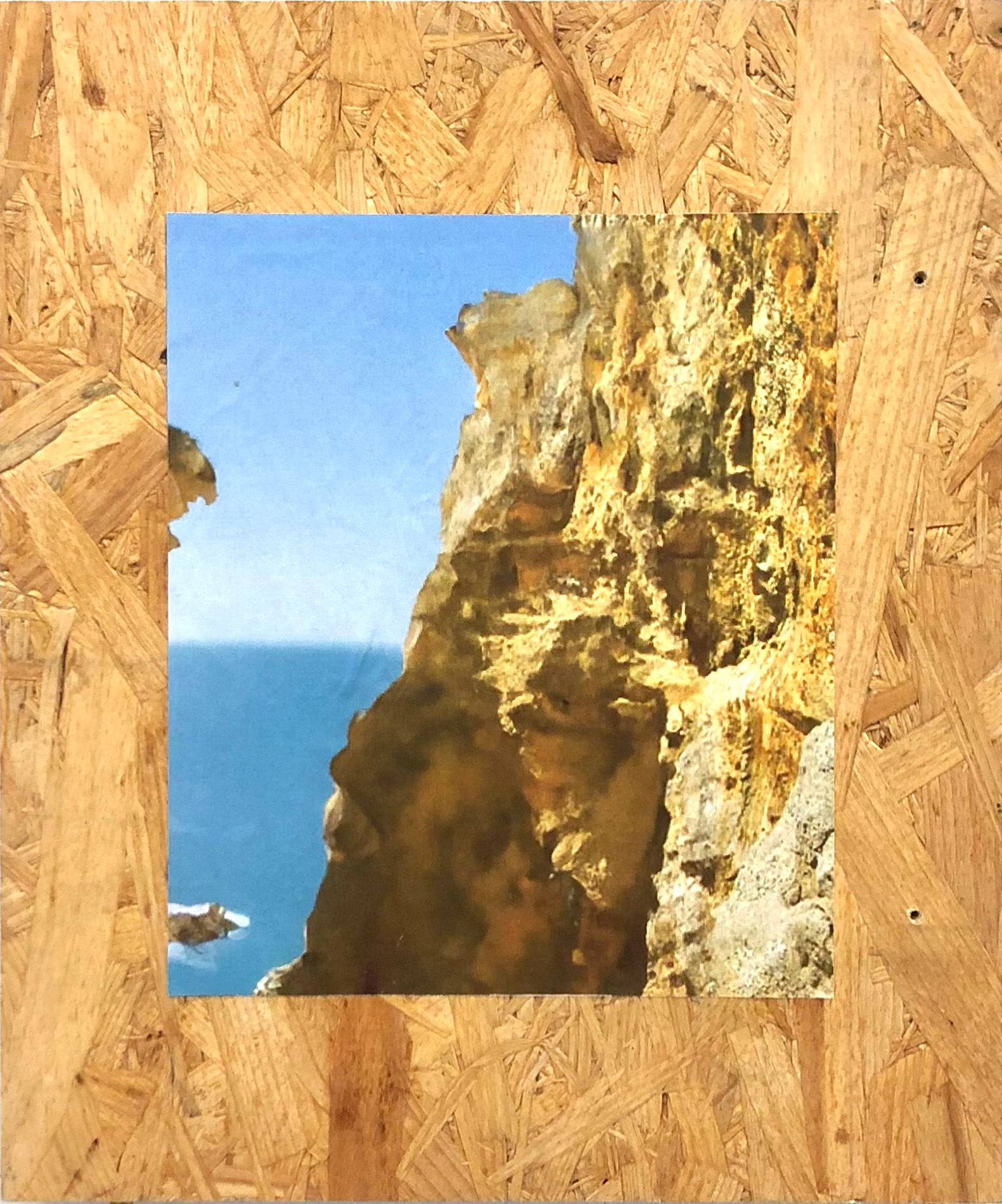
This orientation has translated into an edition marked by the youth of the participants, the prominence of independent spaces and a presence of 60% of women artists. The General Program has had 33 galleries, complemented by the curated sections Vortex, Polar and Tropic and MyFAF, as well as the new OFF-SITE program, which has taken artistic practice beyond the fairgrounds to strengthen ties with communities and local agents.
Decentralization and collaboration have been two of the main axes of the program. Polar and Tropic has brought together spaces from Northern Europe and Southeast Asia through twelve projects that have combined exhibitions, cinema, radio, collective workshops and spaces for informal dialogue. Among the initiatives, Tidur Lambak , by Tapir Studio, has stood out, inspired by community practices. Vortex, for its part, has articulated six dialogues between local and Latin American galleries, with proposals that explore new forms of artistic and symbolic exchange.
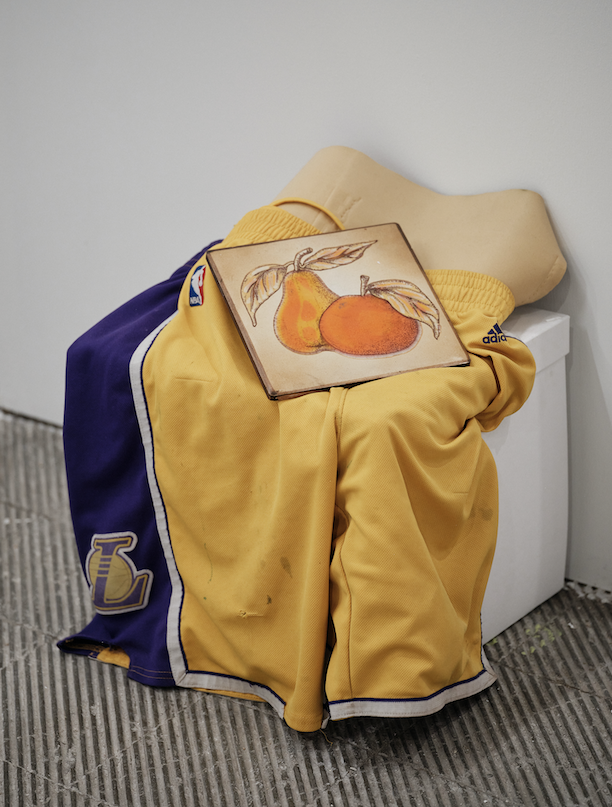
MyFAF has promoted the international debut of three spaces with less than two years of experience: Ulstrup, from Denmark; Twilight Contemporary, from the United Kingdom, and DivergenX, with a presence in the United Kingdom and Switzerland. The program has sought to give visibility to young initiatives with a defined curatorial identity and committed to the artistic languages of the present. At the same time, OFF-SITE has reinforced the desire to decentralize the activity and to establish closer relations between the fair and the urban context.
The participatory dimension has also had a prominent role, with more than forty cultural activities that have expanded the experience beyond the exhibitions. Among the most well-received proposals are the playful intervention Lotería Lumbung , the culinary and artistic performance Kuehsenyun , which has crossed the boundaries of the venue, and the family workshop SWAB Kids, coordinated by Duae Collective. This set of activities has contributed to consolidating the fair as a meeting space open to citizens and different forms of cultural participation.
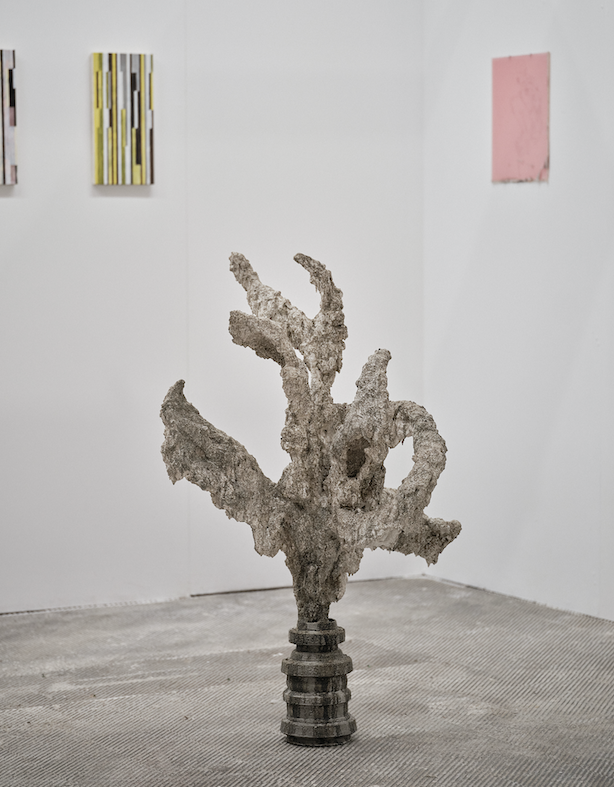
Reflection on sustainability and the climate and socio-political crisis has also permeated this edition, which has sought to question a strictly commercial conception of art in order to place the context, the processes of creation and its capacity for social and political intervention at the centre. In this sense, the director of Swab Barcelona, Carolina Diez-Cascón, has pointed out that the fair represents "the pulse of a new generation of independent creators and galleries" who are committed to more agile and sustainable management models. According to Diez-Cascón, emerging art is not only looking for a place in the market, but also wants to lead the debate on the future of the cultural sector.
The fair closed the edition with several awards and recognitions. Among the residencies granted, the Piramidón to the artist Iris Sanmartín Dalmau, presented by After School, and the Casa RARO to Alejandro Cañer, from ONA Galería, from Cuba, stand out. In terms of acquisitions, the Carmen & Lluís Basat Collection has incorporated a work by Rubén González, from the RocioSantaCruz gallery, while the Kells Collection has acquired a painting by Pelayo Tamago, represented by ATM.

You may be
interested
...