
library
The Cold War behind Colombian modern art
Art historian Christian Padilla presents an essay at the Espai Isern Dalmau in Barcelona that analyzes the relationships between culture, power and geopolitics through the figures of Marta Traba, José Gómez Sicre and Nelson Rockefeller.
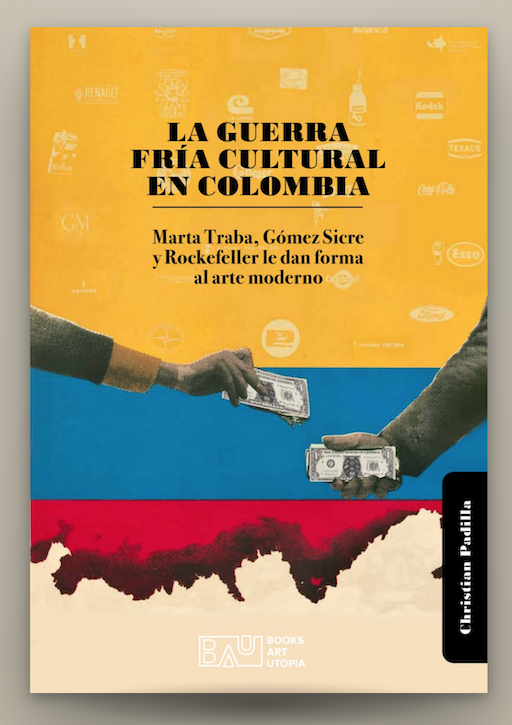
Modern art was not built solely in artists' studios or through aesthetic debates. It also took shape in diplomatic offices, cultural institutions, private collections and patronage networks that, during the Cold War, turned culture into a terrain of ideological dispute. This is one of the central theses of La guerra fría cultural en Colombia. Marta Traba, Gómez Sicre y Rockefeller le dan forma al arte moderno , the book by Colombian art historian Christian Padilla that will be presented on Tuesday, October 20, at 8 p.m., at the Espai Isern Dalmau in Barcelona.
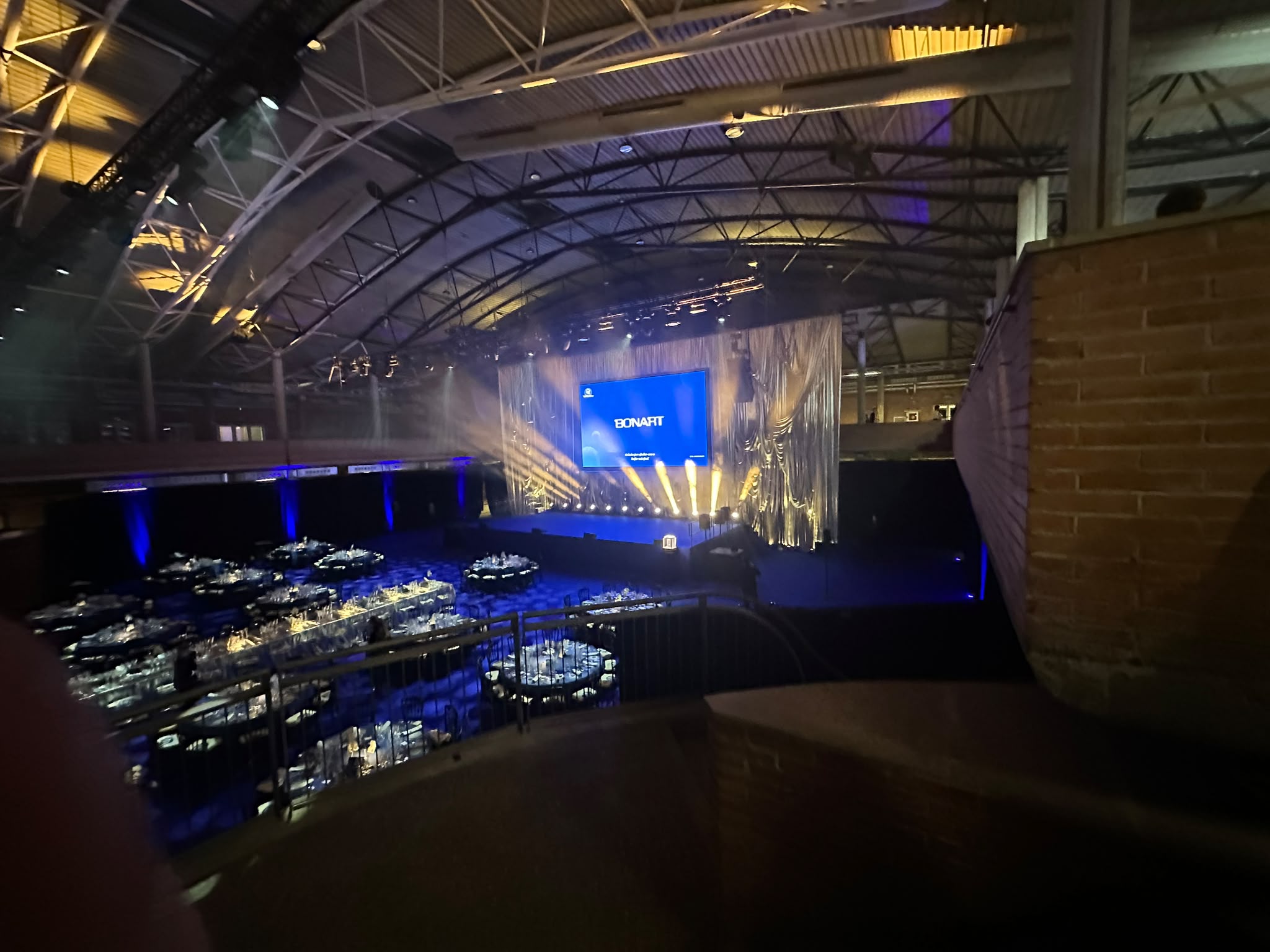
The event will feature the participation of the author, accompanied by Martí Peran, full professor of Art Theory at the University of Barcelona, and Ricard Planas Camps, director of the Lluís Coromina Isern Foundation and CEO of Bonart.
Published by BAU Editorial, the book proposes a critical review of the processes that contributed to the consolidation of modern art in Colombia, focusing on the connections between United States cultural policies, business interests and the construction of a new artistic narrative. Through the trajectories of Marta Traba, José Gómez Sicre and Nelson Rockefeller, Padilla reconstructs a network of influences in which exhibitions, prizes, museums, collections and cultural programs played a decisive role in defining the modern canon.
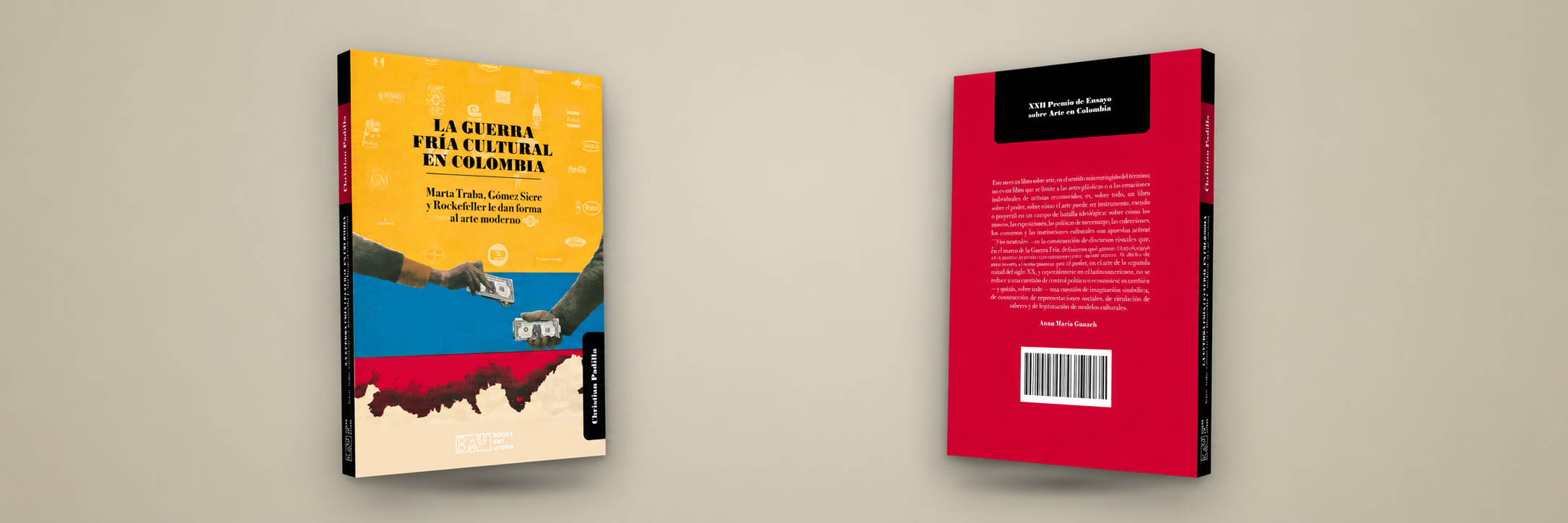
The research, based on documentation from archives consulted in Bogotá, Washington, New York and Havana, addresses Colombian artistic modernization as a transnational process, crossed by Pan-Americanism, anti-communism and the geopolitical tensions inherent in the Cold War. Beyond formal transformations and aesthetic discourses, the author examines how power structures intervened in the circulation of works, the legitimation of artists and the international projection of Latin American art.
The volume, distinguished with the XXII Prize for Essay on Art in Colombia, thus contributes to questioning the hegemonic interpretations of art history and placing Latin American experiences at the center of the debate. Its contribution lies in showing that the definition of artistic modernity was not a neutral process, but a space of negotiation between cultural, political and economic interests.
Christian Padilla is an art historian, researcher and independent curator. He holds a doctorate cum laude in Society, Culture and Heritage and a master's degree in Advanced Studies in Art History from the University of Barcelona. He is a professor at the University of Rosario, in Colombia, and co-founder and coordinator of BAU Editorial. A specialist in the work of Fernando Botero, he has published several books on Colombian art and has curated exhibitions in Colombia, France and Germany. In 2007 he won the Historical Essay Prize on Colombian Art for his book El llamado de la tierra: el nacionalismo en la escultura colombiana .

You may be
interested
...