
News
Gaudí, a hundred years later, an architecture that still questions the present
La Pedrera is hosting the Gaudí International Congress from October 22 to 25, a scientific meeting that vindicates the architect's relevance on the centenary of his death and delves into the constructive, geometric and structural foundations of his work.
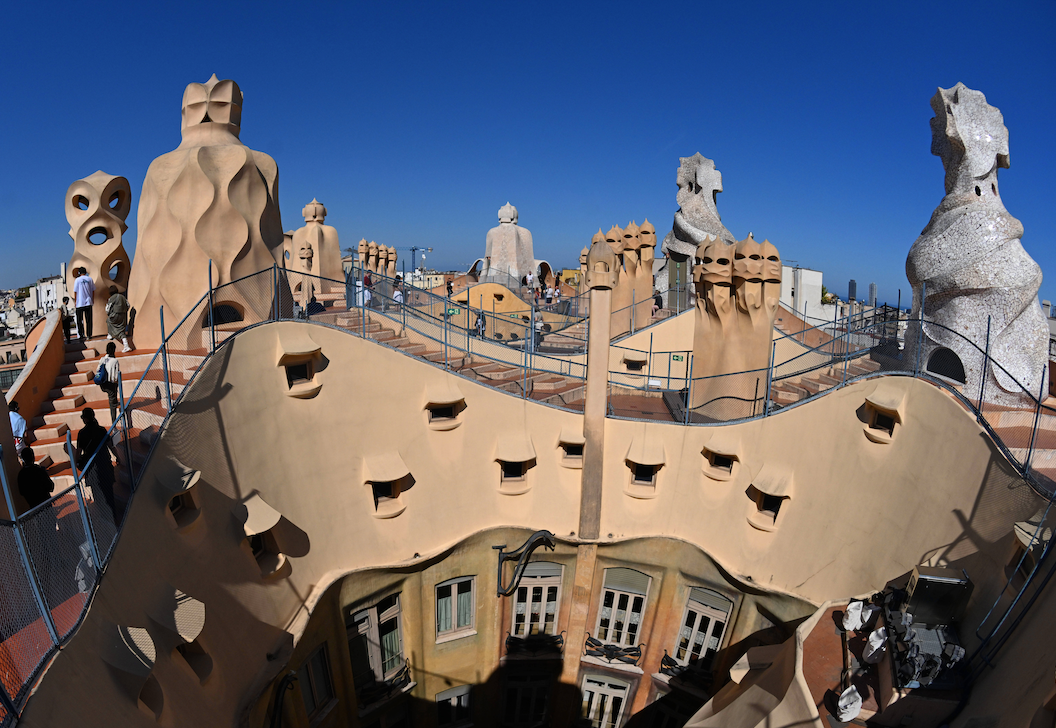
A century after his death, Antoni Gaudí remains an essential figure for understanding the transformation of modern architecture and the relationship between art, science and nature. His work, often surrounded by symbolic interpretations and readings linked to his spirituality, leaves open numerous questions about the processes of creation, technical innovation and the ability to find constructive solutions that challenged the limits of his time. The centenary of his death thus offers an opportunity to re-examine his legacy with a critical and scientific perspective, beyond the aesthetic fascination that continues to awaken around the world.
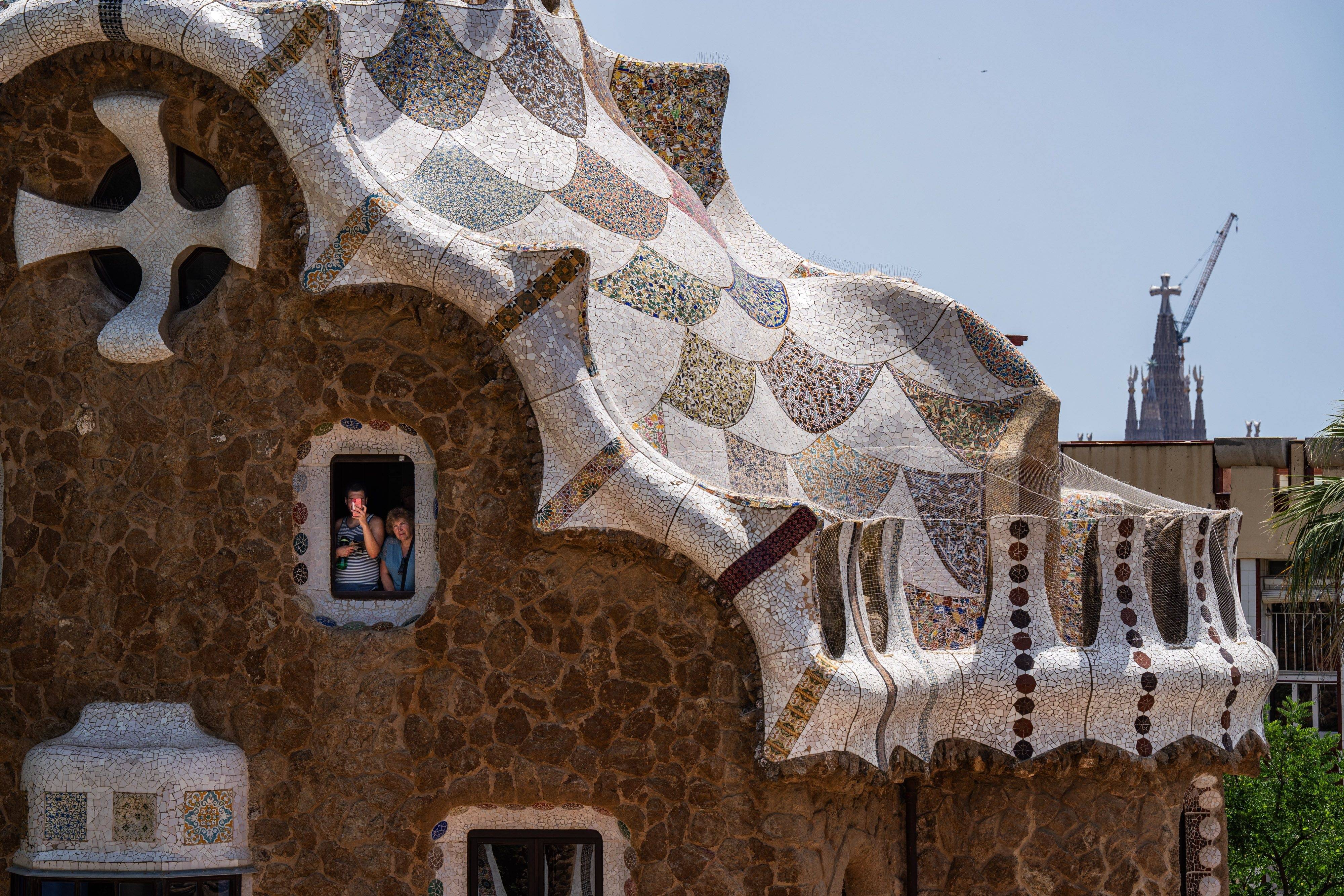
Born in Reus or Riudoms, according to different biographical sources, in 1852, Gaudí developed a unique architectural language, difficult to categorize within the stylistic trends of his time. Organic forms, regulated geometries, structural systems inspired by the observation of nature and the treatment of light and materials shaped a way of understanding architecture in which the artistic dimension could not be separated from technical research. Wrought iron, ceramics, trencadís and innovative spatial and structural solutions contributed to defining a creative universe that still today arouses studies and new interpretations.
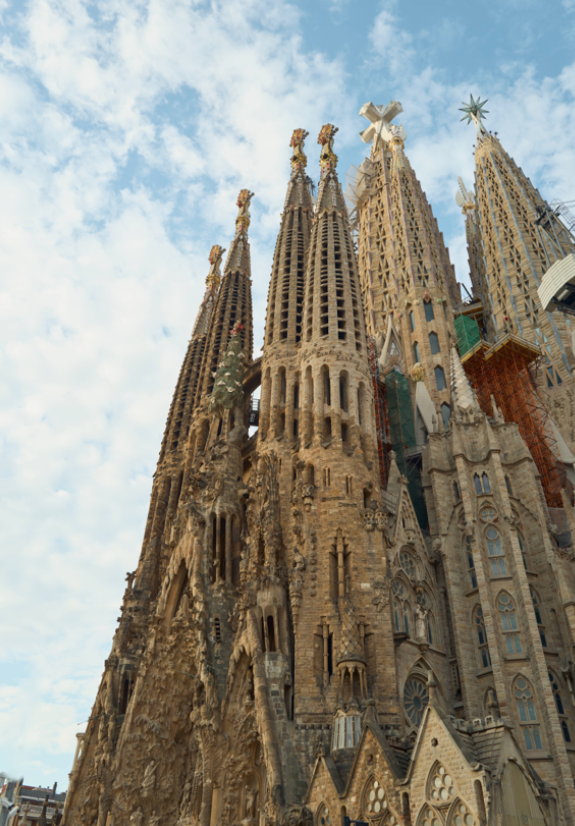
His career was cut short on June 10, 1926, when he died in Barcelona after being hit by a tram. At that time, Gaudí was still dedicated almost exclusively to the work on the Sagrada Família, the project that ended up occupying a good part of his last years. His death left a monumental work unfinished, but also a legacy that has continued to evolve through research, conservation and the reinterpretation of his architectural thought.
Barcelona is the privileged setting for this legacy. The buildings that Gaudí designed there allow us to trace the evolution of his language and understand how he articulated structure, ornamentation, functionality and expressiveness. Among these works, Casa Milà, popularly known as La Pedrera, occupies a particularly significant place. Built between 1906 and 1912 on Passeig de Gràcia, it represents one of the most mature expressions of his civil architecture, with a stone façade of continuous movement, a structure that frees the interior spaces from much of the limitations of load-bearing walls and a roof where chimneys and functional elements acquire a powerful sculptural presence.
La Pedrera is not only one of Gaudí's most emblematic buildings, but also an ideal space to delve deeper into the complexity of his thought. Within the framework of the Gaudí Year, this dimension acquires special relevance with the celebration of the Gaudí International Congress, scheduled from 22 to 25 October at the Casa Milà itself. The congress focuses on scientific research on the architect and the need to study his contributions from perspectives that integrate architecture, engineering, geometry, history and applied sciences.
The meeting aims to contribute to overcoming a vision of Gaudí based exclusively on the intuitive genius or formal singularity of his creations. His architecture is also the result of a process of observation, experimentation and problem solving, in which forms respond to specific structural and constructive needs. Analyzing these mechanisms allows us to better understand how he conceived spaces, explored new geometries and developed systems capable of combining stability, functionality and expressive freedom.
In this sense, the congress is part of a particularly significant moment for the review of Gaudí's legacy. The international recognition of his work, part of which is part of the UNESCO World Heritage, has contributed to consolidating Barcelona as an indisputable reference in architecture. However, the tourist and cultural projection of his buildings does not exhaust the research possibilities they offer. There are still aspects of his working methods, his construction procedures and the relationship between experimentation and design that deserve new interdisciplinary approaches.
You may be
interested
...