Editorial
Human earthquakes, heritage earthquakes
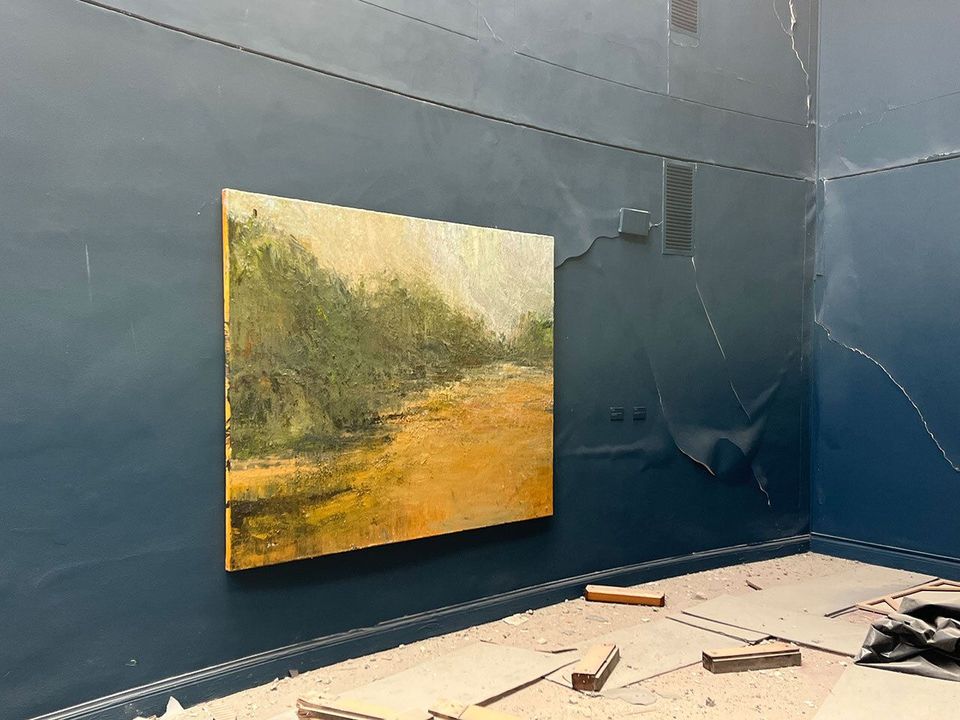
There are earthquakes that shake the earth and those that shake memory. Both leave in their wake the same open question: what is truly worth saving, and how do we do it when the very ground has become unreliable? Walter Benjamin once imagined an angel of history walking backward toward the future, watching the ruins pile up before his eyes, unable to stop and rebuild them: perhaps no image better describes the tension between catastrophe and memory that runs through this issue.
Because earthquakes are not just a geological phenomenon. There are other kinds, perhaps even more difficult to predict and measure: the wars, crises, and conflicts that shake the world we share. Moreover, we live in a time when technology has acquired such decisive power that it frightens us, and where migration crises, everywhere, are so devastating that they are often difficult to confront. This is the other kind of seismicity we are fighting against—one that is not measured in Richter scales, but in social and human fractures. And it is precisely in the midst of this unstable terrain that, once again, the light of hope appears: culture, which so often simply means art and humanity.
This issue is born from this question. We speak of earthquakes and the tragedies they inflict on cultural heritage—libraries that split, museums that crumble, archives that disappear under the rubble—though we don't lose sight of the fact that the most tragic losses are always human: the lives that these same tremors, in any of their forms, claim. But if history has taught us anything, it is that what is broken is not always lost: often, it is rebuilt more self-aware, more shared, more essential.
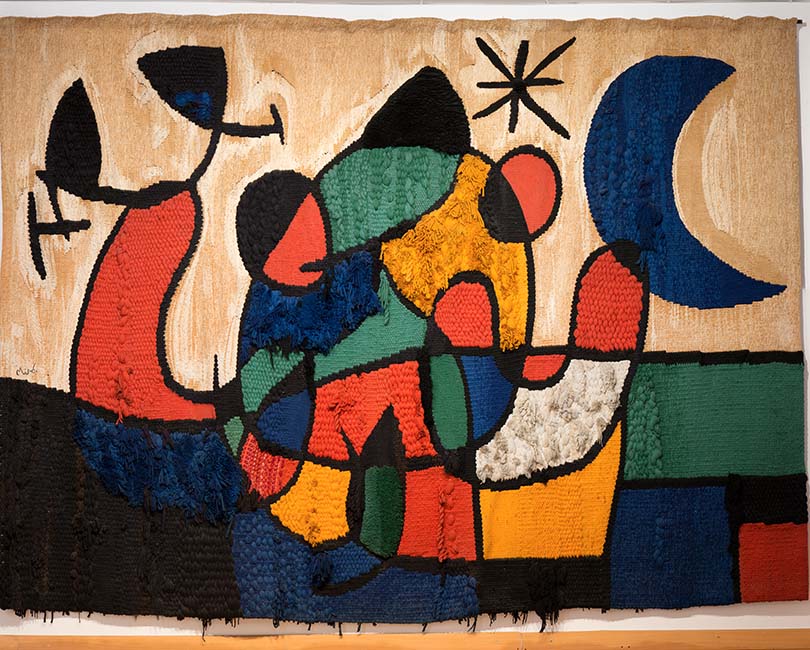
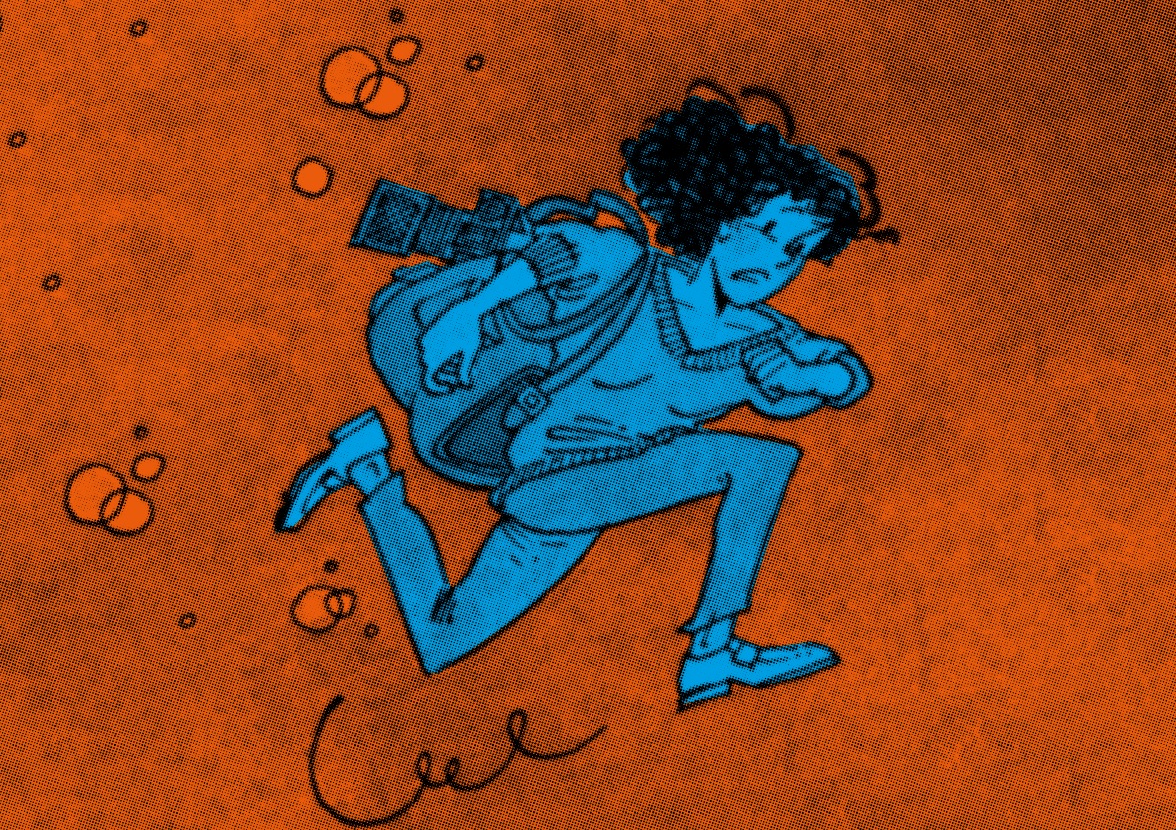
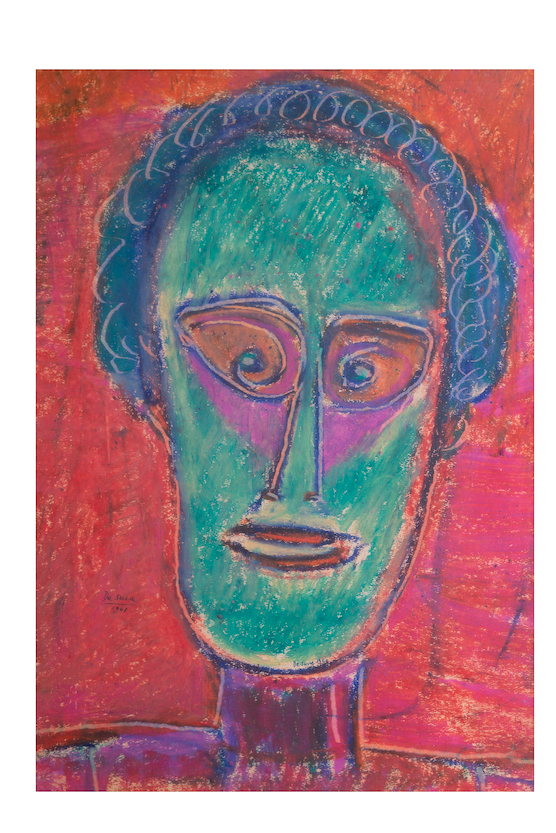
It is no coincidence that we are presenting this issue in Medellín and Bogotá, nor that we are doing so with two covers that stand in direct dialogue: one by Alejandro Tobón, an artist from Medellín, and the other by Sandra Rengifo, an artist from Bogotá. Tobón reconstructs concepts from urban art and culture using artisanal materials, while Rengifo exhibited a project in the fabulous Fragmentos space where Indigenous communities reclaim and proclaim their voice. Two perspectives, two cities, one issue—and, precisely for that reason, a declaration of intent. Because this is not an issue about Colombia; it is a journey through the diverse latitudes of the American continent—from Miami to Buenos Aires, from São Paulo to Lima—that also engages with the Mediterranean. A mosaic of geographies that respond to one another, and which finds one of its guiding threads in the interview with the director of the Museum of Modern Art (MAM) in Medellín.
Colombia is well acquainted with the dual experience of fragility and reconstruction. The 1999 Coffee Region earthquake left Armenia and the entire region in ruins, but it also initiated one of the most studied processes of cultural heritage and community reconstruction on the continent: houses, churches, and cultural spaces rebuilt with the active participation of their inhabitants, transforming loss into a collective act of remembrance. That same year, on the other side of the Atlantic, Bonart was born—unbeknownst to them at the time, the thread that brings us here today was already being woven. Across the Atlantic, Catalonia and the Mediterranean bear their own seismic scars—from the 1428 Ripollès earthquake, which damaged entire monasteries and Romanesque churches, to the recent earthquakes in Turkey, Syria, and Morocco, which have reminded us that this legacy is never truly safe. They are different geographies, but they share the same language: that of fragility which, paradoxically, forces us to look more closely at what we took for granted.
This is where this issue finds its counterpoint: in hope. Because if those losses speak of rupture, the pages that follow speak of richness—artistic, creative, human. Each project, each work, and each voice you will find is, in its own way, an exercise in reconstruction: a way of raising up what matters, even if only on paper. A magazine, after all, is just that: a space where memory is preserved while projecting itself forward, where what could be buried under oblivion finds a new way to stand tall.
For Bonart, presenting this issue at the MAM in Medellín and at ArtBo in Bogotá is much more than a promotional event. It marks the beginning of a dialogue between territories—Medellín and Bogotá, but also Miami, Buenos Aires, São Paulo, Lima, Venice, Madrid, Bilbao, Barcelona, and the rest of Catalonia—that share a common experience: building culture despite—or perhaps precisely because of—the awareness of its fragility. These geographies, separated by oceans and latitudes, share a common truth: that this legacy is not defined by its solidity, but by the collective will to sustain it, issue after issue, generation after generation.
This is, therefore, an issue about earthquakes. But above all, it is an issue about everything that remains standing after the earth has shaken.
You may be
interested
...