Exhibitions
Commitment to living art
Artist, critic and cultural agitator, Josep Maria de Sucre became one of the great mediators of post-war Catalan art.
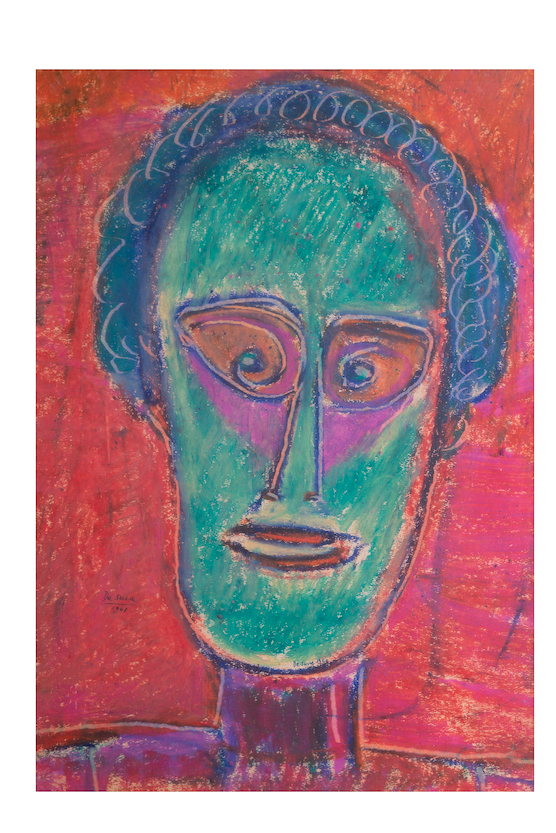
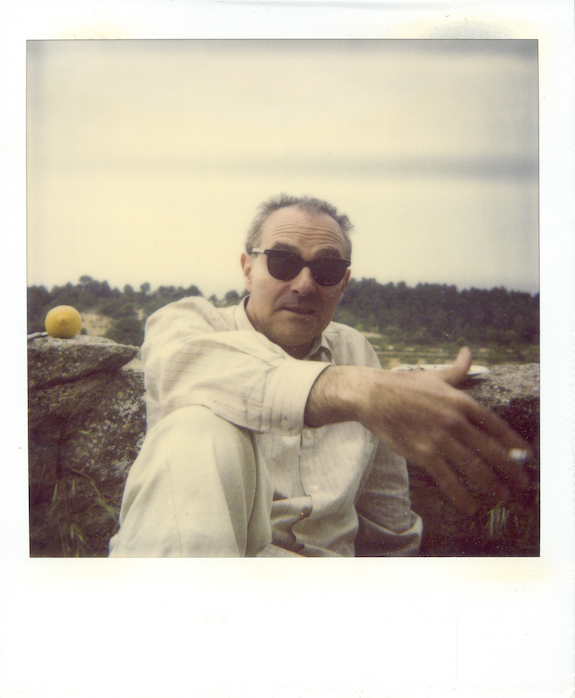
During the first post-war period, Josep Maria de Sucre (Vila de Gràcia, Barcelona, 1886-1969), poet, critic, artist, intellectual, cultural promoter and great conversationalist, became a key figure for the continuity of the avant-gardes in Catalonia. The so-called second avant-gardes emerged as an opportunity to recover artistic activity, interrupted above all by the Spanish Civil War, and for its reconnection with international artistic currents.
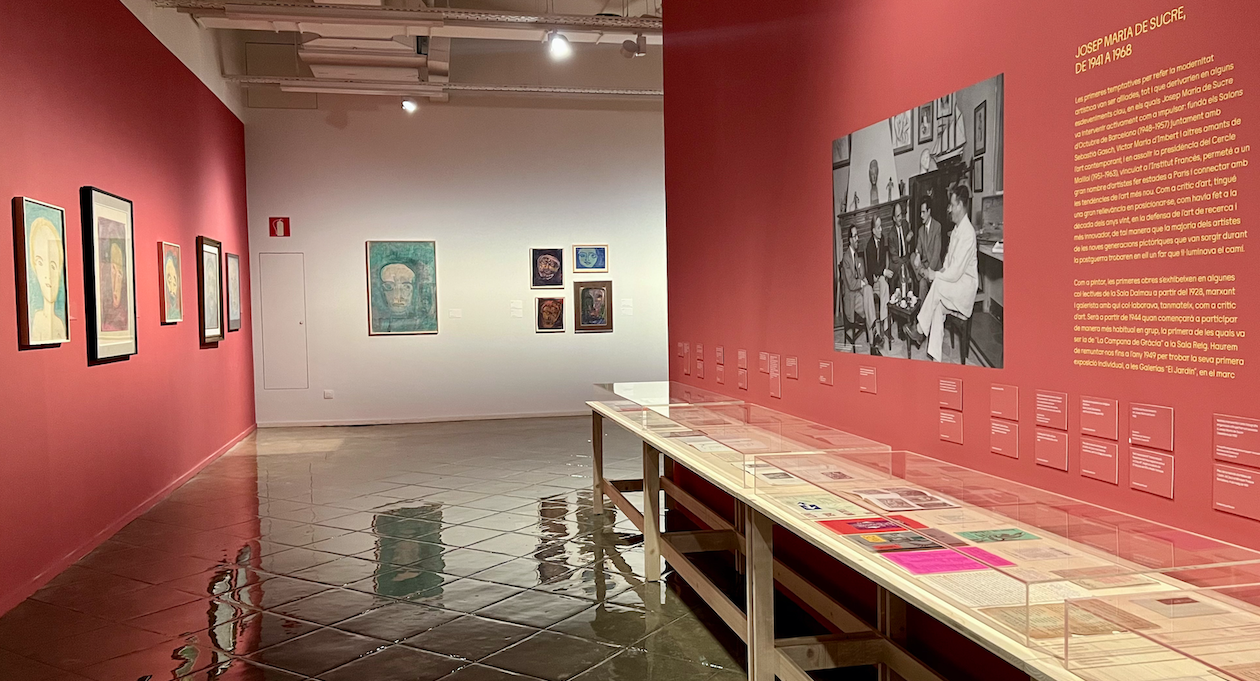
The Vila Casas Foundation vindicates this multifaceted figure with the exhibition Josep Maria de Sucre. Activist and visionary artist , presented at Espais Volart and curated by Aitor Quiney and Joan Gil Gregorio, from September 16, 2026 to January 17, 2027.
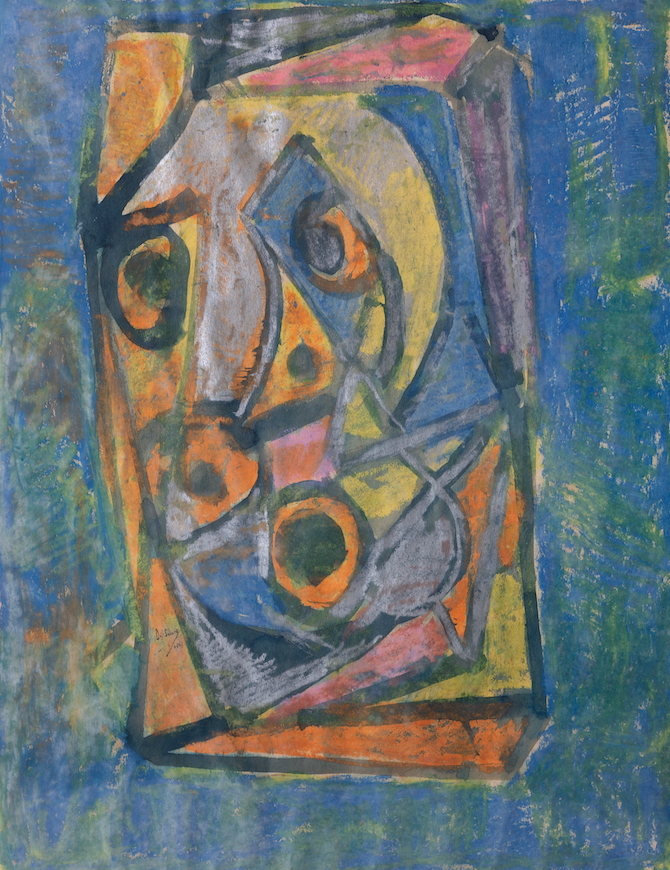
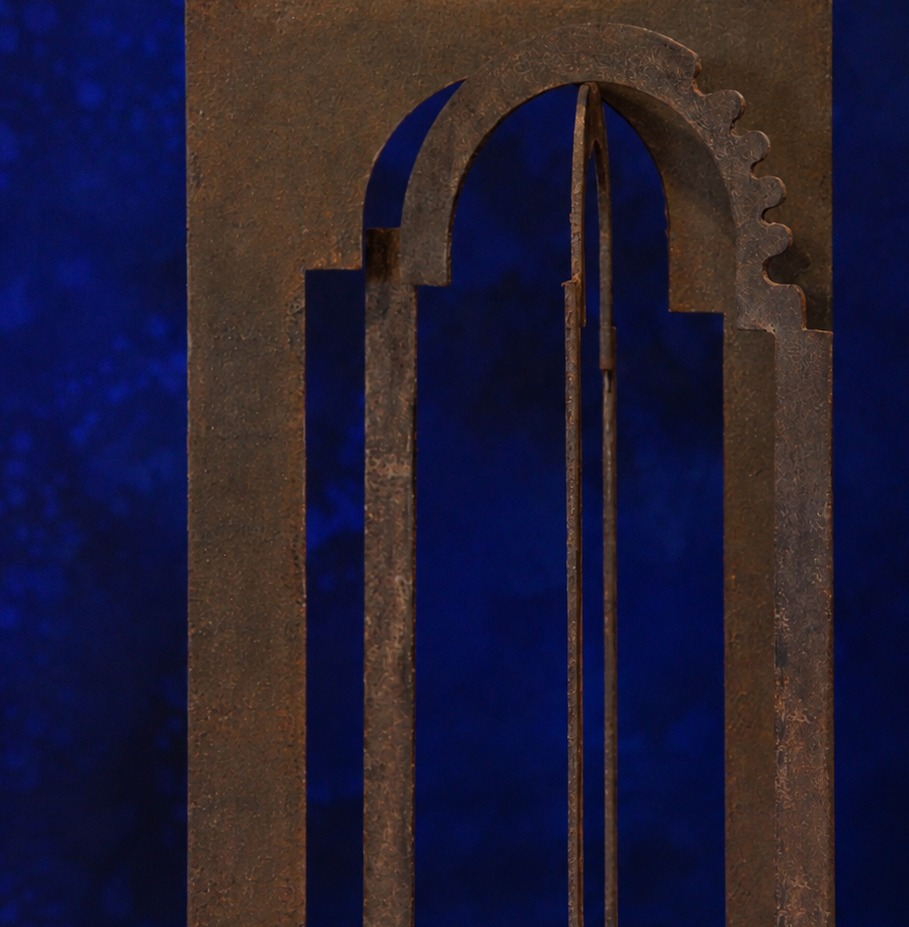
Josep Maria de Sucre, Composition, 1959 ©Xavi Padrós.
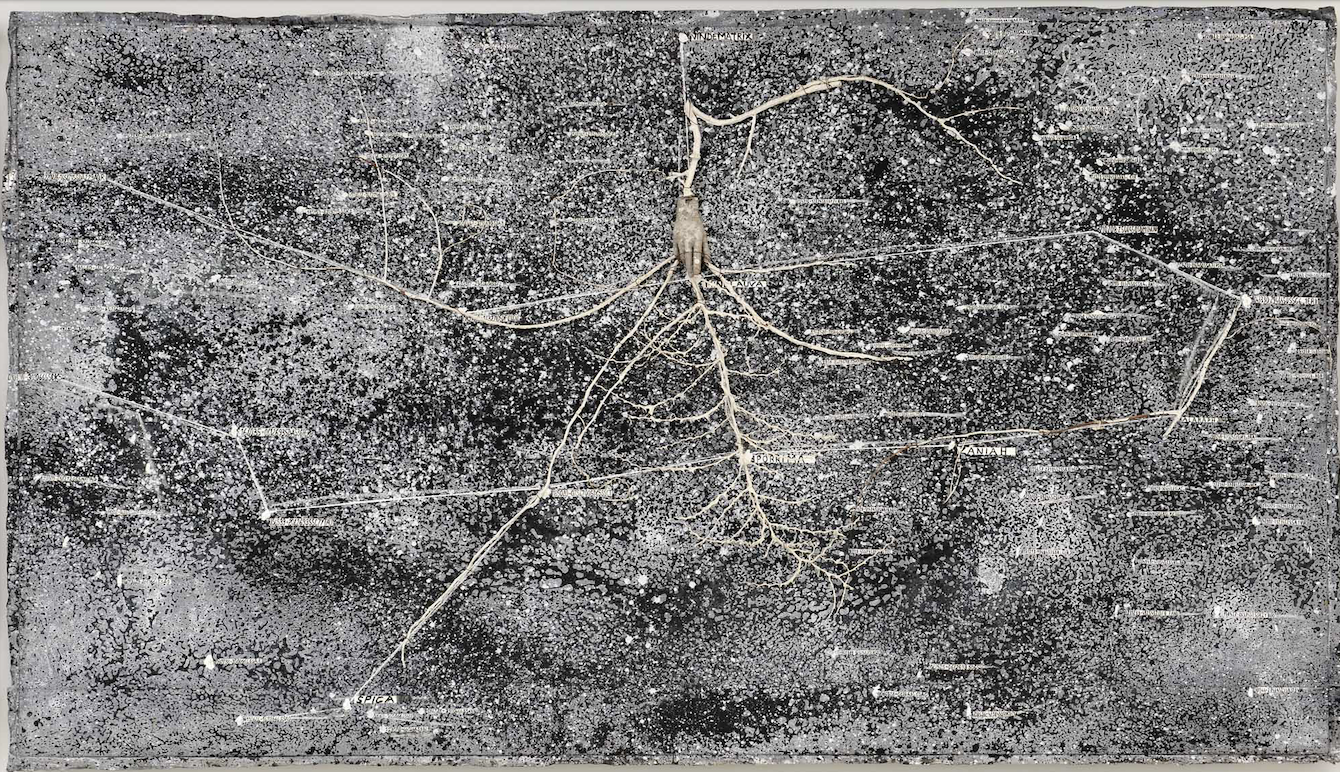
The exhibition brings together part of his pictorial production developed from the 1940s - spectral faces made with wax and gouache on paper - as well as a selection of his literary work. It also incorporates works by artists linked to his career, such as Antoni Tàpies, Albert Ràfols-Casamada, Josep Maria Subirachs and Esther Boix, thus reconstructing not only the figure of a singular creator, but also that of a markedly tumultuous context.
De Sucre, very close to figures such as Joan Salvat-Papasseit, Joaquim Torres-García or Joan Maragall, had formed himself in the intellectual circles of Catalonia at the beginning of the 20th century. A great reader of Ibsen and Nietzsche, he actively published poetry and criticism of art and literature, while teaching at the Ateneu Enciclopèdic Popular (of which he was president between 1912 and 1915), and participated in the gatherings of young artists at the "Ateneíllo" in Hospitalet (from 1926), organized in Rafael Barradas's flat.
From the 1940s onwards, De Sucre's pictorial language gained strength. His expressionist faces, charged with a deep emotional intensity, reflected the existential anxieties of post-war Europe. The figures reveal an obsessive concern for the human condition - a concern that would have begun to form during the years in which De Sucre worked in the courts of Barcelona, where he could observe the faces marked by the moral misery of the condemned. In his role as a painter, De Sucre shared his inner life following, as the art historian Pilar Garcia Sedas suggests, an ethics rather than an avant-garde aesthetic.
However, Josep Maria de Sucre's significance lies above all in his work as a cultural promoter. Together with Sebastià Gasc and Víctor Maria d'Imbert, among others, he promoted the Salons d'Octubre (1948-1957), intended to exhibit new artistic talents from Catalonia. In this sense, as director of the Cercle Maillol of the French Institute of Barcelona (1951-1964), he defended the production of Catalan art with the help of grants supported by this entity. Thus, artists such as Tàpies, Subirachs or Guinovart spent time in Paris to establish contact with contemporary international artistic movements, inaccessible from Catalonia.
The Vila Casas Foundation thus recovers an essential figure for understanding the continuity of the Catalan avant-garde. Josep Maria de Sucre was a creator, but above all he must be understood as an intellectual committed to the living art of his time.
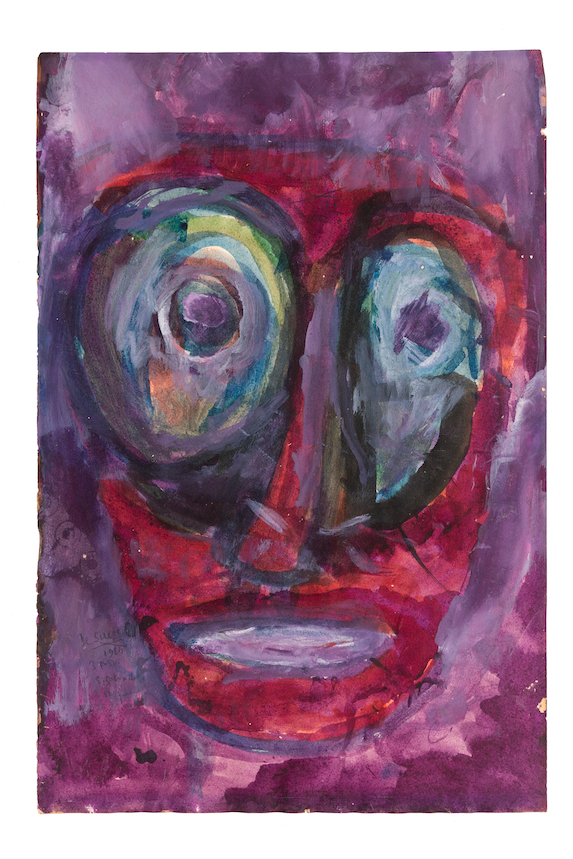
Josep Maria de Sucre, Untitled, 1964, ©Xavi Padrós.

You may be
interested
...