Exhibitions
When madness opened another path for modern art
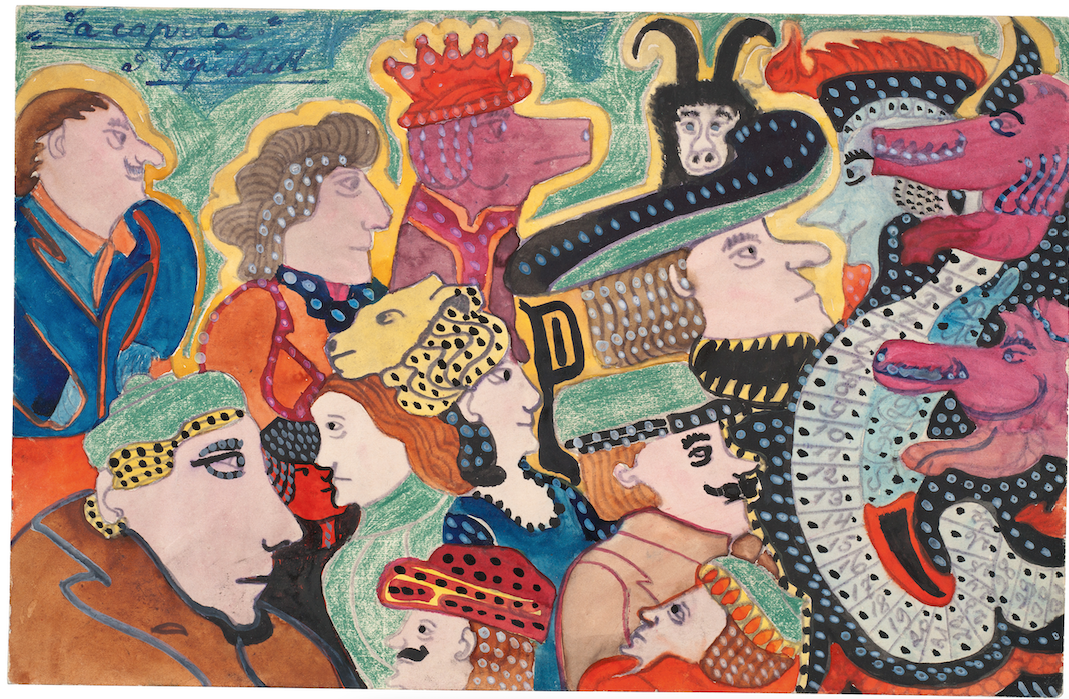
There is a history of modern art that was also built far from museums, academies, and official circuits. The Other Side of the Avant-Garde reclaims precisely this less visible territory to analyze the relationship between works created by people in psychiatric institutions and the transformations brought about by the avant-garde movements during the first decades of the 20th century.
The exhibition, curated by Pilar Soler Montes, can be visited at the MAPFRE Foundation in Madrid, at Paseo de Recoletos, 23, from September 24, 2026 to January 10, 2027. The project focuses on productions that for a long time were considered mainly medical documents, but which gradually began to be observed also from an artistic perspective.
Drawings, paintings, sculptures, textiles, and objects revealed an expressive intensity, a formal freedom, and ways of constructing images that sparked the interest of artists and intellectuals seeking alternatives to academic conventions. The exhibition thus presents a journey through a territory where the boundaries between art, psychiatry, and creative expression began to become much more complex.
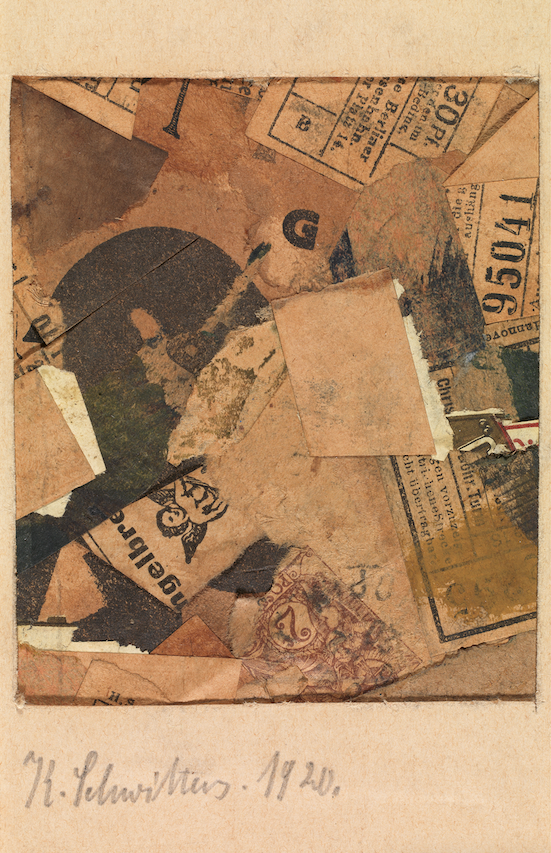
Kurt Schwitters, Untitled [Miniature Merz], 1920, Fundación Mapfre Collections, inv. FM000326, Photo: © Fernando Maquieira, 2026 © Kurt Schwitters, VEGAP, Madrid, 2026.
The starting point is Hans Prinzhorn, a German psychiatrist and art historian who, at the beginning of the 20th century, assembled a significant collection of works created by patients in psychiatric institutions at the Psychiatric Clinic of the University of Heidelberg. His work helped to change the way these works were viewed, placing them in a new space for debate where medicine, psychology, and art began to establish unprecedented relationships.
Prinzhorn's project acquired an international dimension with the publication, in 1922, of Bildnerei der Geisteskranken , translated here as Expressions of Madness . The book, compiled from the collection assembled in Heidelberg, brought these works to light and contributed to questioning the traditional limits of artistic creation. Beyond their consideration as documents linked to specific illnesses, these works could be seen as manifestations of a powerful need for expression, characterized in many cases by extraordinary formal freedom.
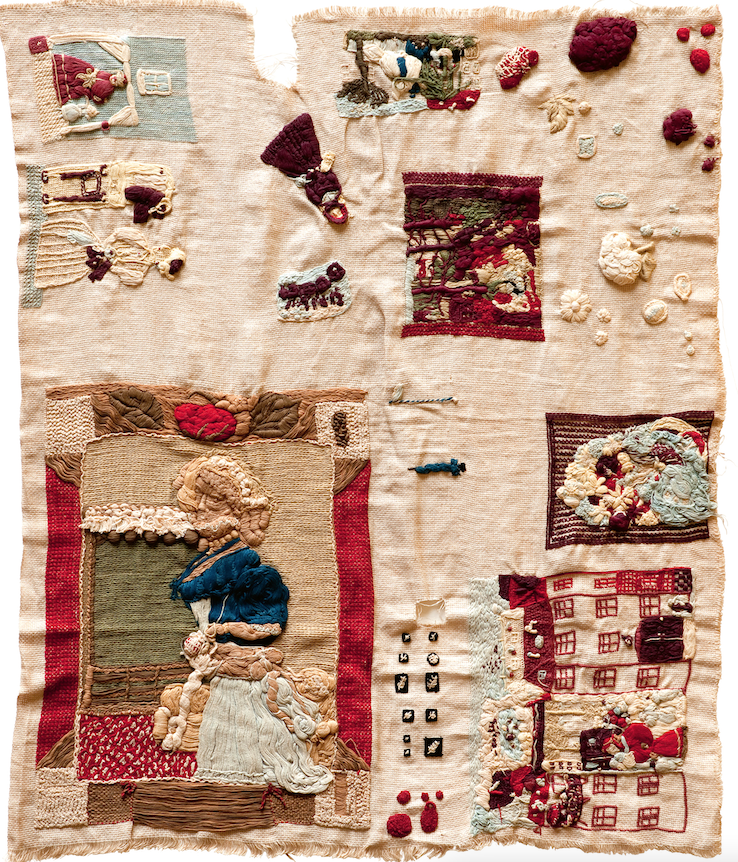
Gabriele Urbach, «Portrait», before 1921, Prinzhorn Collection, University Hospital Heidelberg (Germany), inv. no. 40 Photo: © Prinzhorn Collection, University Hospital Heidelberg.
This new perspective found particularly receptive ground among the avant-garde. Expressionists, Dadaists, and Surrealists discovered in these works forms of creation far removed from academic training and established artistic models. Spontaneity, the power of signs, freedom in the construction of figures, and the ability to generate unique visual universes resonated with the desire of many artists to profoundly renew the language of modern art.
The relationship between these productions and the avant-garde was not, however, without contradictions. During the 1930s, the Nazi regime used comparisons between works created by people in psychiatric institutions and modern art to discredit many of the new artistic trends. The label Entartete Kunst — Degenerate Art —became a propaganda tool against those artistic expressions considered contrary to the cultural values upheld by the regime.
After World War II, Prinzhorn's legacy acquired new interpretations. One of the key figures in this rediscovery was Jean Dubuffet, who revived interest in works produced outside of art institutions and formulated the concept of Art Brut . With this term, he championed creations developed outside official cultural circuits and far removed from the dominant conventions of the art world.
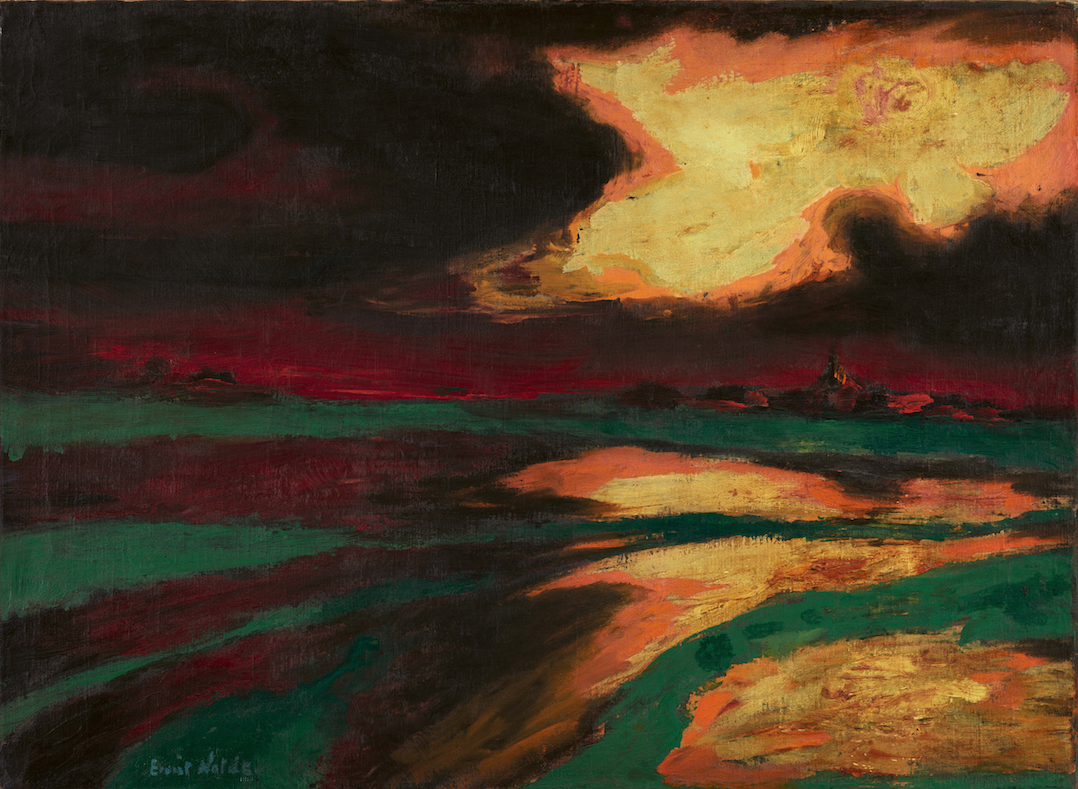
Emil Nolde, Autumn Sunset, 1924, Thyssen-Bornemisza National Museum, Madrid, inv. no. 690 (1964.9) Photo: Thyssen-Bornemisza National Museum, Madrid © Nolde Stiftung Seebüll.
The other side of the avant-garde explores this complex journey through a dialogue between works from the Prinzhorn Collection and pieces by some of the leading figures of artistic modernism. The exhibition is structured in five sections and brings together more than seventy works alongside a wide selection of documents that allow visitors to reconstruct the connections between the Heidelberg collection, the avant-garde movements, and the later formulations of Art Brut .
The exhibition also raises a fundamental question: who determines what can be considered art and who is excluded from the narratives constructed by art history? The dialogue between the works of people confined to psychiatric institutions and those of renowned artists reveals how certain forms of creation forced a rethinking of concepts such as authorship, training, originality, and artistic freedom.
The selection has been made possible thanks to the collaboration of various national and international institutions, including the Prinzhorn Collection of the University of Heidelberg, the Collection de l'Art Brut in Lausanne, the Brücke-Museum in Berlin, the Thyssen-Bornemisza National Museum and the Reina Sofía National Art Centre Museum, with works from both their holdings and the Lafuente Archive collection.

You may be
interested
...