Exhibitions
When postmodernity becomes baroque
'Ephemeral Persistences. A Baroque Postmodernity?' traces an unusual dialogue at the Museu del Baroque de Catalunya between the tradition of the 17th and 18th centuries and the Catalan creation of the late 20th century.
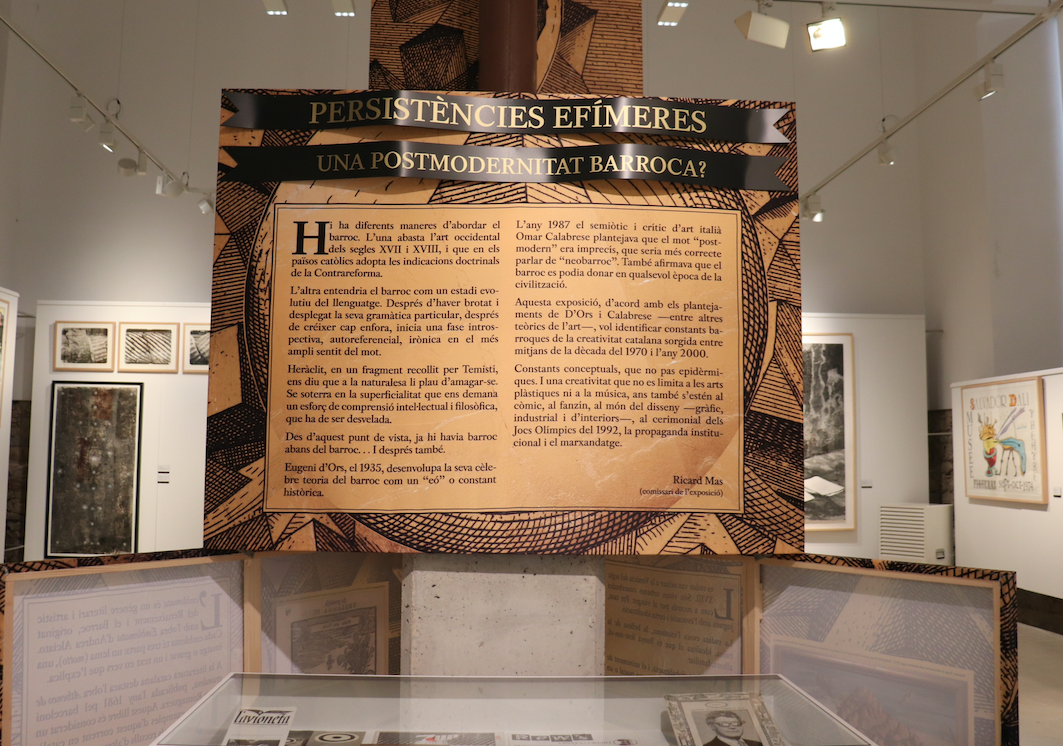
The Baroque may seem like a thing of the past, but some of its ways of looking at, representing and understanding the world continue to resonate in contemporary Catalan culture. This is the hypothesis that articulates Ephemeral Persistences. A Baroque Postmodernity? , an exhibition that the Museu del Baroque de Catalunya is presenting in Manresa until December 6. Curated by Ricard Mas, a collaborator of Bonart , and with the exhibition design of L'Estudi de la Mirada, directed by Jesús Galdón, the show puts the heritage of the 17th and 18th centuries in relation to Catalan creation from the last decades of the 20th century.
The exhibition proposal seeks to detect affinities, survivals and transformations. The Baroque thus appears as a sensitivity capable of crossing the centuries and manifesting itself in unexpected forms: in excess and theatricality, in the fascination with image and artifice, in the mixture of languages, in popular culture or in the capacity to convert spectacle into a tool of persuasion. From this perspective, postmodernity ceases to be a completely new territory and can also be read as a space of return, a kind of late echo of that Baroque culture.
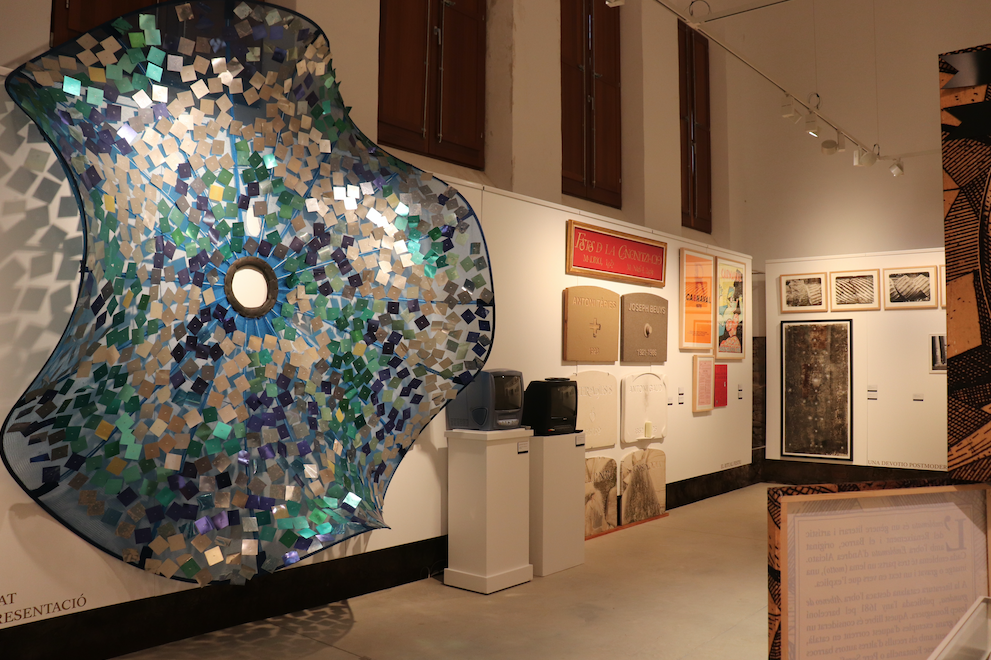
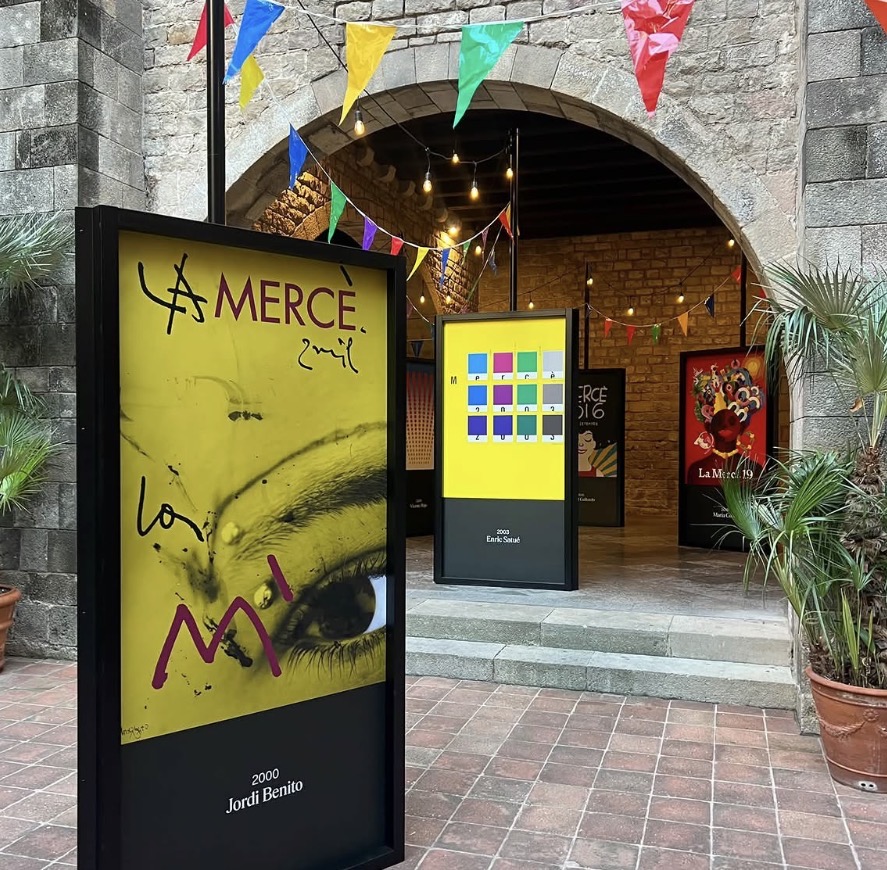
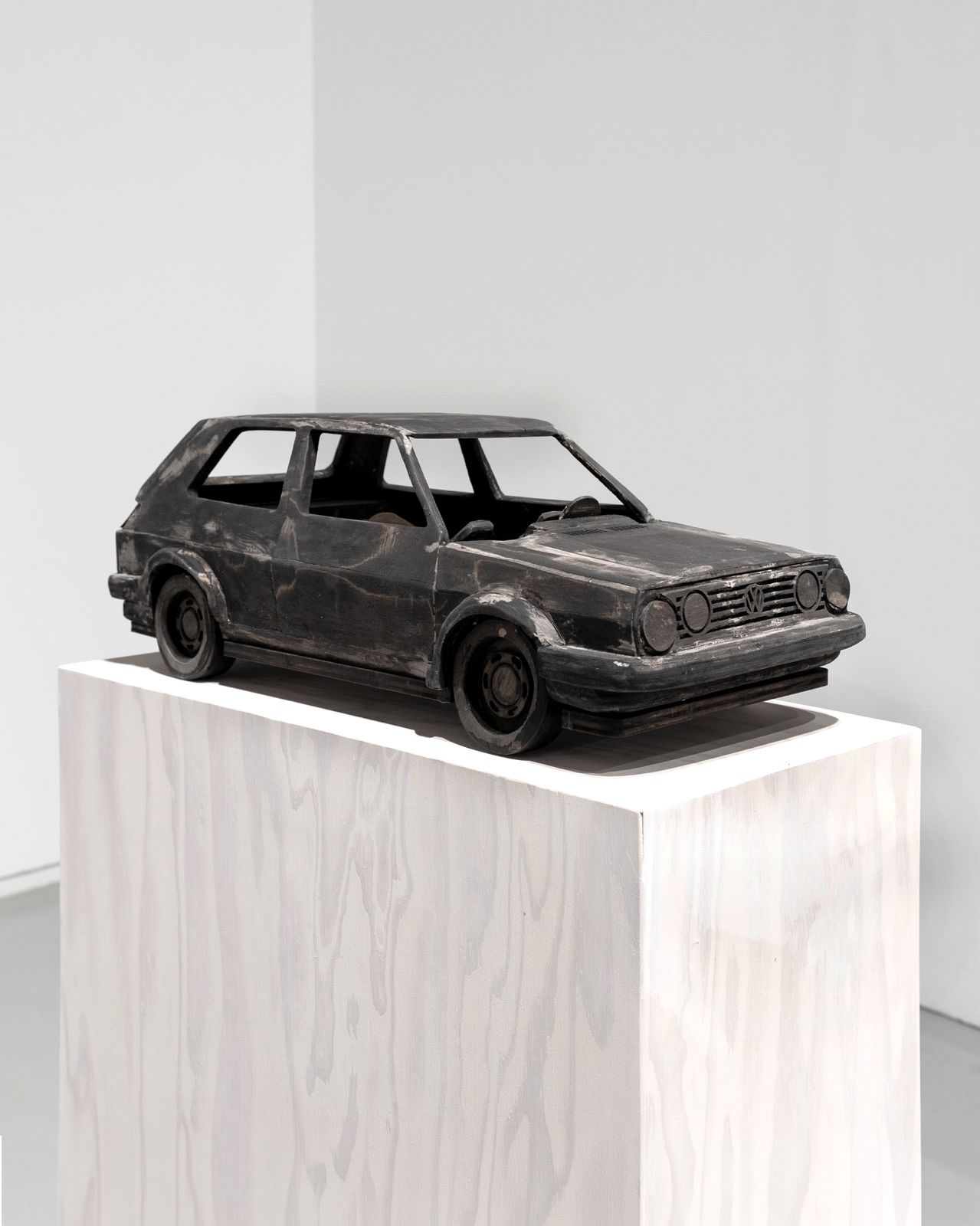
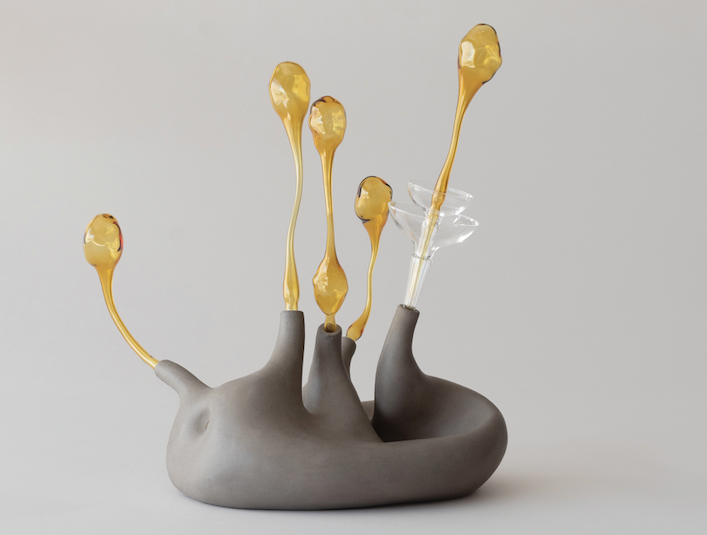
Some fifty works establish correspondences between the Catalan Baroque heritage and artists who, between the late 1970s and 2000, worked from territories as diverse as performance, photography, cinema, design, sculpture, visual poetry or popular culture. Salvador Dalí, Joan Brossa, Perejaume, Jaume Plensa, Javier Mariscal, Eulàlia Valldosera, Joan Fontcuberta, Carles Santos, Jordi Benito, Ferran Adrià, Bigas Luna, Hannah Collins or Ana Zelich share here a space of friction with a tradition that, far from presenting itself as an immutable past, reveals itself as a kind of cultural sediment.
The question that articulates the proposal is as simple as it is uncomfortable: to what extent does a Catalan Baroque soul exist capable of surviving the changes of the century? The exhibition starts from the hypothesis that this constant does not disappear, but rather adopts new forms. The Baroque, understood beyond its chronology, thus appears as an attitude towards the world: the fascination with excess, theatricality, paradox, metamorphosis, illusion, the contrast between appearance and reality and a certain inclination to convert the spectacle into a tool of knowledge.
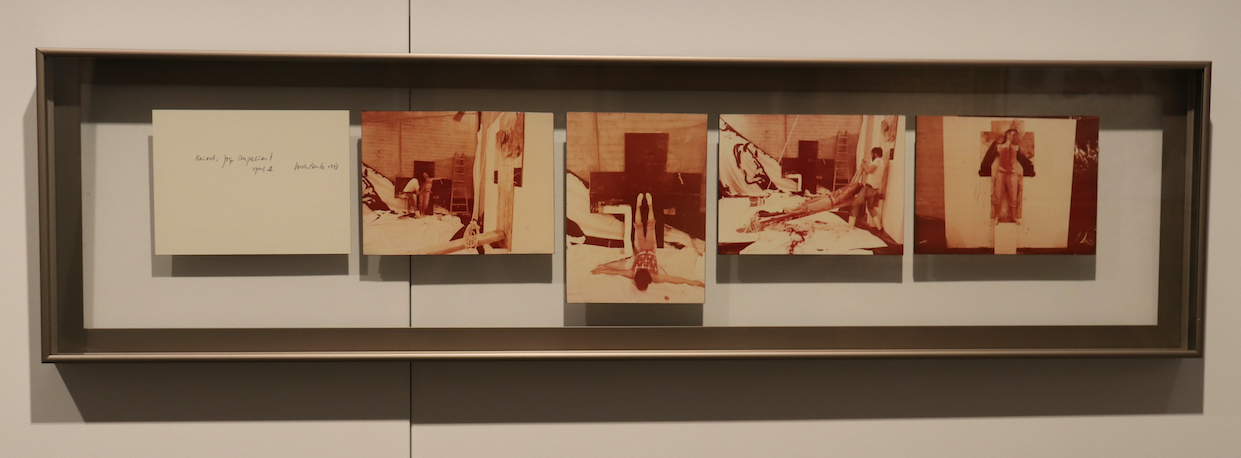
This reading allows us to considerably expand the usual framework with which Catalan artistic modernity is explained. The Baroque persistence can be traced, according to the exhibition proposal, in the ornamental density of certain modernist expressions, but also in some features of the early Noucentisme, in figures such as Josep Aragay or Xavier Nogués, in the recovery of popular arts and enameled ceramics, in the surrealist imagination of Dalí or in a pop art that recovers, under new codes, mechanisms of visual persuasion that had already been essential in the culture of the Counter-Reformation.
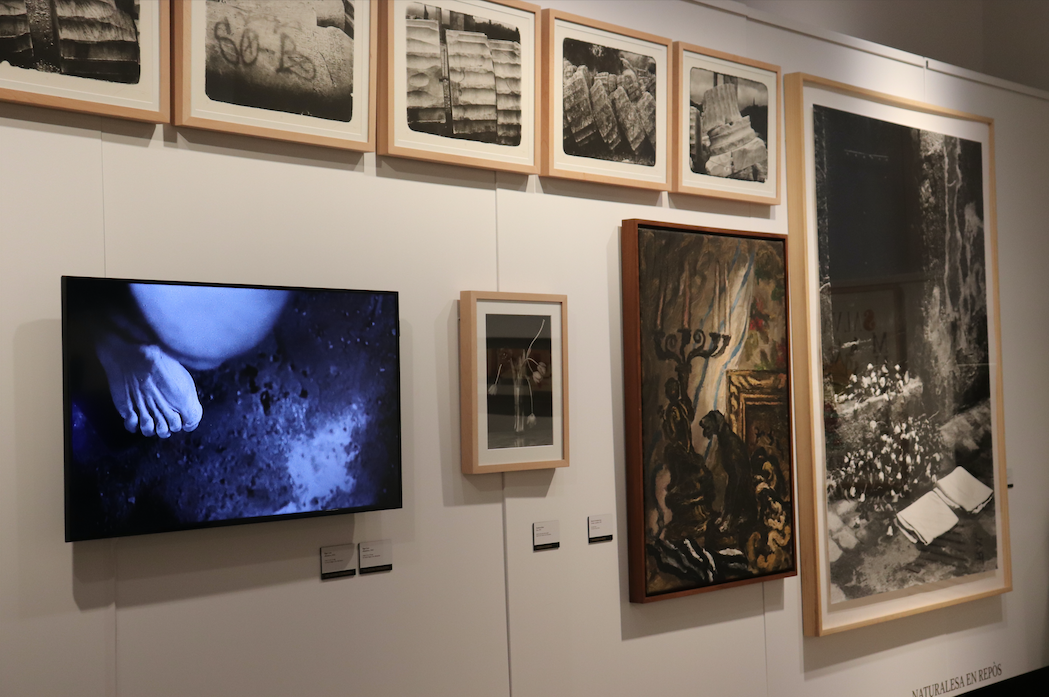
The leap towards postmodernity is not, therefore, as abrupt as it might seem. Precisely here lies one of the most suggestive contributions of the exhibition: proposing that what we call postmodernity can also be read as a return to baroqueism, not in the form of historicist reconstruction, but as a recovery of fragmentation, quotation, irony, theatricality and the mixing of languages. The history of art ceases to function as a straight line and becomes a surface full of echoes.
In this sense, the selected works do not function only as examples of a previous thesis, but as devices for comparison. The dialogue between pieces of different origins and chronologies allows us to observe how certain forms reappear under unexpected appearances. The body, the scenography, the image, the artifice, transformed religiosity, mass culture or the fascination with the object acquire new meanings when they pass from one historical context to another.
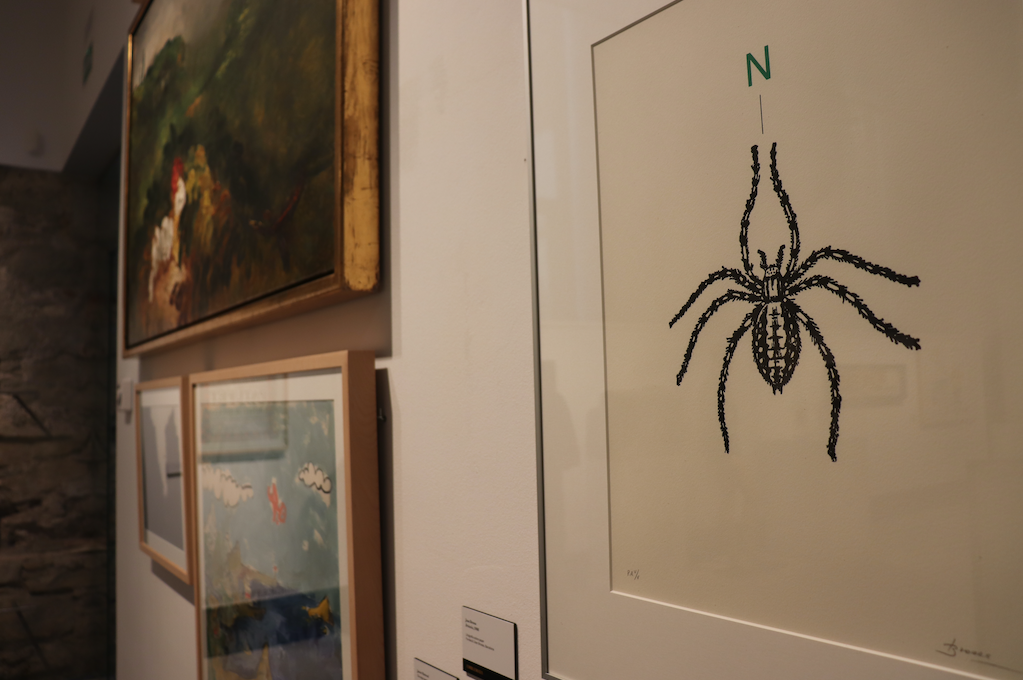
It is particularly interesting that the tour is not limited to the most predictable names of Catalan contemporaneity. Alongside creators widely incorporated into the story of Catalan art in recent decades, the exhibition incorporates figures and practices that allow us to broaden our perspective. The photography of Joan Fontcuberta or Hannah Collins, the scenic dimension of Carles Santos, the radicalism of Jordi Benito, the spatial poetics of Plensa, the conceptual operations of Perejaume or the research of Eulàlia Valldosera contribute to drawing a map in which the Baroque is no longer just a question of forms, but of image behaviors.
There is also a popular and spectacular dimension that is essential to understanding this persistence. The Baroque knew how to build a culture of fascination, capable of using the image to provoke emotions and mobilize consciences. Centuries later, advertising, cinema, pop, design and the media will recover much of this capacity for seduction. In this field, the presence of Javier Mariscal, Bigas Luna or even Ferran Adrià introduces a particularly contemporary issue: the dissolution of the borders between the arts and the need to understand creativity as an expanded territory.

You may be
interested
...