
News
From craft to creation in Bogotá
Visions of Catalonia Crafting Art presents at ARTBO a selection of Catalan creators who explore the limits between crafts, art and design, in parallel with the presentation of issue 3 of Bonart internacional.
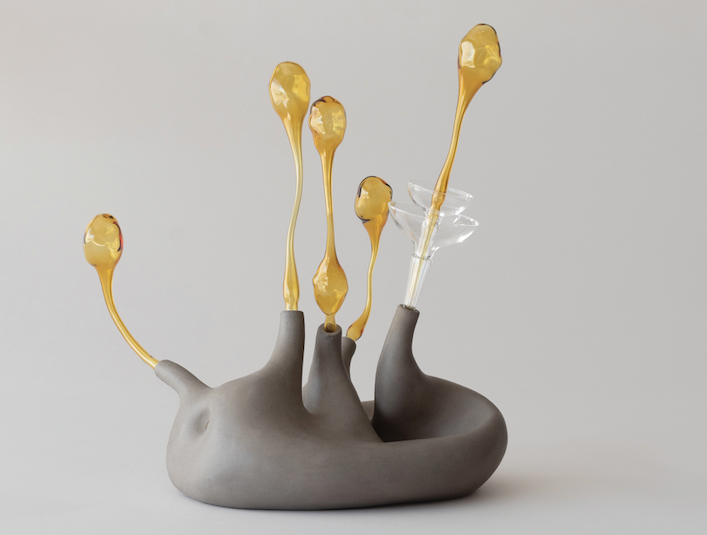
Bogotá will become, from September 24 to 27, 2026, one of the main meeting points for international contemporary art with the celebration of ARTBO | Feria Internacional de Arte de Bogotá. In this context, the Visions of Catalonia Crafting Art project arrives there with a selection of creators and works made in Catalonia that vindicate contemporary craftsmanship as a territory of research, experimentation and dialogue with current artistic practices.
Visions of Catalonia aims to promote local creators who develop new expressions of contemporary craftsmanship, both locally and internationally, through a project designed to generate various itineraries. It is a biennial initiative that alternately focuses on the relationships between Crafts and Art and Crafts and Design, understanding the craft not as a closed category or linked solely to tradition, but as a living space capable of incorporating new languages, materials and processes.
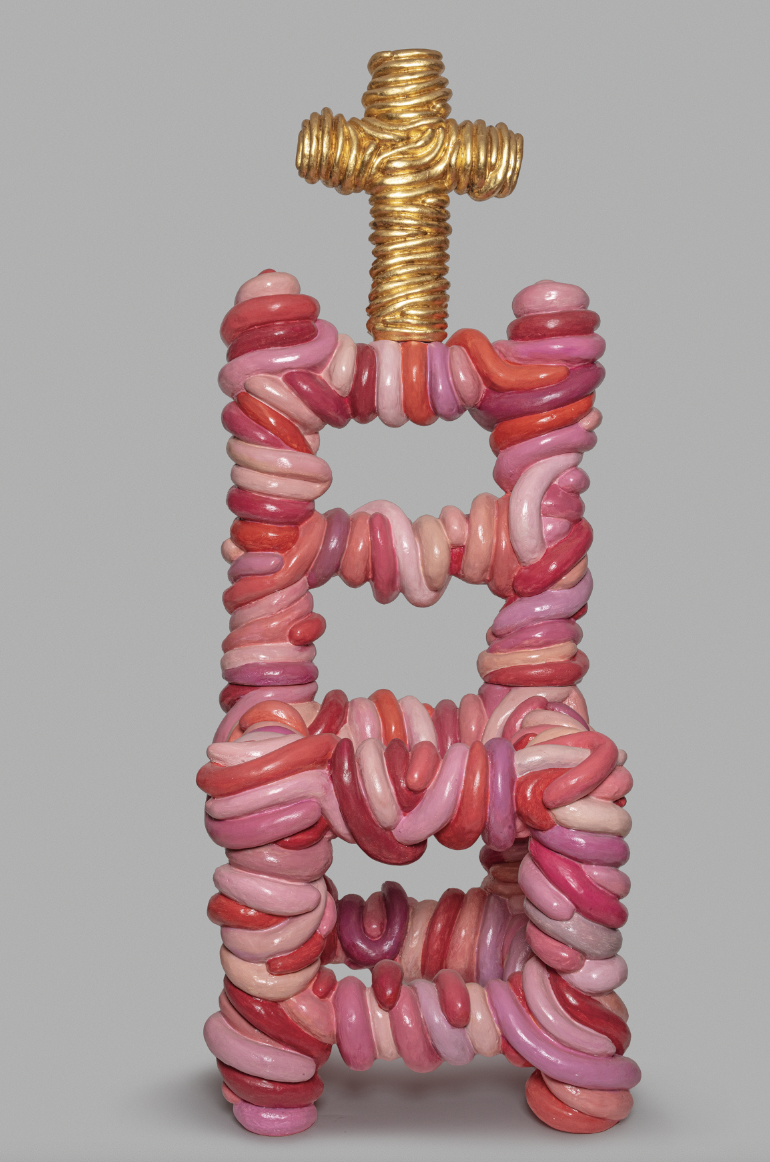
Work by Antoni Marquès.
The selection that arrives in Bogotá is based on a fundamental criterion: all the works have been made in Catalonia and their creators have needed, at some point in their career or throughout their entire production, to resort to artisanal techniques. The mastery of the craft, therefore, does not appear as an ornamental element, but as a substantial part of the construction of the work itself. These are practices in which matter, time, manual precision and technical knowledge coexist with conceptual processes and contemporary forms of creation.
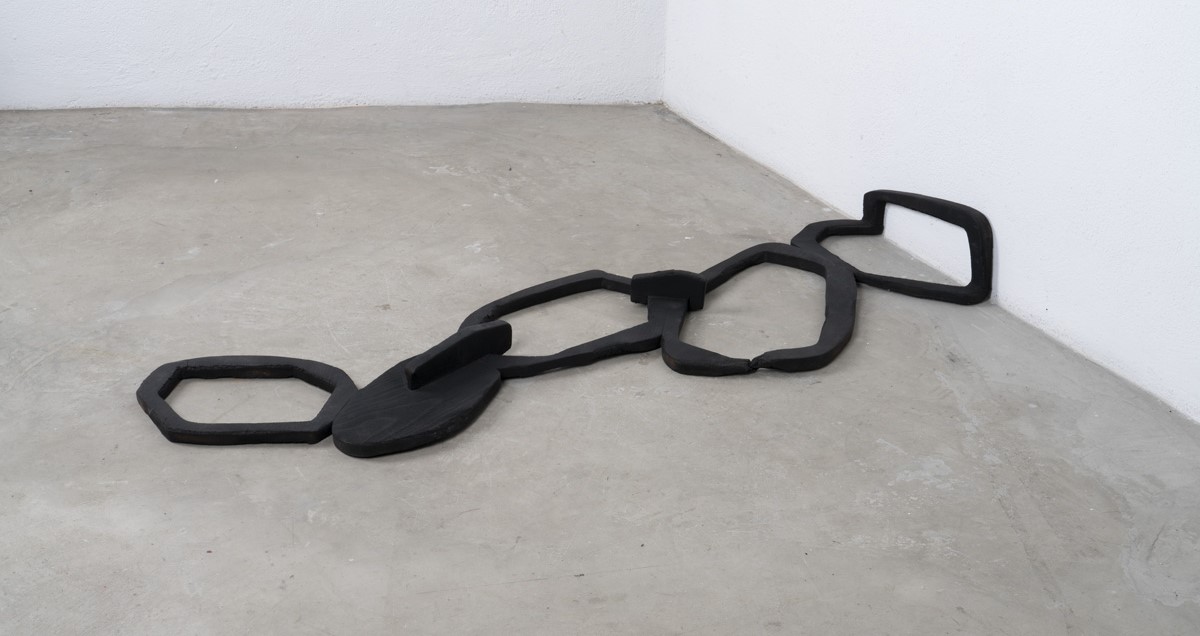
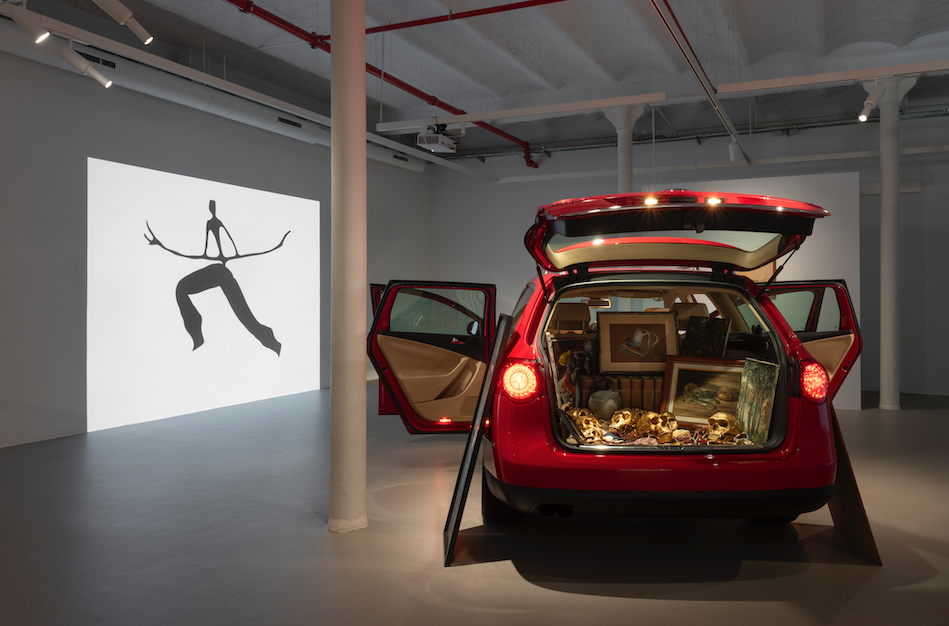
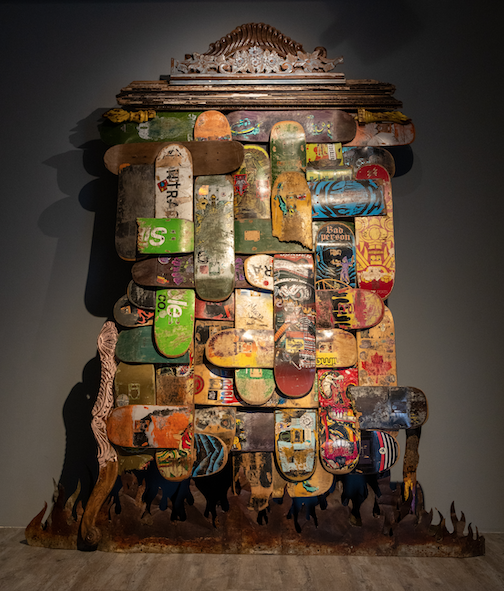
In Bogotá, you can see The Noise of Silence , by Antoni Maria Marquès; Encantada , by Eva Mazana Cifuentes; Bestiari , by Francesc Ruiz Abad; Rings II , by Francesca Piñol Torrent; In Yesterday , by Ivan Martinez Forcadell; History of Art Without a Place , by Jesús Galdón Martínez; Leaden Glass , from the Piques series, by Madola; Respiració de l'Univers , by Mònica Campdepadrós Pérez; Sedimentos Tèxtils , by Olga Solà; LAX-2 , by RibasFrosum, and Sacral Nature Lamp , by VAYREDA BASSOLS CASABO Y CIA SL.
The diversity of this set precisely allows us to understand contemporary craftsmanship as a plural practice. Ceramics, textiles, objects, sculptures, light, matter and processes linked to the craft appear here far removed from a strictly heritage conception. The works raise, from very different languages, the same fundamental question: what happens when knowledge linked to craftsmanship comes into contact with the forms of thought and production of contemporary art?
This question takes on a particularly significant dimension in the 21st century, when the recovery of crafts coexists with accelerated technological transformation. Craftsmanship can no longer be understood only as a nostalgic look towards the past. On the contrary, it can act as a space of resistance, but also of innovation, where the knowledge accumulated over generations dialogues with new materials, tools and technologies.
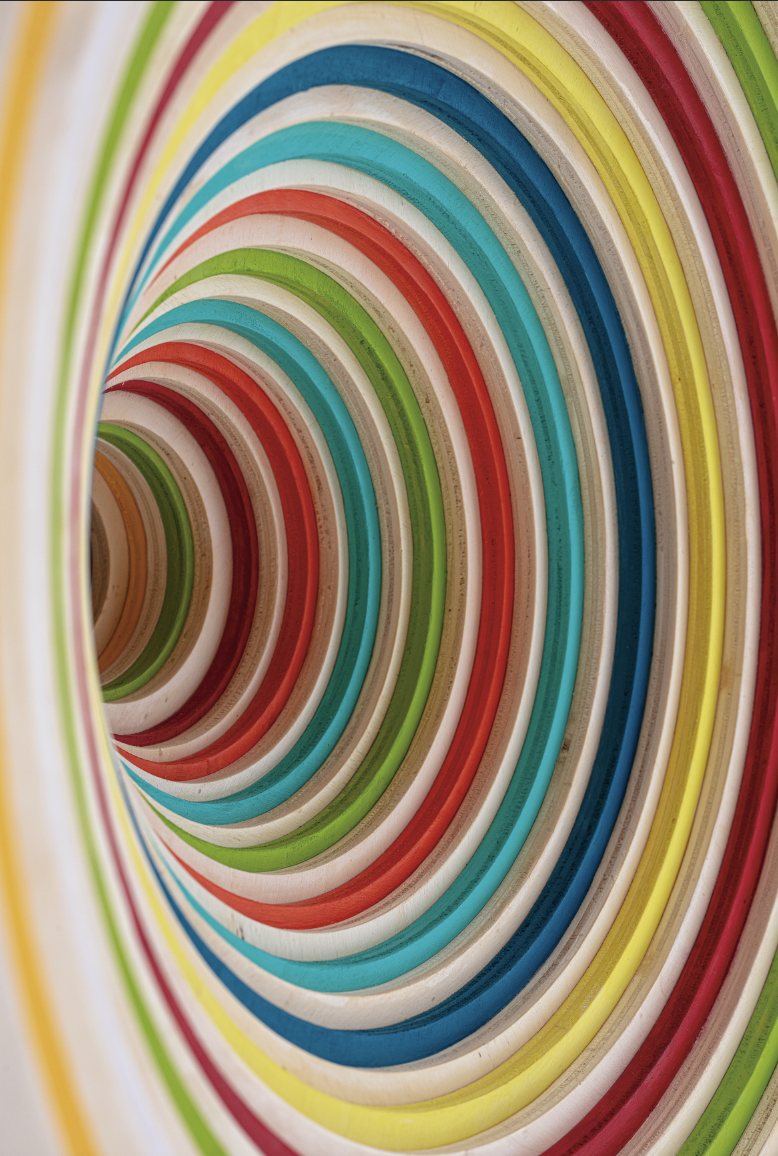
Work by Mònica Campdepadrós.
"Current (art)esania is not just the prefigured image that we have in our collective imagination, codified from antiquity to the 18th century. Human disruptions have been modifying its perception, but the Industrial Revolution disrupted everything. Despite this, the prestige of artisanal creation - the remoteness of Tofici, the echo of the material worked with hands - has survived to this day. Today, the return to (art)esania crafts reveals a drive for humanity, for materials that breathe nature, for crafts that root us in time and place. in identity and identities.
But the 21st century has added a new vector. radically disruptive: technology. A 3D ceramic printer seen at a fair is not just a technical curiosity, but a symbol. The (art) world is expanding and questioning itself in the face of the machine, in the face of speed and digital mutation. This is one of the essential axes of our time. The other is the constant dialogue, always latent, between Art and Crafts with the same horizon: transcending the functional and opening the door to Creation, to Creativity and to Art in capital letters", writes Ricard Planas Camps.
It is in this territory of tension between tradition and transformation that Visions of Catalonia Crafting Art finds its meaning. The proposal does not simply seek to present a representative sample of the craftsmanship produced there outside Catalonia, but rather to demonstrate the extent to which the craft continues to be a tool for thought. The hand that works the material, the technical knowledge and the memory of the processes thus become elements that can generate contemporary discourses and open up new creative paths.
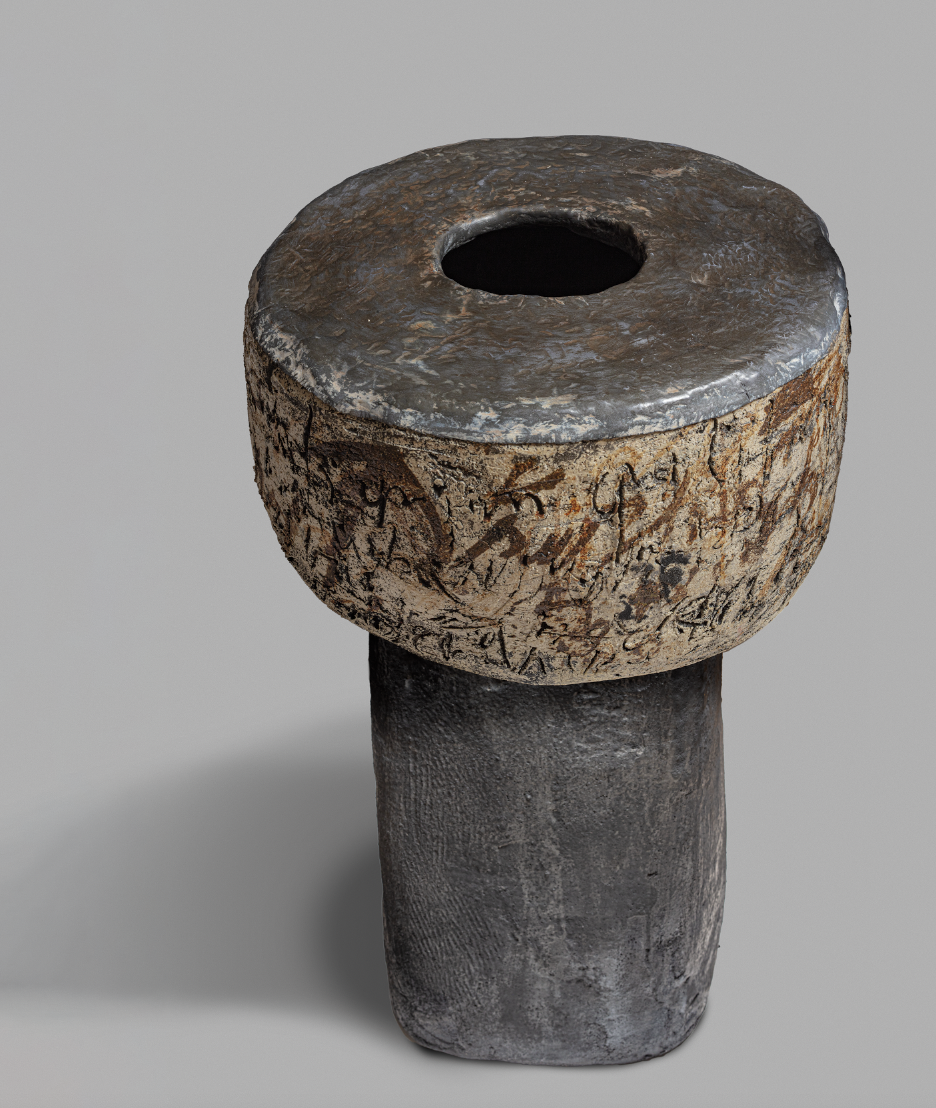
Madola's work.
The presence at ARTBO also reinforces the international dimension of the project. Bogotá becomes a meeting place for creators, institutions, collectors, professionals and diverse audiences, and allows these Catalan practices to be placed within an international context in which the boundaries between disciplines are increasingly permeable. Craftsmanship ceases to be a peripheral territory with respect to art to occupy its own space within discussions on materiality, sustainability, technology, identity and creative processes.
The participation of Visions of Catalonia Crafting Art also falls within a particularly significant week for Catalan culture in Bogotá. In parallel with the project's presence at ARTBO, Bonart will present issue 3 of its international edition, thus consolidating the magazine's desire to expand its circulation spaces and generate new links between Catalonia and the Latin American cultural scene.
The presentation of Bonart internacional in Bogotá is part of this same desire to build bridges. Magazine and project share, from different perspectives, a look at Catalan culture understood as a space open to dialogue, internationalization and the incorporation of new stories. In this context, contemporary crafts appear as one of the territories with the greatest capacity to question traditional categories and bring together heritage and contemporaneity, memory and innovation, machine and gesture.
You may be
interested
...