Exhibitions
War castle and refuge of Art
The Castle of Sant Ferran as a space of protection, memory and contemporary creation.
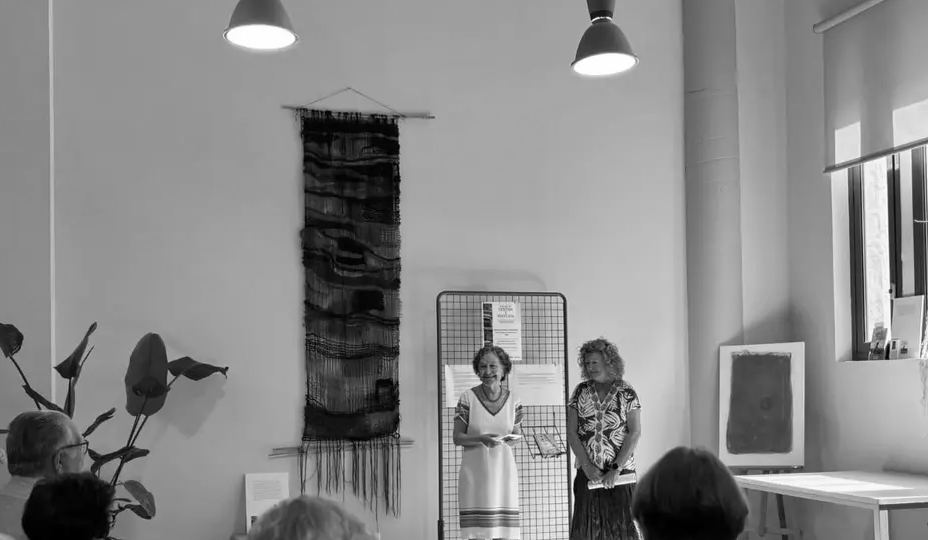
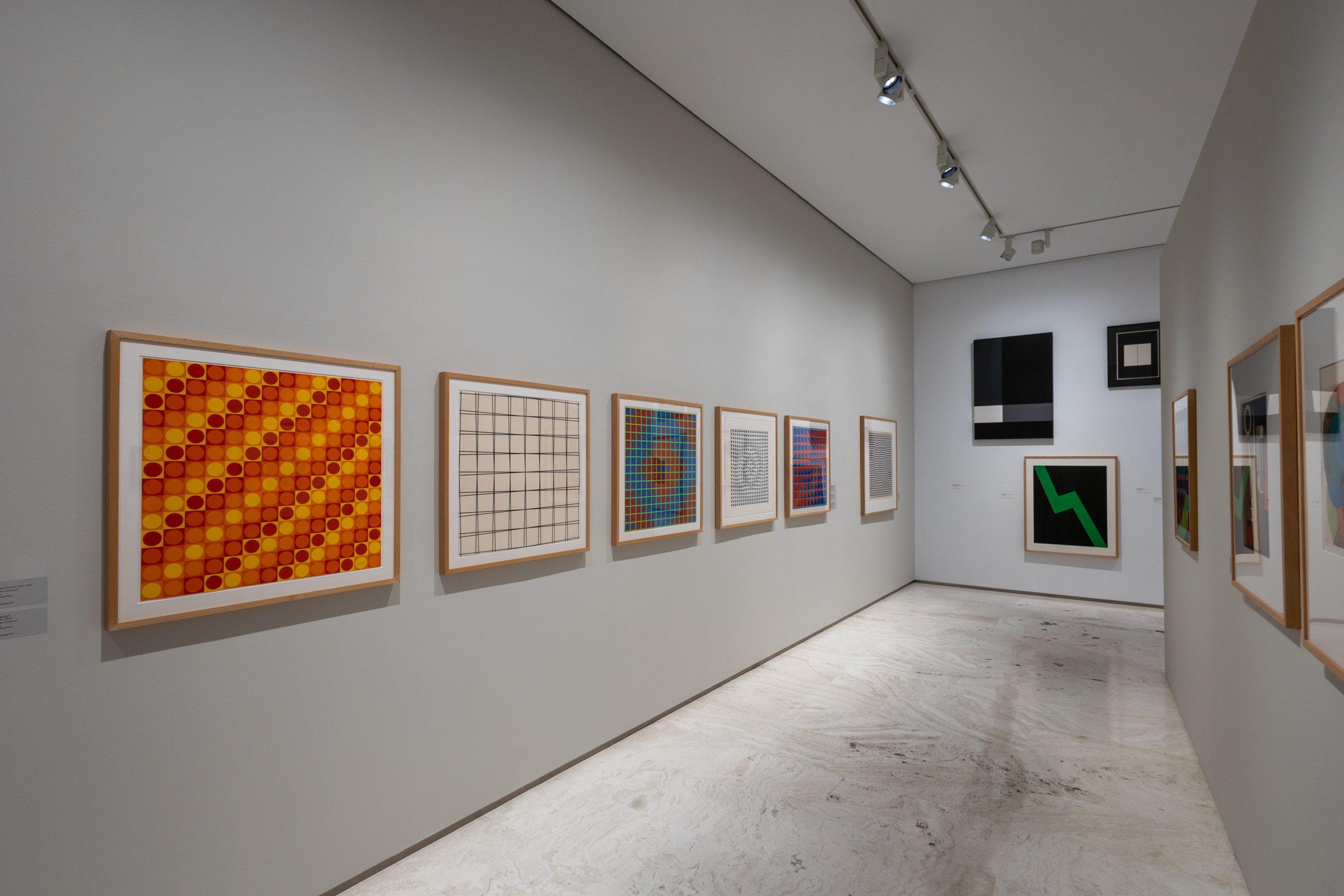
The refuge of the arts is an exhibition that we can visit in the unique space of the Castell de Sant Ferran, in Figueres, at scheduled times. It brings together nineteen artists from Girona, curated by Lola Ventós, and can be visited between the months of August and September. It is a new attempt to recover for cultural uses a space that was already a 'refuge of the arts' at the end of the Civil War, by hosting the valuable works brought from the Prado Museum, along with other treasures saved by the Republic. This was a premonition of its fate.
For this reason, I would like to suggest to the Figueres entities organizing the arts festival in Sant Ferran, 'Nits d'Art al Castell', to the City Council, the Provincial Council or the Consortium, and to the Friends of the Castle, that this war monument should become a bastion of the arts and point towards European culture, as shown by the triangle or arrow-shaped revells, placed at the head of the wall and directed towards the north.
The castle as a physical refuge
The choice of this place to make an exhibition on the concept of refuge is very wise. Everything here alludes to protection and combat. I have the feeling of finding myself in a privileged place, between a convent and a fortress, and where, with a little imagination, you can still hear the noises of a place prepared for war. A parade ground, barracks for thousands of soldiers, command buildings, food and gunpowder warehouses, stables, the complex geometric defensive shapes of the interior and the singular star-shaped perimeter. The diversity of uses is the main characteristic of this place of defense. The Castle of Sant Ferran is capable of housing in a single space the church, the prison, buildings for the military hierarchies, the powder magazine, the hospital and a complex system of underground cisterns to collect water that are so large that they allow navigation.
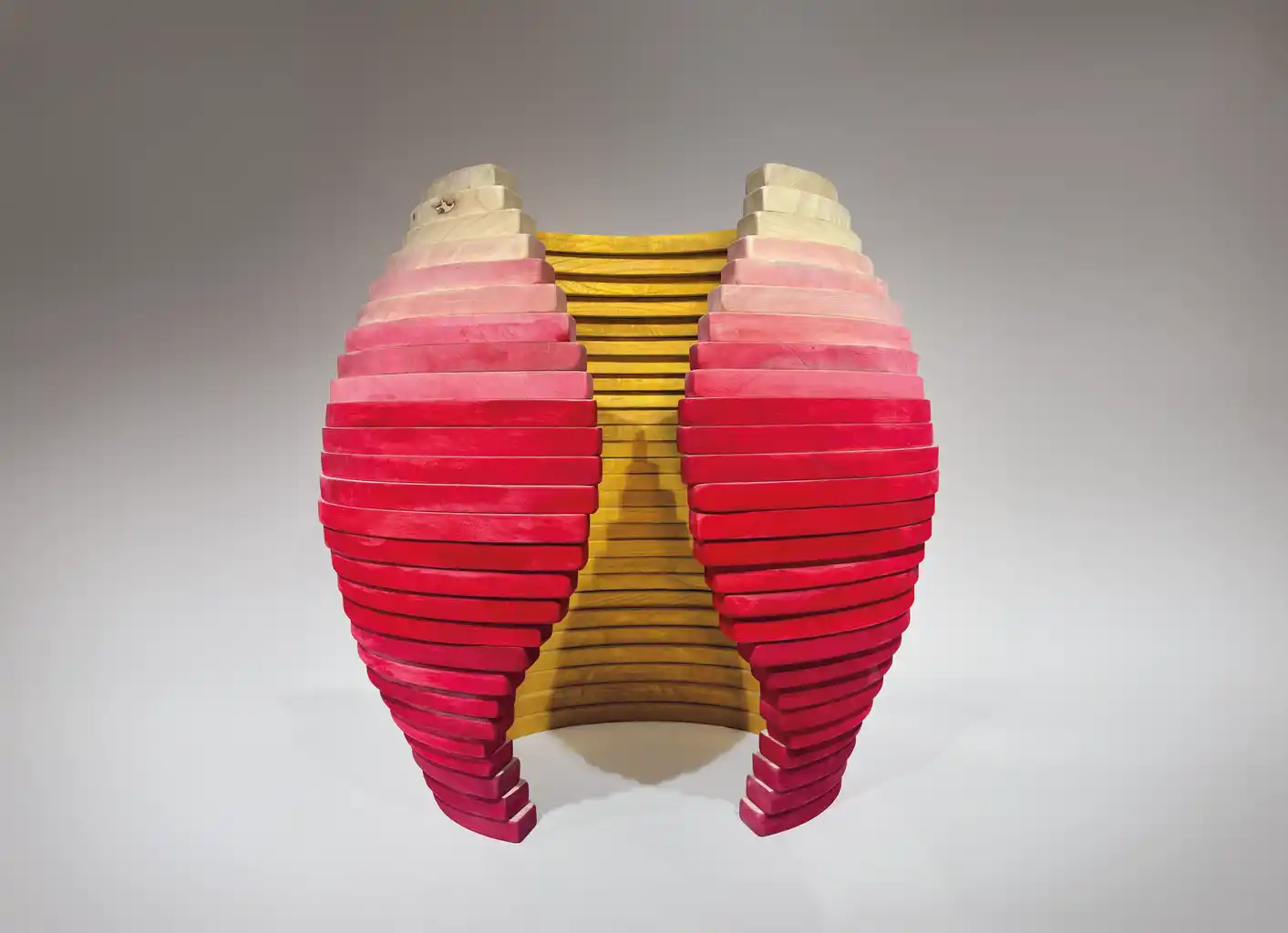
Work by Mònica Campdepedrós.
It is the largest pentagonal fortified castle in Europe. In one of its spaces we will find the "Martín Cermeño" room, named after the general engineer who built the castle. The room is large, with ten niches, a kind of small civilian chapels for military use, and an enormous central nave. This spiritualist sensation in a place of war is very curious and has led esoteric currents to interpret these pentagonal fortifications on both sides of the eastern Pyrenees as the conjunction of architecture and cosmic symbolism. The Inner Castle or the concept of the interiority of the soul inspired mystics since Saint Augustine. There is always a spatial structure from the entrance door, the various rooms for prayer and meditation; even, as in the military castle, there are water fountains.
The castle as an inner refuge
There is no concept closer to the cause of art than the idea of refuge. And I have expressed this on other occasions, especially in my book Art and Transformation , in which the term gives title to the second part.
The artists who exhibit here, like all contemporaries since Romanticism, are lucid beings who in a 'privileged' way capture the subtle signs of malaise, as stated at one point in Martin Scorsese's film about the genius from Minnesota: "Bob Dylan's poetry is born from a painful awareness of the tragedy that underlies the contemporary human condition."
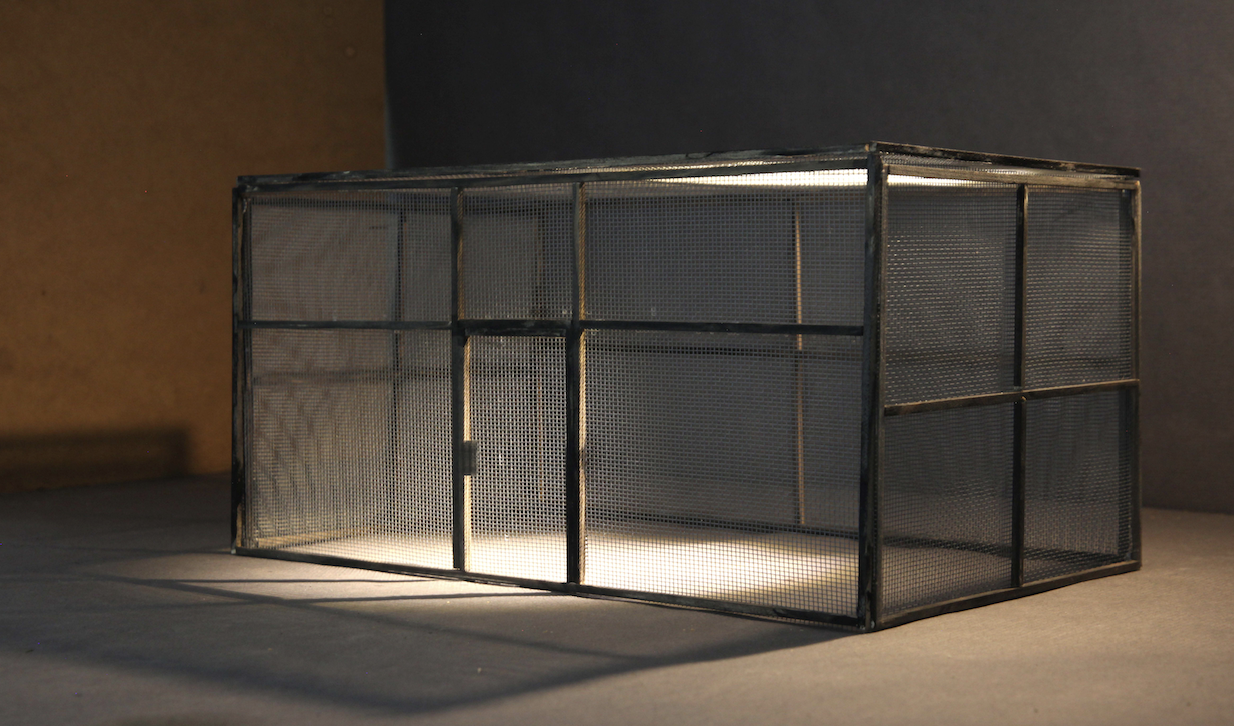
S. Dalí, the quote is obligatory for the place where we are, stated that painters reflect the cosmogony of their time. For this reason, the nineteen artists, now more than ever, capture the subtle molecules of suffering, pleasure, anxieties, and restlessness of everything that surrounds us today. Throughout the exhibition, this sensitivity towards pain that becomes form and the need for refuge appears is felt. One of the artists participating is Lluís Izquierdo-Mosso, who reflects on four image-refugees: a failed refuge, an artificial refuge, an illusory refuge, a forced refuge, and reminds us that, if there is refuge, it is because there is a threat that justifies it.
It is true because the artist always finds himself alone and perplexed in the face of the world, and that is why he considers accessing a resting area to regain hope, after the transit through the hell of creation. Through my critical writing, I have noticed that all the artists I have reviewed were looking for a few safe harbors where to anchor the boat of their work. Otherwise, they would be completely adrift.
The shelters are diverse
Perhaps in all of them the intention of taking refuge is none other than the achievement of rest, imperturbability and the happiness that comes from finding oneself in a safe harbor. In this sense, I am very interested in the texts of the artists participating in the exhibition and who have written to accompany their works. It is always necessary to hear the word of what one does. In the works and writings we find some of the fundamental refuges:
The refuge of the mythical-symbolic tradition : Carme Sanglas considers that art is, in itself, a refuge, a castle... a rest... to look and know where we are; Maria Mercader, through fragile and at the same time protective materials, tells us that these symbolic refuges of art are also guardians of the essence; Mònica Campdepedrós proposes the refuge as a vital tool, a repository of silence, matter and energy in the face of confusion and impotence; Tura Sanglas creates a protective sphere of thorns as a small inaccessible refuge.
Others opt for the refuge in the object , like Antonio Federico: his still object is the refuge from which we must distill the essence of art; Joan Caselles, with a strong presence of firm materials, has made a representation of the primordial earth; Joan Vilajoana also believes that the refuge is as important as the path to get there with a lot of effort.
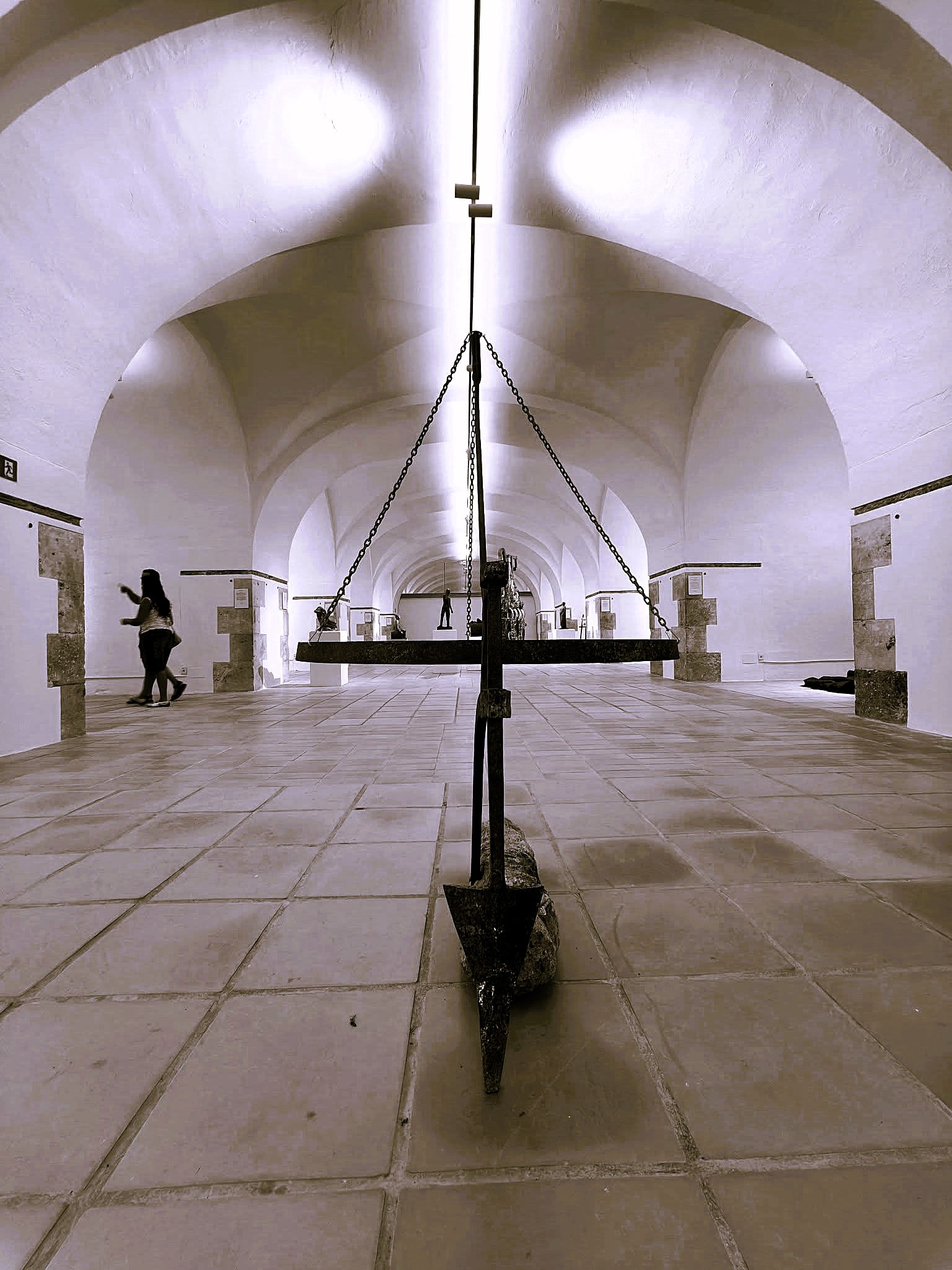
Work by Joan Casellas.
In keeping with the era of the map and cartographies, we find the archive and classification , such as Mercè Riba and Dani Torrent, who make historical memory and focus on the Sant Ferran Castle itself as the last refuge of the republican heritage before exile.
The body and nature are present in the works of Mel Moliner, who emphasizes the intimate character of the inner refuge, silent, welcoming and protective, with suffering figures; Eudald de Joana assures that we all need an inner refuge to marvel at the immense; Antonio Nicolás, who is a space of illusion and disillusionment in an environment of conflict; Josep Ministral has made a self-portrait and two visions, one eye that observes, the other that transforms; Joanjo Bosk speaks to the other and assures us that there is no lethargy without refuge; Juliette Murphy, in keeping with the times, makes an allegory of the continuous challenge of women as a fortress, seeking a safe space in the face of the aggression of our environment.
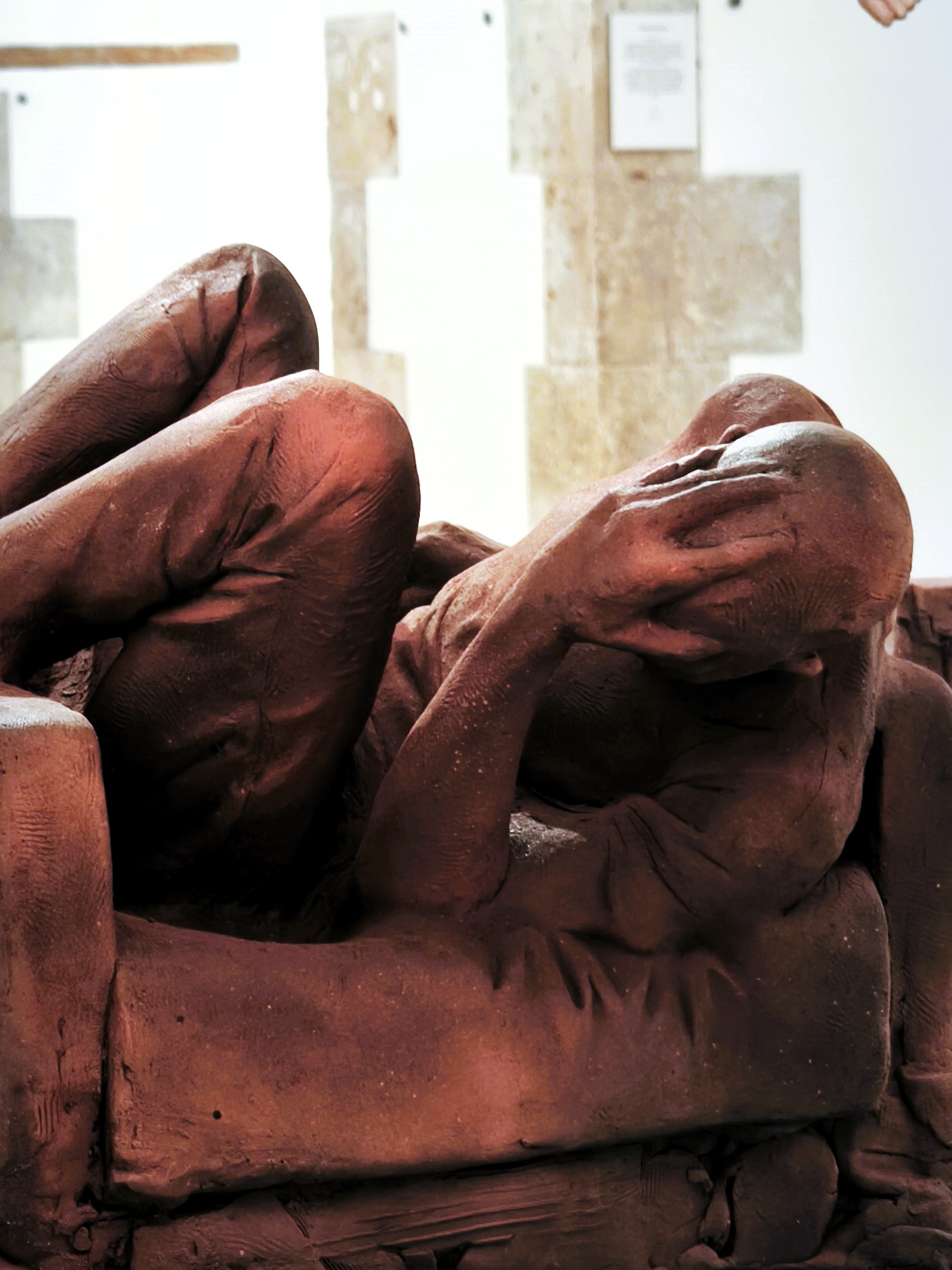
Work by Mel Moliner.
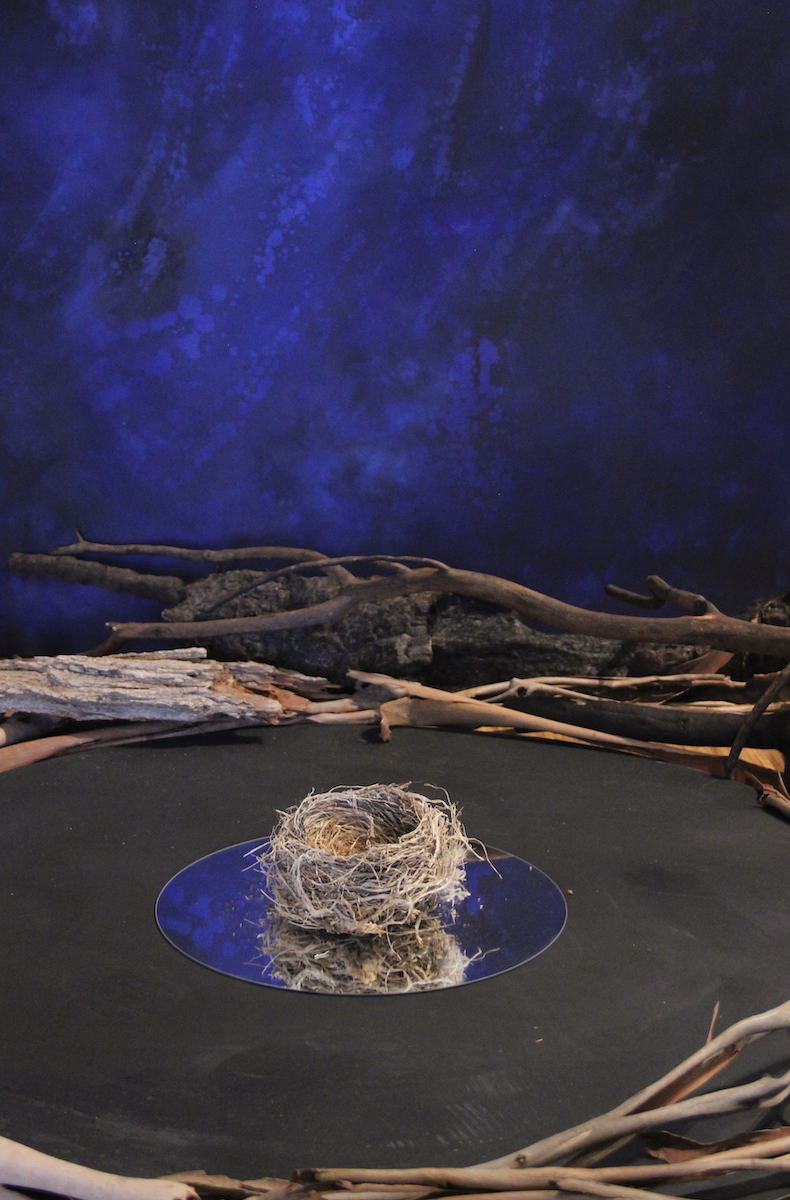
Nature , for Assumpció Mateu, is also the existential refuge, the inner space, a nest where identity is preserved, in silence.
Xavier Escribá i Brume's formalism conceptualizes the refuge as a universal "heterotopia", a place where one could escape death.
Having listened to the artists' voices, we could conclude that there is a common structure in their ideas. We find in these texts a genuine program where refuge is presented to us through conceptual archetypes.
An interior and intimate space
We must conclude that the refuge is an interior, intimate space. That it has an important part of personal and spiritual experience. That in it everything is silence, recollection. Marveled at the world, interior recollection allows us to paradoxically open ourselves to what is immense, unapproachable.
Protection
Refuge exists as a response to a threatening world, a conflict or an aggression, even as a response to death. For some, art is a refuge that preserves, protects or allows access to something that is essential, allows distilling or guarding the essence. It also takes care of the historical and documentary and patrimonial preservation of Memory.
Identity and transformation
The refuge is the place where identity is developed and is related to the conservation, observation or transformation of the self. From this lair of the self we can look, observe and understand the world. This self that observes from identity does not only seek protection, but above all aspires to transformation based on perception or experience.
Territory and path
Earth and matter appear as places of rooting and refuge. The idea of effort as a path is unique; consequently, refuge is not just a place: the process of achieving it also matters.
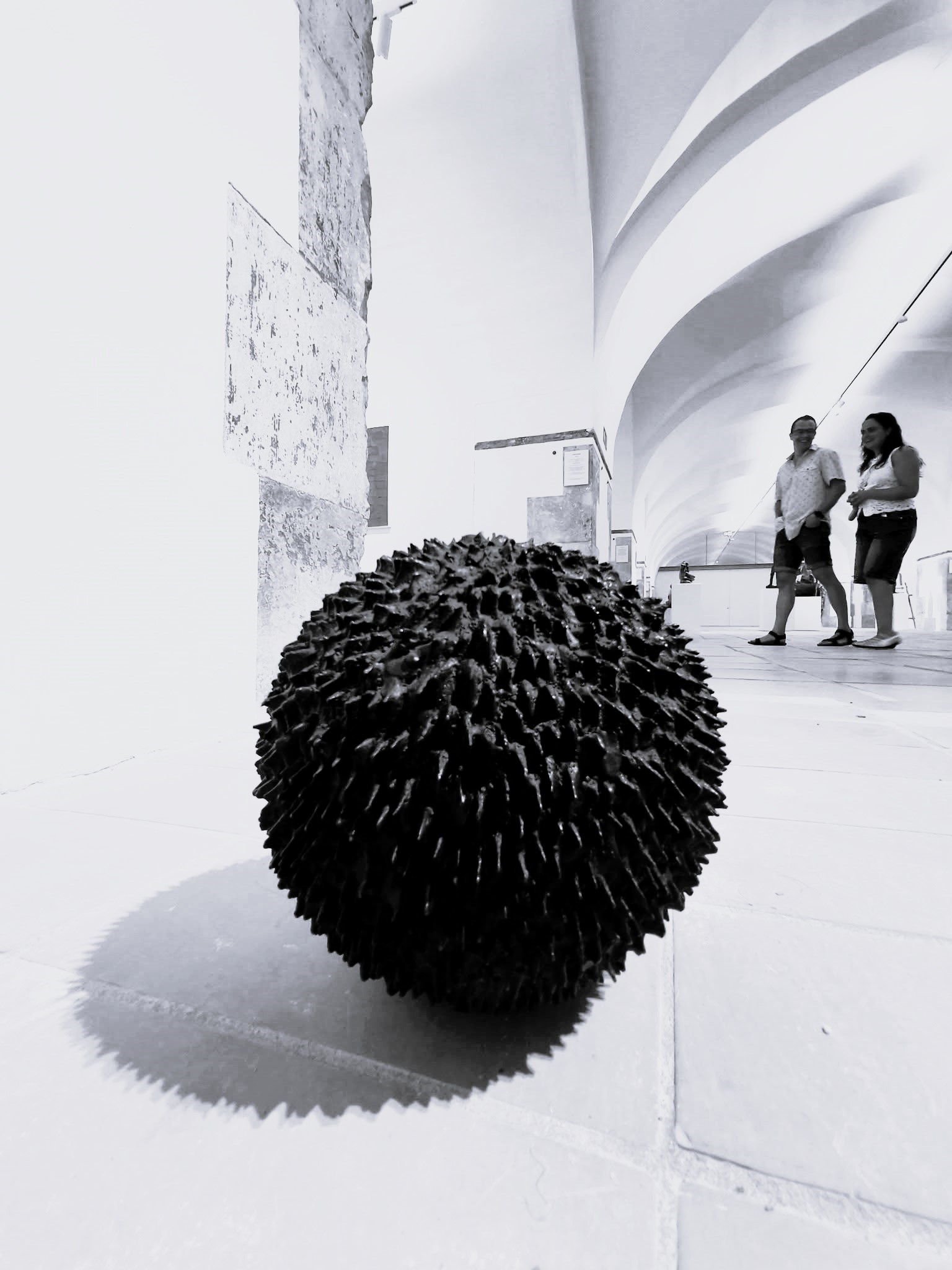
Work by Tura Sanglas.
The refuge as heterotopia
The refuge as an alternative space to ordinary reality. Illusion and evasion, this is how the complex concept of "heterotopia" arises. An other space, understood as "another place", separated from everyday reality. Life and death: the refuge as a vital instrument and, in the extreme formulation, an attempt to escape death.
The castle functions literally and metaphorically as a protective space. Obviously, the refuge is considered as a castle or fortress with a strong, defensive or inaccessible structure. The tandem fragility versus protection is given by the paradox that, the more vulnerability, the more defense.
The Castle of Sant Ferran thus becomes, with this exhibition, an emblem of the diversity of meanings of refuge, because, given its peculiar construction as a fortress, it can accommodate the diversity of proposals that we have seen and constitute itself as a great and true refuge for the arts and thought.

You may be
interested
...