Exhibitions
Zanele Muholi takes her visual struggle to Rio de Janeiro
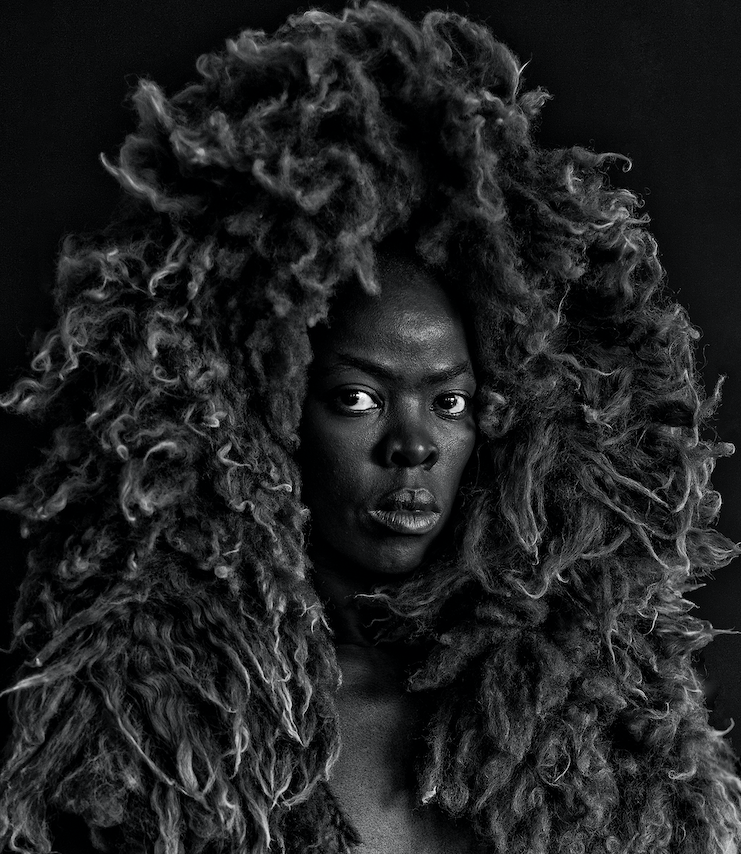
The Museu de Arte do Rio is hosting Beleza Valente , a solo exhibition by Zanele Muholi, until November 29, 2026. The exhibition brings together more than one hundred works created between 2002 and the present. Originally presented by the Instituto Moreira Salles in São Paulo, the show now begins its tour in Rio de Janeiro, offering a comprehensive overview of the career of an artist whose practice inextricably links creation, activism, and advocacy for the rights of the Black LGBTQIAPN+ community.
Curated by Daniele Queiroz, Thyago Nogueira, and Ana Paula Vitorio, the exhibition brings together photographs and videos that offer insight into the different stages of Muholi's production. Among the featured series are Faces and Phases , Somnyama Ngonyama , and Brave Beauties , projects that have made her work one of the most important visual testimonies to the identity, representation, and resistance of Black LGBTQIAPN+ communities in South Africa and beyond.
"I use photography to confront and heal, that's why I call myself a visual activist," says Muholi, a statement that sums up a career in which the boundaries between art and politics remain deliberately blurred.
The exhibition also includes previously unseen works created in Brazil in 2024, during the artist's stay in São Paulo for the ZUM Festival, organized by the photography magazine of the Moreira Salles Institute. During that visit, Muholi connected with various LGBTQIAPN+ organizations and institutions, establishing links between the history of the struggle for rights in South Africa and the experiences within the Brazilian context.
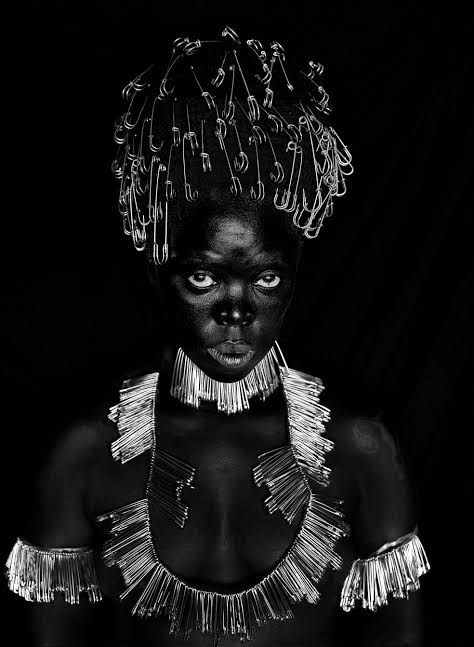
Born in 1972 in Umlazi, Durban, during the apartheid regime, Muholi grew up in a country marked by racial segregation and institutional violence. Although the end of apartheid and the new South African Constitution of 1996, promoted during Nelson Mandela's presidency, brought significant progress and prohibited racial, sexual, and gender discrimination, racism, prejudice, and hate crimes continued to be part of everyday life.
In this context, Muholi trained in photography and began by creating documentary work that denounced episodes of violence against LGBTQIAPN+ people. From 2004 onwards, her work began to gain greater visibility in South Africa, and gradually her practice evolved from documentary photography towards portraiture and self-portraiture.
This shift allowed the artist to build an extensive visual archive intended to challenge traditional representations and subvert narratives inherited from the colonial gaze. Her images reclaim the presence, identity, and dignity of people who for decades have remained outside the dominant narratives.
The exhibition's title, Brave Beauty , itself points to one of the fundamental ideas in her work: beauty as a tool of resistance and affirmation in the face of violence perpetrated against Black LGBTQIAPN+ people. In her photographs, the everyday and the communal take on an extraordinary dimension, while bodies and identities become spaces of freedom.
The curatorial proposal also underscores the gendered dimension of her work. Identified as non-binary, Muholi creates images that challenge rigid categories of masculine and feminine and explore alternative ways of understanding identity, representation, and desire. Her photography thus champions fluidity and freedom while transforming artistic creation into a tool for demanding justice, recognition, and dignity.
The exhibition opened on June 12 with Muholi in attendance, coinciding with a seminar dedicated to LGBTQI+ culture in the visual arts. With its arrival in Rio de Janeiro, Brave Beauty expands the scope of a retrospective that not only reviews an artistic career but also presents photography as a space for memory, resistance, and social transformation.
You may be
interested
...