Exhibitions
Slime, slime, mud and mud
Subject matter in transformation and pedagogies of uncertainty in the Bòlit Mentor 2025–2026.
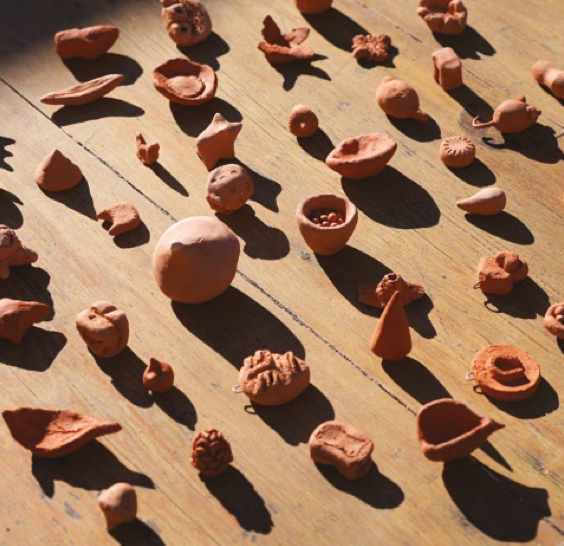
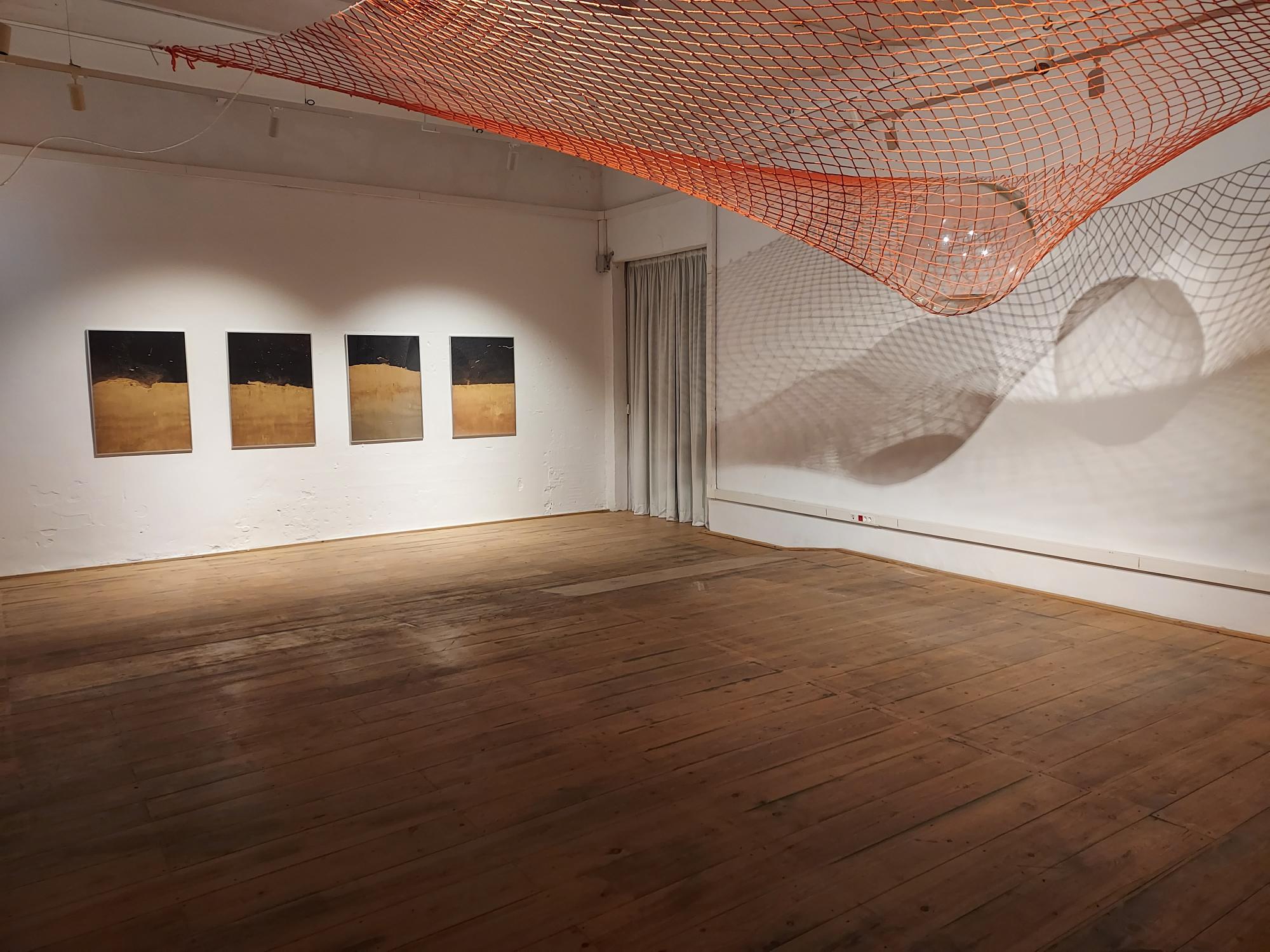
The Carbonera and the Cisterna of the Girona History Museum are hosting Bòlit Mentor 2025–2026 from May 29 to June 21, an exhibition project that understands matter not as a stable support, but as a living organism in constant mutation. The proposals by Neus Frigola Bagué, Agustín Ortiz Herrera and Martina Rogers, under the curatorship of Núria Nia, are part of a radically processual conception of art: here, the work never ends.
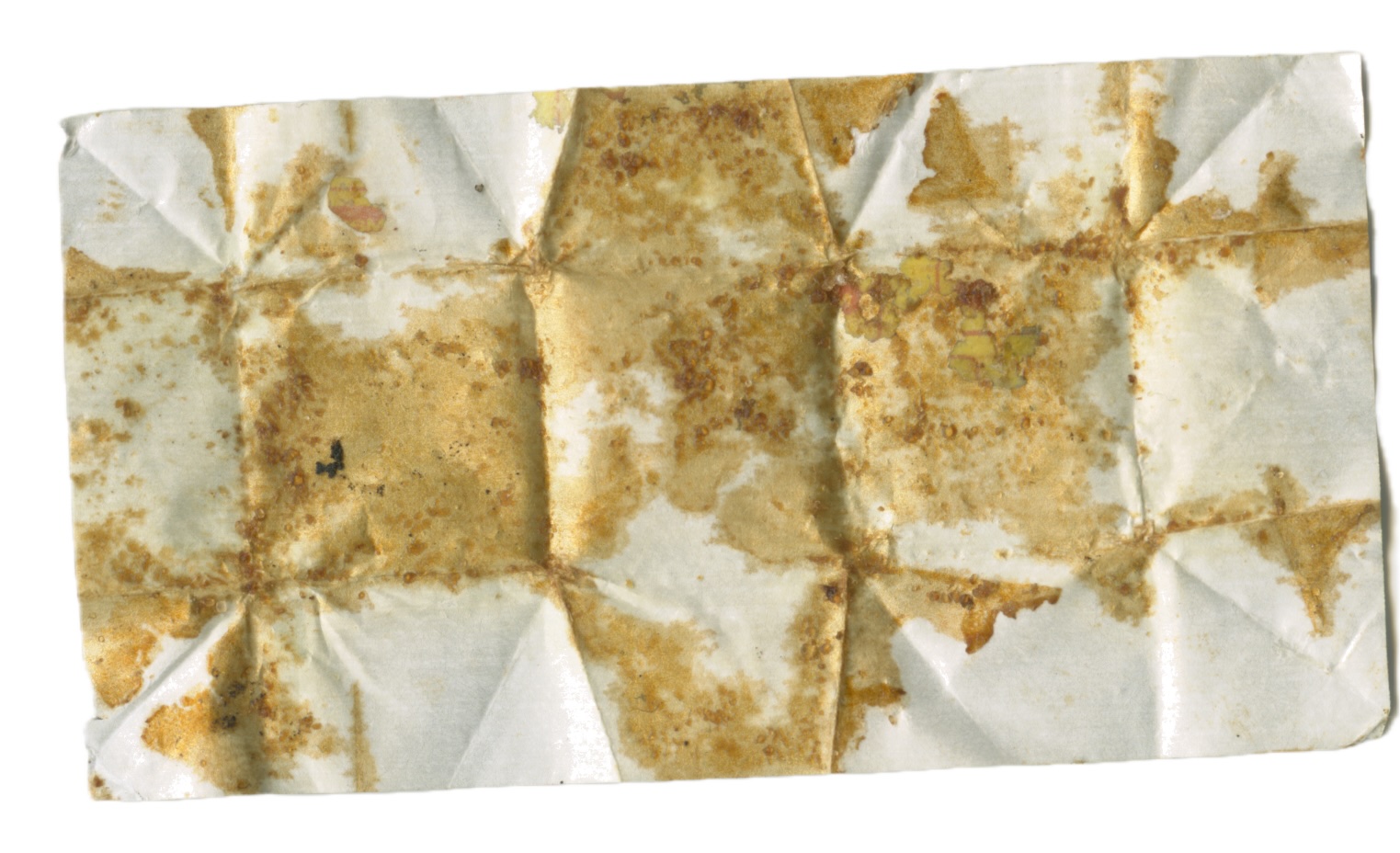
In this exhibition ecosystem, climate, humidity, sunlight or human presence are not external conditions, but active agents of creation. Decomposition, footprints, microbial growth and traces of degradation are an integral part of the pieces, which are transformed day by day. The exhibition thus becomes a porous organism, where the boundary between work and environment progressively dissolves.
A second fundamental shift redefines the role of the public: the visitor ceases to be a spectator and becomes a constitutive part of the artistic process. The multiple and changing sensory perception generates open readings of pieces that reflect an unstable world, crossed by ecological, social and emotional tensions.
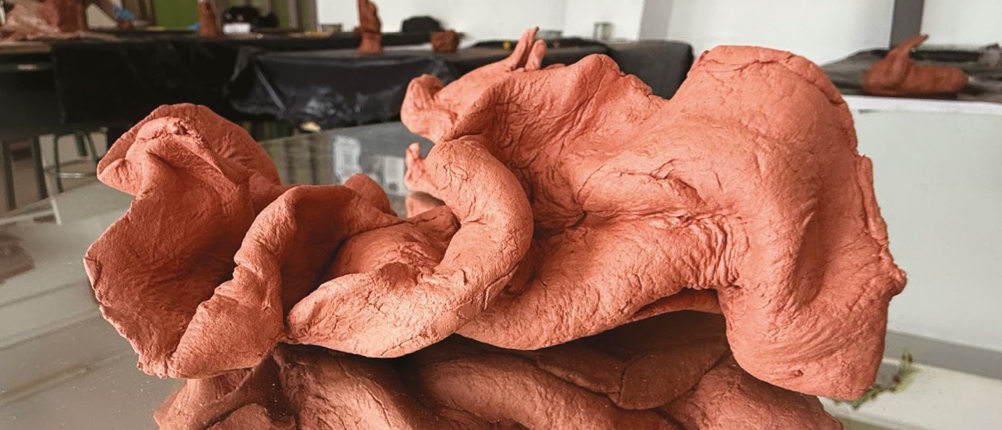
The project is based on a conscious adaptation to the environment and the spaces that host it. The Carbonera and the Cisterna do not function as simple containers, but as active structures that intervene in the transformation of the works. This dialogue between architecture and matter reinforces the central idea of the project: everything is change, everything is relationship.
Within this framework, each artist develops a specific pedagogical and creative process with educational centers in Girona and Banyoles. Martina Rogers Manzano works with artistic high school students from the Josep Brugulat Institute in Banyoles based on direct contact with mud, sensory observation —even with eyes closed— and the collection of soil from the immediate surroundings of the institute. From this process emerge personal amulets and audiovisual pieces of animation that claim nature as the raw material for creation.
For his part, Agustín Ortiz Herrera invites the volume students of the Santiago Sobrequés i Vidal Institute in Girona to enter a hybrid space between biology, science fiction and artistic experimentation. The observation of mud becomes a tool to destabilize fixed categories such as gender, form or identity, generating installation and audiovisual processes that explore the mutability of knowledge and the body.
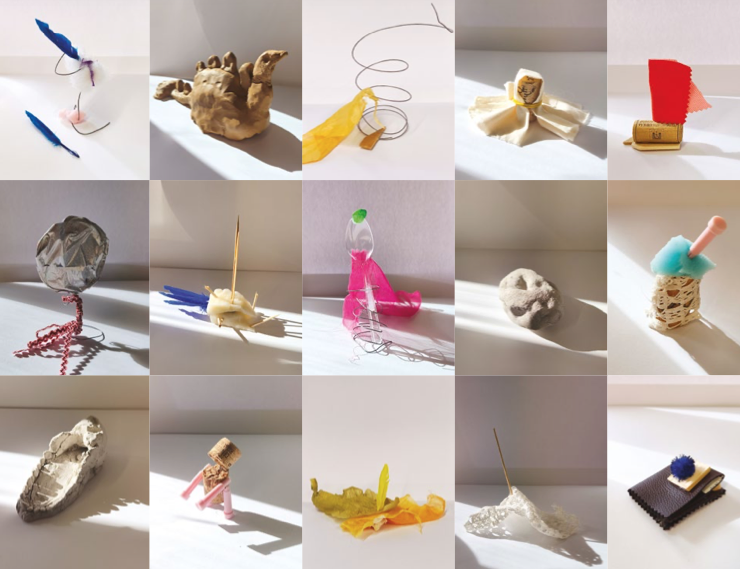
Neus Frigola Bagué develops a proposal focused on art as a space for emotional and relational support at the Institut Carles Rahola in Girona. Through the playground spaces and exploration sessions with 2nd year ESO students, dynamics of trust, listening and self-knowledge are created. The result is a set of diverse practices —sculpture, painting, drawing, photography— and a sensory table open to the public, which transfers the pedagogical experience to the exhibition space.
The three processes share the same ethics: listening, intuition and constant adaptation to the context. The methodologies are adjusted to the conditions of each environment, turning flexibility into a form of knowledge. This collective work would not be possible without the complicity of the teachers involved —Josep, Sònia and Enric—, key figures in the mediation between institution, students and artistic practice.
You may be
interested
...