Exhibitions
Miró and Gaudí. The duo that fuses nature, mysticism and matter in dialogue
The Diocesan Museum of Barcelona explores the spiritual and artistic connection between two geniuses of modern creation.
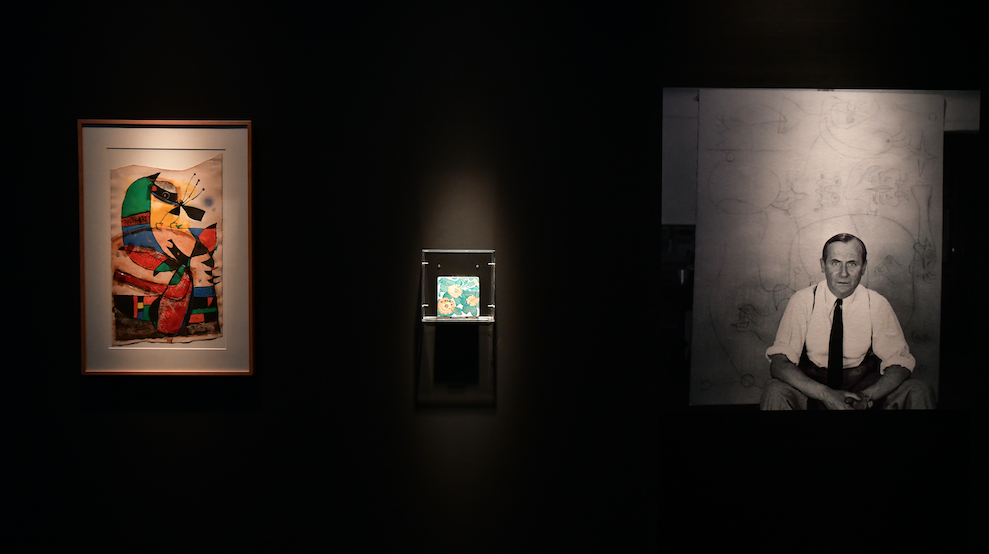
The Museu Diocesà de Barcelona presents a unique exhibition that, within the framework of the commemorations of the Gaudí Year —the centenary of which will be celebrated on June 10— proposes a profound reading of the relationship between Antoni Gaudí and Joan Miró. Under the title “Miró and Gaudí. Nature and Mysticism” , the exhibition puts into dialogue two creative universes that, despite belonging to different disciplines, converge in the same research: the connection between nature, spirituality and transcendence.
The exhibition focuses on the admiration that Miró felt from a young age for the modernist architect, whom he considered an essential reference. This bond is materialized especially in the 21 preparatory models of the Gaudí engraving series, conceived by Miró between 1975 and 1979. This set, made in his mature stage, is presented as a creative laboratory where the artist experiments with forms, textures and materials before the final composition.
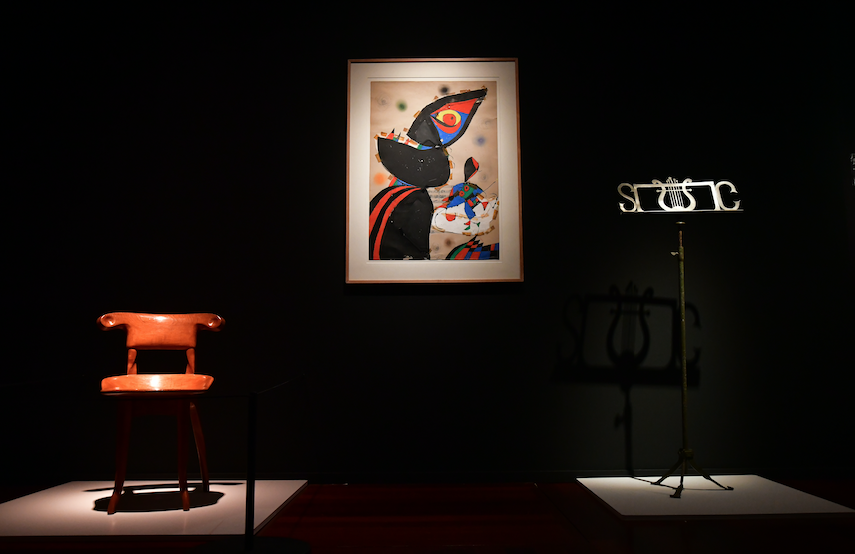
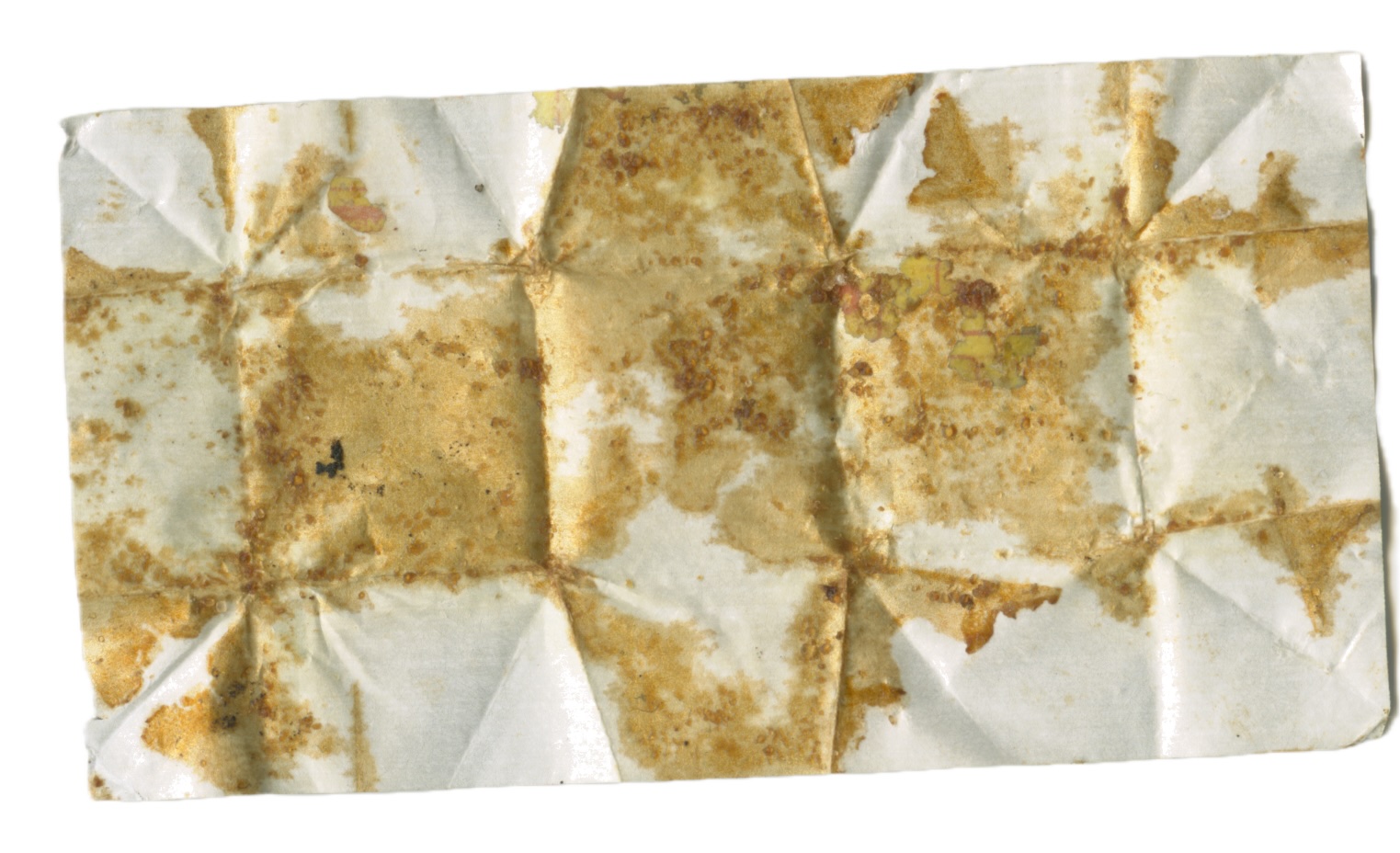
The pieces reveal an intense and free process, in which Miró combines collage, torn papers, newspaper clippings, gouache, pastel, ink, pencil, chalk and reused fragments. This technique, close to the spirit of Gaudí's ceramic and trencadís mosaics -especially those developed with the collaboration of Jujol-, becomes a language of its own that transforms matter into a symbolic universe full of stars, birds, moons, eyes and shapes in constant metamorphosis.
The dialogue between the two creators is also built on their vision of nature. For Gaudí, nature represents both order and chaos, an infinite structure that the architect tries to understand and order in harmony with the divine dimension. Miró, on the other hand, assumes this duality but moves away from the search for harmony: his intention is to reveal the hidden beauty of the world to free the gaze and imagination of the viewer.
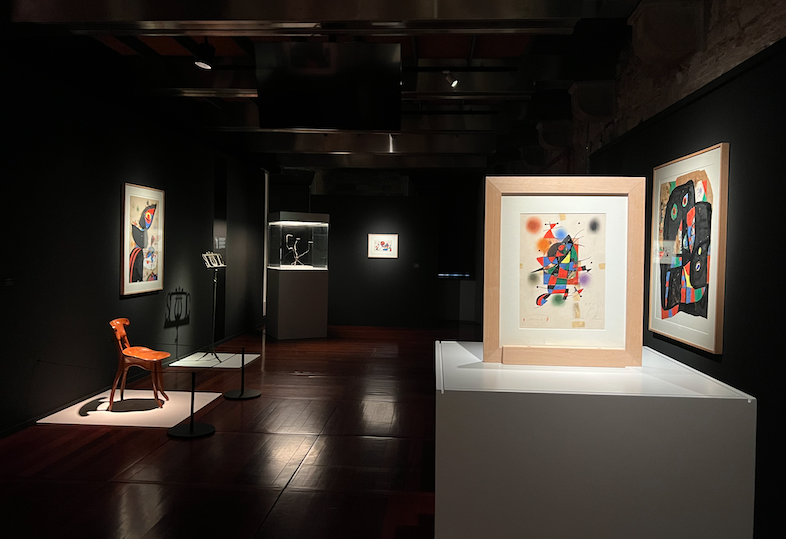
The exhibition also allows for a detailed look at Miró's compositional process, including rectifications and changes that reveal the internal construction of his work. This tour offers a privileged look at one of his last great creations, in which the process has as much value as the final result.
The dialogue with Gaudí is completed with a selection of original objects from his architectural and liturgical universe. Among the pieces on display are a chair linked to Casa Batlló, a liturgical bench from the parish of the Sagrat Cor in the Colònia Güell, a musical lectern from the Güell family and various elements of lobed glass, which reflect the ornamental and symbolic richness of his architectural language.

You may be
interested
...