Exhibitions
Palestinian memory resists through art at La Capella
What is erased cannot be erased proposes a journey through the geographies, wounds and testimonies of Palestinian visual creation. An exhibition that calls for a calm look at destruction and vindicates art as a space of resistance, transmission and collective memory.
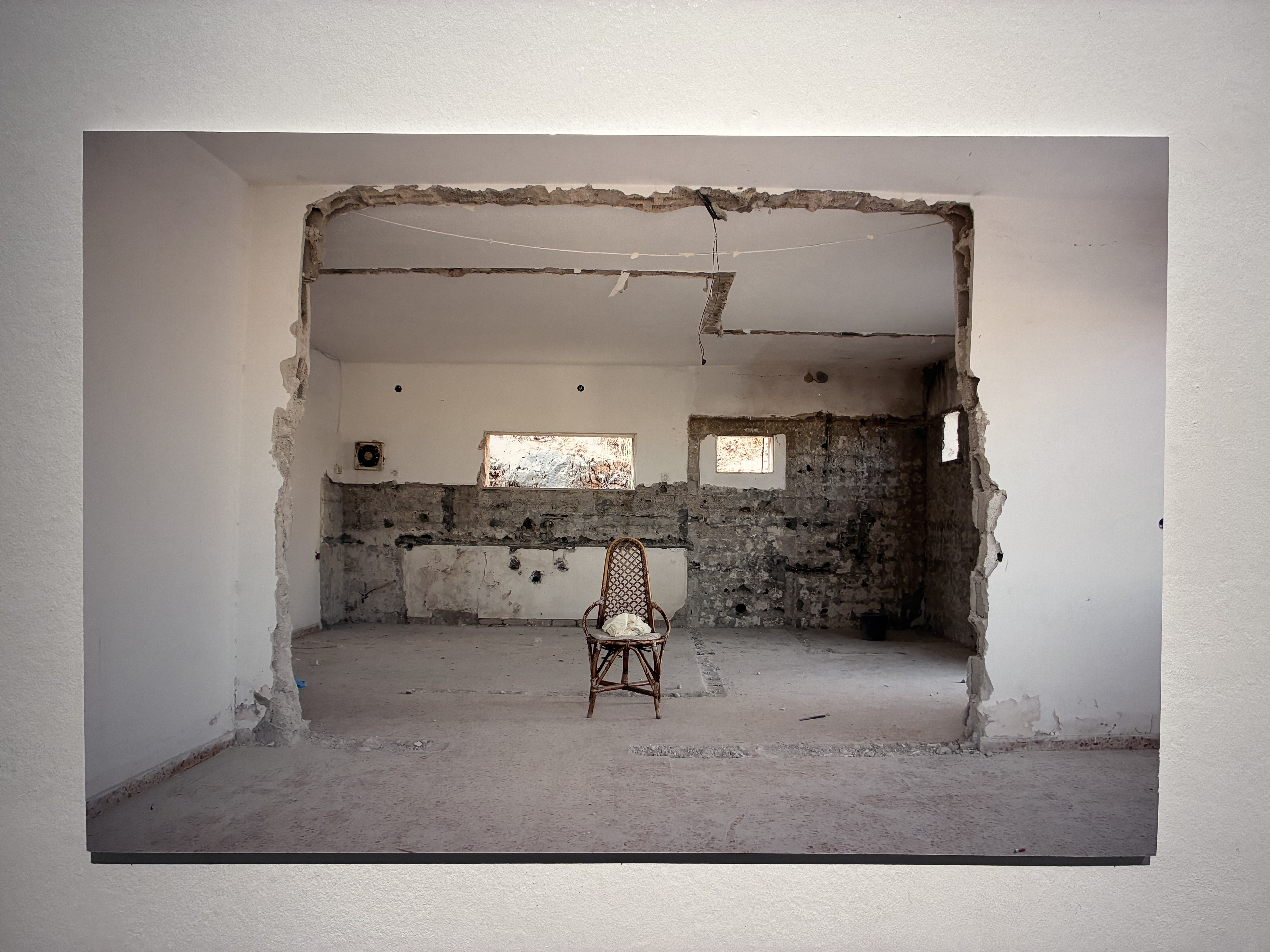
There are exhibitions that demand more than just a visit. They require time, silence and a special disposition to look. What is erased cannot be erased. The art of surviving in times of genocide , which is presented at La Capella, is one of these proposals that invite you to enter the works without rushing, to stop your gaze and to retrace the spaces to discover what may have gone unnoticed on a first approach. It is an exhibition that deserves to be visited before it closes its doors on December 8.
The exhibition approaches Palestinian visual art as a living ecosystem of memory, articulated around five interconnected pillars: Gaza, Jerusalem, the West Bank, the 1948 territories and exile. These are not independent geographies or isolated realities, but territories linked by the circulation of images, stories, artistic practices and shared memories. The rupture of one of these spaces has consequences for all the others, in a network of relationships that also defines the continuity of Palestinian culture and identity.
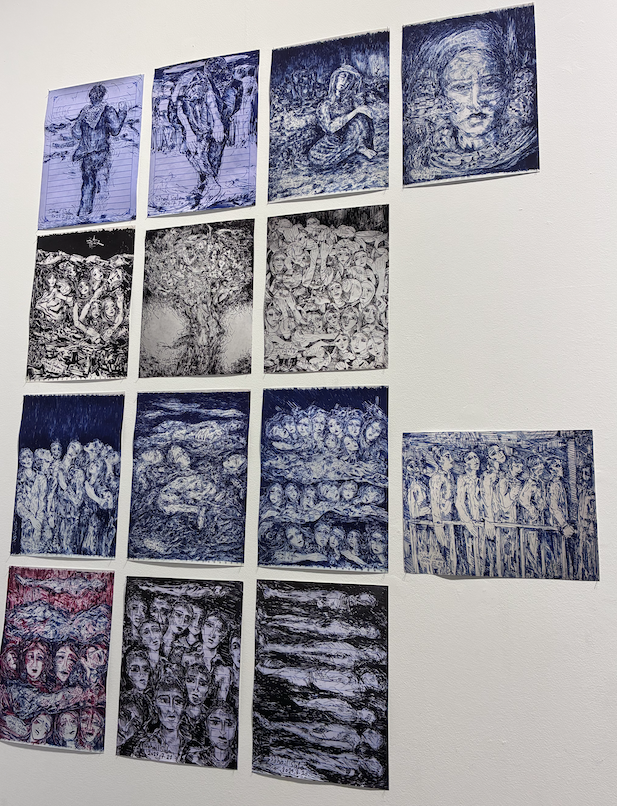
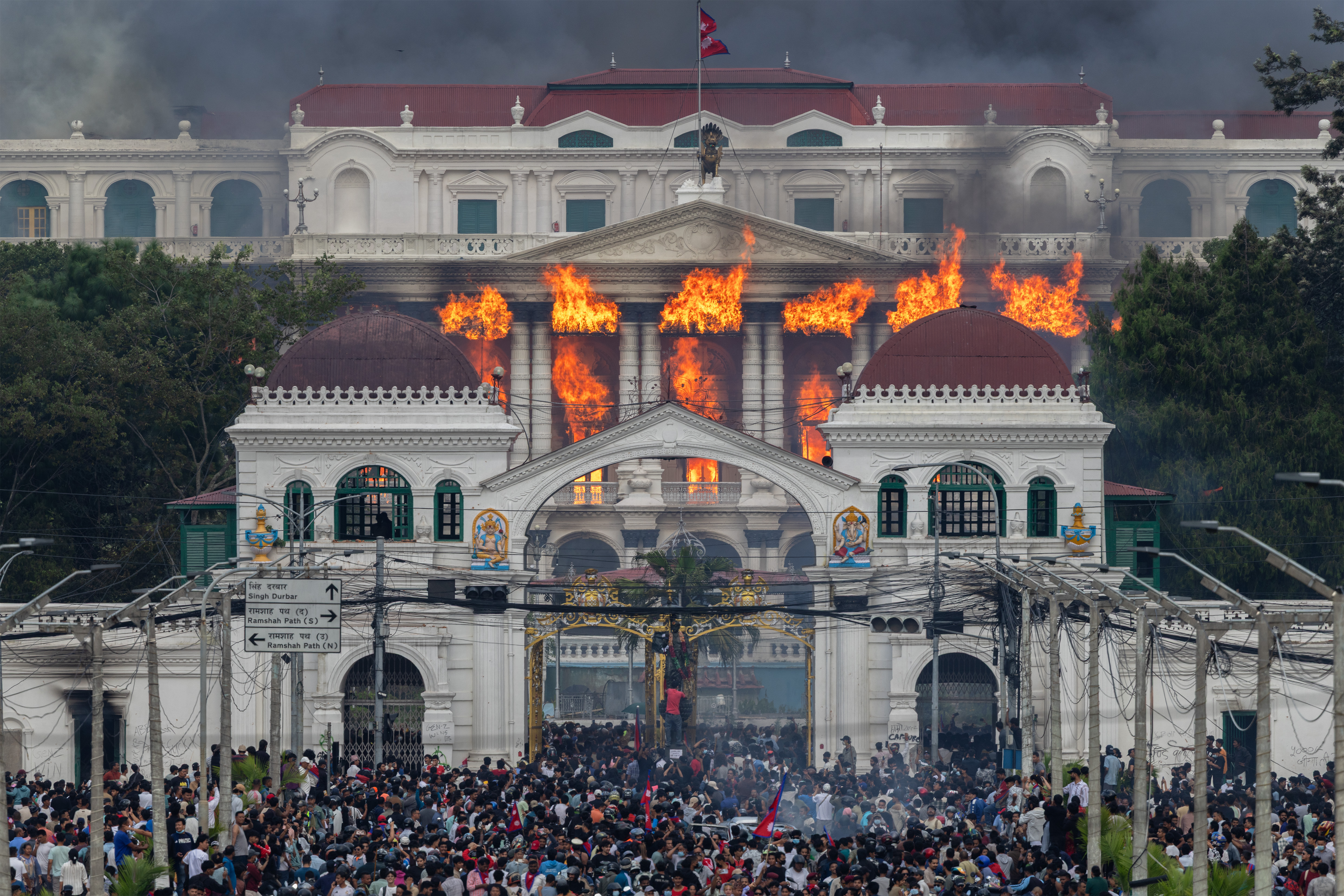
Sohail Salem, An SOS - Save Our Souls, 2024-2026.
Through painting, drawing, photography, video and installation, the participating artists construct a set of traces and testimonies that function as an informal archive. The works speak of displacement, loss and fragmentation, but also of the ability to keep a visual memory alive despite interruptions and violence. Art thus becomes a form of transmission that crosses generations and borders, preserving experiences that are often threatened by material destruction and the attempt to erase their testimonies.
The proposal does not seek to reconstruct what has disappeared or offer a totalizing representation of the devastation. Its purpose is to make visible the artistic practices that continue to be active in the midst of destruction and that allow us to remember, share and create. In this sense, the works are not only documents of a traumatic reality, but also spaces of resistance and cultural persistence. What is physically lost can continue to exist in the images, in the stories and in the forms of transmission that art keeps in circulation.
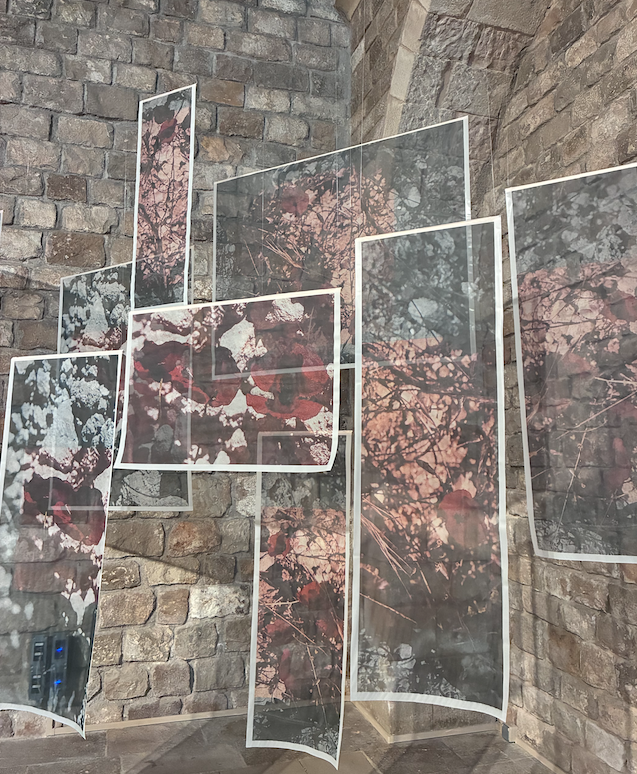
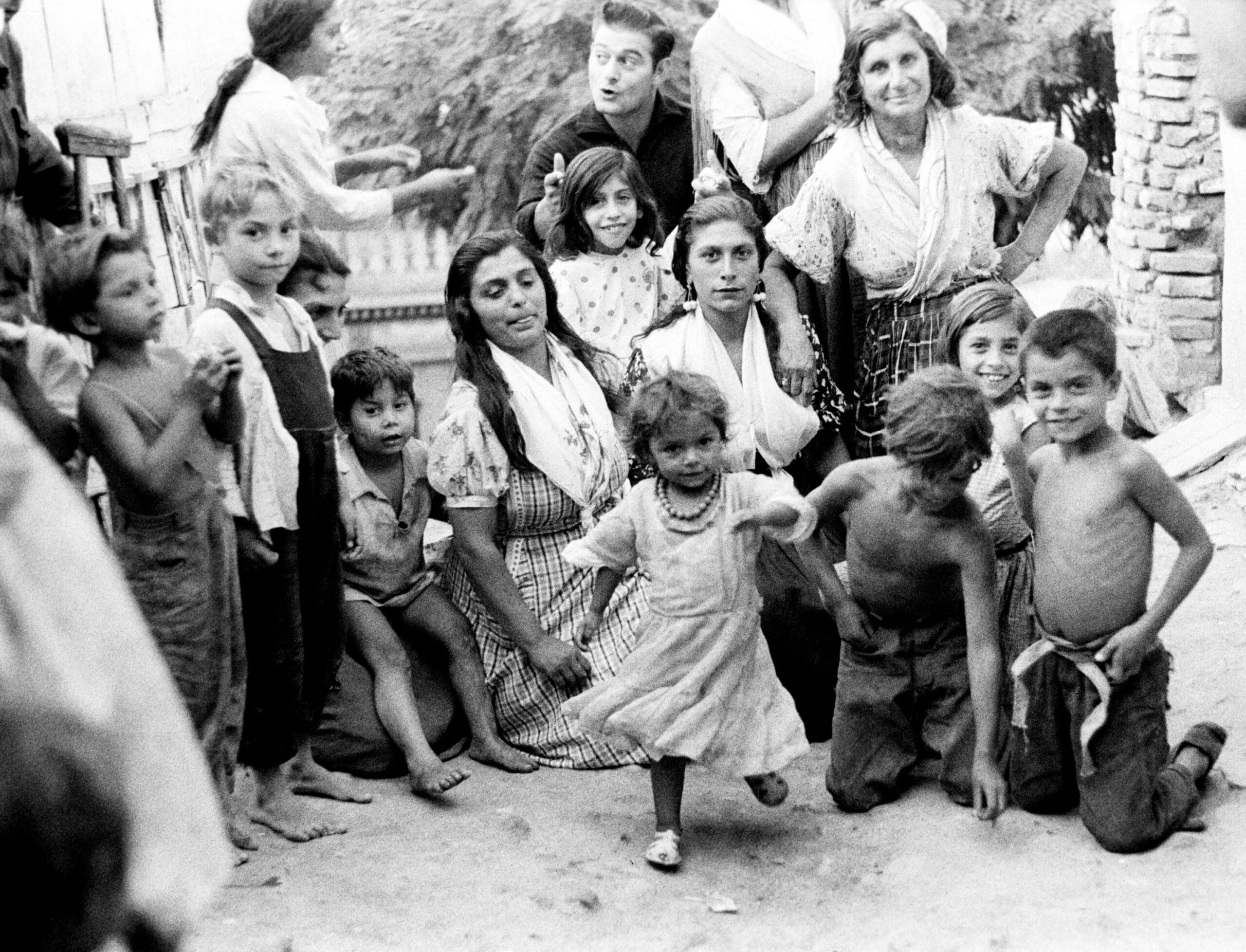
Giovanna Ranaldi, Hannoun, 2026.
Featuring artists from Gaza, the West Bank, Jerusalem and exile, the exhibition brings together Mohammad Abu Sal, Raed Issa, Bayan Abu Nahla, Sohail Salem, Yazan Abu Salamah, Bashar Khalaf, Rawan Joulani, Marwa Bakri, Hamada Maddah and Giovanna Ranaldi. The project is curated by Manar Idrissi, Nora Ancarola and Pamela Martínez Rod, who articulate a plural perspective on the different geographies and experiences of Palestinian creation.
Installed in the Vestíbul and Oficina spaces of La Capella, El que s'esborra no se puede esborr proposes an experience that goes beyond artistic contemplation. Its strength also lies in the need to give time to images and to understand that memory is not a retrospective exercise, but a practice that is constructed in the present. In a context marked by destruction and displacement, the exhibition reminds us that art can preserve what violence seeks to make disappear.
Visiting it once may not be enough. Retracing your steps, observing the works again and letting their relationships become visible is part of the experience.

You may be
interested
...