Exhibitions
Candy Crush, the hidden face of digital dopamine
The Santa Mònica explores the links between video games, data mining and the militarization of bodies in an exhibition that questions the control mechanisms of contemporary technologies.
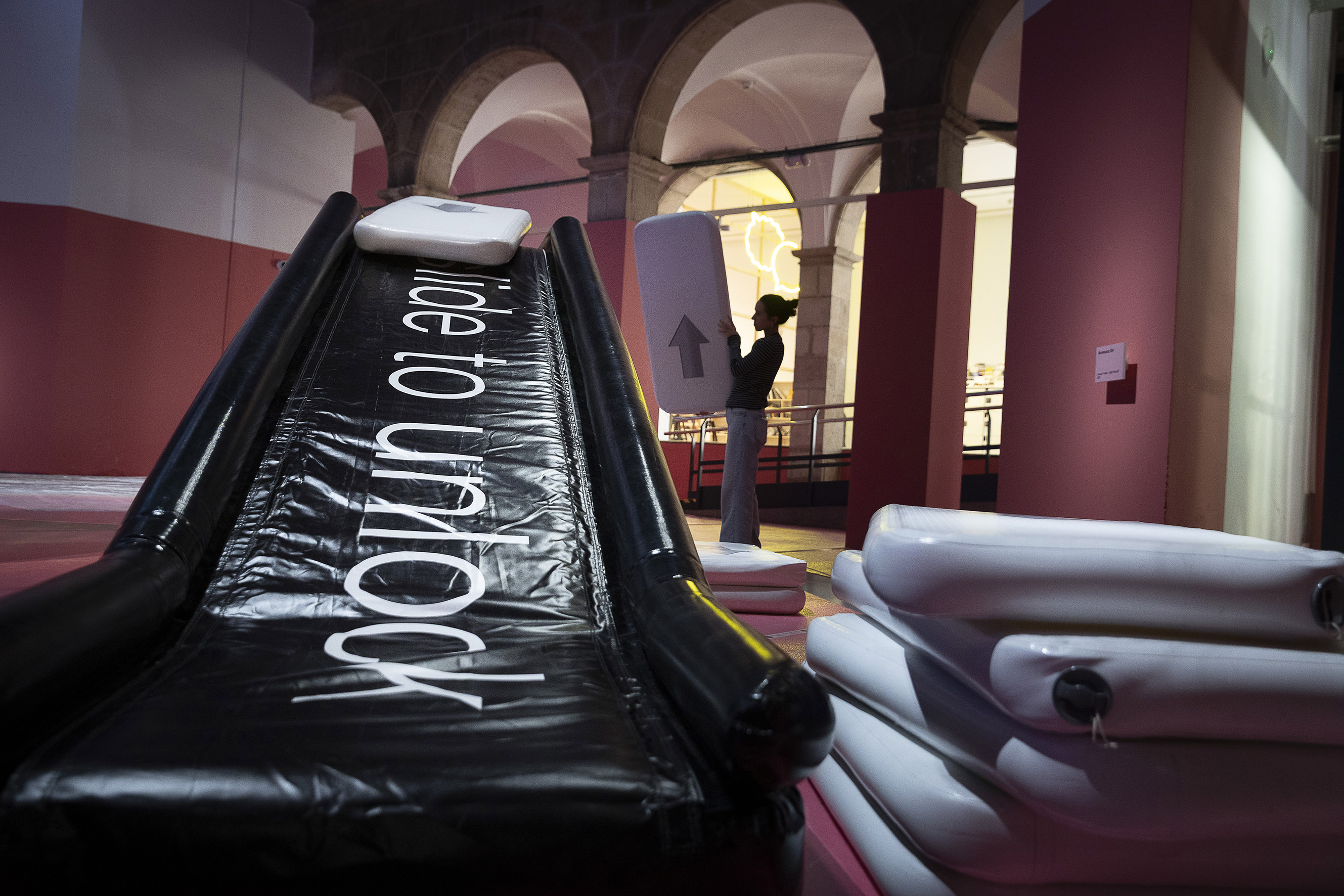
The video game Candy Crush , with its bright colors and immediate rewards, is the starting point for a reflection that goes far beyond digital entertainment. In Boom Crash Candy Crush , the Santa Mònica explores the links between attention economies, massive data mining and contemporary military infrastructures. Inaugurated on October 28, the exhibition can be visited for free until January 31, 2027 and brings together nearly twenty artistic proposals that question how digital technologies condition our habits, capture attention and transform everyday activities into information that can be exploited economically and strategically.
Curated by artist and researcher Joana Moll and the center's director, Enric Puig Punyet, the exhibition starts from the addictive behavioral patterns incorporated into digital interfaces to propose a broader reflection on the loss of individual autonomy. The cascades of shiny candies, the immediate rewards and the promise of one more game are not just resources for entertainment, but examples of a design that seeks to retain the user and guide their decisions. Behind this apparent innocence lies an economy of attention in which every gesture, every click and every movement on a screen can become data, merchandise and instruments of control.
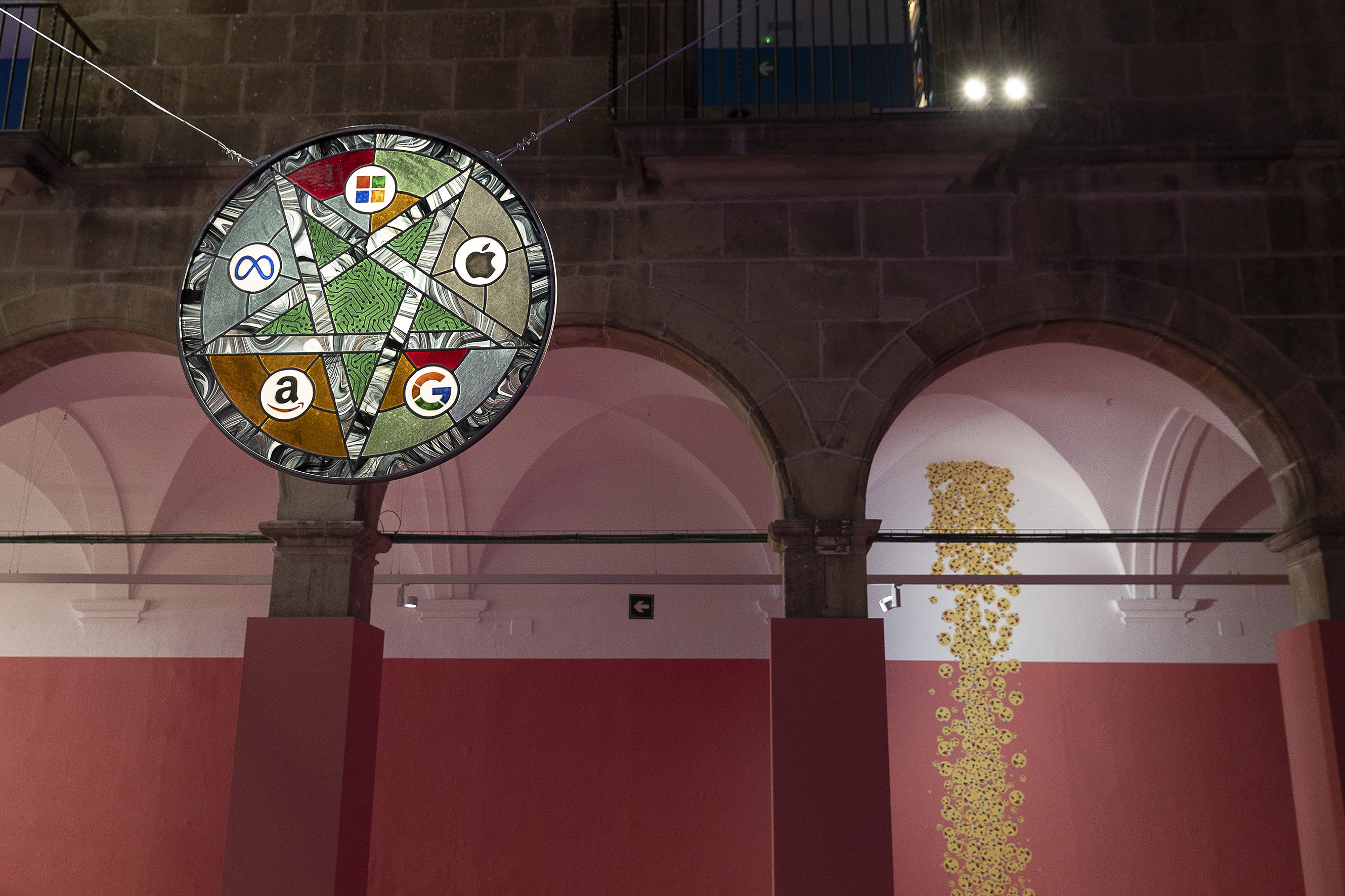
The exhibition expands this reading and points out the connections between digital surveillance, the interests of large corporations and intelligence and military infrastructures. In this scenario, people occupy an ambivalent position: they are consumers of technological services, but also constant producers of information. The collection and circulation of data raise questions about privacy and individual freedom, while also highlighting the extent to which digital devices can participate in contemporary forms of discipline and militarization of bodies.
Boom Crash Candy Crush brings together works by local and international artists who address these issues from diverse perspectives. Among the names present are Hito Steyerl, Shona Illingworth, May Murad, Jessica Ekomane, Heba Y. Amin, Noura Tafeche, !Mediengruppe Bitnik, Mario Santamaría, Aram Bartholl, Faith Holland, aaajiao, Sarah Ciston, Asia Bazdyrieva, Ben Grosser and laSADCUM, among others. The works form a journey that invites us to critically observe technologies that are integrated into everyday life, but whose consequences often remain outside the field of vision of their users.
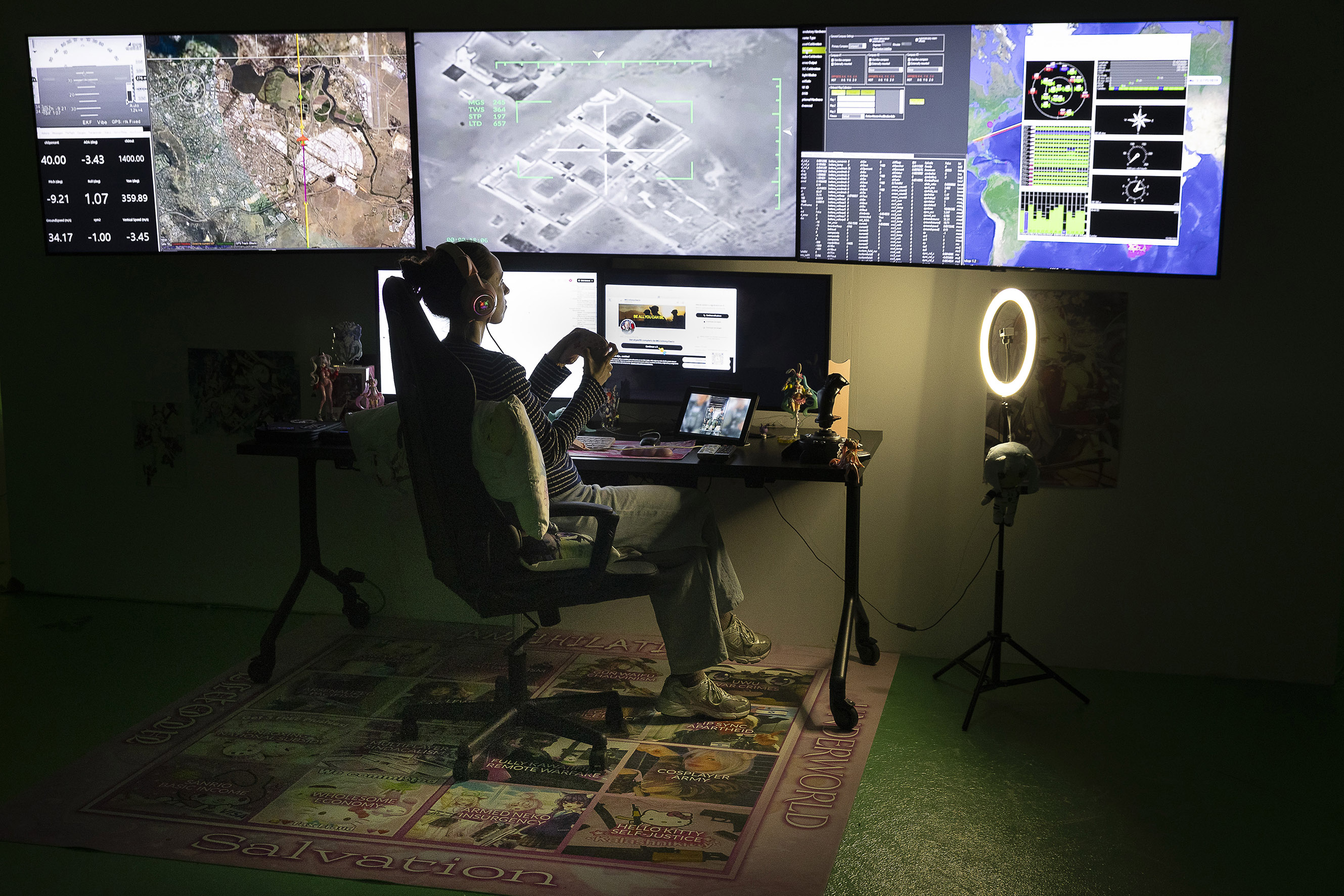
The project is complemented by a public program of activities that expands the exhibition debates and incorporates voices such as Shona Illingworth, Tatiana Bazzichelli, Noura Tafeche, Flavia Dzodan, Lisa Ling and Erica Friscioni. This meeting space reinforces Santa Mònica's desire to understand contemporary art not only as a place of production and exhibition, but also as a tool for investigating the social, political and cultural transformations of the present.
This orientation connects with the center's line of work, which promotes projects in which artistic research, curatorial experimentation and public participation share prominence. In parallel, Les Mòniques, the collective of 21 resident artists selected through a public call, are organized into guilds to develop projects and activities linked to the programming.

You may be
interested
...