Exhibitions
The centenary of Manolo Millares celebrates his rebellious spirit
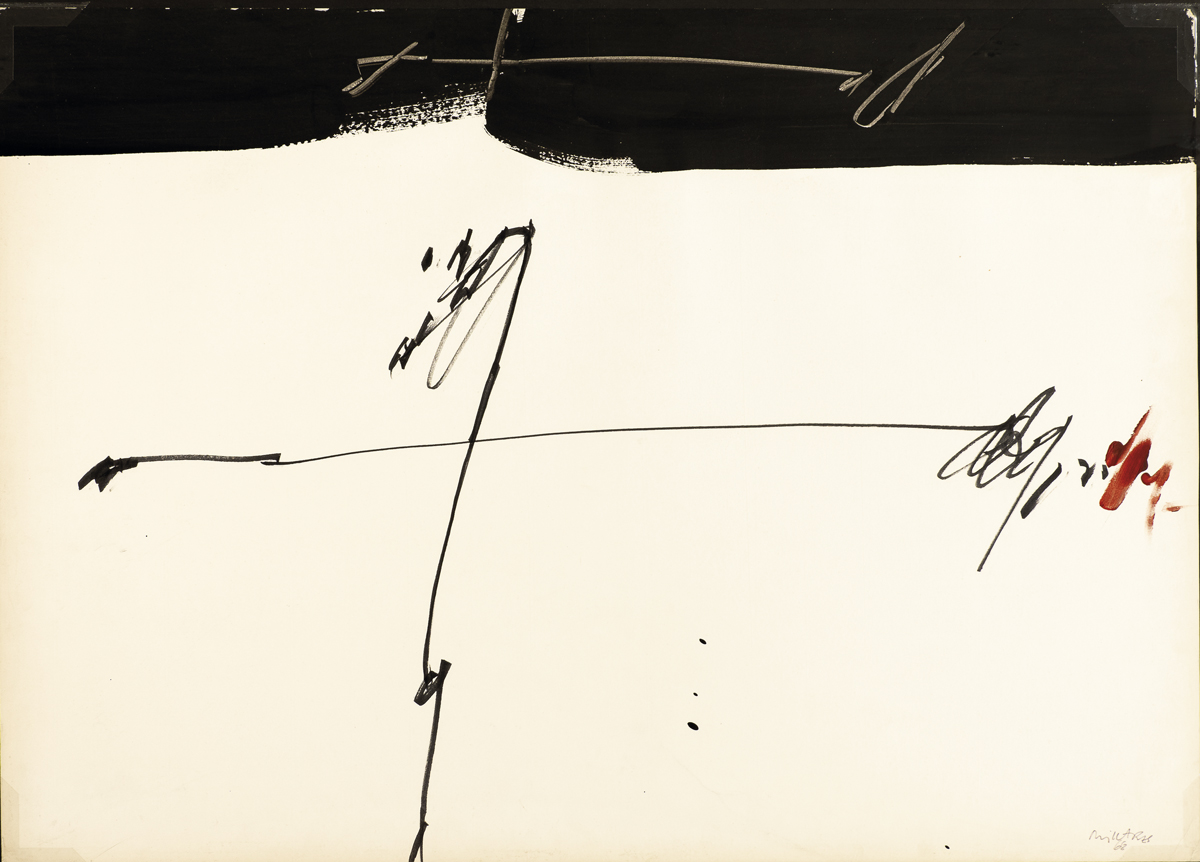
Manolo Millares's painting was born from the need to break with established artistic languages and to transform matter, wounds, and memory into instruments of creation. A century after his birth, his work retains its undiminished capacity to engage with the present. The Antonio Pérez Foundation of the Provincial Council of Cuenca now celebrates this dimension of his career with a comprehensive program that includes an exhibition and publications focused on one of the essential figures in the renewal of Spanish art after the war.
On October 2nd, at 6:00 PM, the Cuenca Contemporary Art Center will inaugurate "Manolo Millares, Rebel ," an exhibition featuring 28 works, including paintings, drawings, and sculptures, mostly from the artist's family collection. The exhibition offers an exploration of an artistic personality marked by independence and a constant desire to question the limits of creation. Alongside the exhibition, the Foundation is presenting three publications that broaden our understanding of Millares: the exhibition catalog, " Now Haste Stands Still ," which compiles his poetry, and a facsimile reissue of "Memoirs of an Urban Excavation and Other Writings ," originally published in 1973 and which, over time, has become virtually impossible to find.
The choice of the word 'rebel' is not accidental. Millares made rupture a vital and artistic attitude in a particularly complex context. Self-taught and unconnected to an academic conception of art, he developed an investigation that explored ceramics, screen printing, engraving, and etching until he found in burlap one of his principal means of expression. In it, the material ceases to be a mere support, acquiring a physical and symbolic dimension: it is torn, sewn, deformed, and transformed into a surface laden with memory.
Born in Las Palmas de Gran Canaria in 1926 and dying prematurely in Madrid in 1972, Millares had a brief but remarkably intense career. His involvement in the artistic renewal movements of post-war Spain had two key moments. In 1950, he participated in the creation of LADAC, Los Arqueros del Arte Contemporáneo (The Archers of Contemporary Art), in the Canary Islands, while in 1957 he was one of the founding members of El Paso, a collective that played a crucial role in consolidating the new languages of abstraction and informalism in Spain. From both spaces, he helped break the cultural isolation of the time and place Spanish art in dialogue with the transformations taking place internationally.
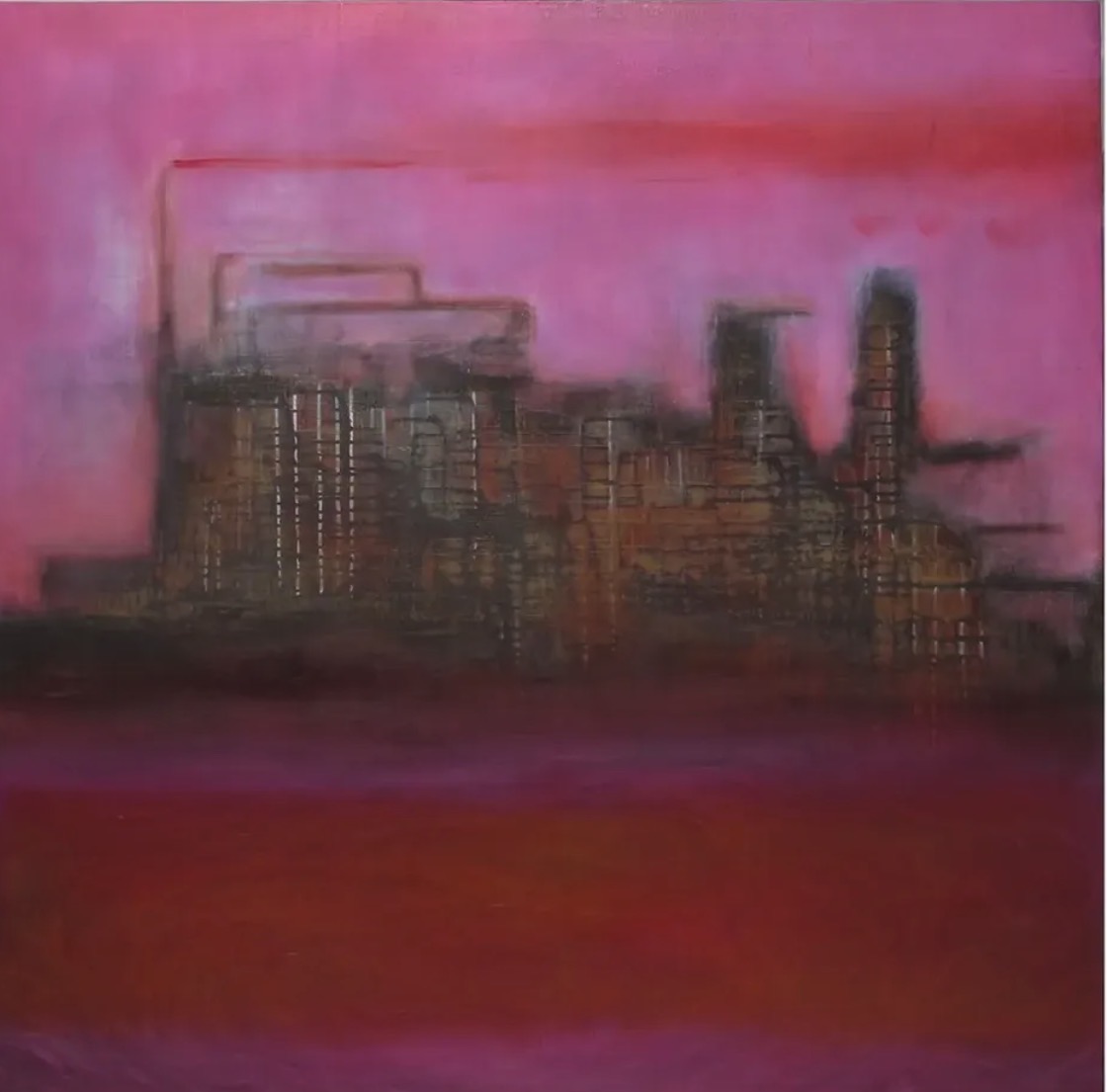
The Cuenca exhibition allows us to revisit this journey from a perspective that doesn't separate the formal dimension from lived experience. The works reveal an artist for whom experimentation wasn't a purely artistic exercise, but rather a way of confronting his time. His burlap tapestries, drawings, and sculptures reveal a conception of art marked by the tension between destruction and construction, between the fragility of materials and their capacity to become image.
The international reach of his work confirms the enduring relevance of that research. Millares's pieces are currently part of important international collections and museums, including the Museum of Modern Art in New York and the Tate in London, as well as Spanish institutions such as the Museo Nacional Centro de Arte Reina Sofía. His legacy is also present in various public collections in the Canary Islands and, significantly, in the holdings of the Antonio Pérez de Cuenca Foundation itself.
The centenary commemoration thus acquires a dimension that extends beyond the exhibition. The catalogue, Manolo Millares, Rebel. On the Centenary of Manolo Millares , published by the Antonio Pérez Foundation, includes texts by curator Alfonso de la Torre, commentaries on the works, images related to Millares's journey to the Sahara, and reproductions of all the pieces in the exhibition. The volume serves as both a study tool and a documentary extension of the exhibition.
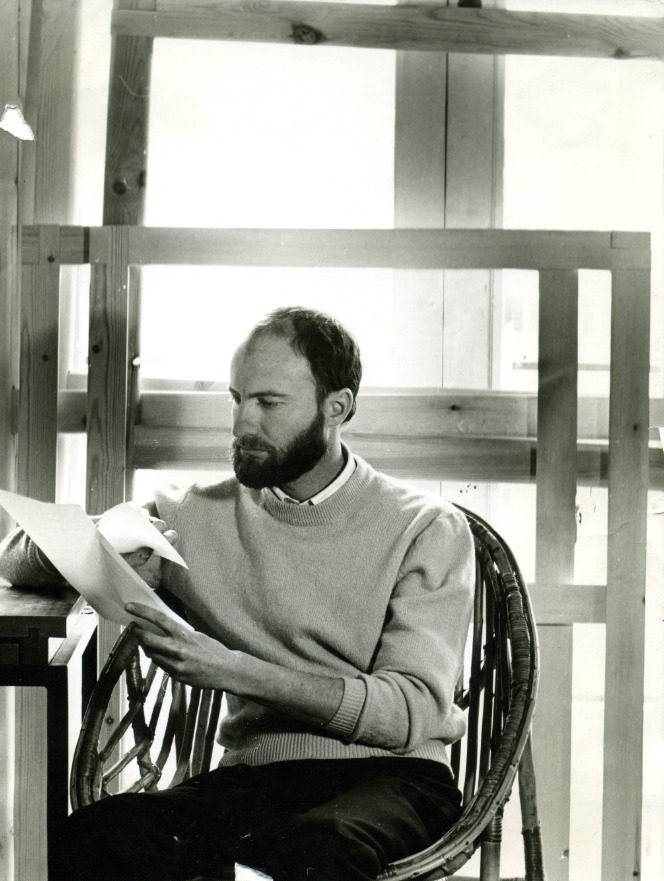
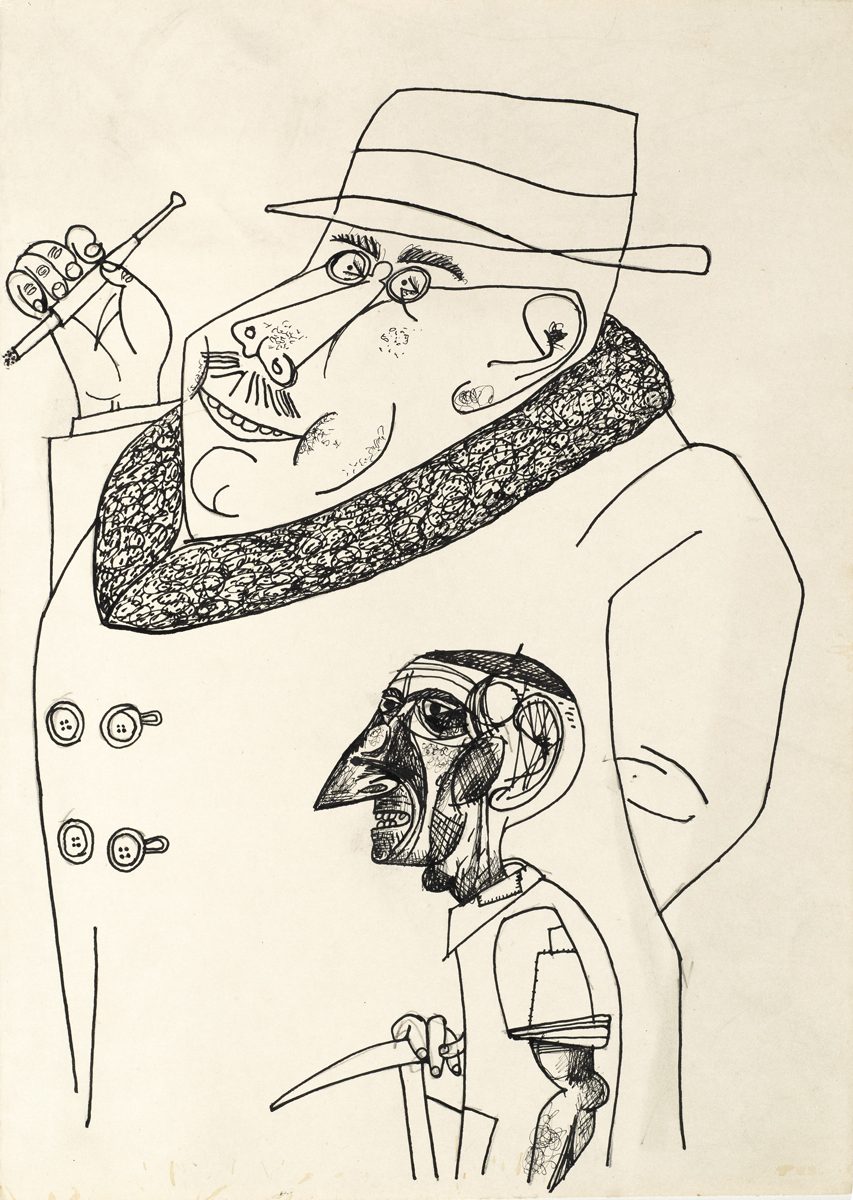
Of particular interest is also the rediscovery of his literary side. *Ahora se quedó la prisa quieta* (Now Haste Stands Still) brings together Millares's complete poetry in 144 pages, offering a glimpse into a lesser-known aspect of his work. The volume includes portraits of the artist—many previously unpublished—that depict Millares as a reader, alongside a selection of figurative drawings from the mid-1950s. The publication highlights that his desire for experimentation was not limited to the visual arts and that writing, drawing, and painting formed part of the same creative universe.
In addition to these two publications, there is the reissue of *Memoirs of an Urban Excavation and Other Writings *, originally published in 1973, just a year after the artist's death. The Antonio Pérez Foundation, in collaboration with the Millares-Escobio family and Gustavo Gili Publishers, has now reissued the volume in a facsimile edition, bringing back into circulation a book that has been difficult to access for more than five decades. Its republication allows contemporary readers to benefit from the writings of an artist whose intellectual output is inseparable from his artistic practice.
You may be
interested
...