Exhibitions
When plants also explain art
CaixaForum Lleida hosts an exhibition from the Prado Museum that recovers the prominence of plant species in painting and proposes a new reading of their symbolic, narrative and ecological functions.
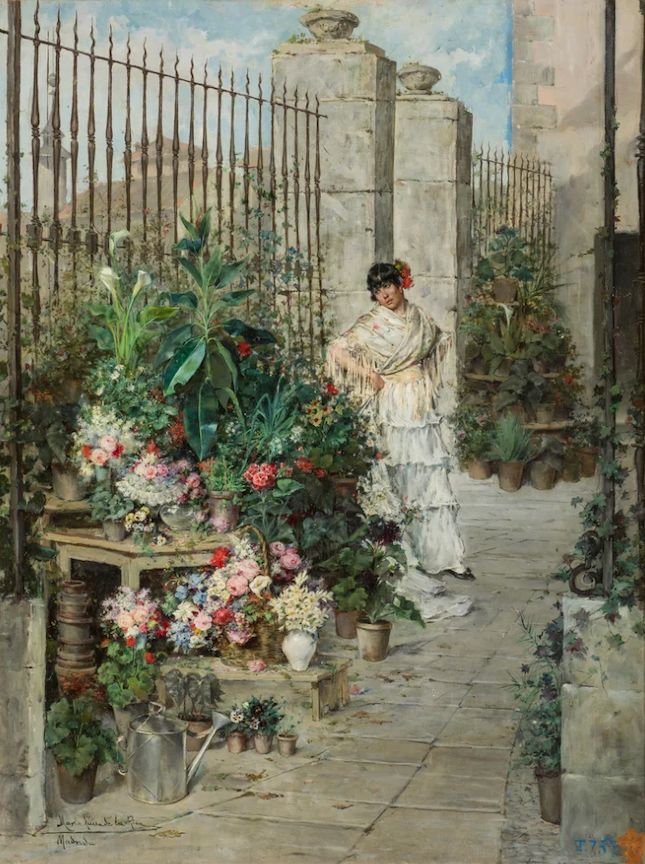
Plants have been present in art long before the history of botany made them an object of scientific study. Flowers, trees, fruits, herbs and gardens have occupied a recurring space in the works of artists, but they have often been relegated to the background compared to the great protagonists of the compositions. Botany in art. Plants in the collections of the Museo del Prado proposes precisely to stop the gaze on these apparently secondary elements to discover to what extent they can be essential for understanding a work.
After its stay at CaixaForum Girona, the exhibition arrives at CaixaForum Lleida, where it can be visited from September 24, 2026 to January 31, 2027. The proposal travels through the collections of the Museo del Prado to show the deep relationship that, over the centuries, has been established between the artistic representation of nature and the knowledge of plant species.
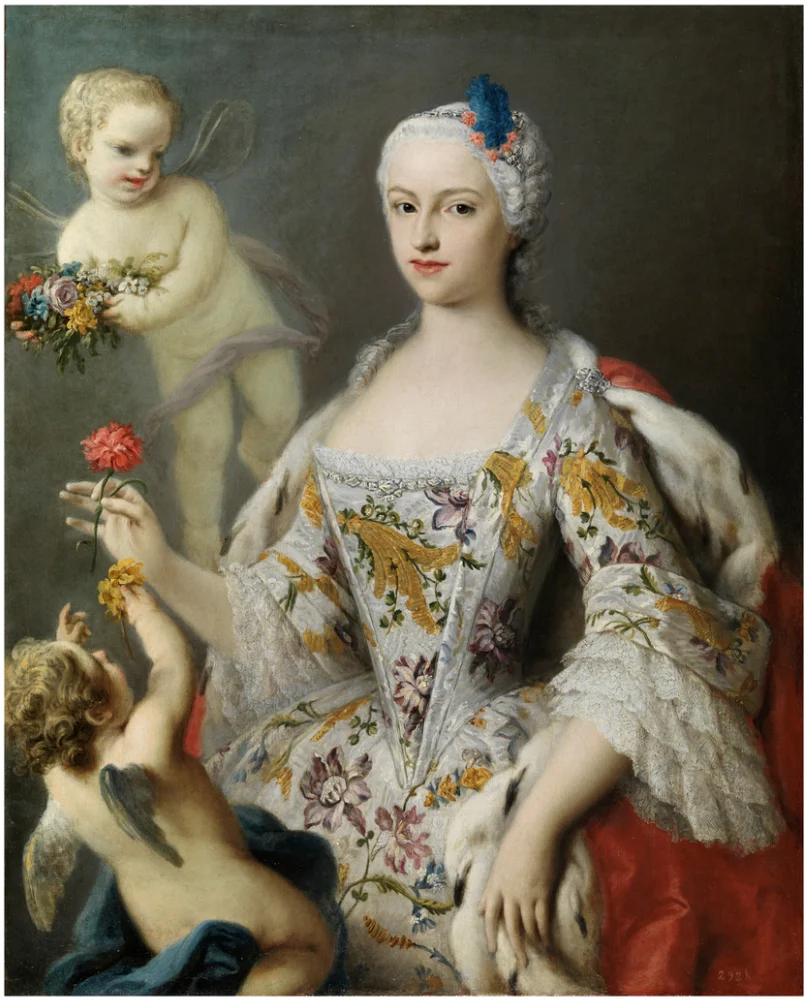
Jacopo Amigoni, The Infanta María Antonia Fernanda de Borbón, c.1750. © Museo Nacional del Prado.
Beyond their ornamental function, plants can act as signs, symbols and narrative elements. A flower can announce a certain virtue or represent the fragility of life; a tree can acquire a religious, political or historical dimension, while a garden can become the stage where stories of power, identity or memory are constructed. The exhibition thus invites us to look at the works of the Prado from a different perspective, discovering in their landscapes and compositions a plant vocabulary loaded with meanings.
This route also vindicates the figure of gardens and gardeners, understood as creators of spaces where nature and culture meet. The garden appears as an artistic construction in itself, subject to aesthetic, symbolic and social decisions, and as a recurring territory within the history of art.
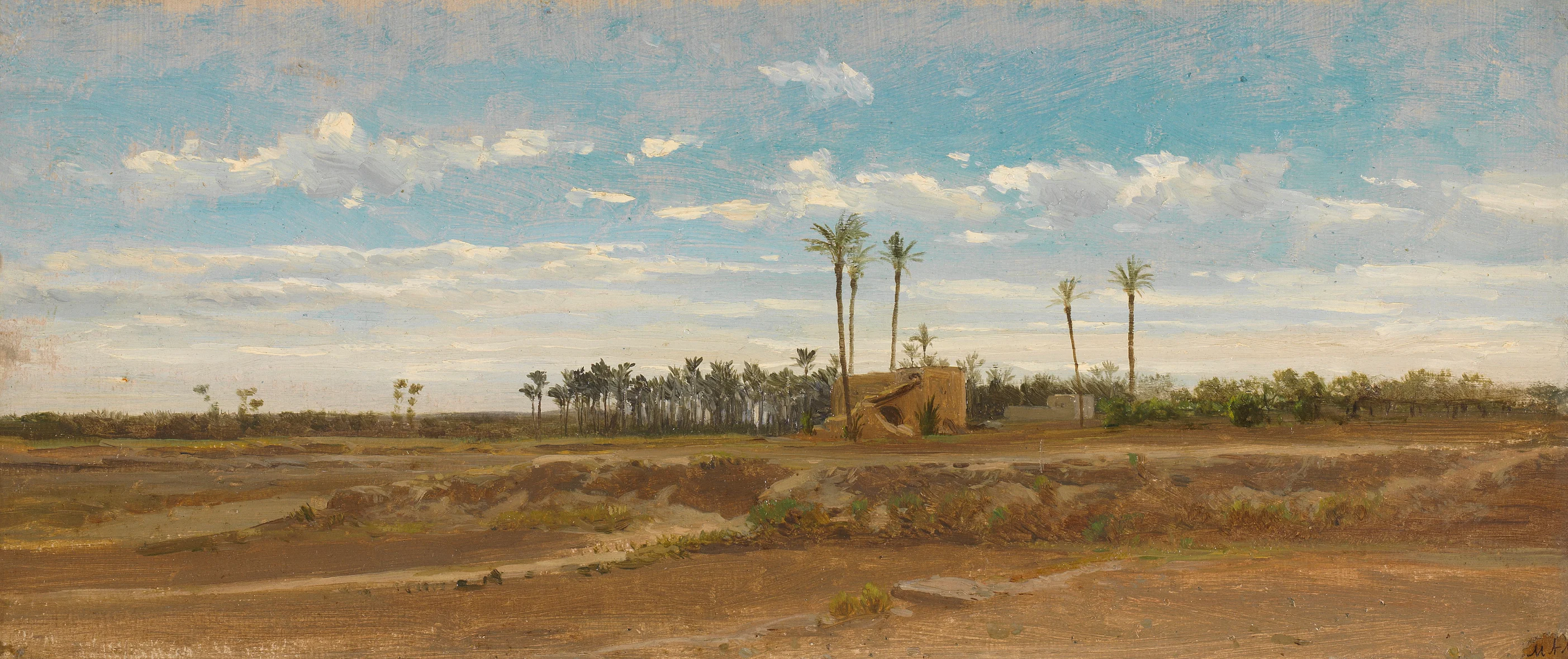
Carlos de Haes, A forest of palm trees (Elche), c.1861. Oil on paper pasted on cardboard © Museo Nacional del Prado.
One of the objectives of the proposal is to combat the so-called plant blindness, that contemporary difficulty in identifying and valuing the plants that are part of our environment. For this reason, the exhibition invites us to sharpen our gaze and recognize species that have traditionally gone unnoticed in the works. The botanical photographs of Paula Codoñer contribute to this exercise of identification and allow us to establish a dialogue between artistic representation and natural reality.
The proposal also incorporates a sensory dimension through several olfactory stations that recreate aromas linked to the works on display. In this way, the visit is not limited to observing the plants represented, but rather broadens the experience to other forms of perception.

You may be
interested
...