Exhibitions
Building the look with Pepa L. Poquet
Trace-Order-Construct covers four decades of artistic research between photography, painting, installation and new technologies.
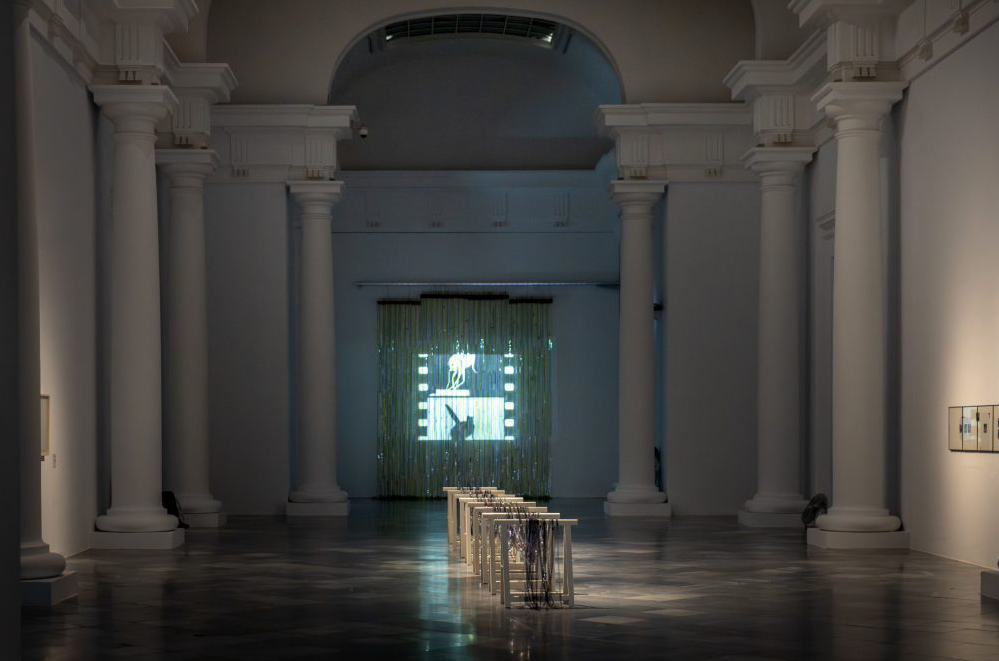
The career of Pepa L. Poquet (Vilallonga de la Safor, 1955) has been built over four decades based on a single desire: to explore what happens when an image ceases to be solely what we see and becomes a space from which to think. Perception, memory, time, the body and language go through an artistic practice in constant transformation, in which experimentation is not only a formal procedure, but also a form of knowledge.
This trajectory can be seen in Traçar-Ordenar-Construir , an exhibition curated by Antoni Pinent that is presented in the Sala Ferreres of the Centre del Carme in Valencia from September 18 to November 29, 2026. Organized by the Consortium of Museums of the Valencian Community, the City Council of Castellón and the Provincial Council of Castellón, the exhibition proposes an approach to Poquet's production based on the relationships that are established between his different works and not from a chronological succession.
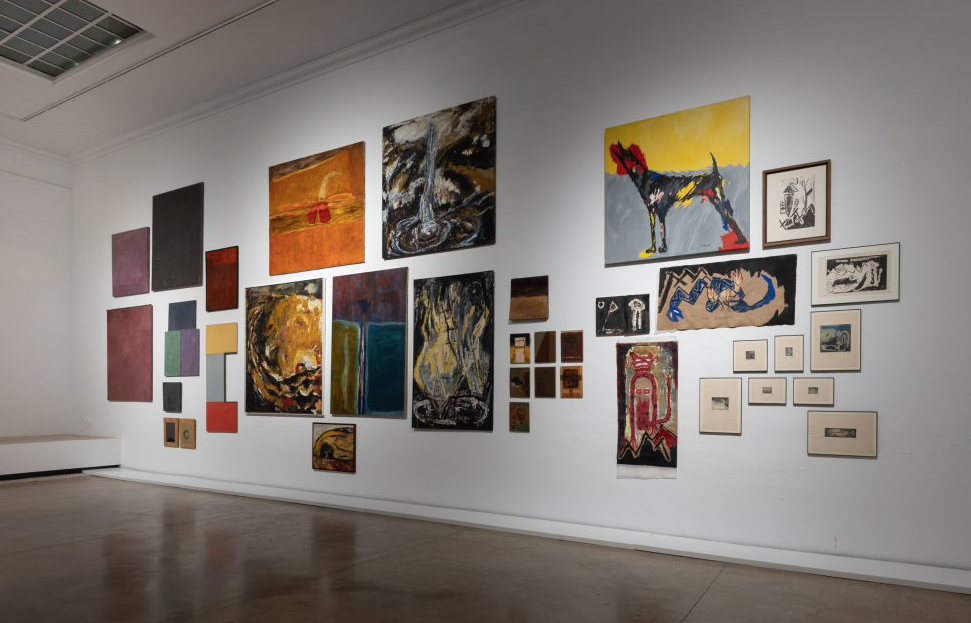
This choice is especially significant for an artist who, since the mid-1980s, has moved through different disciplines, media and technologies. Photography, painting, installation, object and moving image appear linked by a common research that does not establish hierarchies between analog and digital. Each medium becomes a different possibility to find the most precise way to express a certain idea.
The exhibition does not, therefore, aim to organize a trajectory into closed stages. It proposes a cartography of affinities in which the works dialogue with each other based on resonances, intuitions and questions that reappear over time. Poquet's production thus reveals a sustained and coherent investigation, although developed through diverse languages and materials.
How is an image generated? What remains hidden in what we see? How do time, the body or language intervene in our perception? These are some of the questions that cross a practice in which the image never appears as a point of arrival. It is, on the contrary, a territory of exploration that allows new possibilities of perception and thought to be opened up.
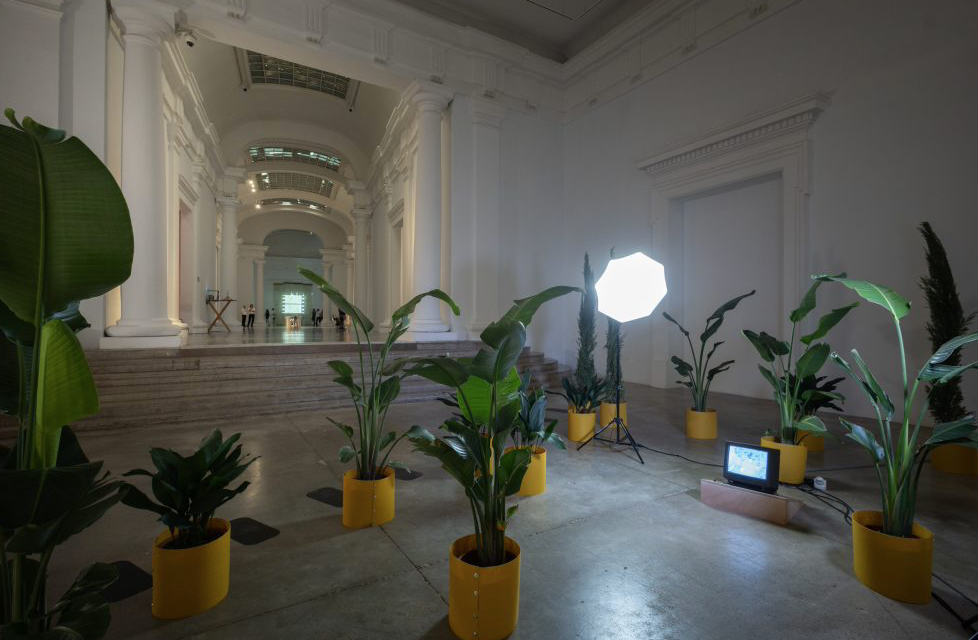
The process occupies a central place in this conception of artistic work. Poquet understands experimentation as a tool to approach that which does not yet have a defined form. Hence, his different languages do not function as independent compartments, but as permeable spaces that contaminate and transform each other. A photograph can be extended into an installation; a moving image can relate to an object, and painting can establish connections with technological procedures. The borders between disciplines thus cease to be limits and become areas of exchange.
The very title of the exhibition, Trace-Order-Build , synthesizes this way of understanding creation. The three concepts refer both to the procedures that run through the artist's work and to the relationships that are generated between the pieces. Trace implies establishing routes and connections; order implies discovering possible structures within what apparently remains dispersed; build means giving shape to an experience that is never completely closed.
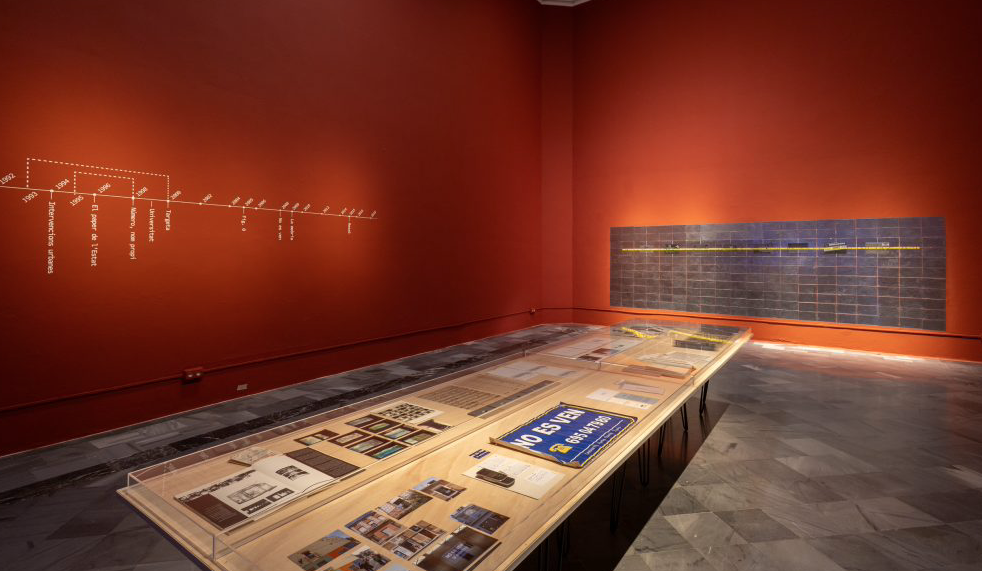
For this reason, the installation proposes an open itinerary, far from a strictly linear reading. The works are approached to generate correspondences and allow the viewer to complete part of these relationships. The time of the visit thus becomes a space of discovery in which each piece can modify the reading of the previous ones and anticipate new interpretations.
The exhibition, in short, offers a look at a trajectory marked by the ability to move between media without losing sight of an essential investigation: understanding how images are constructed and how they, at the same time, construct our way of looking. In Pepa L. Poquet's universe, the image is not limited to what it represents. It remains open to new associations, active in memory and capable of producing meanings even after leaving the exhibition space.
You may be
interested
...