Exhibitions
An island for reflecting on the common
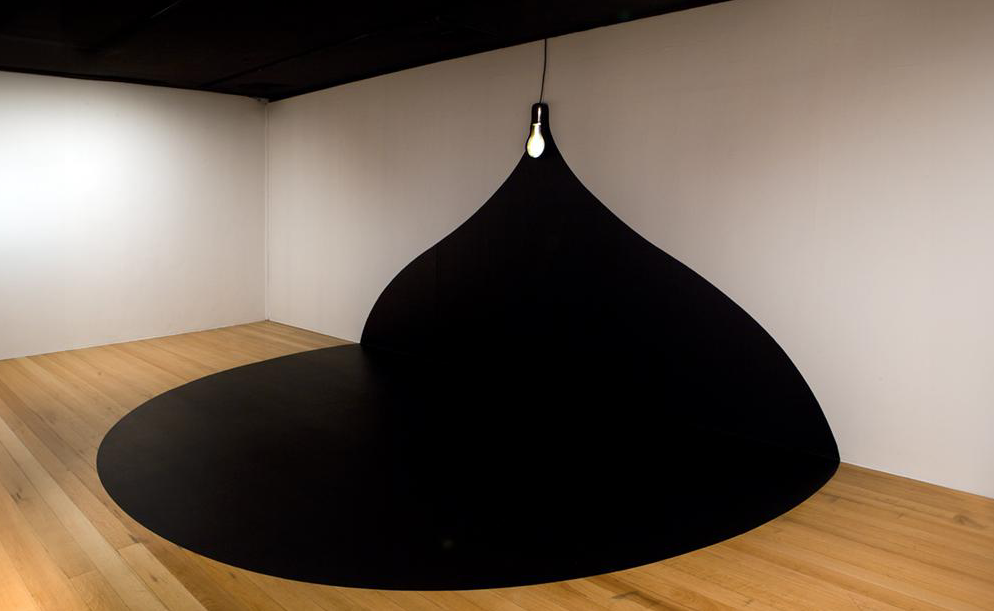
Every island implies separation, but also relationship. Its status as a delimited territory does not eliminate the links with what lies on the other side, but rather makes them more visible. From this tension between isolation and interdependence stems Illa ignorada (Ignored Island ), an exhibition presented by the CGAC on its first floor until February 12, 2027, following its opening on June 12, 2026. Curated by Sara Donoso, the exhibition proposes an interpretation of artistic creation as an exercise in resistance and questioning, positioning the intimate, the private space, and the circumstances surrounding the individual as starting points for thinking about the common territory.
The title itself comes from Illa ignorada , the text by Gloria Fuertes that gave its name to her first book of poems. The island metaphor serves here to address the poetic voice as an intimate space, seemingly secluded and separate from the outside world, but at the same time capable of projecting itself toward a spiritual and critical dimension. The CGAC transfers this image to the realm of the visual arts to raise a fundamental question: to what extent can individual experience, far from constituting a closed territory, become a pathway to shared experiences?
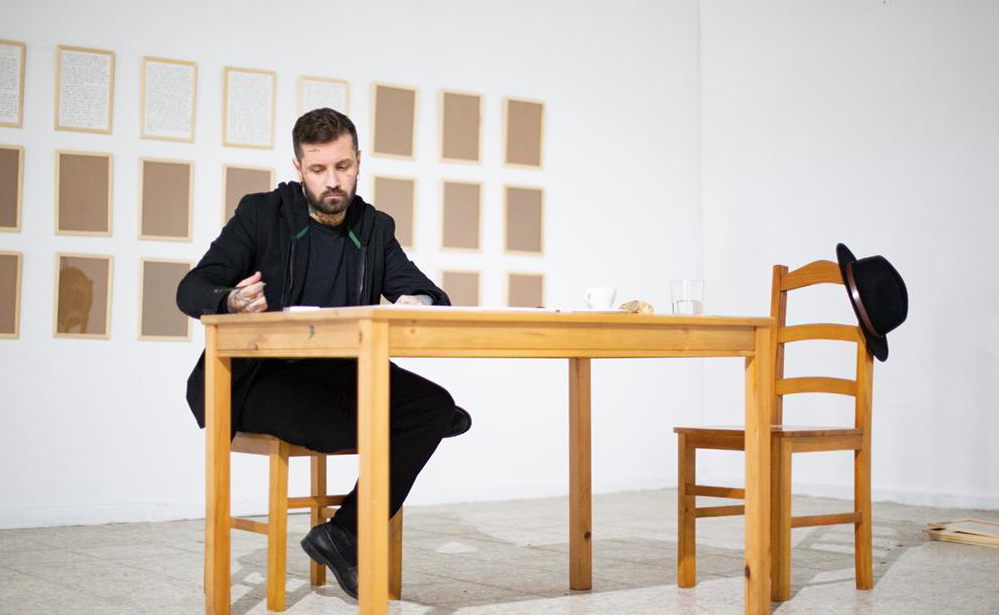
Abel Azcona: 'Long essay in the present on the right not to have been born and other drifts', 2024. CGAC Collection.
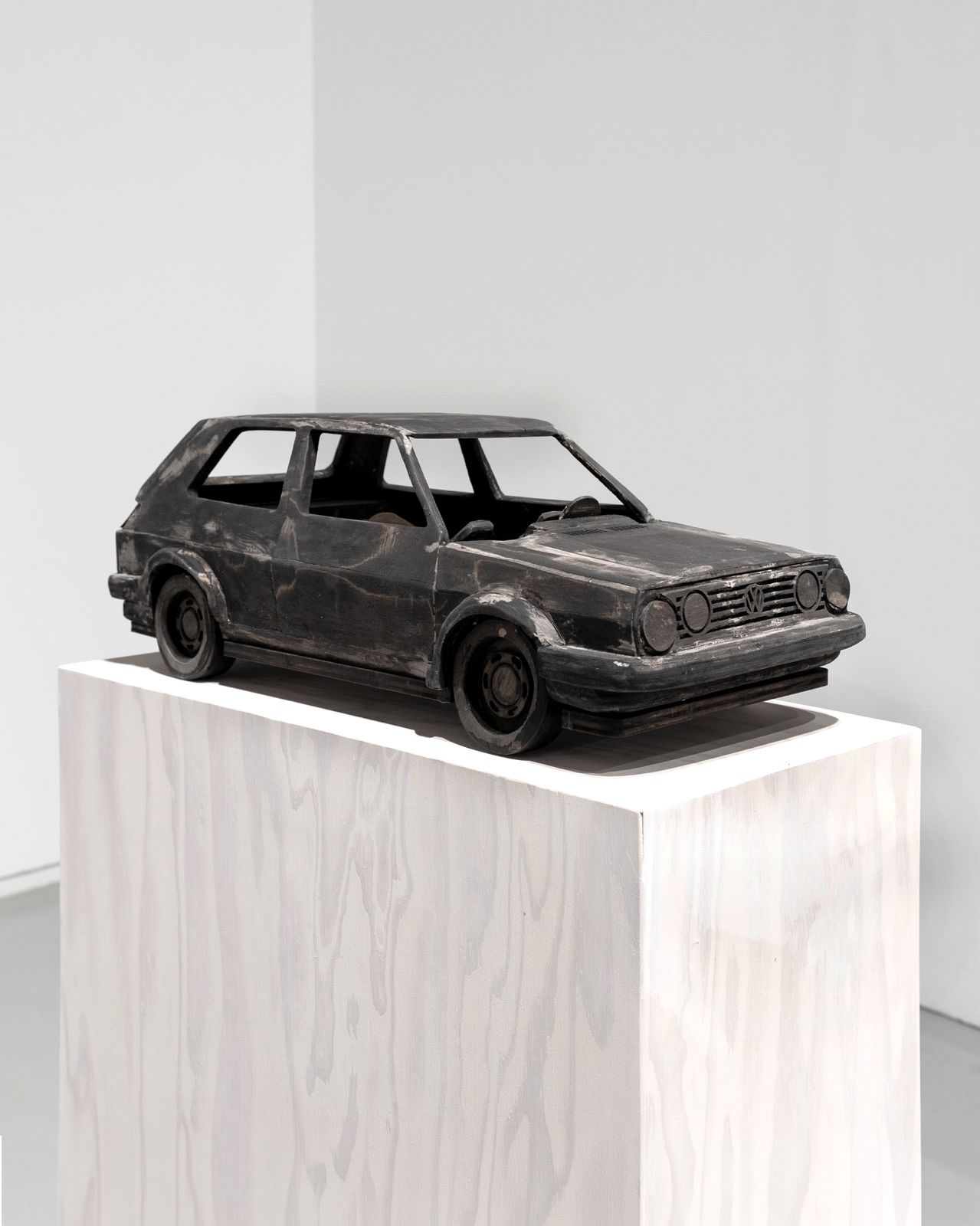
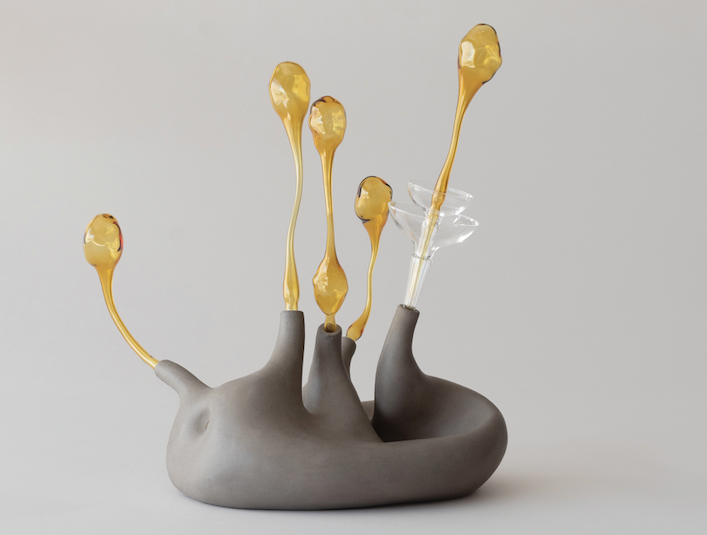
The exhibition brings together a selection of works from the CGAC Collection, most of which were acquired in recent years. Furthermore, one element lends the project a particularly significant character: none of the selected pieces had ever been exhibited at the center before. The exhibition thus functions not only as a fresh interpretation of the collection, but also as an opportunity to showcase a group of works that had previously been excluded from the museum's exhibition narrative.
Among the participating artists are Alberto Ardid, Abel Azcona, Vicente Blanco, Andrea Costas, Caxigueiro, Amparo Garrido, Regina Giménez, Fina Mantiñán, Juan Carlos Meana, Antoni Muntadas, Sonia Navarro, Iñigo Royo, Luis Seoane, María Elena Montero, Regina Silveira, and Ariadna Silva Fernández. The diversity of approaches and artistic languages allows for a journey in which individual experiences gradually transform into questions about how we inhabit, represent, and share the world.
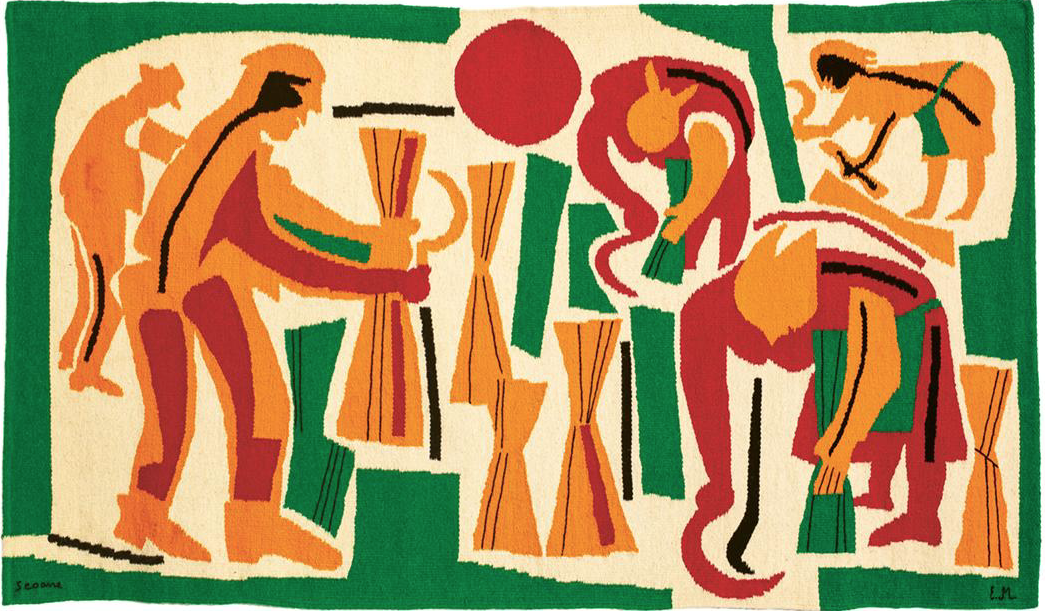
Luis Seoane & María Elena Montero: 'A sega', c. 1979. CGAC Collection
The itinerary unfolds in three acts that can be understood as a gradual shift between self and other. The first delves into the realm of private experience: desires, longings, the vulnerability of the body, and the processes through which each individual constructs their own identity. Intimacy here appears not as a hermetic space, but as a territory from which to establish a relationship with others. What initially seems strictly personal can be recognized as an experience that can be shared, precisely because it reflects anxieties, fears, and desires that also form part of a collective dimension.
The second act introduces a zone of uncertainty. Space becomes liminal, and the exhibition shifts attention to the construction of the image and its capacity to influence our perception. Representation ceases to be understood as a neutral mirror of reality and becomes one of the mechanisms through which that reality is configured. Images select, order, conceal, and emphasize; they construct narratives and condition how we interpret our surroundings. The question of what we see inevitably leads to another question: who decides how it should be seen?
This reflection leads to the third act, where the works approach the artists' immediate surroundings. The territory then appears as a construct shaped by affections, conflicts, affinities, and rejections. The projects gathered in this part of the exhibition originate from familiar contexts to make visible their likes and dislikes, and to identify the imaginaries that contribute to the configuration of a space that is never exclusively physical.
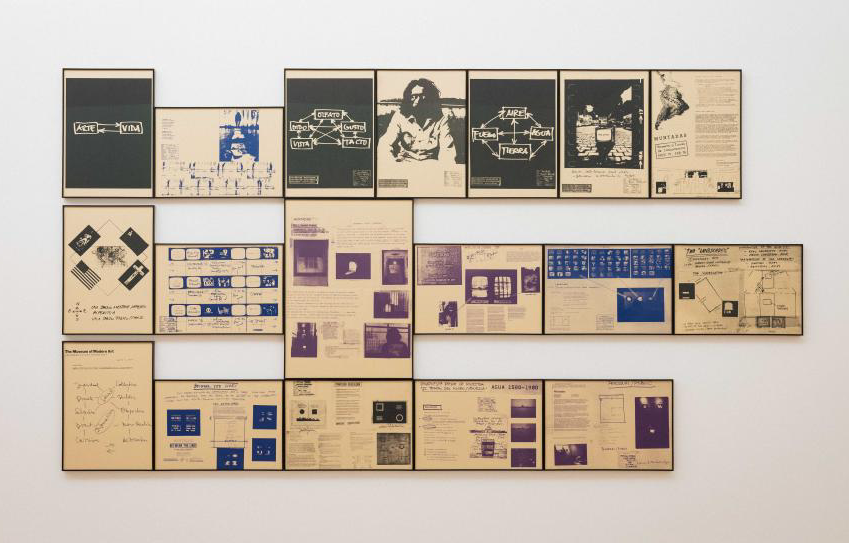
Antoni Muntadas: 'Projects' / 'Proposals', 1971-1980.
Thus, Illa Ignorada proposes a journey from interiority to territory without establishing a rigid boundary between the two. Body, identity, image, and space form part of the same chain of relationships in which the private ultimately acquires a public dimension, and the individual can reveal shared structures. The exhibition suggests that looking inward does not necessarily mean withdrawing from the world: it can also be a way of understanding it.
Gloria Fuertes' metaphor takes on a new resonance in this context. The island represents not only solitude or isolation, but also the possibility of building a relationship with the outside world from one's own unique place. Each individual is, in a way, a singular territory, yet none exists apart from others. Identity is constructed in relation to others, just as territories acquire meaning through the people who inhabit them, travel through them, and imagine them.
Through works that have not previously found a place in its galleries, the CGAC Collection presents itself as an archive open to new interpretations. Illa Ignorada (Ignored Island) seeks not only to display pieces, but also to establish relationships between them that can spark questions about our way of being in the world. Between intimacy and the collective, between the image and what it purports to represent, between the individual and the territory, the exhibition transforms the collection into a space of transition.

You may be
interested
...