Exhibitions
Alfredo Jaar and the dispute over America
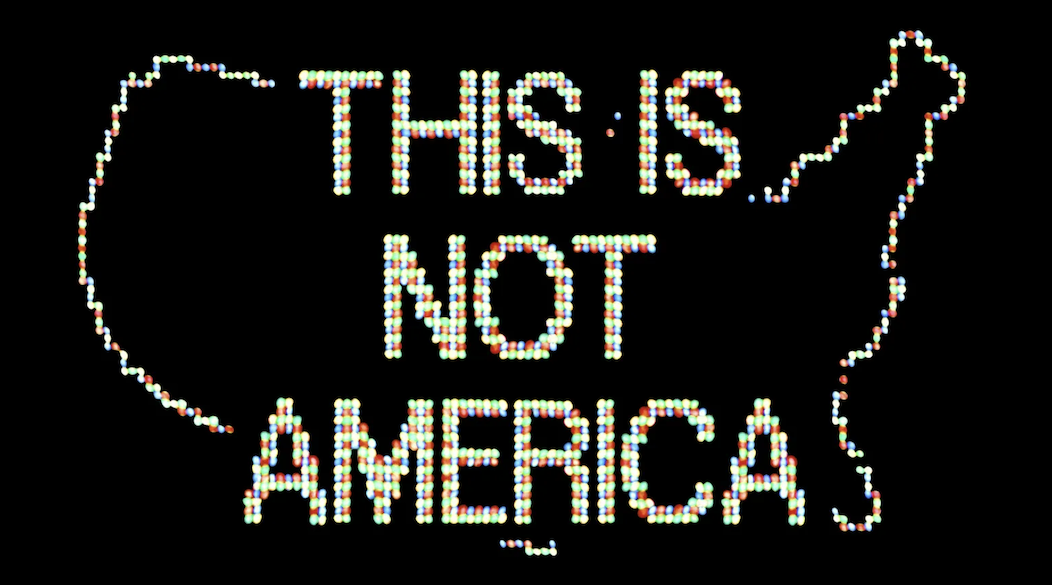
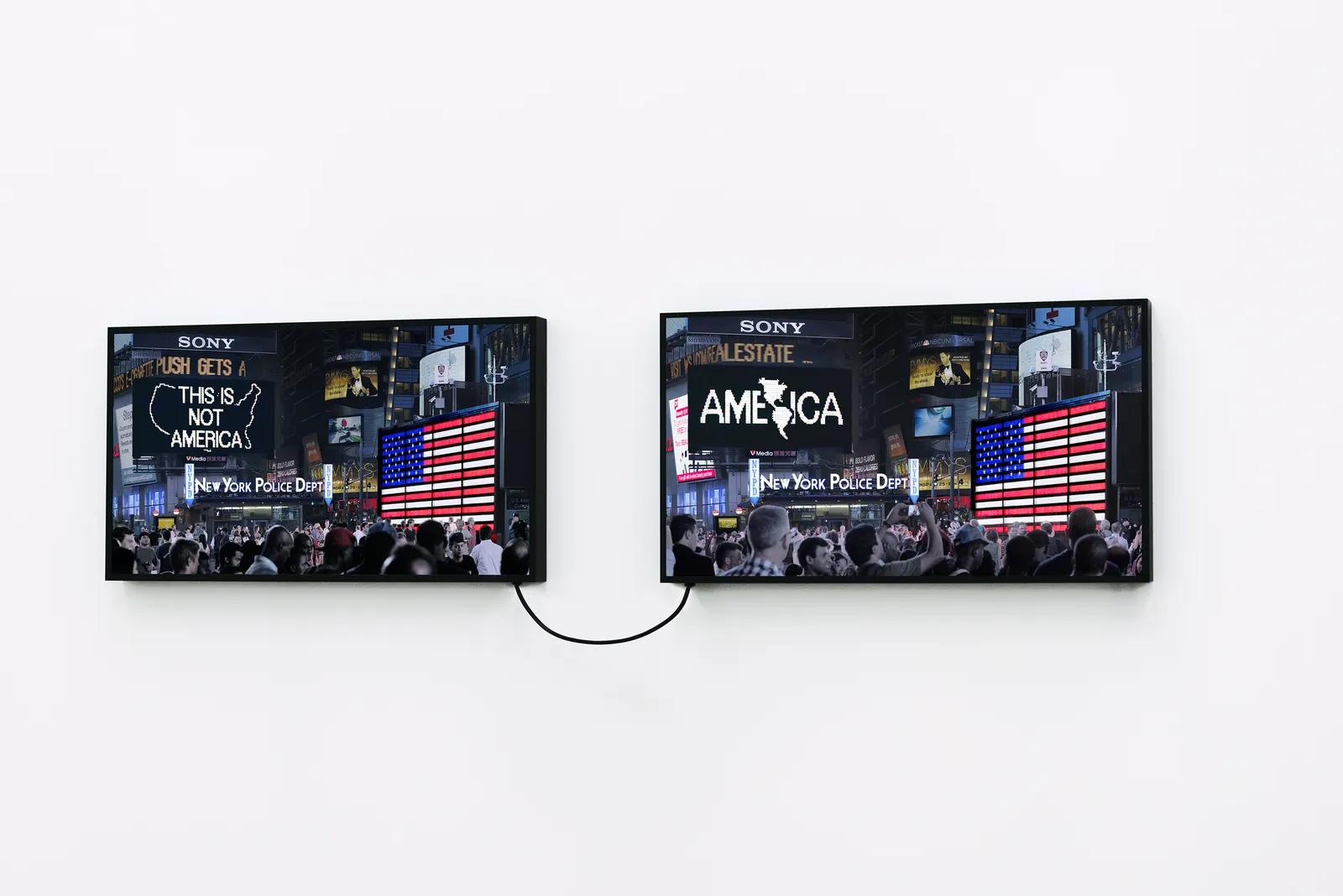
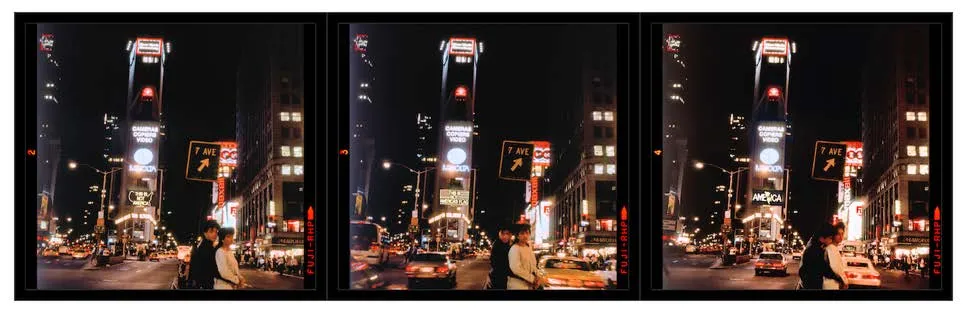
New York's Galerie Lelong presents, from September 10 to October 24, 2026, A Logo for America, 1987 , a solo exhibition by Alfredo Jaar that revisits one of the key works in the Chilean artist's career. Originally conceived in 1987 as a public intervention for Times Square, the piece questioned a seemingly commonplace expression laden with political implications: the use of the word "America" to refer exclusively to the United States, symbolically erasing the other countries that make up the continent.
Nearly forty years after its initial presentation, the work has acquired renewed relevance at a time marked by the United States' semi-quincentennial. The exhibition thus raises a question that remains open: what does it mean to be "American," and who has the right to appropriate that name? The presentation at Galerie Lelong also coincides with Jaar's participation in the 61st International Art Exhibition of the Venice Biennale, In Minor Keys , curated by Koyo Kouoh.
A Logo for America was first presented in April 1987 as part of Messages to the Public , the Public Art Fund's pioneering initiative that invited artists to create animations for the Spectacolor screen in Times Square. Jaar, who had moved to New York from his native Chile five years earlier, decided to intervene in a normalized linguistic convention to reveal the power relations it concealed. In his view, identifying "America" solely with the United States represents a form of unconscious erasure that contributes to perpetuating an unbalanced view of the many countries that share the American continent.
The exhibition presents, on a large scale and in a dimly lit, enclosed space within the gallery, a new digitized version of the original animation. For the first time, the storyboard drawings that shaped the piece are also being publicly displayed, offering insight into Jaar's creative process and expanding the history of a work initially conceived for advertising and urban spaces.
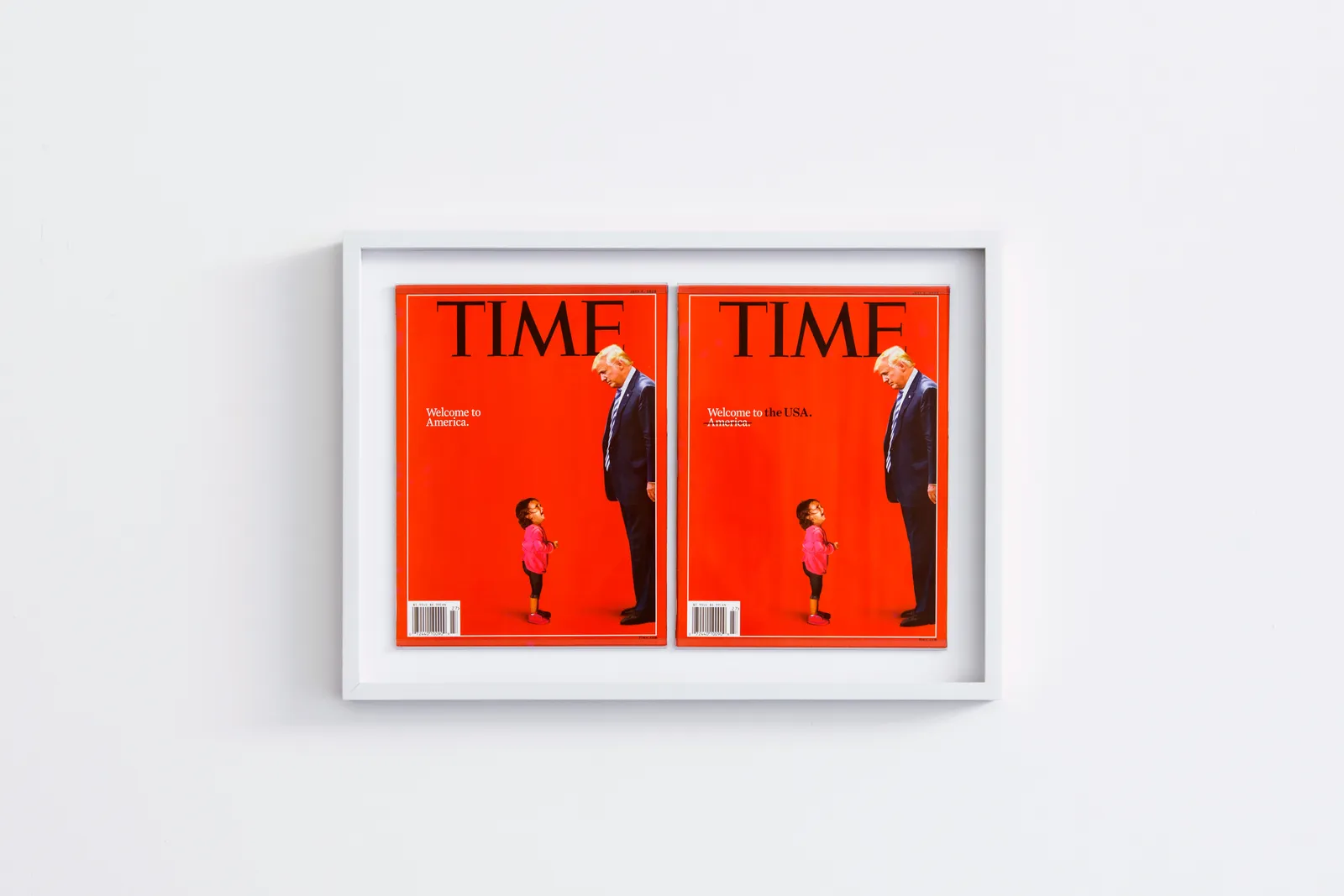
The exhibition also reconstructs the various lives that A Logo for America has had over the last four decades. Photographic series, light boxes, and videos document both its first appearance and the subsequent reformulations made by Jaar to adapt it to new media and contexts, from a barge off Miami Beach to today's television screens.
Alongside these pieces, a selection of videos shows how the concept and imagery of the 1987 work have permeated the contemporary political and cultural imagination. More than simply recovering a historical work, the exhibition allows us to observe how an intervention conceived almost forty years ago continues to function as an unsettling symbol in relation to ideas of identity, belonging, and representation.



You may be
interested
...