Exhibitions
Four Catalan voices at the Lyon Biennale
Luz Broto, Lúa Coderch, Laia Estruch and Núria Güell participate in the 18th edition of one of the great events of European contemporary art with projects that question social relations, memory, space and power structures.
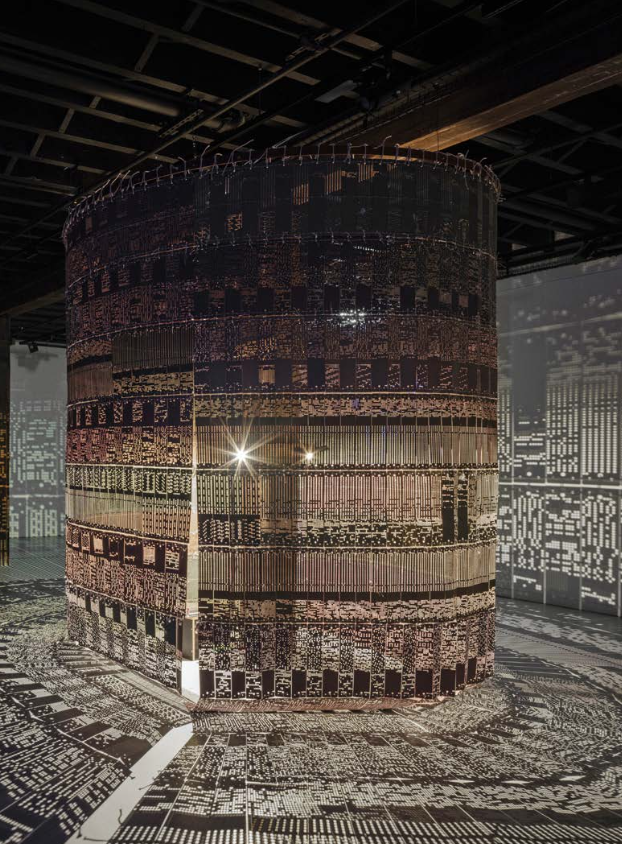
The Catalan presence at the 18th Lyon Biennial of Contemporary Art draws a journey that is as diverse as it is coherent through some of the great questions of contemporary creation. Luz Broto, Lúa Coderch, Laia Estruch and Núria Güell will participate in an edition that, between September 19 and December 13, 2026, will turn the French city into one of the main meeting points for international contemporary art. The participation has the support of the Department of Culture, through the Institut Ramon Llull, as part of its commitment to strengthening the international projection of Catalan visual arts.
Beyond geographical or institutional coincidence, the projects of the four artists share a desire to question what often remains out of the field: the forms of relationship between people, the mechanisms that construct cultural value, the memory inscribed in architecture or the way in which bodies and voices transform the spaces we inhabit.
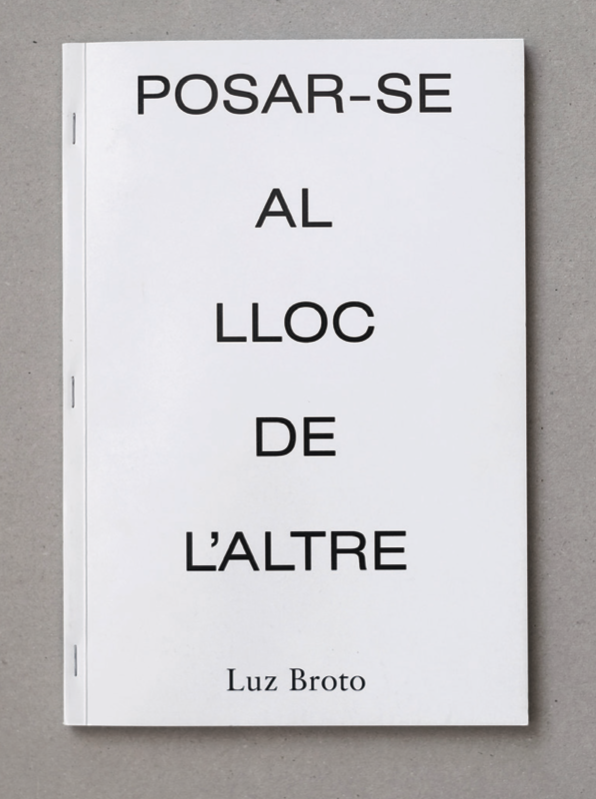
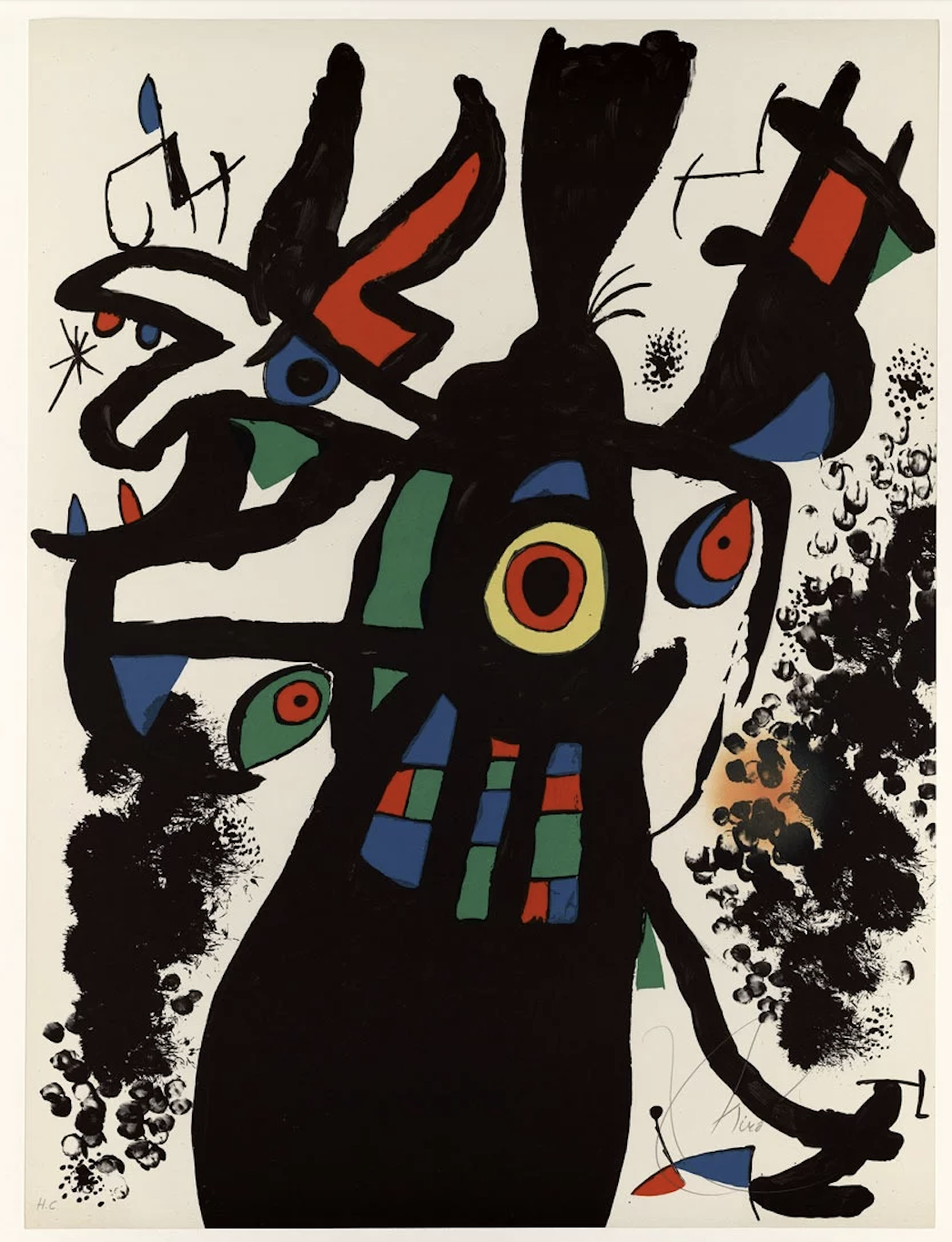
Luz Broto will present Put Oneself in the Place of the Other , a project that starts from seemingly simple gestures to explore concepts such as empathy, trust and interdependence. The proposal, which can be seen at the Musée des Tissus through the presentation of the book of the same name, also incorporates eight protocols translated into French and distributed in different spaces in Lyon. These are instructions that invite participants to exchange keys, objects, itineraries or habits with other people, introducing small alterations in routines that, precisely because they seem natural, tend to go unnoticed.
Broto thus works on the invisible structures that order collective life. His practice, often based on specific interventions for each context, converts everyday actions into mechanisms capable of modifying the perception of space and social relations. A line of research developed for more than a decade and presented in contexts such as Manifesta 14, the Vienna Secession or the MACBA.
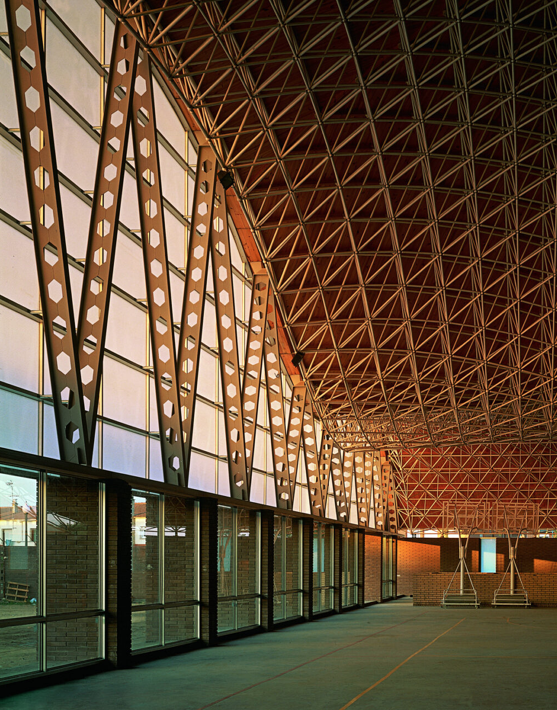
At Les Grandes Locos, Lúa Coderch will present International Style [Pavilion] , a new investigation around the German Pavilion by Mies van der Rohe and Lilly Reich in Barcelona. The project takes some of the building's architectural elements and transforms them into large inflatable sculptures, displacing them from their original context to ask what turns an architecture into heritage, how memory is constructed and what economies intervene in the production of cultural value.
Coderch understands his works as “research devices”, hybrid spaces where installation, sculpture and narrative meet to review stories that seem consolidated. His work has been seen in institutions such as the Bòlit Centre d'Art Contemporani, Fabra i Coats, the Fundació Joan Brossa, the Museu Tàpies, La Panera or the MUAC in Mexico City, as well as ARCO Madrid.
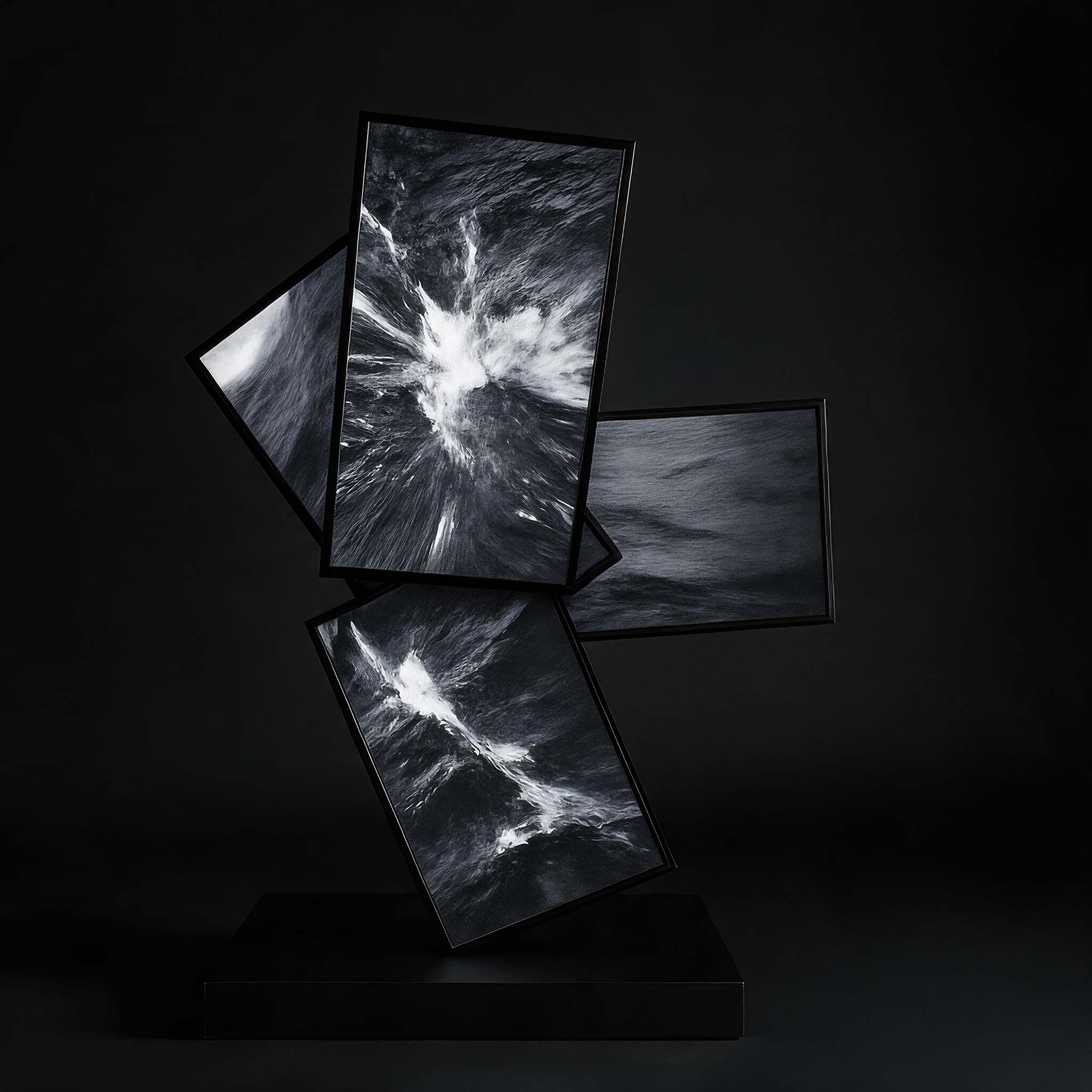
Also at Les Grandes Locos, Laia Estruch will present Carrau (2026), an installation conceived specifically for the Lyon Biennale. Three large inflatable doors articulate a piece situated between sculpture, performance and research on the voice. Activated by the passage of visitors, the structures transform a gesture as common as entering or leaving into a bodily and performative experience.
In Estruch's work, the body and voice function as tools to reveal the physical and social dimension of spaces. Breathing, sound and movement cease to be secondary elements to become sculptural matter. Carrau thus situates himself in this intermediate territory that particularly interests the artist: thresholds, transitional spaces, what separates —and at the same time connects— the interior and the exterior, the before and the after. His career includes presentations at the Museo Reina Sofía, the MNAC, the MACBA, the Kortrijk Triennial and the Casal Solleric.
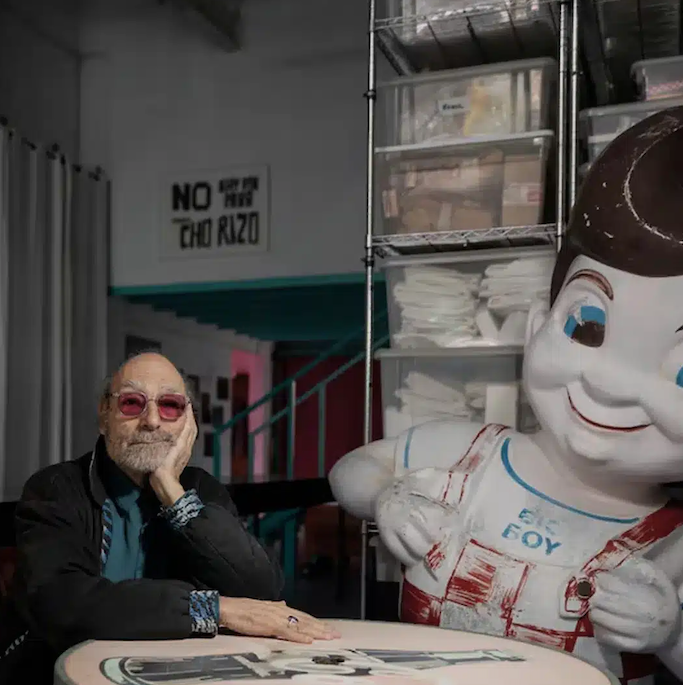
Núria Güell's proposal introduces another critical dimension to this Catalan cartography of Lyon. Through Degenerate Political Art. The Epstein-Lang Connection , the artist questions the relationships between the art market, tax evasion and the construction of cultural prestige. The piece takes the form of a fictitious art gallery registered in a tax haven and installed within the Biennale itself, introducing into the exhibition device the economic mechanisms that often remain hidden behind the art system.
Güell uses art as a tool for intervention in the legal, economic and institutional structures that condition society. His works do not limit themselves to representing conflicts, but intervene in the very processes that produce them, putting the boundaries between art, politics and reality in tension. His international career includes the Malta Biennial, Manifesta 14 and institutions such as the S.MAK in Ghent or the MNAC.
The coincidence of the four artists in Lyon therefore offers a particularly significant image of Catalan contemporary creation: four very different practices that share a critical view of the structures that articulate our experience of the world. The support of the Institut Ramon Llull places these voices in one of the main international circuits of contemporary art, while the Fundació Úniques and Catapulta complete the support for their participation.
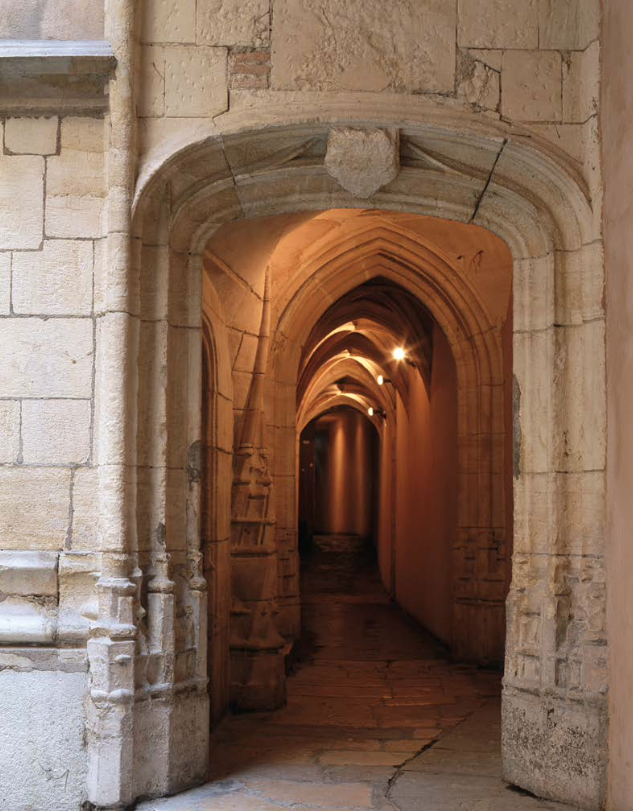
Since its creation in 1991, the Lyon Biennale of Contemporary Art has established itself as one of the major European events in the sector and as the main contemporary art event in France. Its programming extends across various spaces in the city and the region and brings together artists from very diverse backgrounds. In its 2026 edition, curated by Catherine Nichols under the title Passer d'un rêve à l'autre — Passer d'un somni a l'altre —, the Biennale focuses on the material, social and symbolic economies that traverse the present, with nearly a hundred international creators.
With a regular influx of around 300,000 visitors and interventions in public space that reach over 2.7 million spectators, Lyon continues to function as a privileged platform to observe where contemporary art is moving.
You may be
interested
...