Exhibitions
Oscar Dominguez and hybrid surrealism
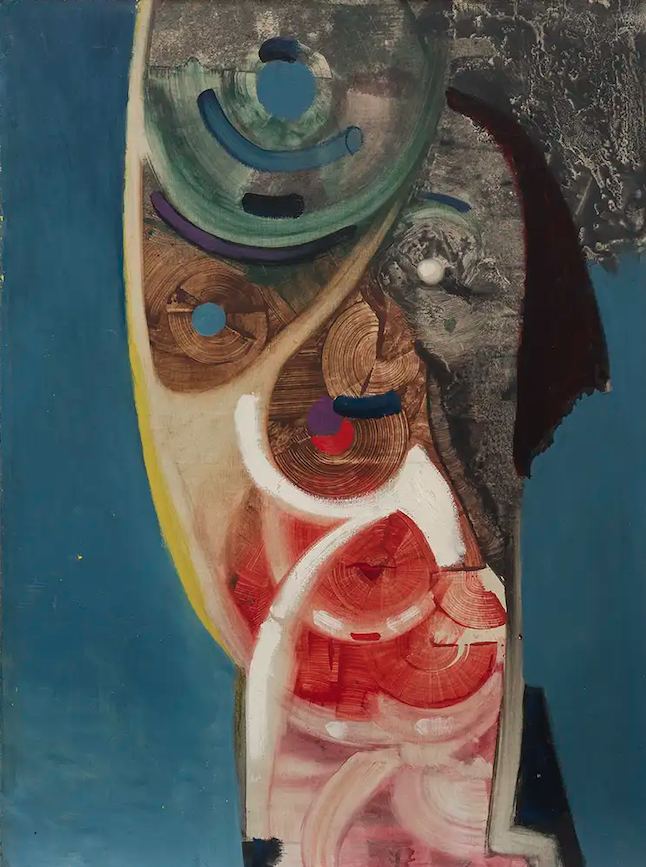
The Guillermo de Osma Gallery presents Óscar Domínguez or Hybrid Surrealism , an exhibition that offers a fresh perspective on one of the most internationally renowned Spanish artists of the 20th century and a key figure in the Surrealist movement. The exhibition, which will run from September 10 to November 6, 2026, features approximately thirty works and marks the seventh exhibition the gallery has dedicated to the Canary Islands artist.
Far from being confined to a single movement or style, Domínguez constructed a profoundly personal body of work in which automatism, technical experimentation, metamorphosis, and an imagery populated by hybrid figures, objects in transformation, and associations of powerful poetic intensity coexist. His ability to move between different registers made his career an unpredictable journey, marked by a constant desire for exploration.
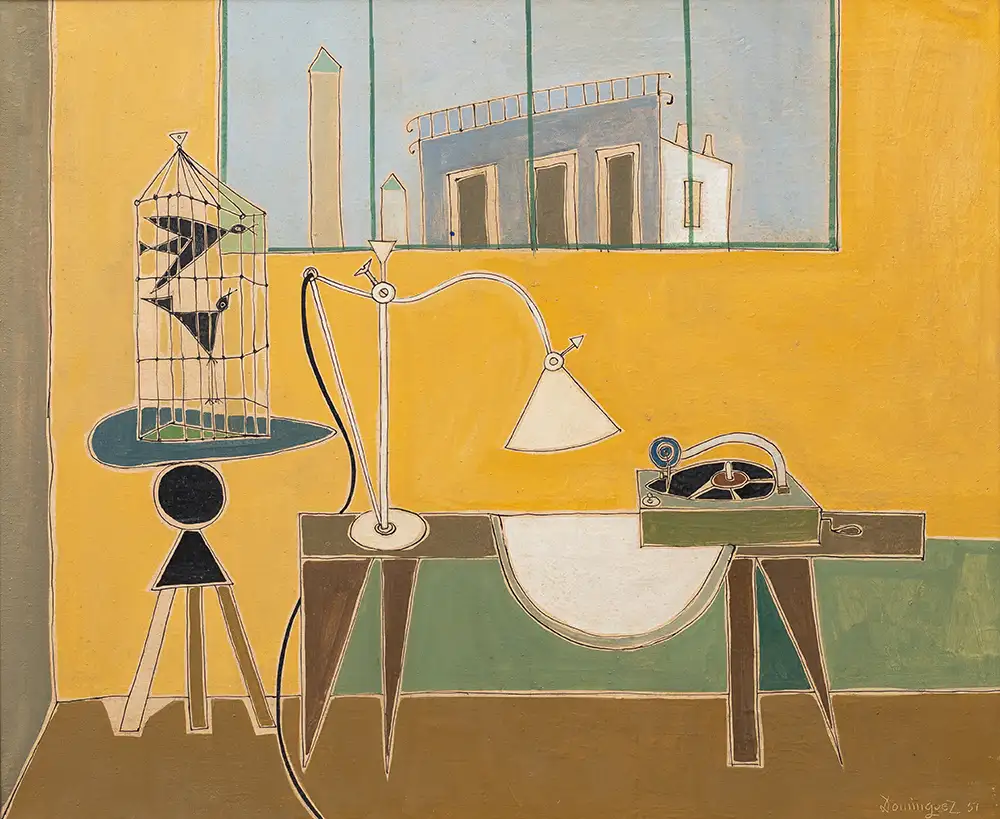
One of the central themes of the exhibition is decalcomania, a technique that Domínguez reinvented and that would later be adopted by numerous artists. The process, based largely on the intervention of chance in the composition, allowed him to create images of great formal freedom. The exhibition presents a remarkable selection of these works, including Lyon-Bicyclette , accompanied by other versions from the collections of MoMA, the Centre Pompidou, and the Museo Nacional Centro de Arte Reina Sofía.
The exhibition also allows visitors to discover the diversity of his work through pieces such as Camera Obscura , a unique painting-object from 1943, and Les Cocottes en papier , also from that year. These are complemented by the series dedicated to the Ateliers , in which the studio appears as a symbolic space for creation and as a setting from which to reflect on the very act of painting.
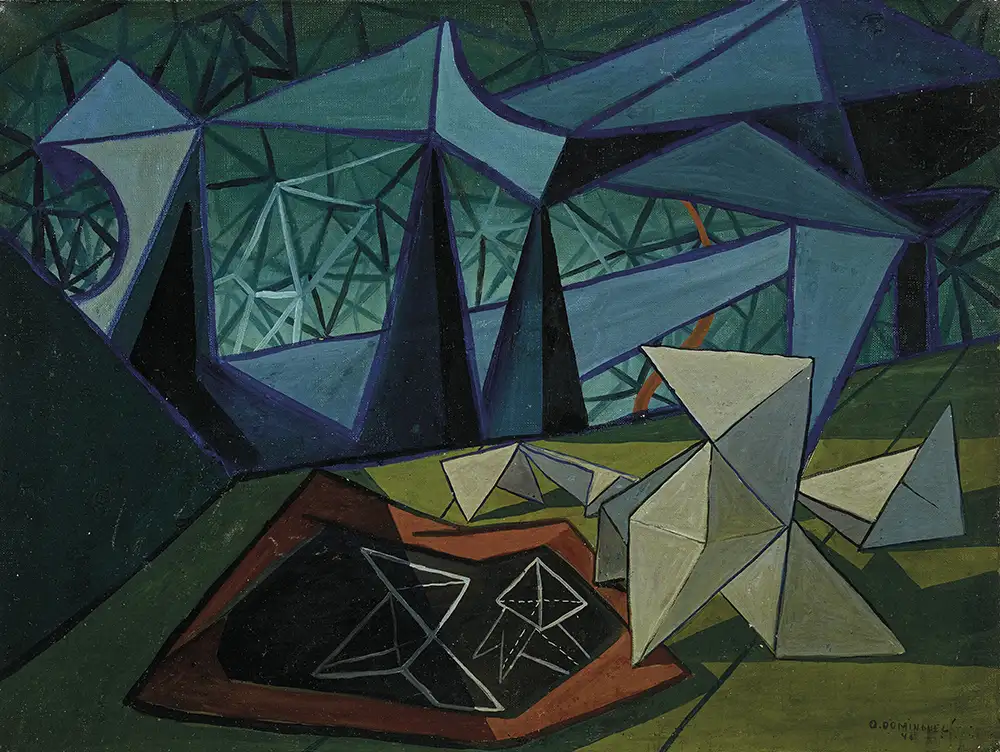
This focus on the creative process connects with Domínguez's ability to subvert forms and alter the relationships between objects. A prime example is Frutero Come Frutas (Fruit Bowl Eats Fruit) , from 1949, a work that once belonged to André Breton and takes the surrealist transformation of everyday elements to its extreme. The encounter between matter, imagination, and strangeness makes the piece a particularly revealing expression of the freedom with which the artist approached his artistic language.
The animal world is another key aspect of the proposal. In Domínguez's work, fish, birds, insects, horses, bulls, crabs, cats, and fantastical creatures do not appear as mere ornamental motifs, but as protagonists of a symbolic universe in which the boundaries between the human, the animal, and the mineral are blurred. These presences become metaphors for desire, violence, instinct, and the unconscious, contributing to an iconography marked by transformation.
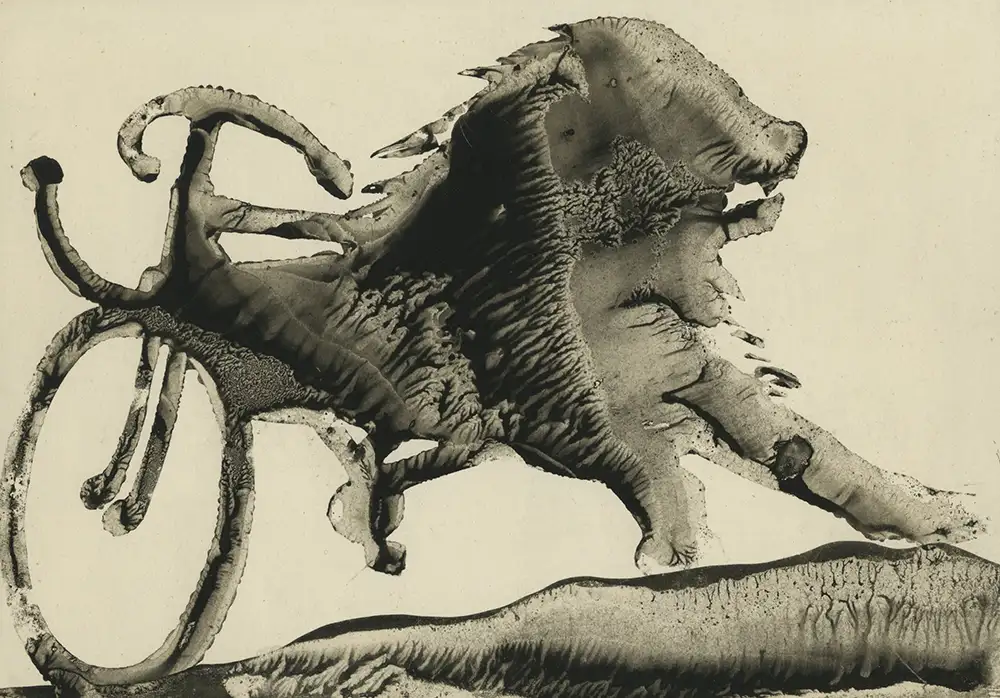
The exhibition culminates with three works from a later period in which Domínguez revisited decalcomania from an even more experimental perspective, approaching solutions that border on abstraction. Le Clown closes the exhibition and, in a way, encapsulates that constant desire to reinvent himself that runs throughout his career.
Domínguez's relationship with the historical core of Surrealism was especially close. André Breton recognized him as one of the movement's most original voices, and his friendship with Breton and Paul Éluard was also reflected in the writings they both dedicated to him and his work. In Trajectoire du Rêve , published in 1937, Breton also pointed to painting as one of the artist's main sources of solace.


You may be
interested
...