Exhibitions
The Reina Sofía expands its narratives to look at the present
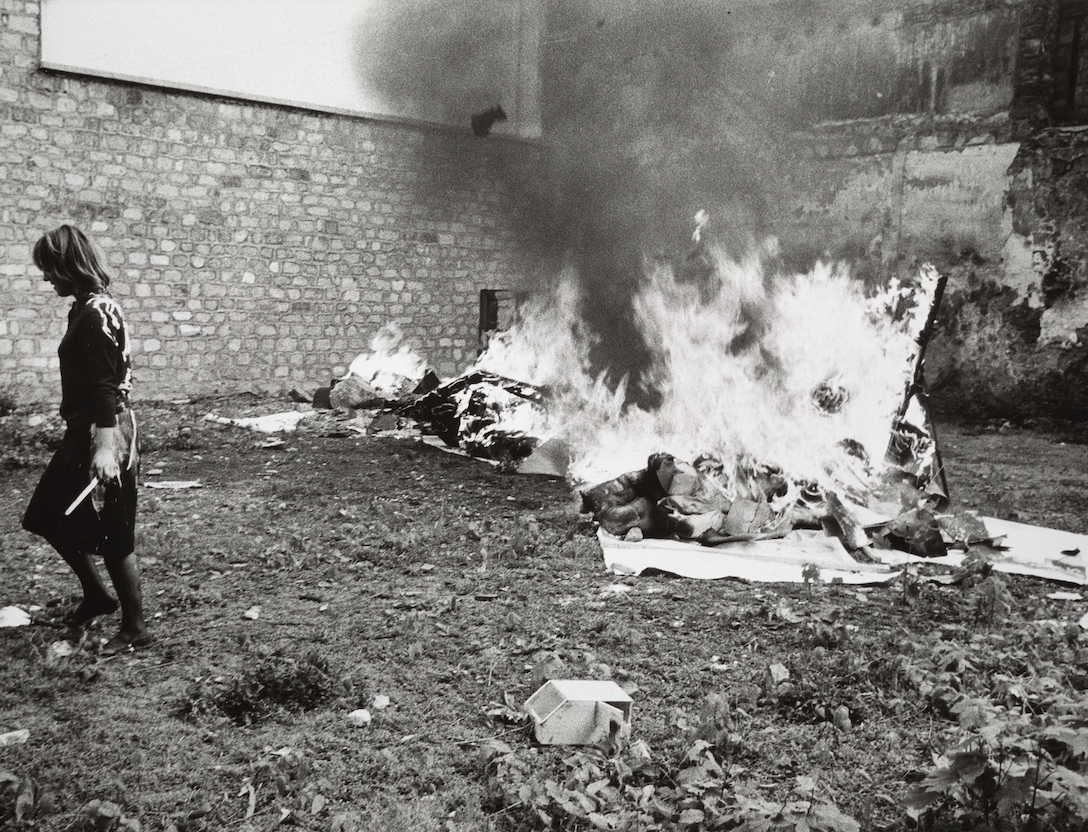
The Reina Sofía Museum is embarking on the new season with the aim of expanding its narratives on modern and contemporary art and opening them up to other geographies, voices, and forms of creation. The museum's director, Manuel Segade, has presented a program that will run from September 2026 to July 2027 and includes nine temporary exhibitions, eight of which focus on women artists.
Eli Cortiñas, Miguel Ángel Rojas, Marta Minujín, Fernanda Laguna, Anne Truitt, Monir Shahroudy Farmanfarmaian, Marlene Dumas, and Pacita Abad headline a season built around different ways of questioning the narratives of modernity. Through monographic projects, many conceived as ambitious international co-productions with European and Latin American institutions, the museum proposes a pluralistic reading that brings together artistic practices, political contexts, memory, exile, gender, and social transformations.
The program will begin in Space 1 with the Canarian artist Eli Cortiñas, who will continue the museum's research into what is known as exhibition cinema. Her project explores the ways in which the West has constructed and perpetuated certain representations of African exoticism, questioning the visual and cultural mechanisms that have contributed to establishing these imaginaries.
This autumn, the Reina Sofía will also welcome two key figures from the Latin American art scene. Colombian artist Miguel Ángel Rojas will present a career marked by his research on drug-related violence, colonial exploitation, and the destruction of his country's ecosystems. Alongside him, Marta Minujín, a leading figure in happenings, installation art, and participatory practices, will bring to the museum an artistic universe based on experimentation and participation.
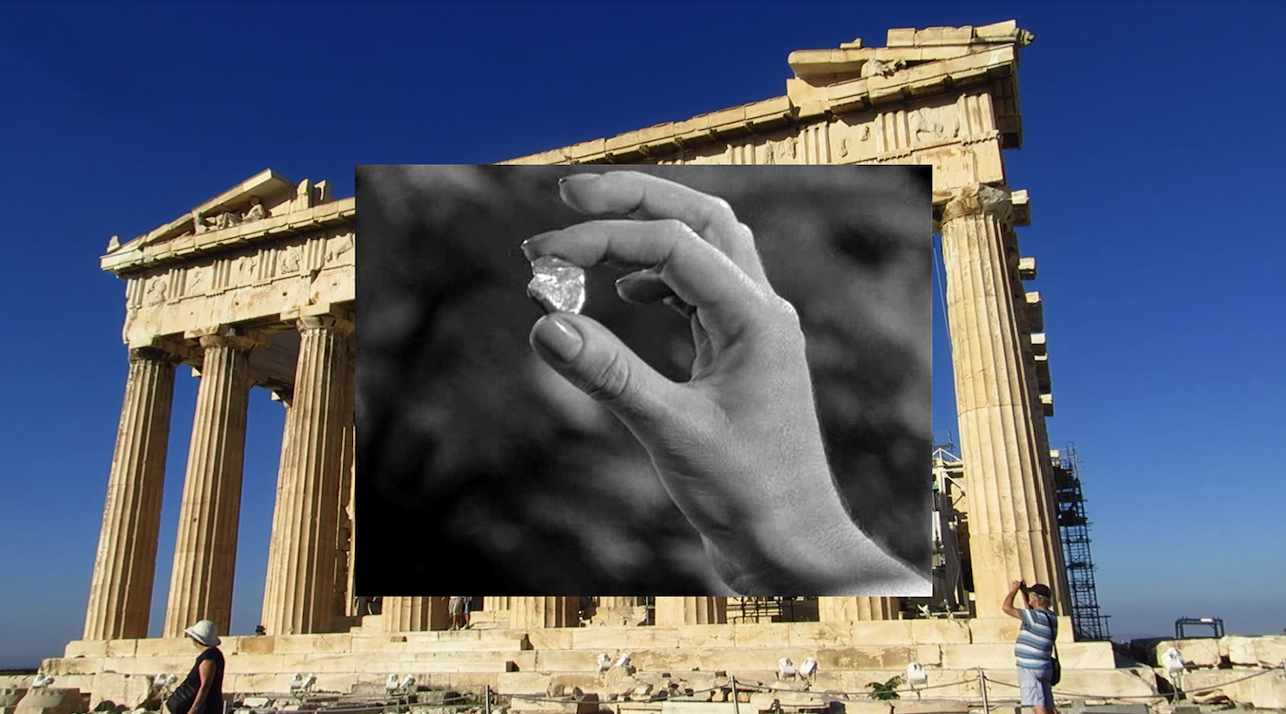
Eli Cortiñas, Museo Nacional Centro de Arte Reina Sofía. The Most Given of Givens, 2016. 3 video channels. © Eli Cortiñas, VEGAP, Madrid, 2026.
The Latin American perspective will continue in 2027 with Fernanda Laguna, whose exhibition will open shortly before ARCO. Her practice occupies a hybrid territory where literature, visual arts, activism, and the management of independent spaces converge. Her work transforms struggles, desires, different generations, and communities into raw material for constructing her own unique language.
The season also proposes a dialogue with the history of minimalism. The exhibition dedicated to Felix Gonzalez-Torres, whose work marks the transition towards new conceptions of space and the art object, will continue until October. In February 2027, Anne Truitt will take center stage in a retrospective that will allow visitors to trace the origins of minimalism and explore the ways in which art conquered space, acquiring an essentially theatrical dimension.
The museum's outreach to other regions continues with the exhibition dedicated to Iranian artist Monir Shahroudy Farmanfarmaian. Following last season's exploration of the complexities of Middle Eastern art scenes through the work of Lebanese artist Huguette Caland, the Reina Sofía will now focus on an artist whose work is closely linked to exile, violence, and memory. Her compositions, created from assembled fragments of mirrors, articulate a poetics in which tradition, abstraction, and personal experience converge.
Collections that are reopening
The 2026-2027 season will also see a renewal of the narrative surrounding the permanent collections. The museum will present a second edition of "History Doesn't Repeat Itself, But It Rhymes" and "Unique Piece ," while also commemorating the centenary of the Generation of '27.
The celebration will involve a new arrangement of several rooms on the second floor, which will allow for the recovery and greater prominence of female artists who still largely remain outside the most well-known narratives of art history.
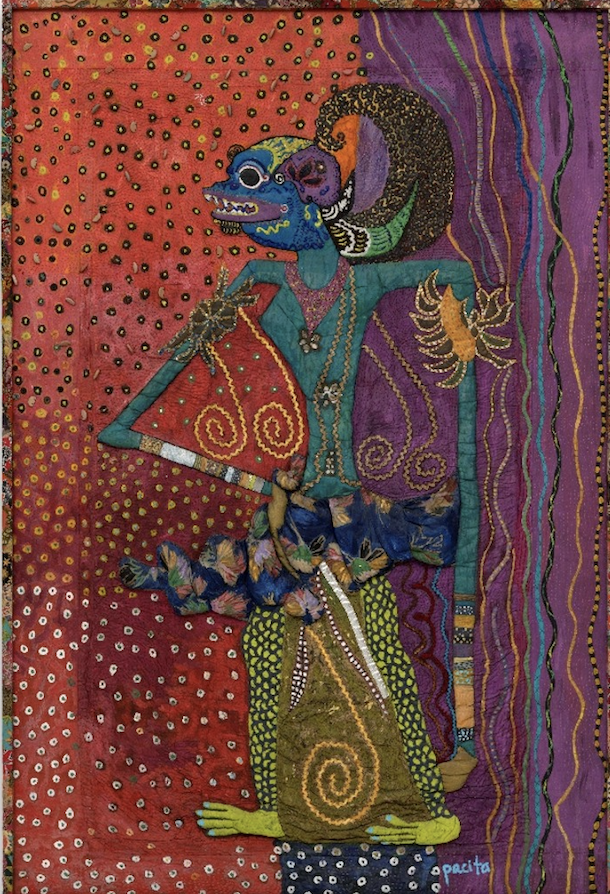
Pacita Abad, Subali, 1983. Pacita Art Abad Estate Singapore. Image courtesy of Pacita Art Abad Estate.
This review will be complemented by an exhibition dedicated to the avant-garde holdings of the Lafuente Archive, which will occupy the Protocol Room of the Sabatini Building. Simultaneously, the Reina Sofía will send 150 works from its collections to the Museum of Modern Art in Warsaw as part of the exhibition Pearls and Scars .
The performing arts are included in the permanent program
One of the main new features of the season will be the continued integration of live arts into the museum's public programs. María Gimeno's performance, Queridas viejas (Dear Old Ladies), and a retrospective of La Ribot's distinguished works will broaden the scope of the programming beyond exhibitions.
Music will also have a prominent presence and will establish a direct dialogue with the Contemporary Art: 1975-present collection. The program will open with Ana Curra, a key figure in Spanish punk, and will continue with Plena Pausa , the solo project by J of Los Planetas, conceived as a soundtrack for Iván Zulueta's previously unreleased short films.
Beyond its exhibition halls, the museum also aims to transform its relationship with the public. New educational projects, revamped interaction with library users, and a boost to digital communication are all part of a strategy to make the institution a more open and participatory space.
In parallel, the Studies program will strengthen research and its connection with local communities. The new professorships and a year-long residency will serve to extend critical thinking beyond the strictly academic sphere.
You may be
interested
...