News
The Door of Hell becomes a collective body for La Mercè
Daniel Esteban reinterprets one of the great symbols of the correfoc with a fourteen-meter monumental installation that claims popular culture as a community space.
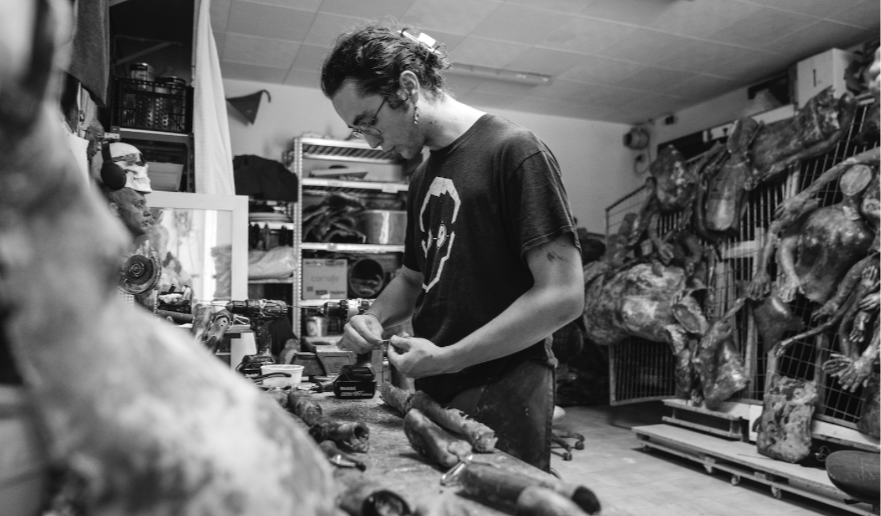
La Mercè will once again open the doors of Hell, but this year it will do so through a new perspective. The correfoc premieres a Door of Hell conceived by visual artist Daniel Esteban, a monumental intervention that transforms one of the most emblematic elements of the festival into a reflection on the strength of community.
The piece is fourteen meters wide—the equivalent of the entire Passeig de Gràcia—and seven meters high. Its structure is made up of fragmented representations of a thousand human bodies that, joined together, build a large sculptural composition. The door thus ceases to be just a scenographic element to become a metaphor for the popular festival: a common construction that only takes on meaning through the sum of many people.
Castellers, dancers, sardanists, cobla musicians, devils and participants in traditional celebrations share the same reality: the festival is born from the community. The new Porta de l'Infern starts precisely from this idea and places the human body at the center of a proposal that observes tradition from a contemporary perspective.
Esteban uses the imagery of hell to transfer it to the present. His proposal is born from reflection on the different forms that everyday hell can take and contrasts this reality with popular culture, understood as a space for meeting, participation and collective organization. The result is a reinterpretation of a traditional symbol that does not seek to reproduce the past, but rather to establish a dialogue with it from the concerns of our time.
A door built from popular culture
The new structure has been promoted by the Barcelona Institute of Culture (ICUB) with the collaboration of the Taula del Foc, the space that brings together representatives of the different fire groups of Barcelona. The creation process has been followed by an advisory committee formed by Mercè Ayora, territorial delegate of Barcelona city of the Agrupació del Bestiari Festiu i Popular de Catalunya; Jordi Ullate, president of the Coordinadora de Diables de Barcelona, and Toni Lucena, vice president of the Federació de Diables de Barcelona.
The Gate of Hell has an essential function within the correfoc ritual. It is the threshold that the gangs of devils cross when the show begins and which symbolically establishes the border between the city and the Underworld. From that moment on, the urban space is transformed and the fire, music and festive imagery turn the street into a grand stage.
Dragons, vibrios, devils and the public take part in a celebration in which tradition ceases to be static and becomes a shared experience. The new gate reinforces this collective and scenic dimension of the festival.
The pyrotechnic proposal will be provided by the pyrotechnic house Estalella, which has designed the show that will accompany the installation. The lighting design and the participation of a group of drummers will complete the staging and add intensity to the moment when the devils climb the arch to light it.
Daniel Esteban and the body as artistic material
The choice of the human body as a central element is not accidental within the career of Daniel Esteban Esquina, born in Barcelona in 2001. A visual artist trained in Visual Development in Barcelona and with a career also marked by self-taughtness, he develops his practice mainly between sculpture and photography.
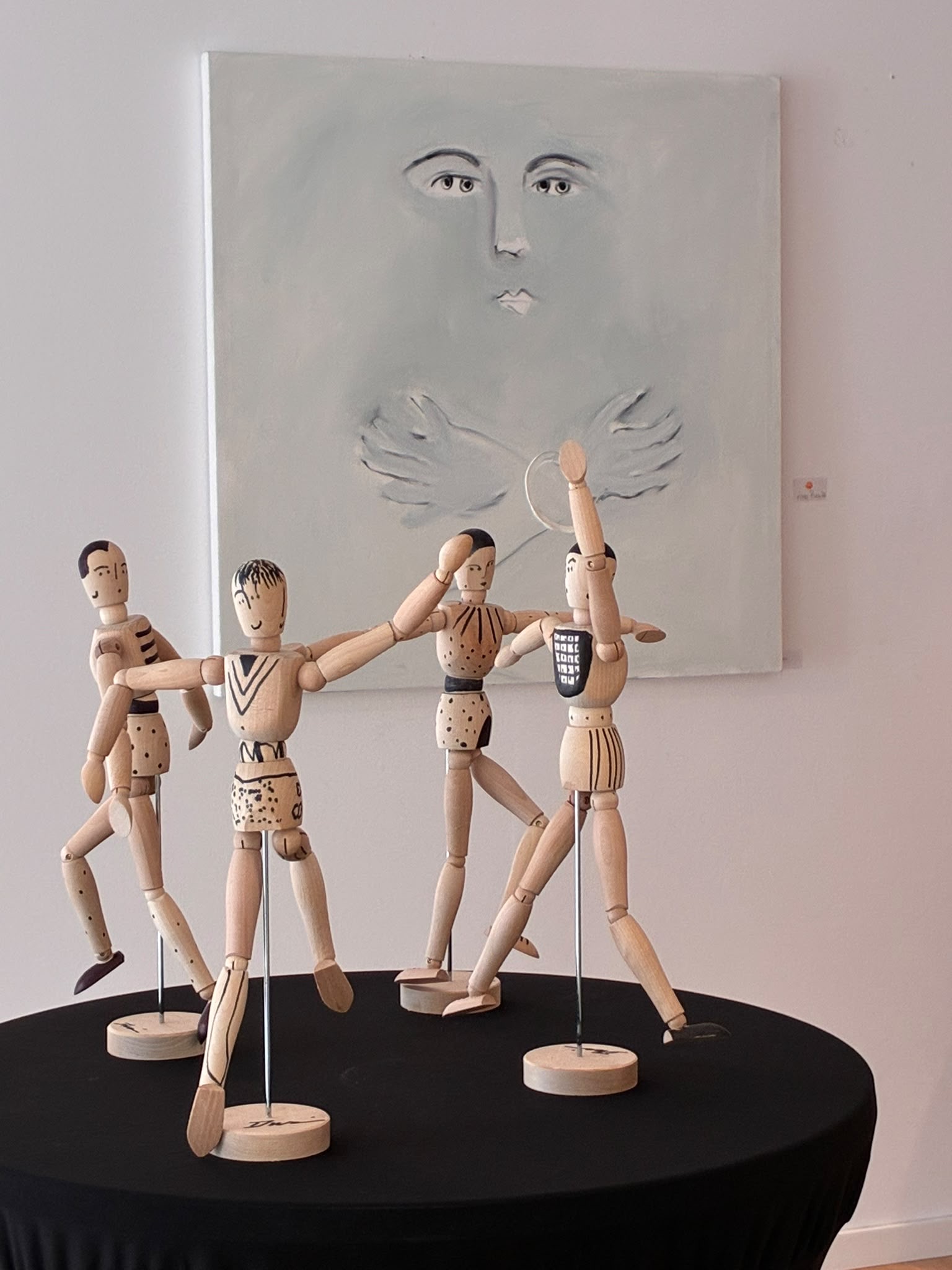
The body, collective imaginaries and popular culture occupy a central place in his production, approached from a critical, ironic and satirical perspective. His creative universe often starts from the forms of puppets, mannequins and figures linked to Catalan popular imagery.
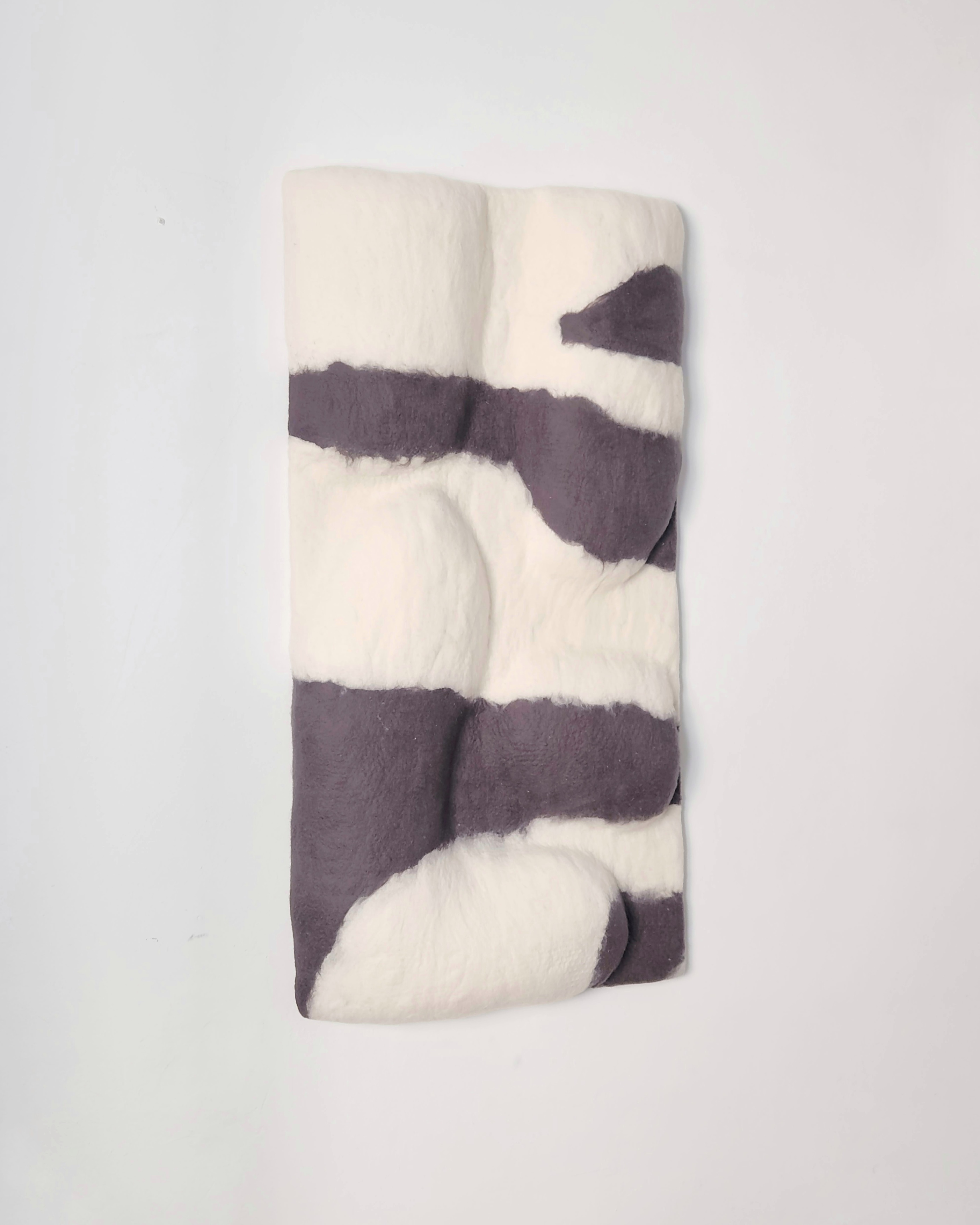
In his works he combines the modeling and assembly of materials such as ceramics, textiles and resin. With the Door of Hell, this investigation into the body and its representations acquires a monumental dimension: the individual figure disappears to give way to a multitude converted into architecture.
His relationship with Catalan popular culture is not exclusively artistic either. Esteban was linked from a young age to organizations such as the Blaus de Granollers and the Xics de Granollers human tower group, experiences that have contributed to building his perspective on tradition and forms of community participation.
His artistic practice has been complemented by participation in sculptural projects by contemporary artists, especially in the production of monumental bronze sculptures, as well as in initiatives related to traditional culture and Catalan popular imagery.

You may be
interested
...