Exhibitions
Pop never dies, and the Guggenheim proves it once again.
The Solomon R. Guggenheim Museum in New York revisits the history and legacy of Pop Art with Guggenheim Pop: 1960 to Now , an exhibition that brings together an eclectic selection of works from its collection and establishes a dialogue between the movement's leading figures and a new generation of artists who continue to question the images, codes, and languages of popular culture. The exhibition will be on view from June 5, 2026, to January 10, 2027.
The exhibition brings together works by 29 artists, including John Chamberlain, Chryssa, Jim Dine, Richard Hamilton, Yayoi Kusama, Roy Lichtenstein, Marta Minujín, Claes Oldenburg, Coosje van Bruggen, Lucas Samaras, and Andy Warhol. Alongside these historical pieces are contemporary works recently added to the collection, by artists such as Mohamed Ahmed Ibrahim, Farah Al Qasimi, Maurizio Cattelan, Alex Da Corte, Daniel Gordon, Douglas Gordon, Martine Gutierrez, Lauren Halsey, Lucia Hierro, Yee I-Lann, Annette Kelm, Tommy Kha, Baseera Khan, Shinro Ohtake, Wendy Red Star, Cara Romero, Liu Shiyuan, and Sheida Soleimani.
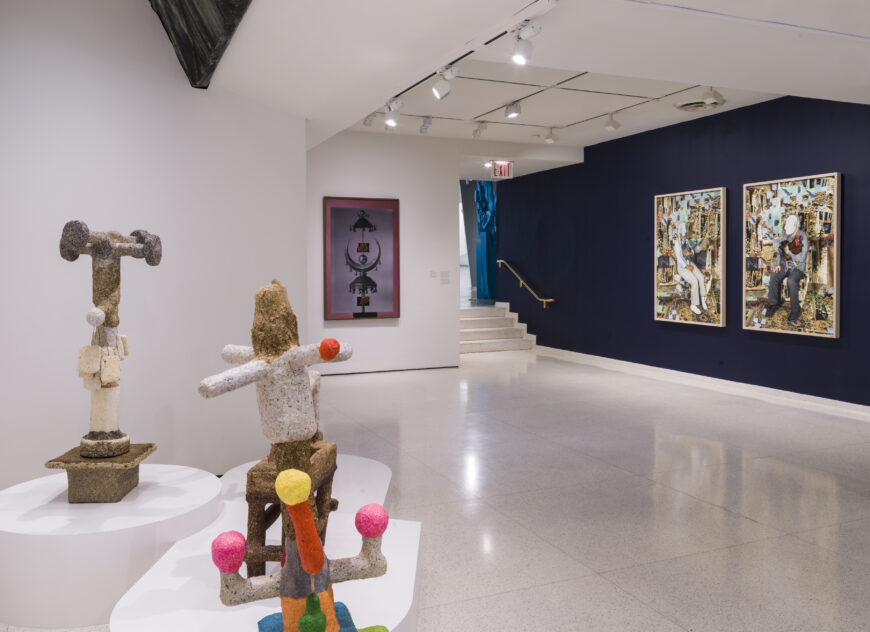
The Guggenheim offers a perspective that extends to the present day. The exhibition shows how its strategies remain active in contemporary art and how advertising, the media, the internet, mass culture, and images of everyday life continue to provide material for reflecting on society. One of the exhibition's starting points lies in a little-known episode in the museum's own history: the role played by the British curator and critic Lawrence Alloway, a key figure in introducing Pop Art to the American public. In 1963, Alloway organized Six Painters and the Object at the Guggenheim, considered the first museum exhibition dedicated to Pop Art in New York.
The historical works brought together in the exhibition allow us to revisit the moment when artists began to appropriate techniques from advertising, industrial reproduction, and mass media. By incorporating images and objects from commercial culture into the realm of art, these creators radically altered the boundaries between art and everyday life.
Decades later, the contemporary artists featured in Guggenheim Pop: 1960 to Now revisit that legacy from very different perspectives. Their works explore issues related to identity, representation, internet culture, and everyday life experiences, while questioning the inherited visual codes of popular culture.
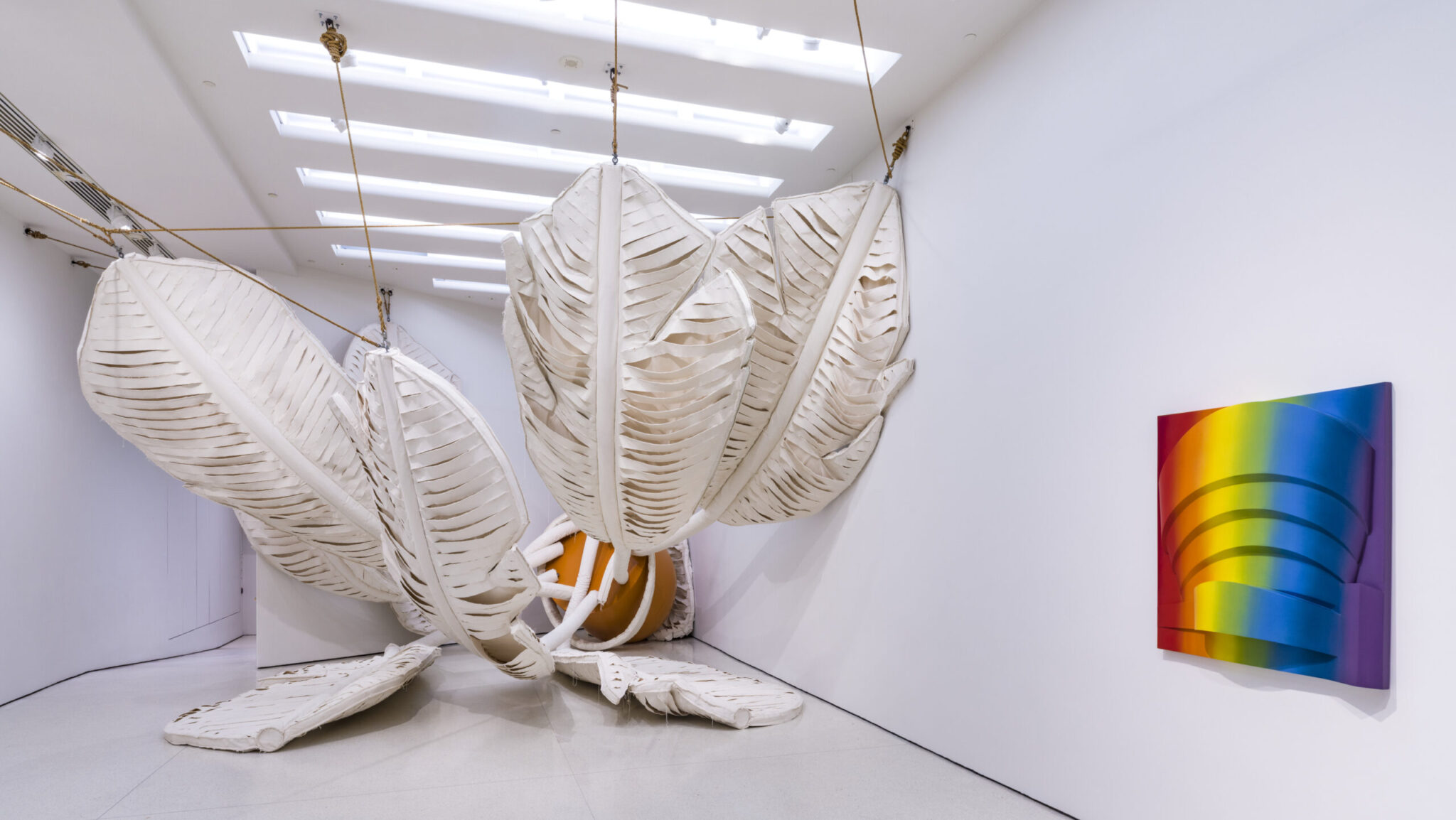
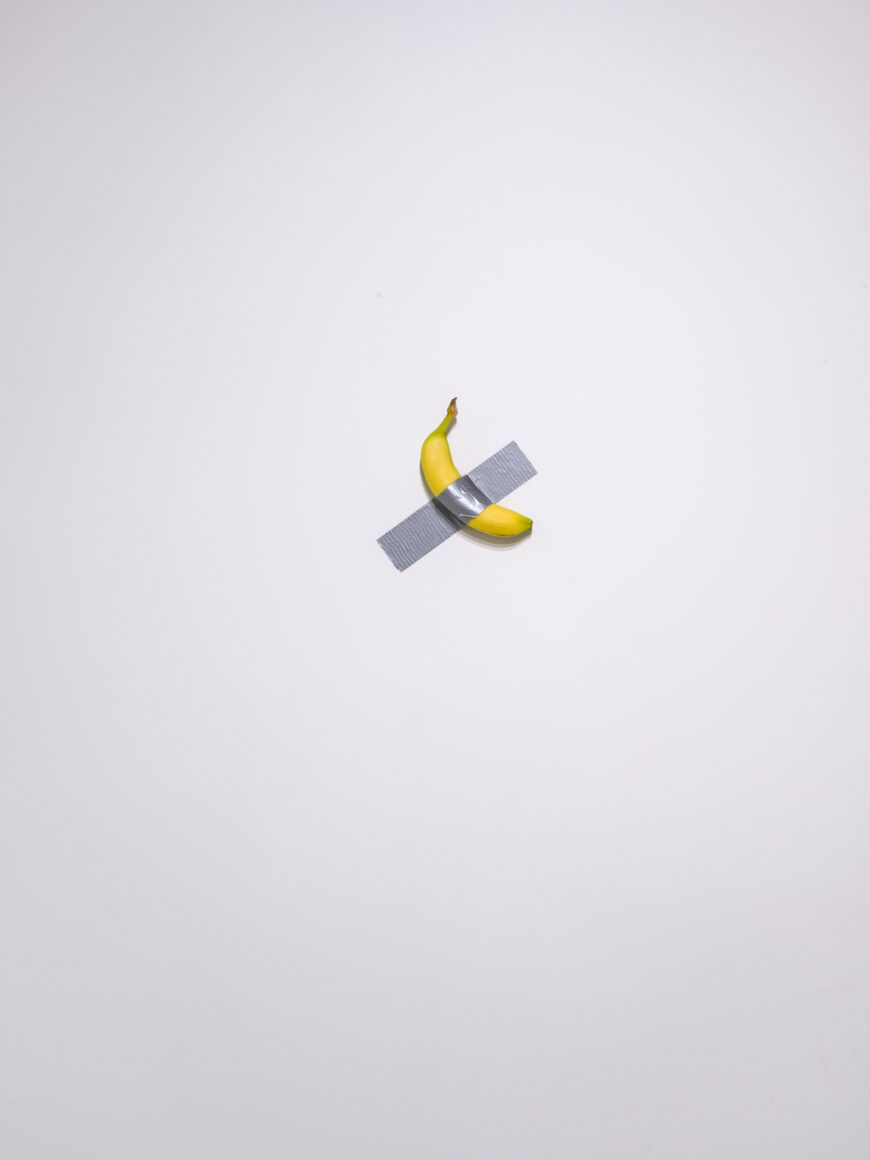
Among the highlights are Maurizio Cattelan’s Comedian (2019), alongside Claes Oldenburg and Coosje van Bruggen’s Soft Shuttlecock (1995), which is being shown again in New York for the first time in 25 years. The exhibition also includes Yayoi Kusama’s INFINITY MIRRORED ROOM – DANCING LIGHTS THAT FLEW UP TO THE UNIVERSE (2019), presented as a featured loan, and Alex Da Corte’s ROY G BIV (2022), a video installation accompanied by recurring live performances.
The exhibition allows visitors to see how Pop Art transformed seemingly banal images into objects of fascination and how it turned commercial products, celebrities, advertisements, and everyday objects into artistic material. But it also reveals how this language has evolved over time and how contemporary artists use the tools of visual culture to raise new questions.
In this transition between the 1960s and the present, the Guggenheim proposes understanding Pop not so much as a closed style as a way of seeing. A way of seeing capable of turning the familiar into the strange, elevating the commercial to an almost sacred dimension, and transforming the banal into spectacle.

You may be
interested
...