News
The Lleida Museum transforms the classroom through heritage
The 2026-2027 educational program incorporates new itineraries, reinforces experiential learning and expands digital and inclusive tools.
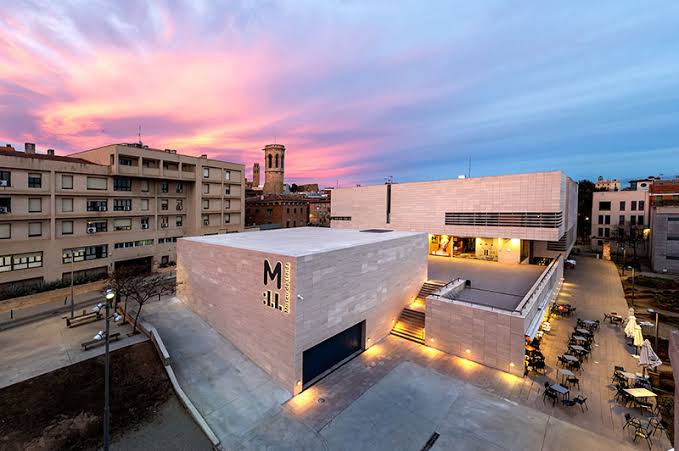
The Lleida Museum presents its new educational program for the 2026-2027 academic year with the aim of turning heritage into a tool for understanding and interpreting today's world. Under the motto Transforming the classroom through heritage , the proposal offers activities aimed at all educational stages, from early childhood education to university, and incorporates new experiential learning methodologies, digital resources and accessibility and inclusion measures.
The program seeks to integrate the heritage of the Terres de Ponent into the school curriculum through competency-based and experiential proposals, which allow students to learn beyond the classroom and establish connections between the past and the challenges of contemporary society.
Among the novelties of the course is "A history that feeds. Are we what we eat?", an activity that proposes to discover the evolution of food through the Museum's collections. With the help of an interactive educational cart, participants travel through the history of eating habits from prehistory to the present day and reflect on issues such as the Mediterranean diet, responsible consumption, local products and the importance of a healthy diet.
The proposal is based on the old "History of Food" itinerary, but incorporates a new approach that allows us to address the changes experienced in current food models and parameters.
The other major addition is "Volaverunt: Goya's engravings to change the world", an activity linked to the temporary exhibition Volaverunt. Goya's engravings in contemporary times , which can be visited from October 29, 2026 to February 28, 2027. Through the work of Francisco de Goya, students will approach fully current issues such as disinformation, fake news , abuse of power or violence on social networks.
In this way, the engravings become a starting point to encourage critical thinking, analyze current reality and reflect on the role of citizenship in the face of present conflicts and challenges.
The program also maintains as one of its main axes the Escoles amigues project, an initiative that establishes stable alliances with educational centers and promotes project-based learning (PBL) projects. In addition to this line, the Service Learning proposals, developed jointly with vocational training institutes in Lleida, are added.
Technology is also playing an increasingly important role within the Museum's educational proposal. In this area, the Ludimus project expands the interactive resources available to the centers and incorporates as its main novelty the web video game Explora Ilerda. Viatge al past .
The experience allows students to continue the learning process after the visit to the Museum through a three-dimensional virtual environment in which they can interact with characters and spaces from the ancient Roman city of Ilerda.

You may be
interested
...