Exhibitions
The MNCARS recovers the memory of Blanca Sánchez, a key figure in Madrid's culture
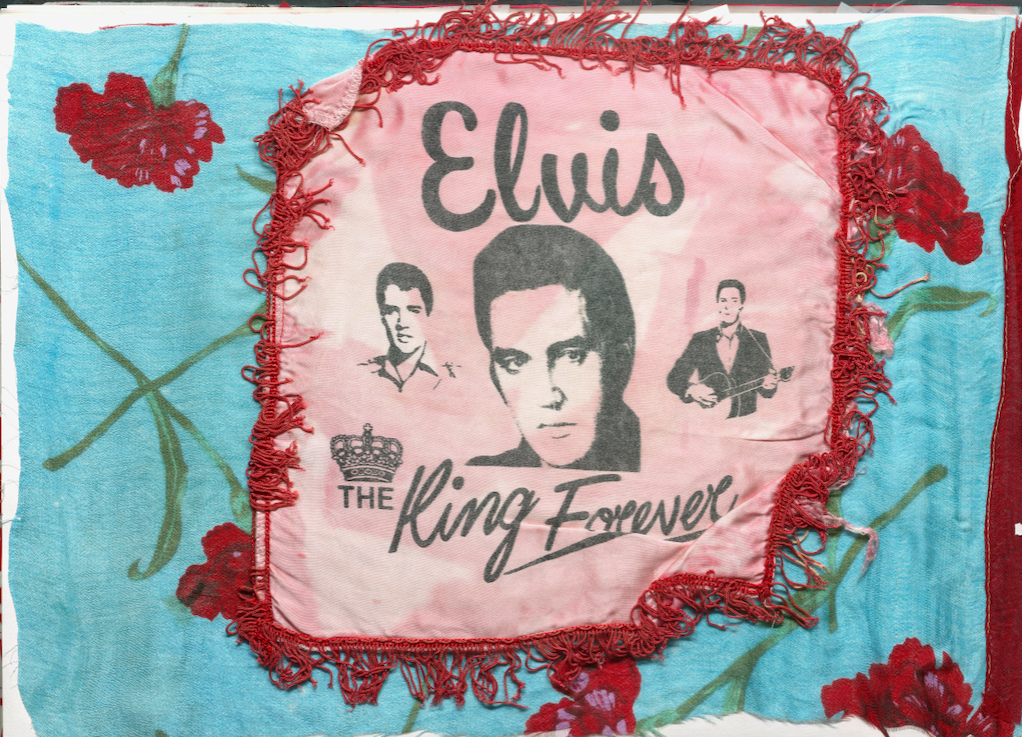
The Reina Sofía Museum Library presents, until October 9, 2026, Milk, snow, tear, hand. The know-how of Blanca Sánchez , an exhibition that recovers the career of Blanca Sánchez Berciano, curator, cultural manager, collector and one of the fundamental figures of the Madrid cultural scene of the last decades of Francoism and the Transition.
The exhibition, which opens on June 26, brings together nearly one hundred items from the Blanca Sánchez Berciano Archive at the Reina Sofía Museum Library and Documentation Centre. Letters, postcards, photographs, administrative documents, magazines, vinyl records, posters, and various objects allow visitors to reconstruct a professional and personal journey marked by the constant interaction between art, popular culture, and personal relationships.
This collection is complemented by six notebooks of collages and drawings by Sánchez, which have been digitized and made accessible through two audiovisual presentations. The result is not merely a documentary exhibition, but rather an exploration of a creative process and work based on free association, accumulation, and the ability to forge connections between seemingly disparate materials.
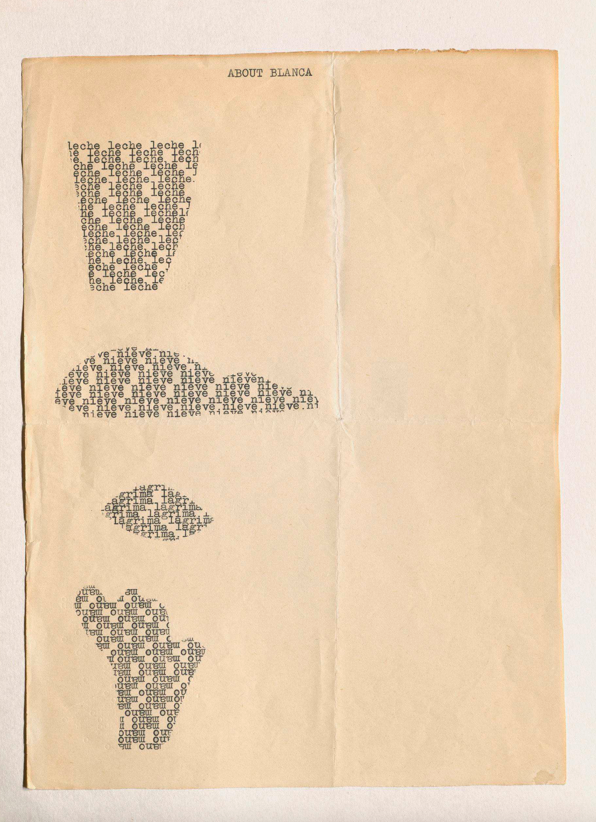
Blanca Sánchez, Blanca Sánchez Archive, Library and Documentation Centre of the Reina Sofía Museum ©Heirs of Blanca Sánchez.
The proposal has been conceived as a collective curatorial exercise by the students of the Curatorial Practices itinerary of the Master's Degree in History of Contemporary Art and Visual Culture, jointly organized by the Autonomous University of Madrid, the Complutense University of Madrid and the Reina Sofía Museum.
Blanca Sánchez trained in London, Frankfurt, Paris, and Cologne before returning to Madrid in 1971, during the final years of the Franco regime. For nearly four decades, she was intensely active in various cultural fields. She worked at the Vandrés galleries between 1971 and 1980 and at the Vijande galleries between 1981 and 1986, and was also a member of the Círculo de Bellas Artes team between 1992 and 2006.
His activity extended far beyond the strictly institutional and gallery sphere. Sánchez participated in film and artistic projects and maintained a close friendship with Pedro Almodóvar, collaborating on Pepi, Luci, Bom and Other Ordinary Girls (1980). He also worked on Iván Zulueta's short films and developed an extensive career as an agent for artists and musicians, including Carlos Berlanga and Alaska y Dinarama.
In 1987, he also curated an exhibition dedicated to Andy Warhol at the Círculo de Bellas Artes. At the same time, he built a significant art collection linked to his own experiences and relationships within the cultural world.
Although many of the documents gathered evoke the atmosphere of the Movida Madrileña, the exhibition avoids reducing Sánchez to that historical episode. The exhibition explores his entire career and emphasizes a creative practice that remained consistent over time. The difficulty in establishing a precise date for some of the materials becomes, in fact, one of the exhibition's key curatorial elements.
In the center of the room, a large table recreates Blanca Sánchez's workspace, conceived as a place where materials of very diverse nature coexist. Documents, flowers, chocolate wrappers, sugar packets, photographs, and clippings are gathered without hierarchy, following intuitive associations reminiscent of the workings of her own collages.
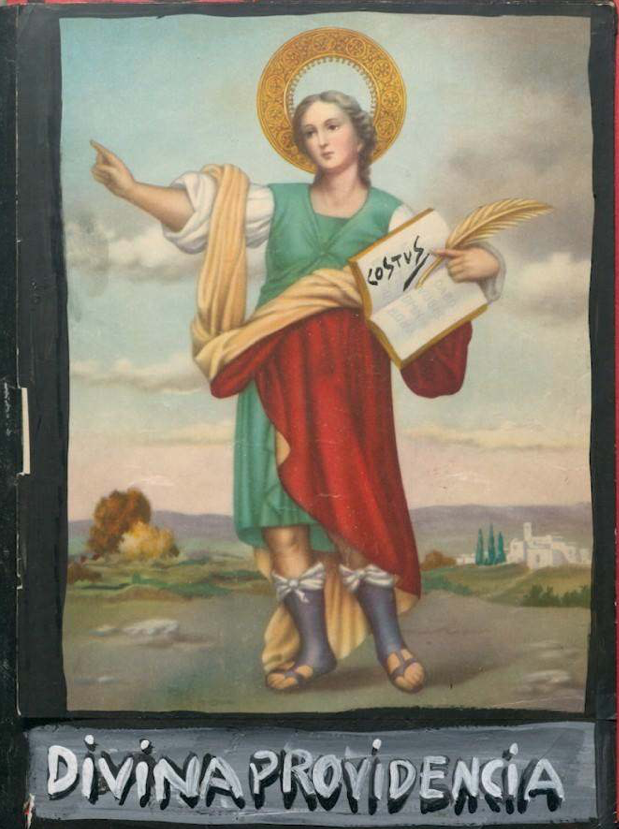
Also included are notes related to his professional activity, which help us understand how this seemingly random accumulation actually followed its own logic. For Sánchez, collage was not only an artistic technique, but also a way of organizing thought, work, and daily life, connecting tasks, people, times, and experiences.
The exhibition thus celebrates a figure whose importance lies not only in the projects she participated in, but also in a particular way of relating to culture. In Blanca Sánchez's world, high culture and popular culture were not opposing territories, but rather spaces capable of meeting and influencing each other. "Milk, Snow, Tear, Hand" recovers precisely this territory of contact to show how, behind a career linked to some of the most recognizable names and episodes of contemporary Spanish culture, there also existed a daily practice of observation, association, and creation.

You may be
interested
...