Exhibitions
Fundación Mapfre celebrates World Photography Day with free entry to KBr Barcelona
The photography center will offer free access on August 19, an opportunity to visit the exhibitions dedicated to Minor White and Joaquín Tusquets de Cabirol.
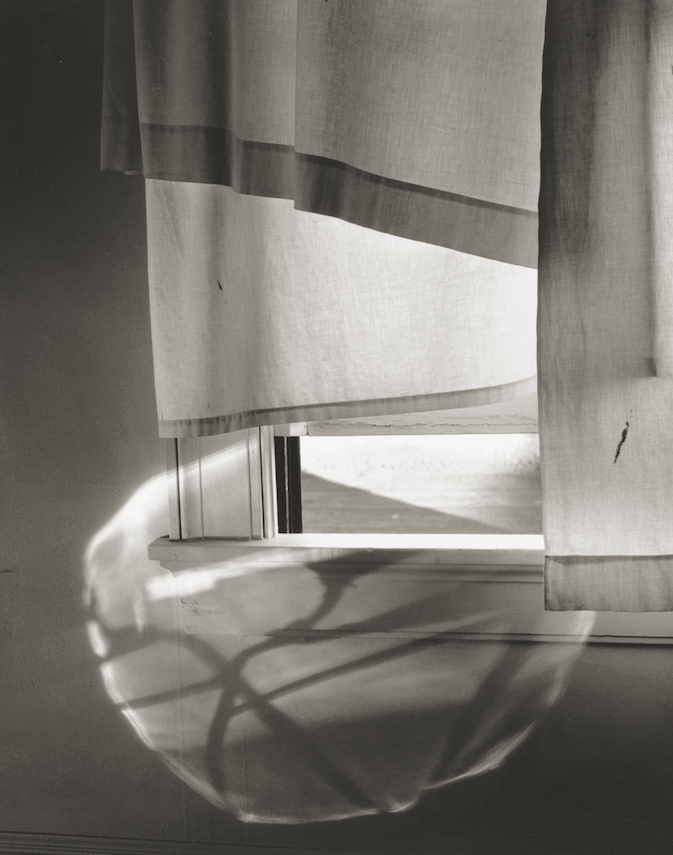
The Mapfre Foundation joins the celebration of World Photography Day with a free admission day at KBr Barcelona next Wednesday, August 19. The initiative will allow visitors to visit the two exhibitions currently occupying the center's spaces free of charge: Minor White and Joaquín Tusquets de Cabirol. The Eloquent Form , which can be seen until September 6.
The KBr's programming thus maintains two of its main lines of work: the recovery and dissemination of essential figures in the history of 20th-century photography and the collaboration with Catalan institutions that preserve archives and photographic collections.
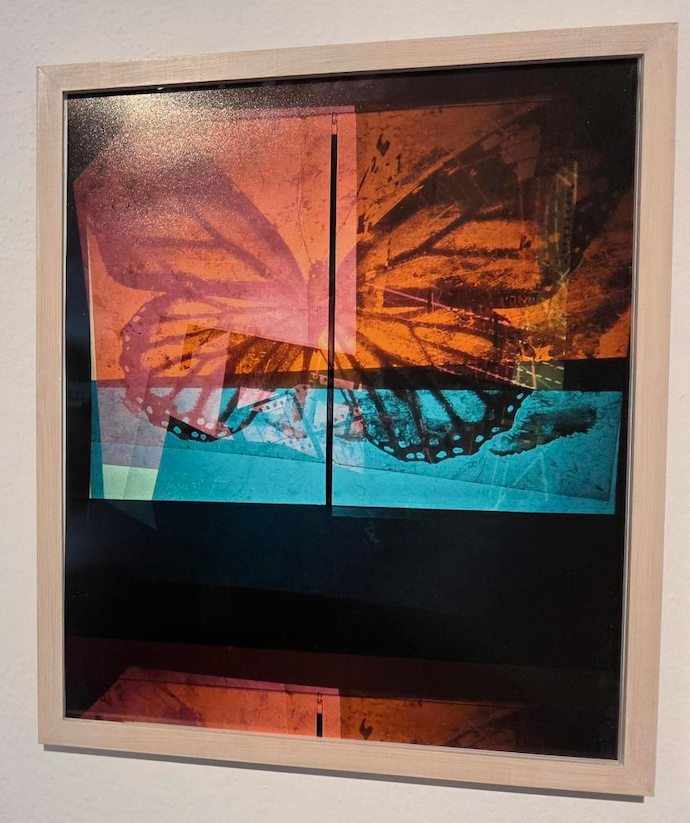
In Space 1, the exhibition dedicated to Minor White brings together nearly 250 period prints and constitutes the first major retrospective of the work of the American photographer presented in Europe. Considered one of the most complex and influential figures in 20th-century American photography, White developed a body of work marked by formal research, the symbolic dimension of images and the construction of photographic sequences.
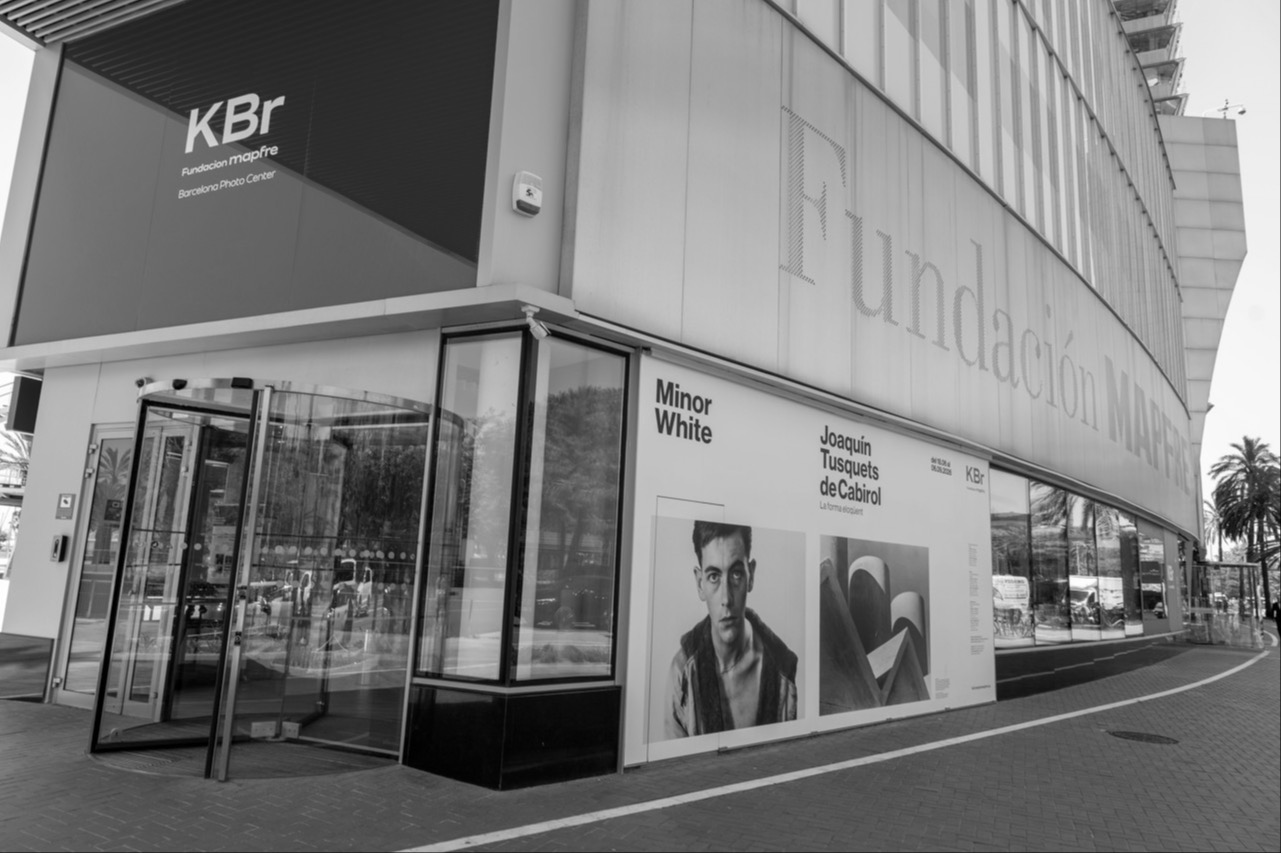
The tour is organized chronologically in four sections that allow us to follow the main stages of his career and is structured around the photographic sequences that the artist himself conceived. The selection is completed with other works that White did not include in these series and with around thirty objects that allow us to delve deeper into his activity as a teacher, editor and curator.
Espai 2, meanwhile, hosts Joaquín Tusquets de Cabirol. The Eloquent Form , an approach to the work of this amateur photographer active between the 1940s and 1960s. His work offers a particular look at everyday life during the post-war period and highlights the role of amateur photography in the construction of the visual memory of Catalonia and Spain.
The Tusquets de Cabirol collection consists of nearly 5,000 negatives and a thousand positive copies. The recent recovery and identification of a large part of this archive has allowed a production built on the observation of the everyday world to be put back into circulation.
His photographs cover coastal spaces, urban landscapes and rural environments, but also domestic moments and anonymous scenes. They are apparently simple images that, taken together, form a portrait of post-war society and the ways of life of an era.

You may be
interested
...