
Opinion
Of triads and pixels: Miró-Gaudí-Gomis to La Batlló
I hadn't set foot in Casa Batlló for years: perhaps stunned by the lights on the facade, or by the kitschy advertising from a while ago or even some very questionable interventions (those roses on the balconies on a Sant Jordi that is years old...). La Batlló has been in the hands of the Bernat family of Chupa Chups for a few decades, and has been carrying out irregular artistic performances in the body of a house that is already a first-rate work of art in itself, and which, it must be added, is subtle and delicate. La Batlló has also done some meritorious things: the city will never be grateful enough for the careful and enormous work of restoring Gaudí's headquarters. Or the exhibition that they opened this summer -dedicated to the Miró-Gaudí-Gomis triad-, which, due to its novelty, should be passed through the sieve of a critical gaze.
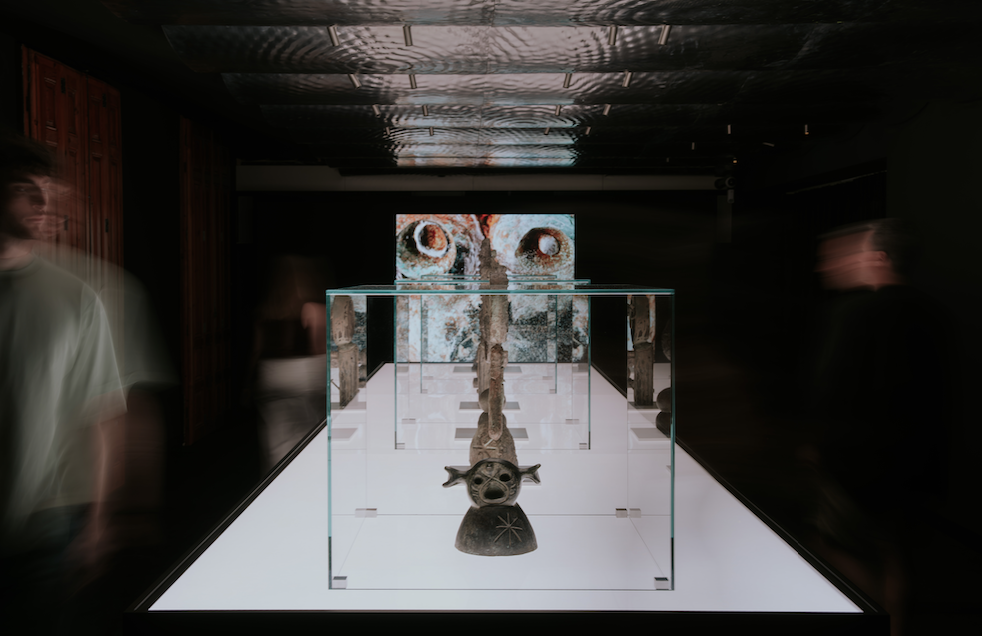
At first I am left with the attitude of the Batlló of opening up to collaborations (Miró Foundation, MACBA), with more singular and collected exhibition projects, fleeing from the tourist artistic action and giving up a floor - the second - for temporary exhibitions. The exhibition reinterprets original works by Miró from the foundation, makes one of the country's great photographers grow in value (Joaquim Gomis: he is displayed in an exhibition like never before) and opens us up to a new angle of contemplation of the Gaudí house (the wonder of the interior courtyard, the marquetry of the windows and doors...).
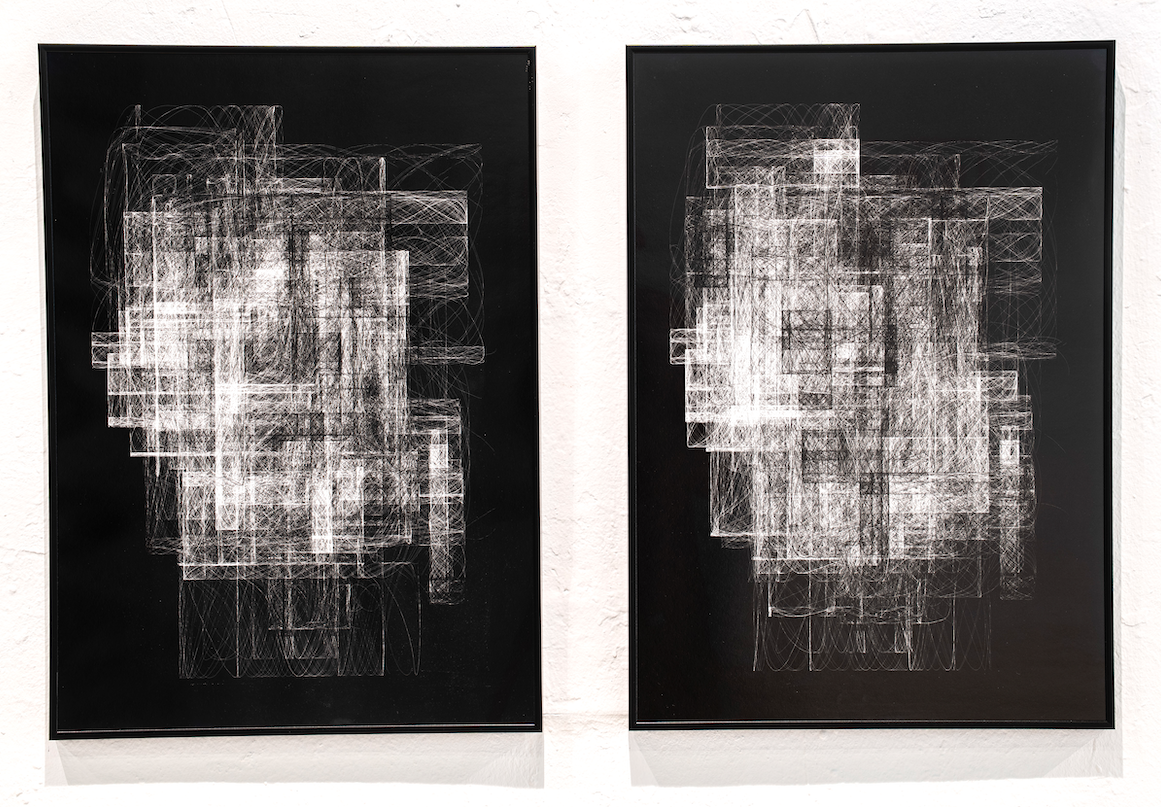
Now: the exhibition bases its engine on techno-digital innovation (the house's trademark) to better explain this triad of colossal artists; but it must be remembered that depending on how these resources are used, in an exhibition context, they can represent a limit rather than an opening of vision. Great exhibitions are also - and above all - about powerful ideas, subtle prisms of reading, which techno-optimism often obscures and relegates to the background. In this way, formal technical possibilities are stretched to the maximum - obsessive scanning of Miron sculptures and generative audiovisuals by Tomorrow Bureau -, sculptural backlighting (which does not allow you to enjoy the skin of the work), atmospheric sound experimentation (which distracts the gaze). It is not necessary to think - rather it is prevented - when you are enraptured and exultantly watching a digital effect.
The sleight of hand does not hold if behind the artifice there is a lack of a singular narrative or more genuine pieces to accompany the always subtle Mironian thought. If we talk about the telluric Miró, we must do so not so much from bronze as from the work with stones and organic materials (which is where his subversion began and where we find the most decisive Miró); and if we talk about deconstruction, from his anti-monuments or more subversive work, rather than from the pixel; or engraving pieces of more material experimentation (they are shown from the Gaudí series, but the link with Gaudí goes far beyond the title of a series: it is about forms, materials, organicity).
La Batlló has a turnover of eighty million euros and generates twenty million euros in profits: which should also be used to go beyond the paths set by the company's core values and targets, which is where things will come into play: to look at and think about subtle and profound art; to seek new lateral and transversal perspectives on the history of art; to expand collaborations with artists, also beyond the digital realm.
And yet: we must celebrate a new art gallery in the city, expecting much more from the second floor of La Batlló.


You may be
interested
...