Opinion
elBulli, from the kitchen to the museum
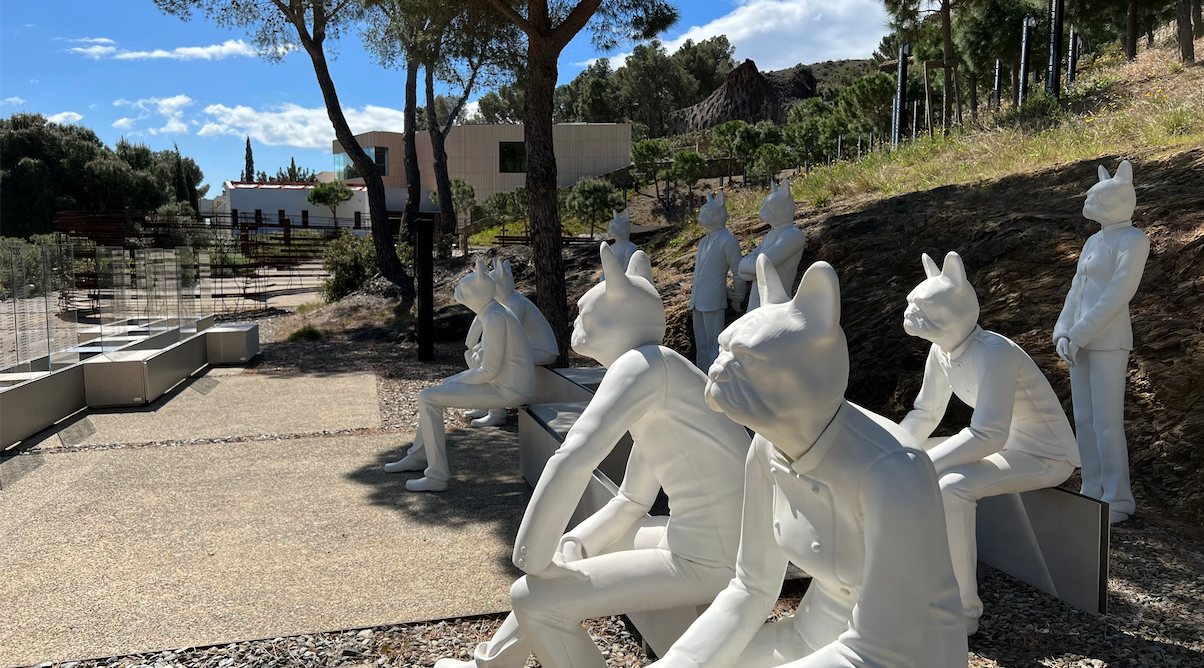
We have lived some unforgettable years in which research, innovation, the desire to grow the imagination with technological or scientific codes have turned the kitchen into an experimental laboratory, in which tradition and innovation have gone hand in hand and have left aside the inevitable need for nutrition and routine food. Science detected allergies, organic farming was commercialized for ordinary consumption and restaurant menus turned a page on the traditional menu; allergens entered the menu with personalized menus and chemistry and physics changed the taste of the palate. This sense came out of ostracism. Sight or hearing, pleased with a world full of screens and headphones, gave way to smell and taste, two underestimated, less developed and perceptible and less shareable senses, since the experience of eating belongs to each one.
There remained edible art and colorful food, linked to pop aesthetics, to cooking as a ritual or to tradition from an anthropological sense. The explosion of el Bulli in Cala Monjoi thanks to Ferran Adrià and Juli Soler changed things. Over the course of the small restaurant that Hans and Marketta Schilling, its founders, opened in 1957, they created an empire of sophistication in which process, material and form came together to transform eating into a unique experience, into knowledge and into business. Montaigne's sentence —“You are what you eat”— was perfectly fulfilled, but it had an extra, because it was about “being happy”. The website of the elBulli1846 Museum, which has become the space of the restaurant in Cala Monjoi, insists on the search for happiness through food or a visit to the museum, and the team serves as an example: one by one, they sketch a laugh in front of the camera. And in the development of this innovative cuisine in recent years, with a sophisticated working methodology, there is a conceptualization of the process, a change in the utensils, the wardrobe and the design of the kitchens. These are kitchens with views, and diners have access to the work process, to see how a leek is cut or coriander is added.
Being happy from a unique experience: tasting, swallowing, a vital action that traveled to the Documenta in Kassel in 2012 as the end of a journey of successes and that qualified elBulli's work as a work of art. Certainly, elBulli's proposal generated an explosion of new restaurants derived from this desire to taste another food in a time of little hunger. This sophisticated alchemy has a point of the mannerism in which the behavior of our society has derived. elBulli closed on time, we do not know where the world will turn from now on, and hunger has once again taken over the hateful wars that grip the world, in which the enemy's humanitarian aid flour is contaminated with drugs and uncertainty contrasts with the fact of being happy. But with the elBulli1846 Museum we can remember good times, an unrepeatable historical moment, and enjoy the imprint of culinary innovation that took place, exceptionally, in Catalonia. Marketta Schilling's dogs, with their ears pricked, will accompany us through every corner of this unforgettable place.

You may be
interested
...