Exhibitions
A guided tour to rediscover the critical universe of Eulàlia Grau
Eulàlia Grau (Terrassa, 1946) is one of the most relevant artists of the post-Franco transition, recognized for combining avant-garde and activism. Her work reflects a deep ethical commitment, highlighting the manipulation of the image and discrimination against women.
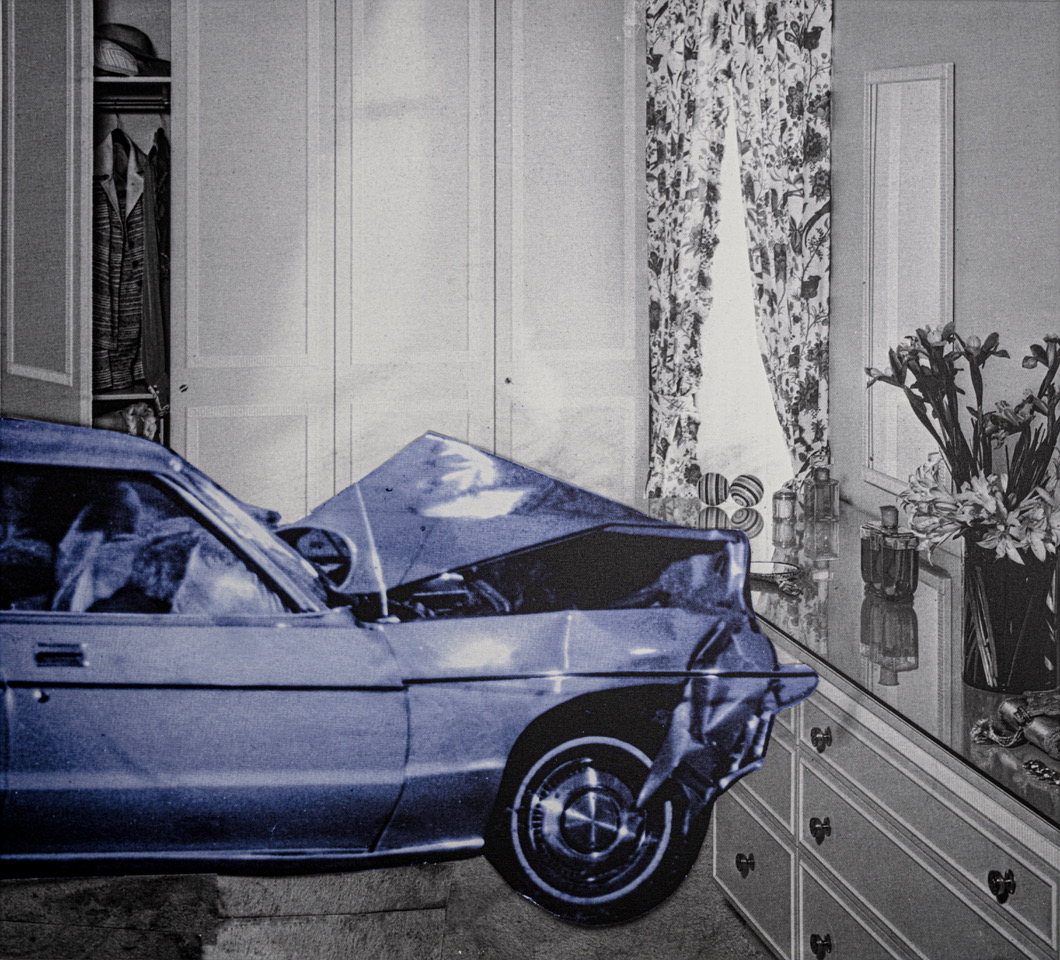
The Government Exhibition Hall is hosting a new exhibition dedicated to the avant-garde artist Eulàlia Grau, one of the most prominent voices of committed art in the second half of the 20th century. Under the title Art as an ethical commitment , the exhibition —opened this evening— offers a journey through the career of the author , recognized for her critical perspective and social discourse. The exhibition can be visited for free until October 26.
The exhibition, curated by Bonart director Ricard Planas Camps, vindicates Eulàlia Grau's ability to turn art into a genuine tool for reflection and social questioning. The exhibition invites the public to enter an intense and provocative visual universe, where the image becomes a vehicle for thought and an instrument of criticism.
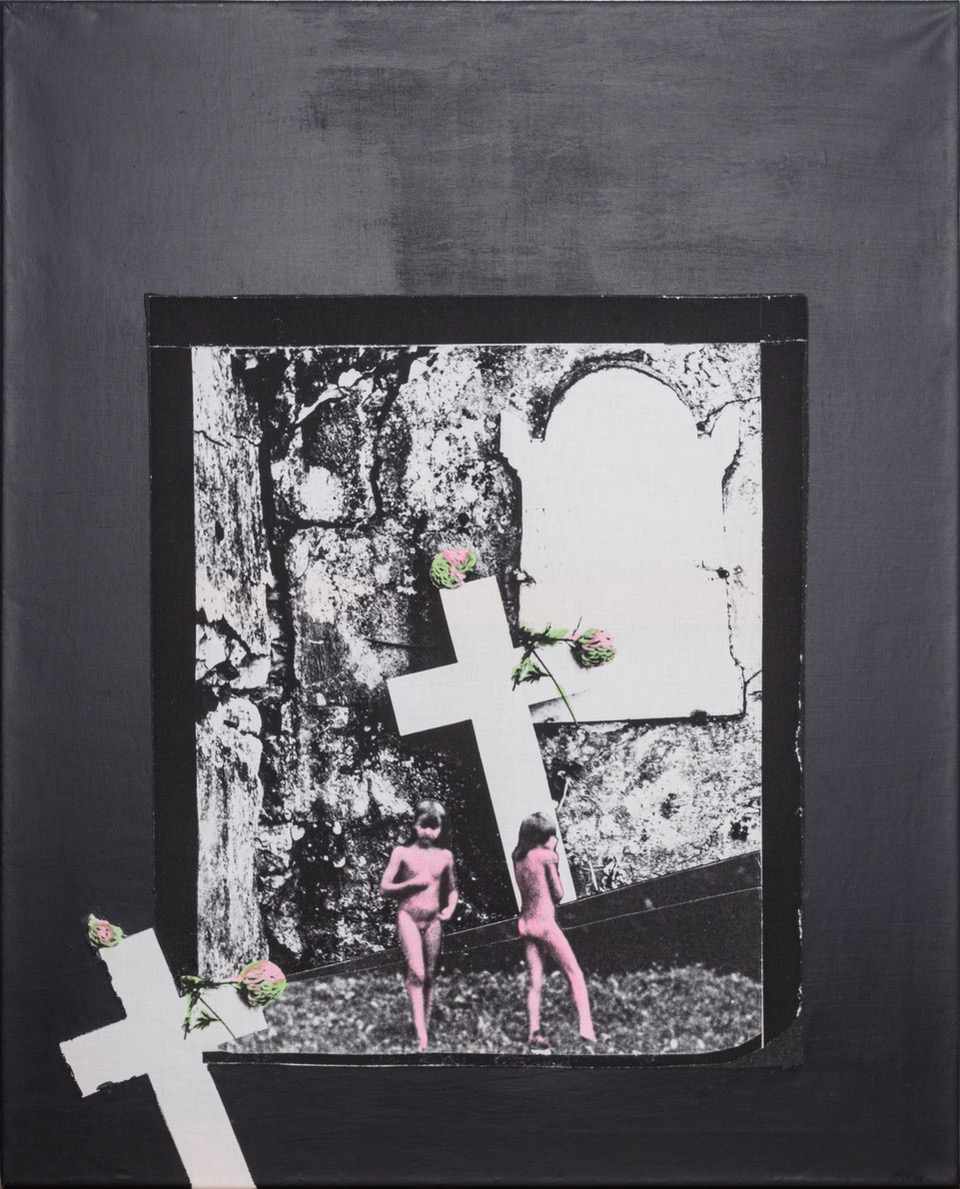
Through a broad and chronological journey through his career, the proposal brings together a representative selection of his production, from his earliest works to his most recent creations. You can see photographs, collages, screen prints, books, posters and videos, formats that Grau has used with great expressive freedom to question dominant discourses and highlight social inequalities.
Among the most relevant works on display, the series Ethnographies, Discrimination of Women, The Culture of Death and …Inventemos también nosotros… stand out, authentic milestones in her production and testimonies of her critical and feminist perspective. The exhibition is completed with recent audiovisual productions that keep alive her combative attitude and her ethical commitment to contemporary reality, confirming Eulàlia Grau as an essential voice in the history of avant-garde art and visual thought in our country.
On October 8, a special opportunity will be presented to discover the universe of Eulàlia Grau through a guided tour of the exhibition Art as an ethical commitment , a free activity with mandatory prior reservation.
This exhibition brings together for the first time the artist's video work in its entirety, exhibited in dialogue with a retrospective selection of his most significant pieces. According to curator Ricard Planas, this proposal allows us to delve deeper into the evolution of Grau's visual language and highlight the coherence of his ethical and artistic commitment throughout his career.

You may be
interested
...