Exhibitions
Between the body and the cosmos, the gaze of Robert Llimós
Can Framis claims the conceptual phase of the Barcelona artist with an exhibition that, after his death, becomes a tribute to his legacy and connects the research of the seventies with his universe of cosmic beings.
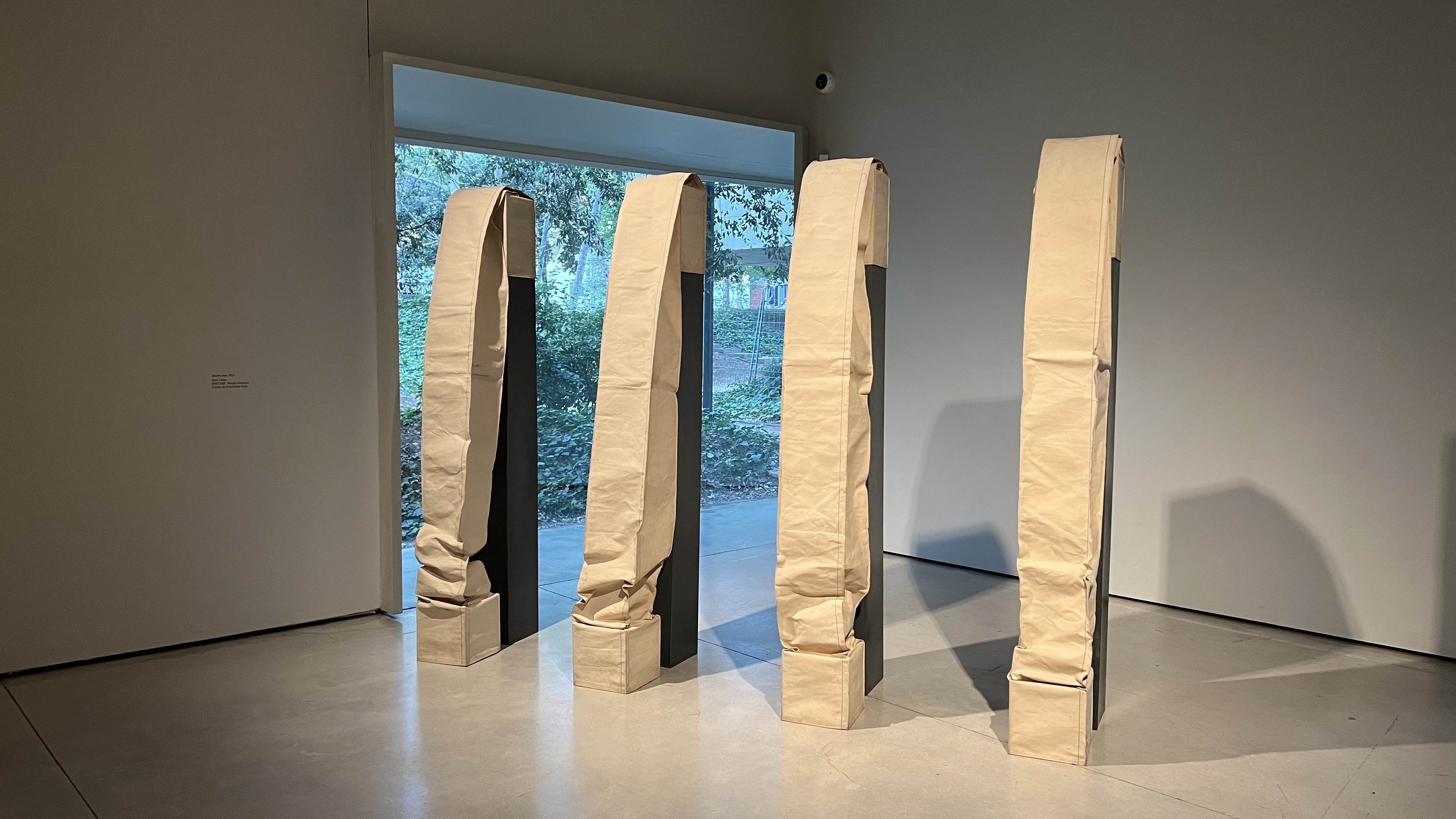
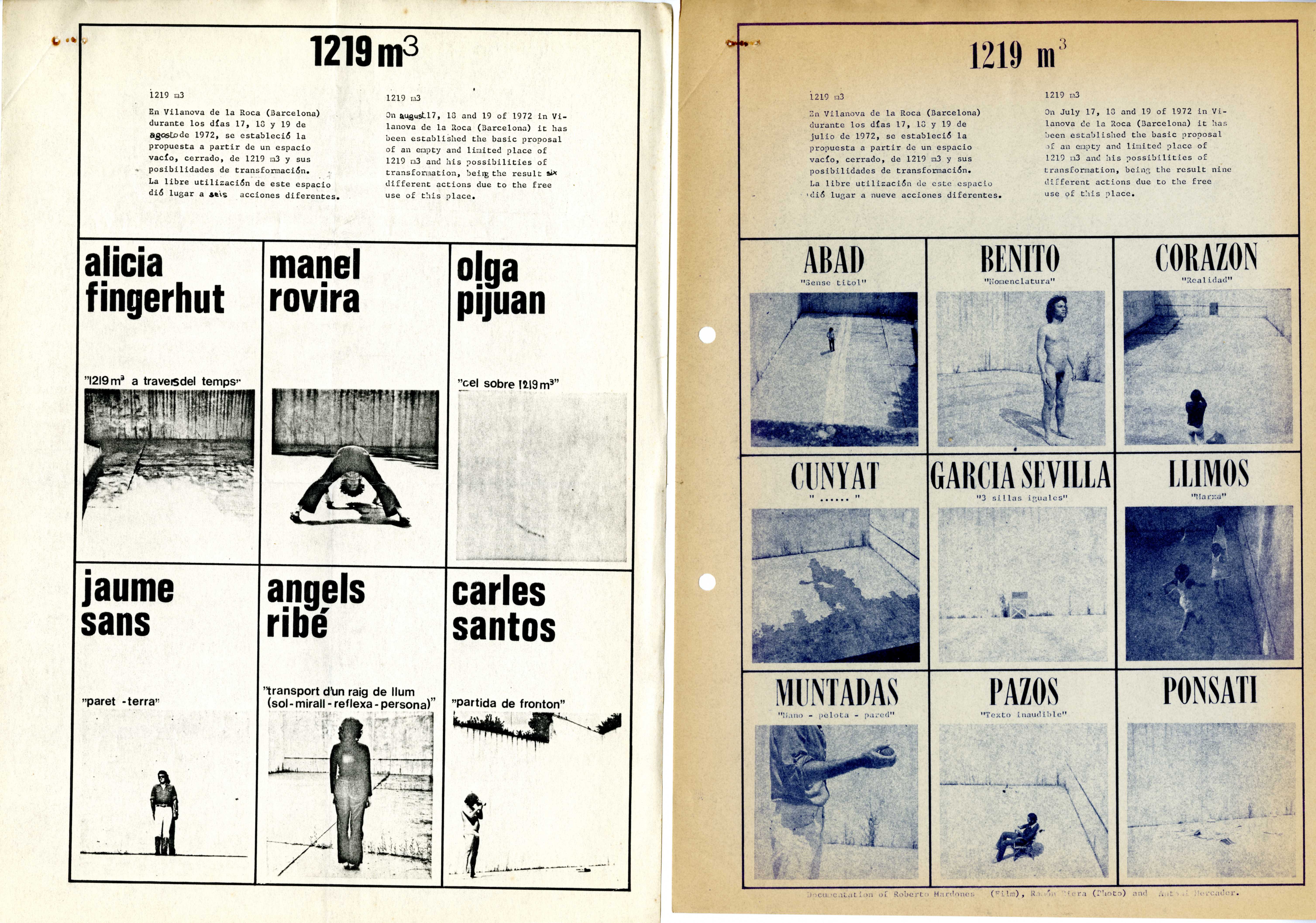
The Can Framis Museum of the Vila Casas Foundation presents, from November 10, 2026, to February 7, 2027, Are there still not enough eyes on the face?, an exhibition dedicated to Robert Llimós (Barcelona, 1943–2026) that acquires, after the artist’s death, a dimension of tribute and recognition to a singular career of nearly seven decades. Curated by Blanca Arias, the exhibition recovers a fundamental stage of his production, developed between the late 1960s and early 1970s, in the context of Catalan conceptual art, and proposes a new reading of the connections that cross the entirety of his work.
The exhibition emphasizes the conceptual turn experienced by Llimós’s practice between 1969 and 1973, a period not understood as a break or a parenthesis within his trajectory, but as a decisive moment in the configuration of an artistic language that he would keep alive throughout his entire career. Through sculpture, painting, action, and word, the artist explored the same concern: what do we need to see what we are still unable to perceive?
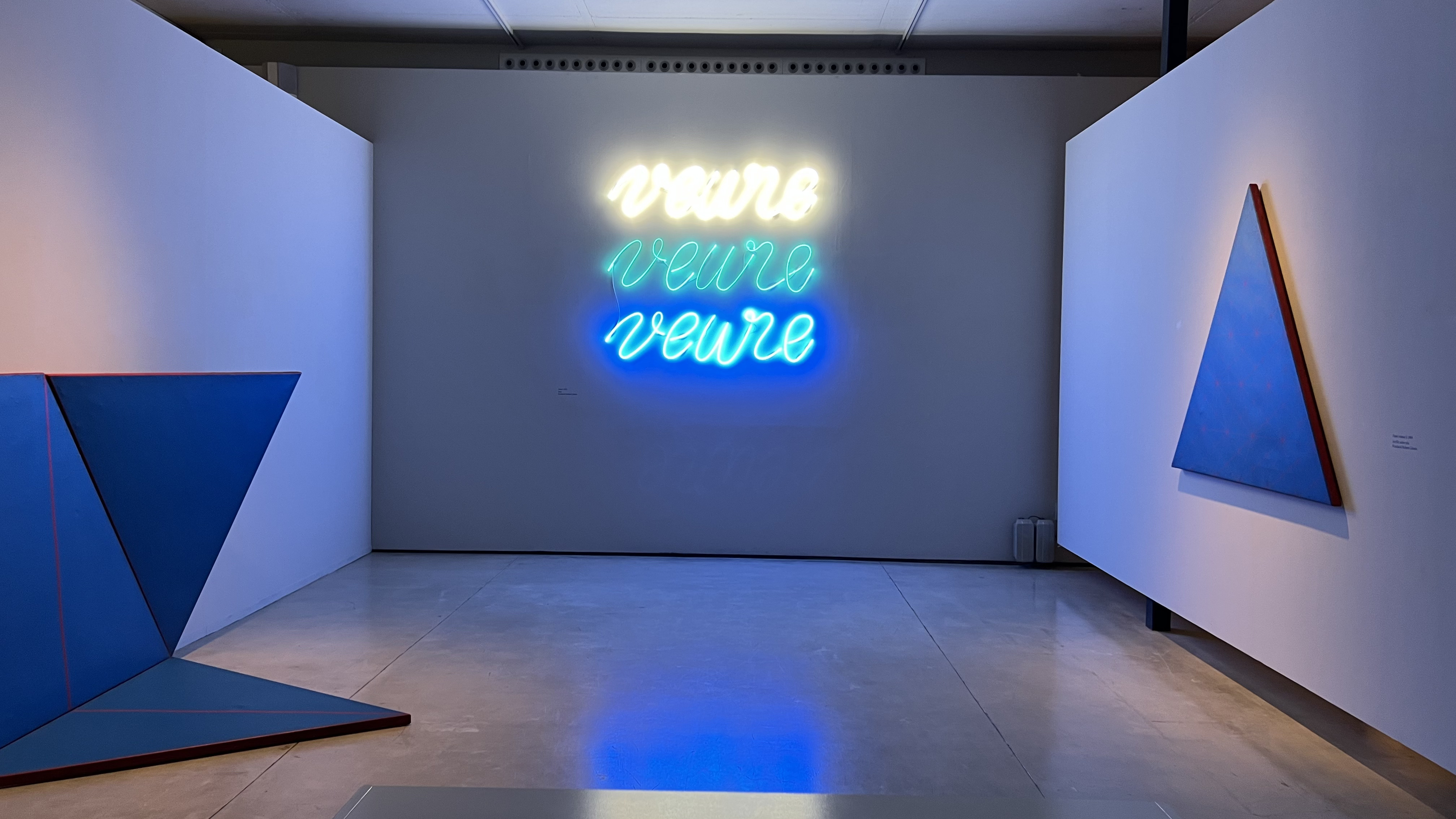
This question becomes the guiding thread of an exhibition that establishes correspondences between his abstract and conceptual investigations of the 1970s and the later production, especially that dedicated to the representation of extraterrestrial beings. A relationship that allows reviewing the continuity of his artistic research and understanding how certain early intuitions found new forms of expression in later stages.
One of the episodes that profoundly marked his career took place in 2009, during a trip to Fortaleza, Brazil. Llimós claimed to have sighted an extraterrestrial spacecraft inhabited by two reptilian beings. Convinced that he had been chosen to represent that vision, he took on its depiction as a vital mission, which guided much of his later production. The cosmic beings thus became protagonists of a visual universe that went beyond conventional representation and posed the possibility of an unknown image, a new way of seeing and interpreting reality.
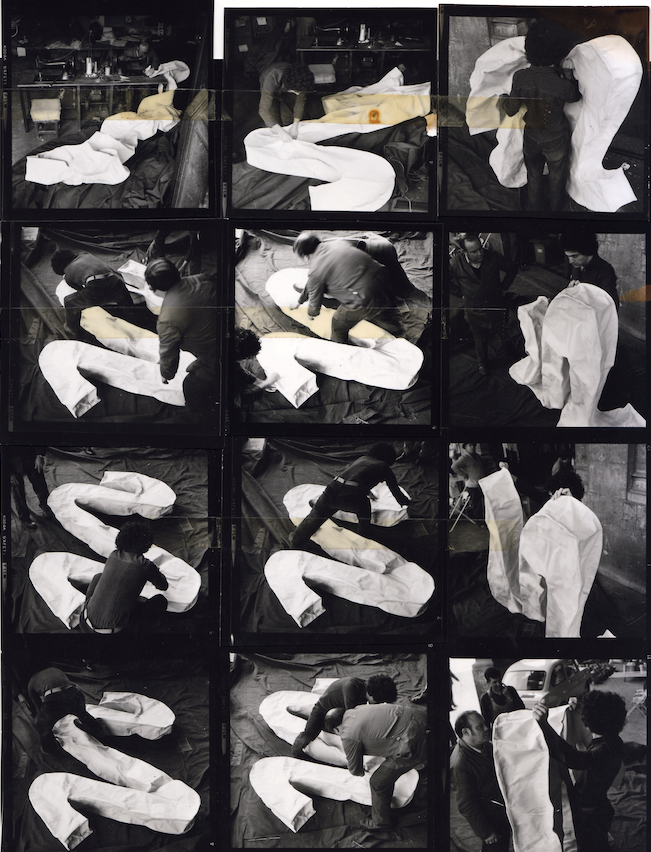
As Blanca Arias points out, this dedication cannot be understood solely as a thematic change, but as the continuation of the same creative impulse. “Since then, Robert devoted the entirety of his practice to the representation of these cosmic beings, which are nothing other than the embodiment of the possibility of a new image, the materialization of the dream of a new awakening of painting,” explains the curator. Arias identifies in his way of working a persistent methodology based on observing, translating, repeating, and insisting. Despite formal transformations, each work becomes a link in the same chain: the stubborn search for a new image.
Far from following a chronological path, the exhibition constructs a dialogue between works, materials, and gestures from different moments of the artist’s trajectory. This arrangement allows discovering affinities and continuities that are often hidden in linear readings of art history. At the same time, it proposes a revision of the usual interpretation of Catalan conceptual and minimalist art, traditionally associated with coldness, dematerialization, and the absence of the body.
You may be
interested
...