
interviews
Sant Cugat honors Miquel Samaranch with a commemorative plaque at Casa Aymat
The recognition coincides with the centenary of the construction of Casa Aymat and the sixtieth anniversary of Samaranch’s incorporation into the manufactory, a key figure in the renewal of tapestry and the international projection of Catalan textile art.
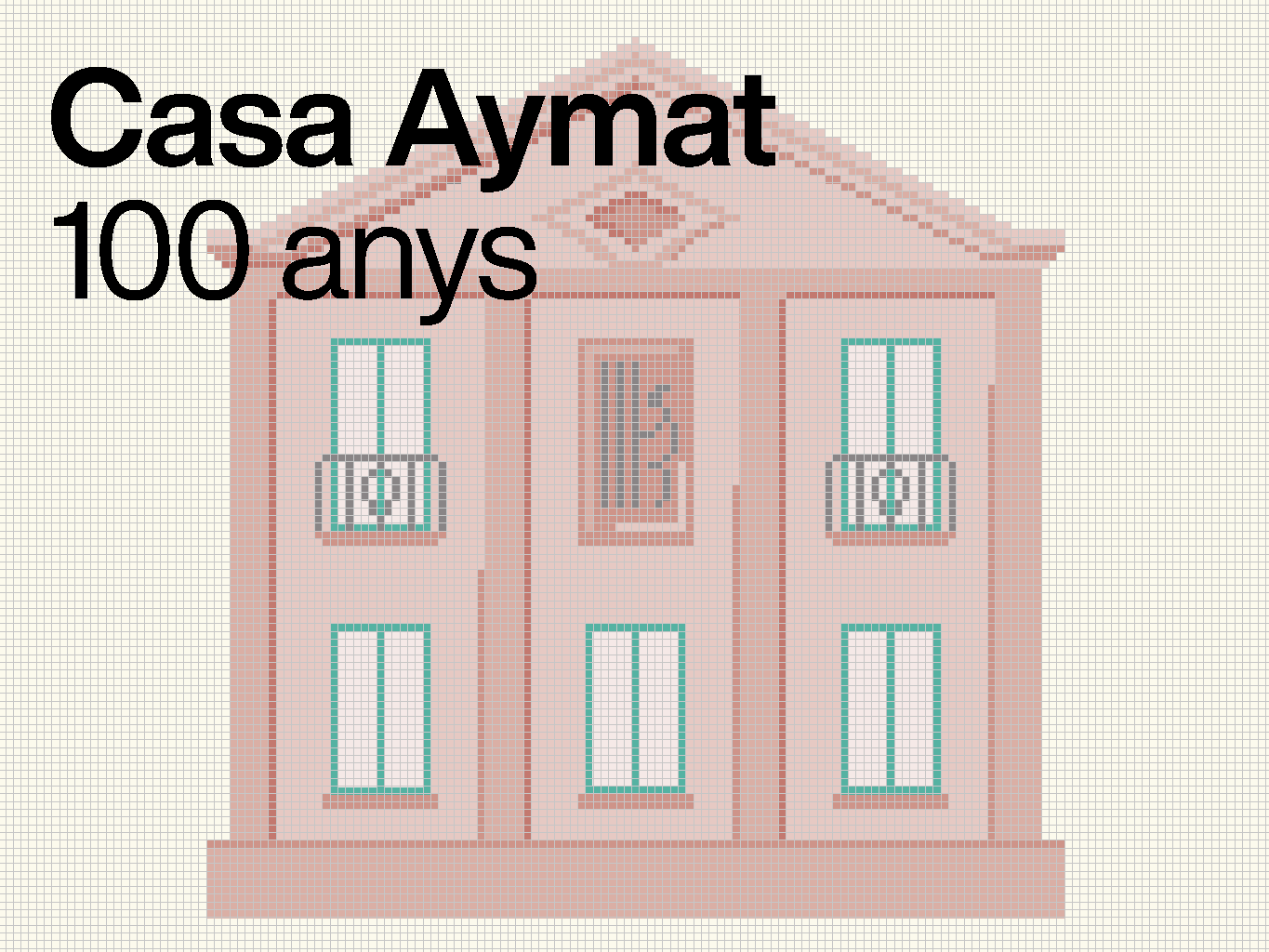
On November 30 at 6 p.m., Sant Cugat del Vallès will pay tribute to Miquel Samaranch i Amat (1906-1981) with the inauguration of a commemorative plaque at Casa Aymat, located at 68 Villà Street. The event, initially scheduled for last November 5 at 6:30 p.m., had to be canceled and has been rescheduled for this new date. The initiative aims to recognize the figure who played a decisive role in the transformation of tapestry and in the artistic projection of Sant Cugat del Vallès. A textile industrialist from Terrassa and patron, Miquel Samaranch made possible the meeting between craftsmanship, contemporary art, and Catalan culture.
The initiative has been promoted, on behalf of the family, by his daughter, Rosa Samaranch i Viñas, and coincides with two significant anniversaries: the centenary of the inauguration of Casa Aymat and the sixtieth anniversary of the moment when Miquel Samaranch took charge of the tapestry workshop.
His arrival marked a turning point in the history of this space. With an innovative vision and a clear will for renewal, Samaranch decisively contributed to transforming tapestry, until then mainly linked to craftsmanship, into a discipline with the status of a work of art. He did so by promoting an innovative project that counted on support and financing, also thanks to the profits generated by carpet manufacturing.
Casa Aymat, one hundred years of history
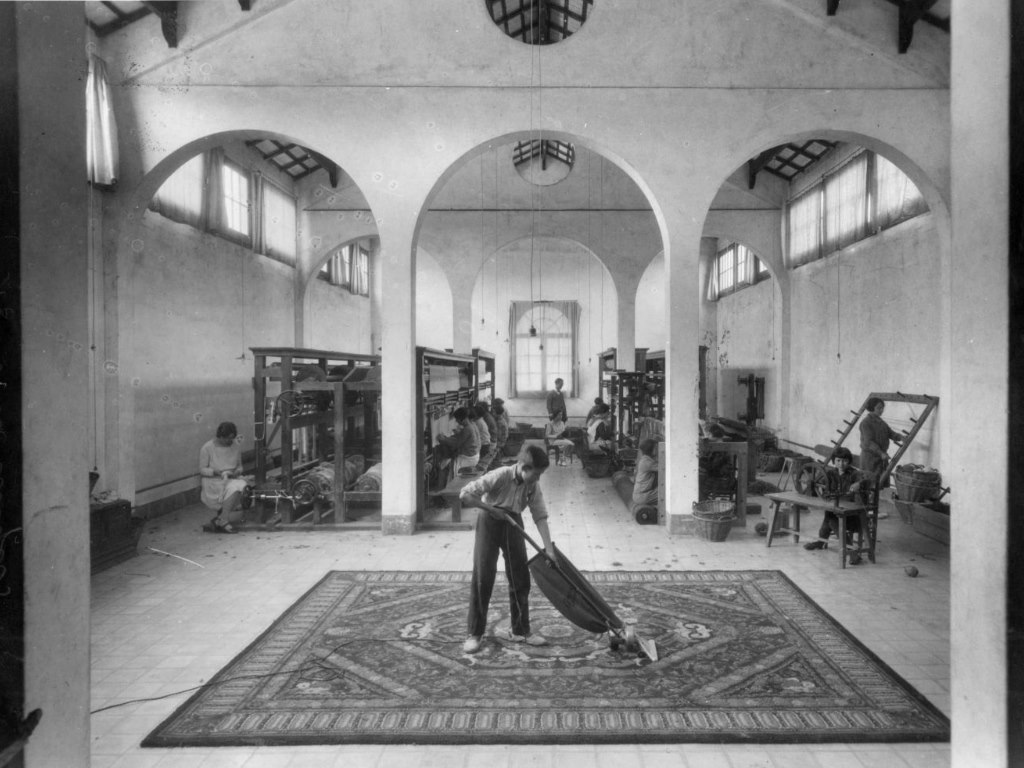
Casa Aymat, built in 1926 under the direction of Tomàs Aymat, was, from its foundation until the 1950s, the most prestigious carpet and tapestry manufacturer in 20th century Catalonia. It received commissions from public and private institutions and collaborated with the most renowned interior designers and cabinetmakers of the time.
It should be recalled that the building was designed by architect Ramon Raventós and is characterized by its functionality, open spaces, and natural light entry. The part intended as a residence had been designed by architect and interior designer Santiago Marco.
During the 1960s and early 1970s, under the artistic direction of Josep Grau-Garriga, the Catalan School of Tapestry took place there, which broke with the orthodoxy of the past and incorporated tapestry into the contemporary art system. In short, Casa Aymat supported this renewal movement and hosted at its headquarters the first tapestries of this new era, such as the one resulting from the first collaboration between Joan Miró and Josep Royo.
But the value of the manufacturer extends beyond the contemporary artists of the 1960s and also includes the workers who dyed the wools, reproduced designs, prepared the cartoons, and wove on carpet looms—mostly women from Sant Cugat of that time—as well as foremen, operators, restorers, and many other professionals who made the international recognition of the manufacturer possible.
2026-2027 programming
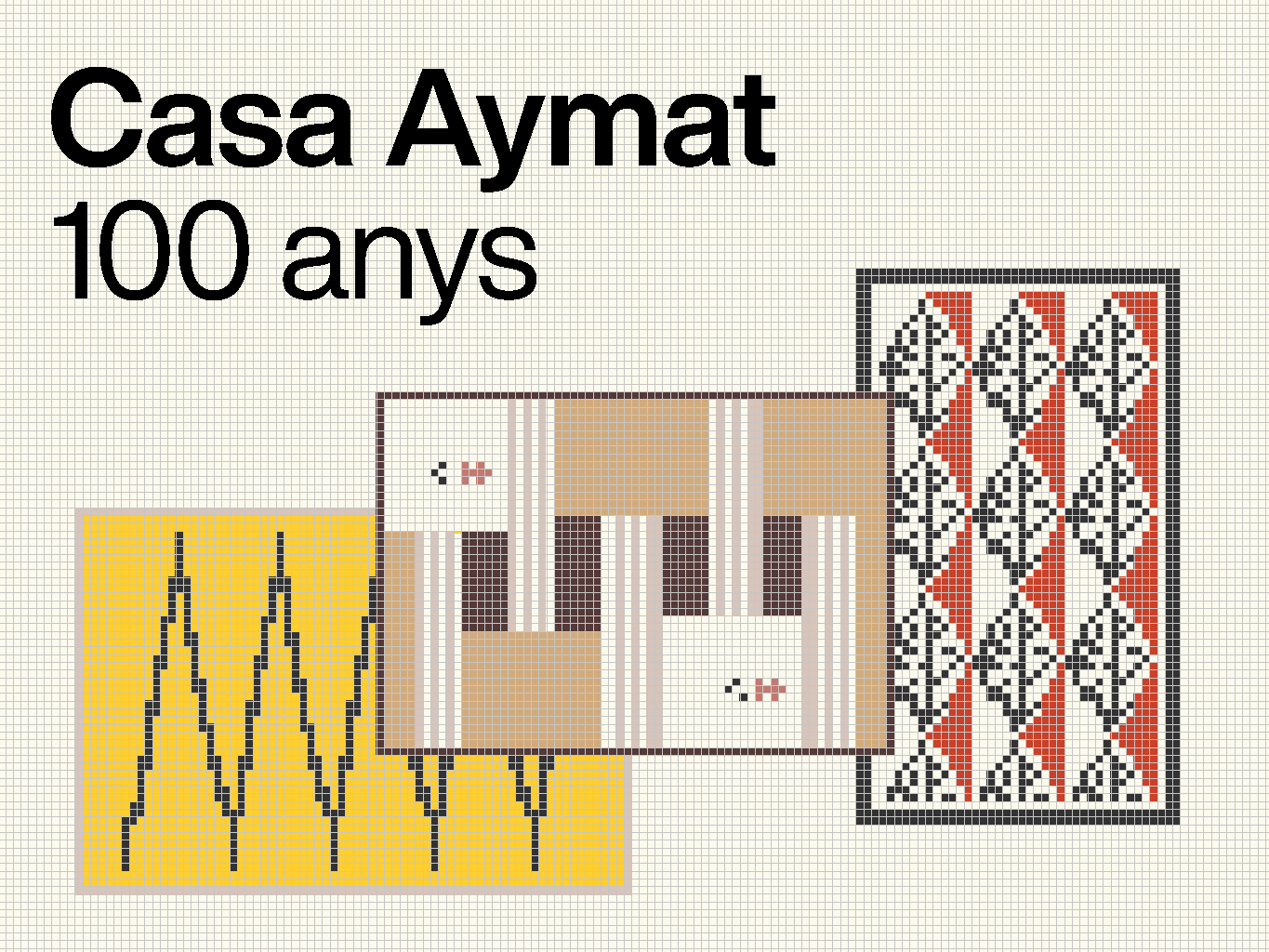
Regarding Casa Aymat's exhibition program for the 2026-2027 period, it is worth highlighting the temporary exhibition Casa Aymat, 100 years, which can be visited until May 2027.
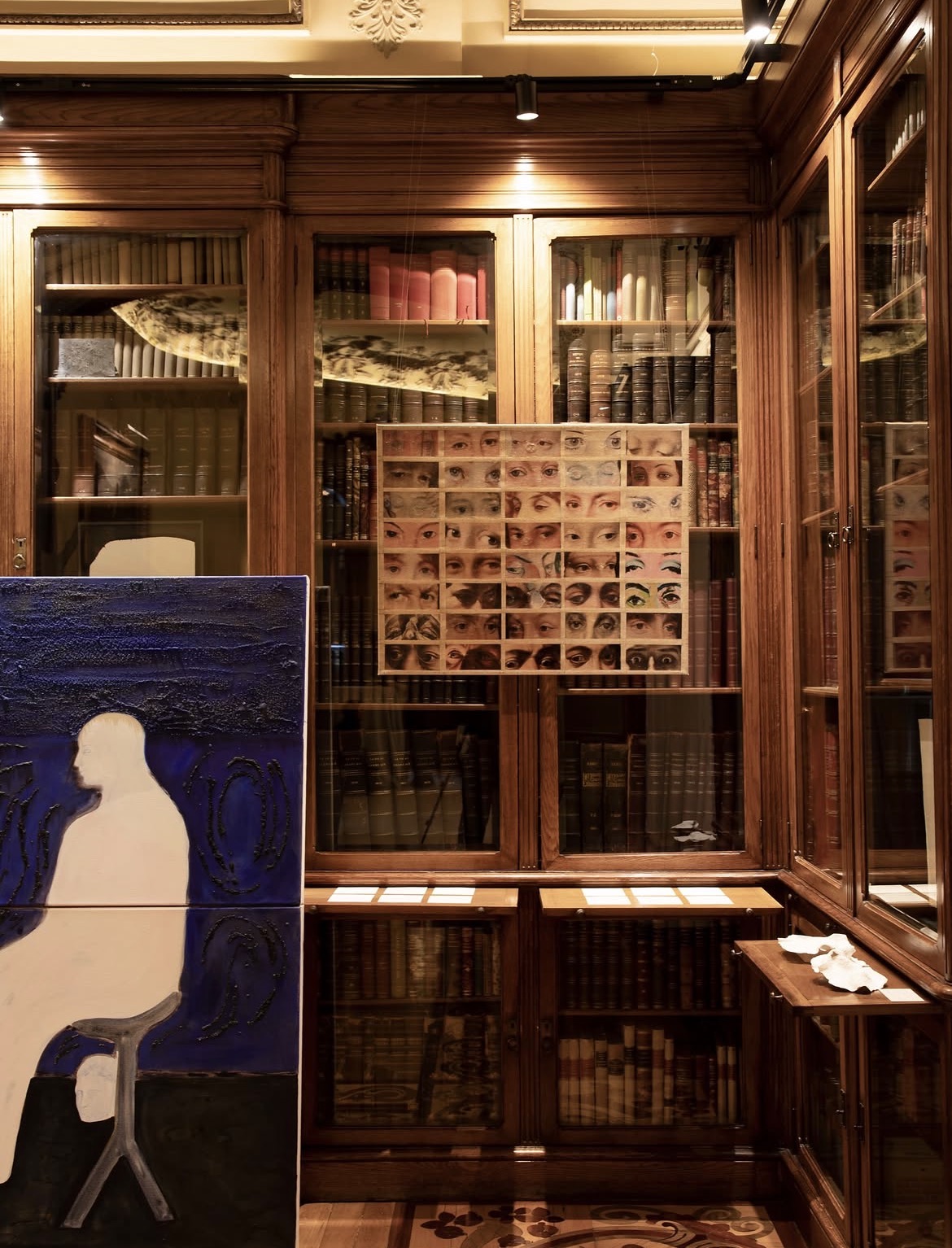
On the other hand, the exhibition inaugurated last May 14, titled Slowing down acceleration. Residencies and artistic resistances at Casa Aymat, 2019-2025, is also on display, gathering a series of works developed by artists during their stay at Casa Aymat and demonstrating that artistic creation at the former manufacturer is still active.
From November 3 to December 12 this year, Casa Aymat. Documents for memory is exhibited at the OAC of Sant Cugat City Hall. Meanwhile, from November 5, 2026, to May 31, 2027, La Manufactura Aymat. A time journey can be visited. This is a photographic exhibition located in different spaces of the current Casa Aymat, with images showing various scenes of the former manufacturer, in homage to all the people who were part of this unique project, built from love for art, craft, and its artistic recreation.
Meanwhile, photography students from the Sant Cugat School of Art and Design will make a reinterpretation of the extensive photographic archive showing the manufacturer, in the form of a photographic mural.
The photographic reproductions come from different collections and archives, such as the Casa Aymat manufacturing photographic archive, the Municipal Archive, and the Mas Archive. The photographs are by Carles Cabanas, Solé Guillaume, Fotos Pic, Fotos Bros, and Xavier Miserachs.
Finally, from January 23 to May 31, 2027, the exhibition The end of modernity, curated by Jordi Garrido, will be on display under the title La Manufactura Aymat. 100 years of creation (II), at the Grau-Garriga Center of Contemporary Textile Art.
Interview with Rosa Samaranch
For the Samaranch family, the inauguration of the commemorative plaque represents much more than an individual recognition. With this initiative, the city values the legacy of Miquel Samaranch and the role of Casa Aymat as a fundamental space in the cultural and artistic history of the municipality.
That is why we wanted to interview one of his daughters, Rosa Samaranch i Viñas.
Alexandra Planas. As a representative of the family, what do you feel about Sant Cugat dedicating a commemorative plaque to your father?
Rosa Samaranch. We are very happy about this tribute that Sant Cugat del Vallès is giving, since for our family this event is much more than a recognition of our father: it is also a tribute to all the artists, craftsmen, and collaborators who made that transformation possible and contributed to placing Sant Cugat on the map of contemporary art.
What did Casa Aymat represent for Miquel, and what bond did he have with it?
My father took over Casa Aymat when it was closed. Before its closure, he owned the spinning mill he had inherited from my grandfather, which supplied the yarn. In 1955, he decided to buy the Casa Aymat manufacturer, which, after the death of its founder, Tomàs Aymat, in 1944, had entered a period of decline.
What did Miquel do, and what was he like in his daily life? What personal memories do you have of him, and what comes to mind?
My father and my mother, Mercè Viñas, were the driving forces behind the new era of Casa Aymat manufacturing, as they transformed the traditional carpet and tapestry factory into a center for artistic experimentation.
My parents were very enthusiastic, constant, and hardworking people. My father especially stood out for being very Catalanist and, in the tapestry sector, contributed to putting the name of Catalonia and Sant Cugat on the international map of textile art. In short, he revolutionized the tapestry sector itself!
What relationship did Miquel have with Casa Aymat and the world of art and creation?
I would situate the relationship with the art world at the moment he came into contact with Josep Grau-Garriga, who took over artistic direction of Casa Aymat. Grau connected my father with young weavers and artists, and this is how the Catalan School of Tapestry was born, which revolutionized the sector, especially by introducing new materials, textures, and techniques, bringing tapestry closer to contemporary painting and sculpture, and giving entry to prestigious artists such as Joan Miró, Pablo Picasso, Antoni Tàpies, and Josep Guinovart.
He also helped give international projection to Catalan textile art, with participation in the 1st International Tapestry Biennial of Lausanne (1962), the 2nd International Tapestry Biennial of Lausanne (1965), and the third edition of the Lausanne Tapestry Biennial (1967).
It is worth highlighting the first exhibition held in 1961, titled Catalan School of Tapestry, which was inaugurated on November 9 at the Sala Parés in Barcelona.
And when Miquel died, what happened?
My father died in 1981 of cancer. The Terrassa spinning mill had to close, as he was no longer behind it. Casa Aymat also had to close definitively that same year due to economic crisis, loss of industrial competitiveness, and competition from Oriental products.
At the tribute on November 5 (which was moved to November 30), the children of the young weavers and artists who worked at Casa Aymat seventy years ago were present. I consider that that era was a fantastic adventure for them and that it enjoyed dazzling success. I understand they had a lot of fun with Vicente Pascual, who was the master artisan specialist in traditional tapestry weaving, coming from the Real Fábrica de Tapices de Madrid, and whom Miquel Samaranch incorporated into Casa Aymat around 1958-1959. The importance of Pascual's contribution was mainly technical and formative.

You may be
interested
...