Exhibitions
Graciela Iturbide or the poetry of the everyday between two worlds
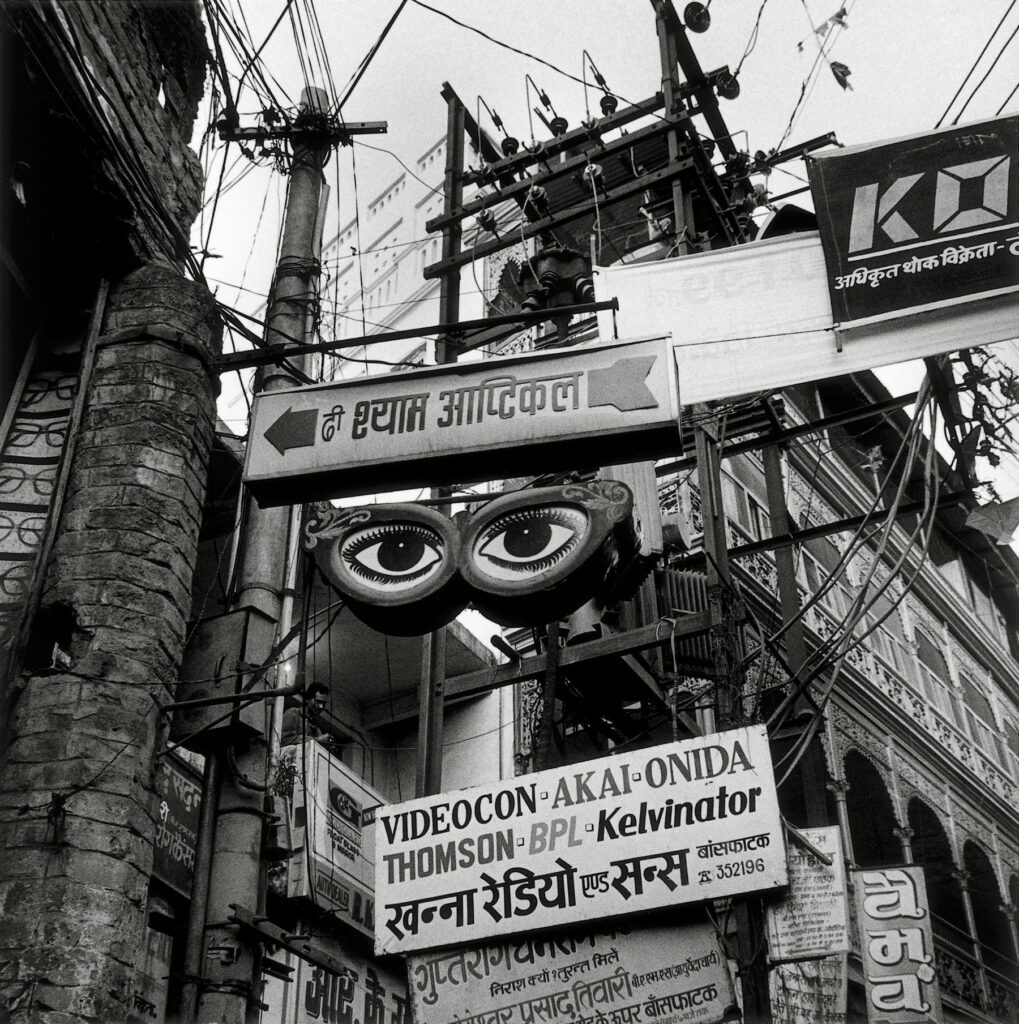
The San Francisco Museum of Modern Art (SFMOMA) is dedicating a major retrospective to Graciela Iturbide (Mexico City, 1942), a key figure in contemporary Latin American photography. Titled Graciela Iturbide: Between Two Worlds , the exhibition, on view from July 11 to November 29, 2026, on the museum's third floor, brings together more than five decades of work by an artist who has used the observation of the everyday world as a way to approach the extraordinary.
The exhibition offers a journey through a photographic production deeply connected to Mexico, though also open to other territories and cultures. Markets, popular celebrations, rituals, traditions, symbols, botanical gardens, self-portraits, and scenes related to birth and death configure a visual universe in which the documentary coexists with a poetic and symbolic dimension. Iturbide photographs what he finds around him, but his gaze is not limited to recording reality: he seeks to reveal the layers of meaning that remain hidden in gestures, objects, and the relationships between people and their environment.
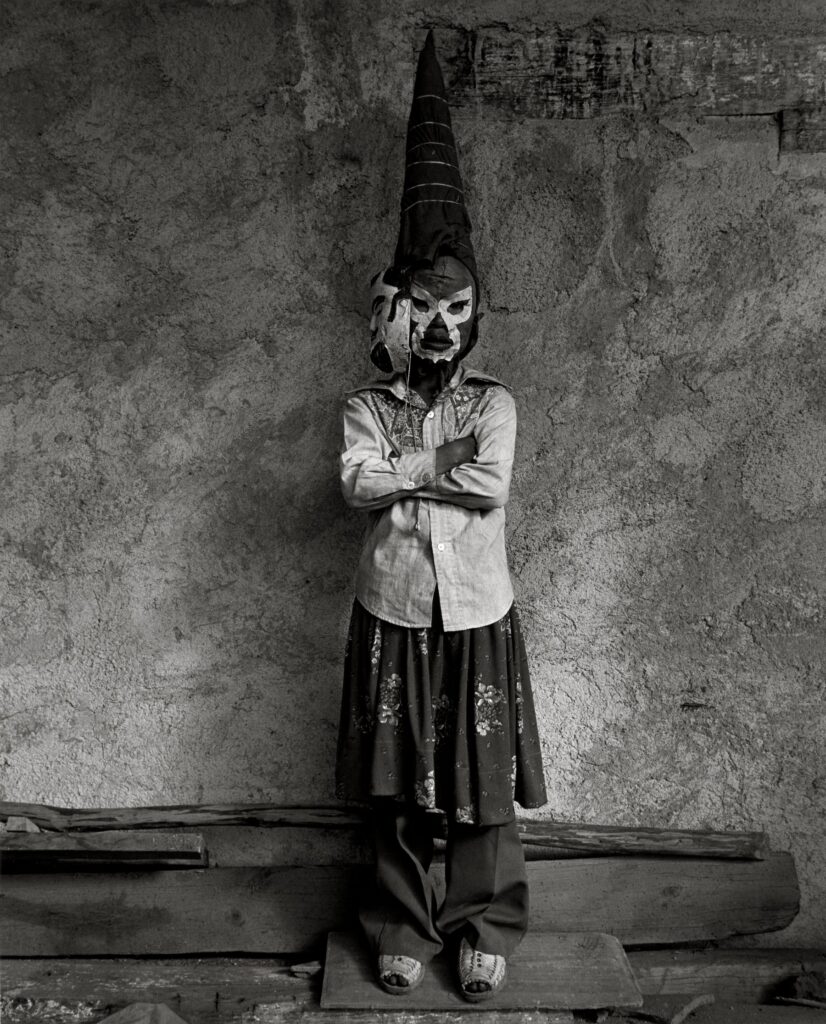
His initial training was linked to film. In 1969, he entered the University Center for Cinematographic Studies at the National Autonomous University of Mexico (UNAM), where he met Manuel Álvarez Bravo, a pivotal figure in his career. Between 1970 and 1971, he worked as the cinematographer's assistant, accompanying him on various trips throughout Mexico. That experience was crucial in developing a practice based on proximity, knowledge of the communities, and a particular sensitivity to the cultural expressions of his country.
One of the essential chapters of her career is the work she carried out in Juchitán, in the state of Oaxaca, between 1979 and 1988. Invited by the artist Francisco Toledo, Iturbide immersed herself in Zapotec culture and, especially, in the lives of its women. This research resulted in Juchitán de las mujeres (1989), a fundamental book for understanding her approach to identity, gender, traditions, and community structures. Also noteworthy is her work with the Seri people of the Sonoran Desert, whose lives and relationship with the land she documented in the late 1970s.
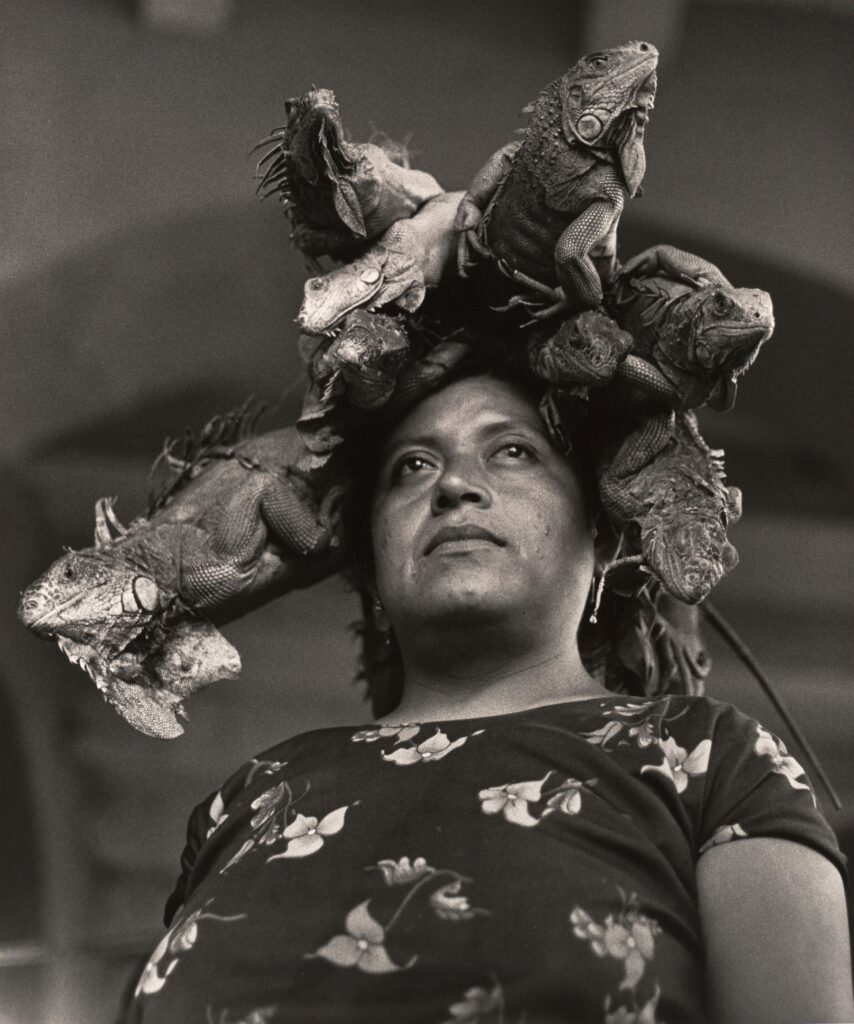
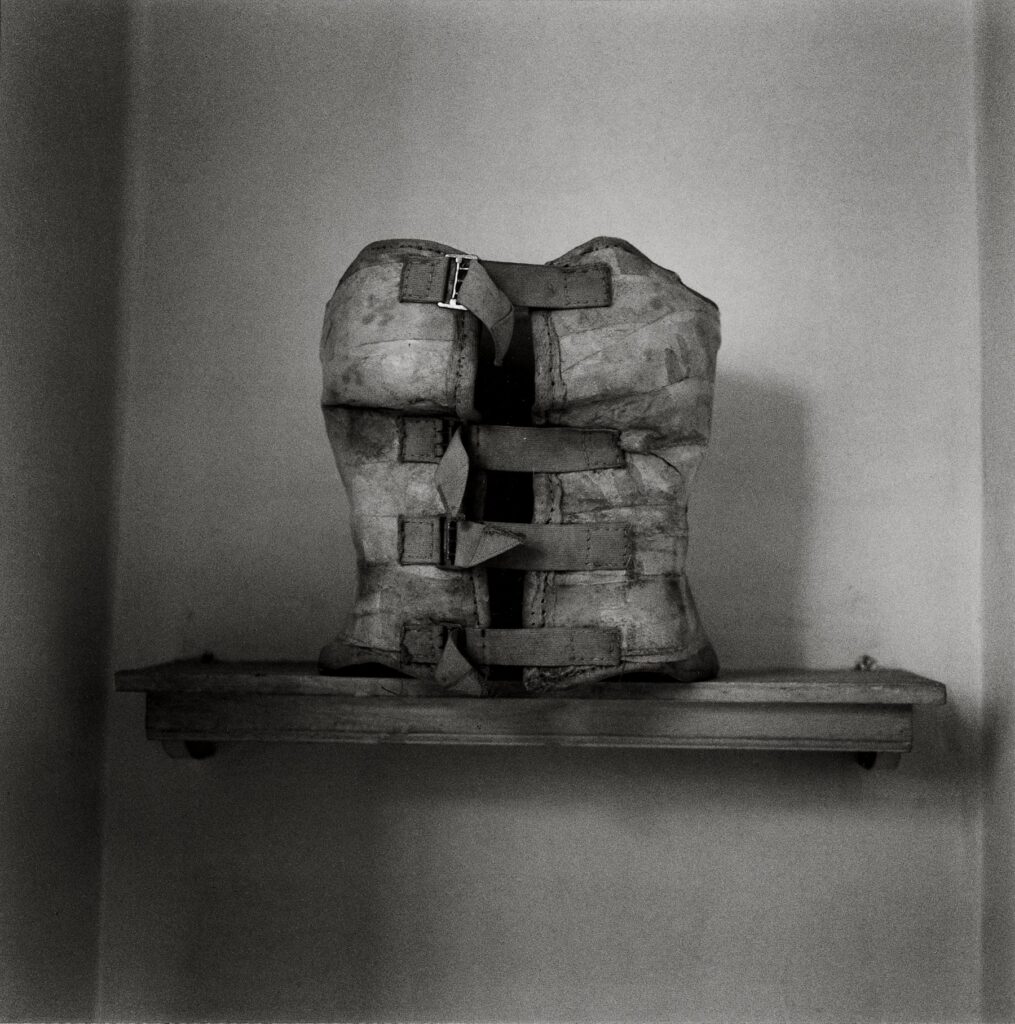
Among her most recognizable images are Our Lady of the Iguanas (1979), which has become one of the emblematic photographs of her work, and Angel Woman , taken that same year in the Sonoran Desert. In both, reality acquires an almost mythical dimension, without losing its connection to the people and contexts that gave rise to them. The exhibition also offers insight into her interest in intimate spaces and memory through the photographs she took in 2008 in Frida Kahlo's bathroom at the Blue House, a room that had remained closed for half a century.
Although Mexico forms the emotional and visual core of her work, Iturbide has developed projects in countries such as India, Madagascar, Italy, and the United States. Her photography, predominantly in black and white, transcends the documentary dimension to inhabit a territory where imagination, spirituality, memory, and a sense of the other converge. The camera becomes an instrument of attention: a way of approaching the other without imposing a rigid interpretation, allowing symbols and everyday situations to gradually reveal their meanings.
The international recognition of his career has been reflected in numerous awards, including the Hasselblad Award for photography, awarded in 2008, and the Princess of Asturias Award for the Arts in 2025. His work is part of the collections of institutions such as the Metropolitan Museum of Art, the Museum of Modern Art in New York and SFMOMA itself.
The San Francisco retrospective, organized by Fundación MAPFRE in collaboration with SFMOMA, brings together more than 150 photographs taken between the 1960s and the 2010s. The presentation at the American museum is curated by Delphine Sims, with Alex Landry as assistant curator.


You may be
interested
...