Exhibitions
The Wilfredo Lam collection dissects memory and the geographies of power
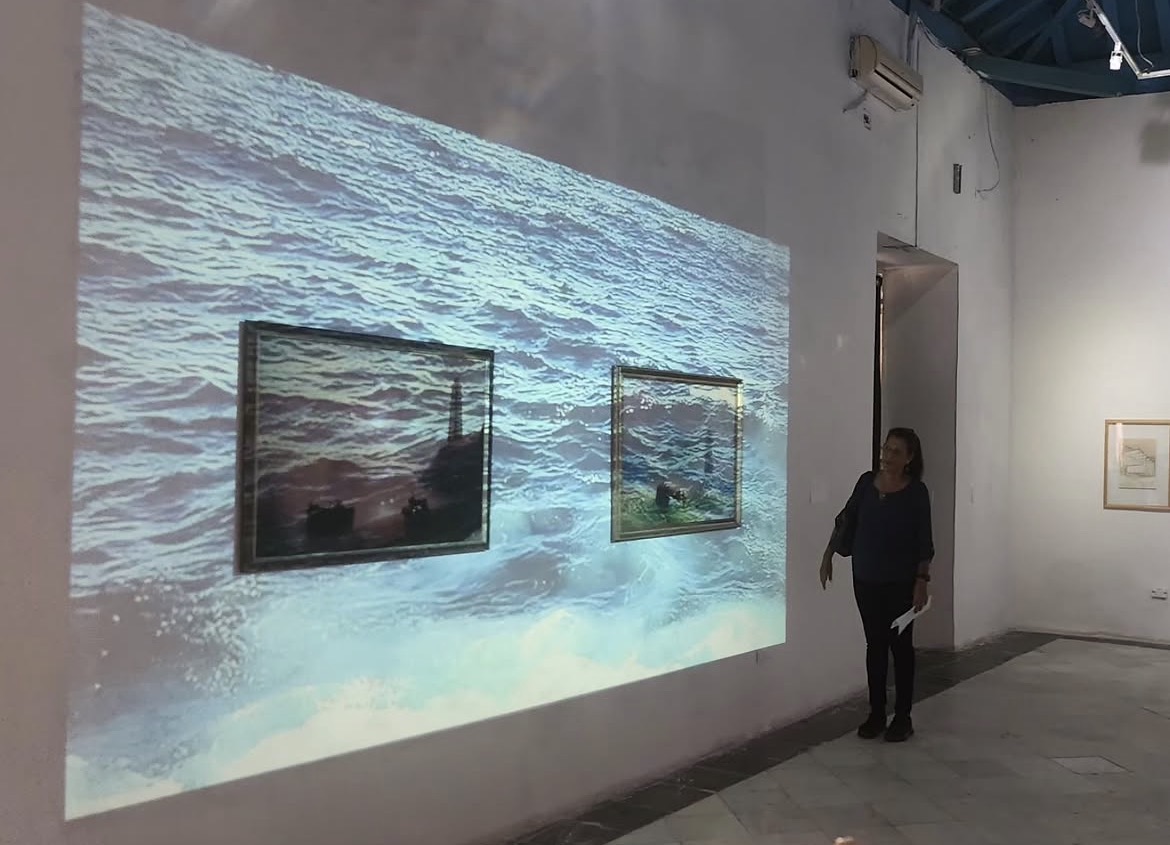
Historical memory and politics are not foreign territories to art. Within them, narratives are constructed, symbols are contested, and the structures that determine who has the power to represent the world are challenged. From this perspective, the Wilfredo Lam Center for Contemporary Art in Havana presents Archaeology of Power , a temporary exhibition that opened on October 24th, exploring the relationships between historical imaginaries, political tensions, and forms of resistance that permeate contemporary art. Curated by Yanet Oviedo, Ariel Alejandro Baró, and Magdalena Molina, the exhibition transforms the center's collection into a field of research from which to interrogate dominant discourses and open new avenues of interpretation.
The exhibition draws on a collection built through donations from artists who have participated in the prestigious Havana Biennials and other projects promoted by the institution. Rather than arranging the works chronologically or geographically, the curatorial team has chosen to establish relationships between them and articulate a discourse that reveals connections between diverse contexts, languages, and historical experiences. The result is a cartography in which cultural differences do not disappear, but rather enter into dialogue to reveal the multiple ways in which art addresses structures of power.
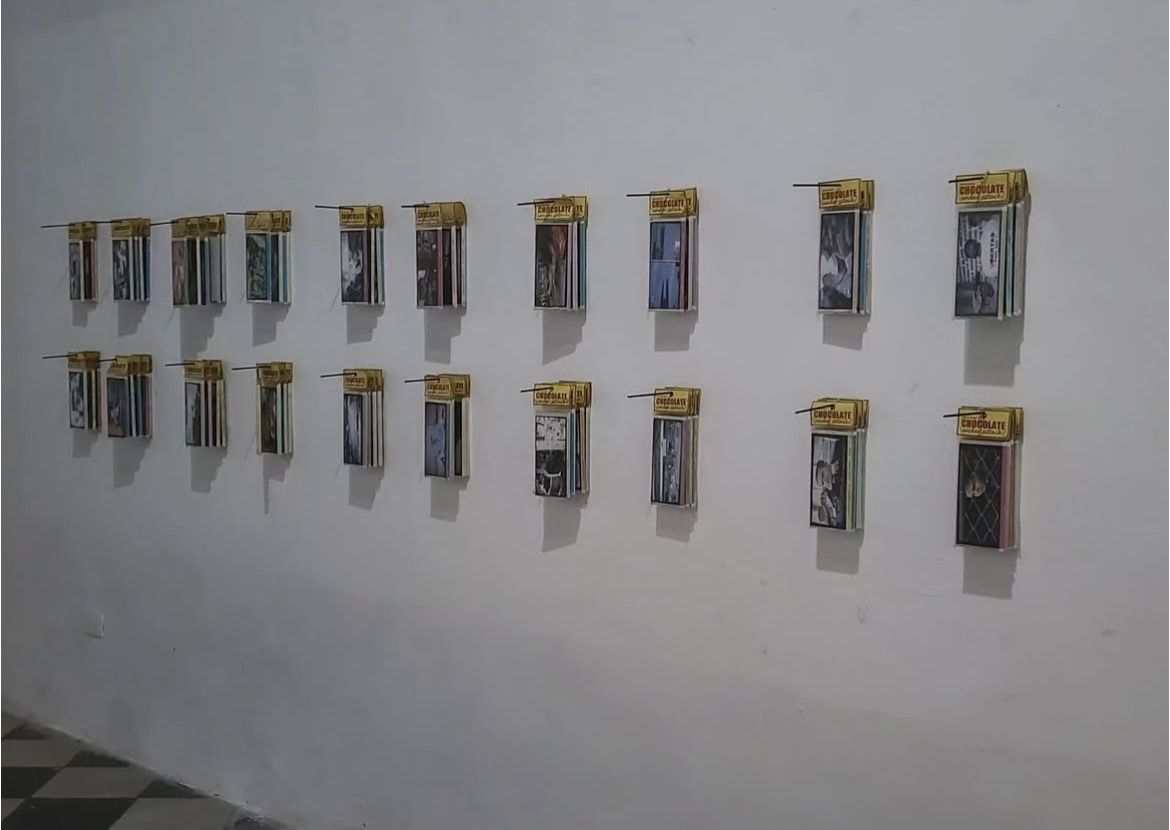
In a conversation with bonart, Ariel Alejandro Baró, one of the curators, highlights the value of this collection as a tool for understanding the dynamics of international contemporary art. “It is a very fertile object of study for us,” he states, both because of the volume and variety of the works and because of its capacity to reflect the trajectory of the Wilfredo Lam Center and the history of the Havana Biennial itself. In his view, the collection offers a particularly significant representation of what he calls the 'Global South,' with a prominent presence of artists and works from Latin America, the Caribbean, Africa, and Asia, without excluding other regions.
This diversity is one of the starting points of Archaeology of Power . The collection allows us to approach contemporary art from a perspective that transcends traditional centers of cultural legitimation and acknowledges the plurality of discourses produced in different territories. Within this framework, the works function as testimonies of historical and political experiences, but also as devices capable of questioning established narratives and proposing alternative ways of understanding the relationships between culture, memory, and society.
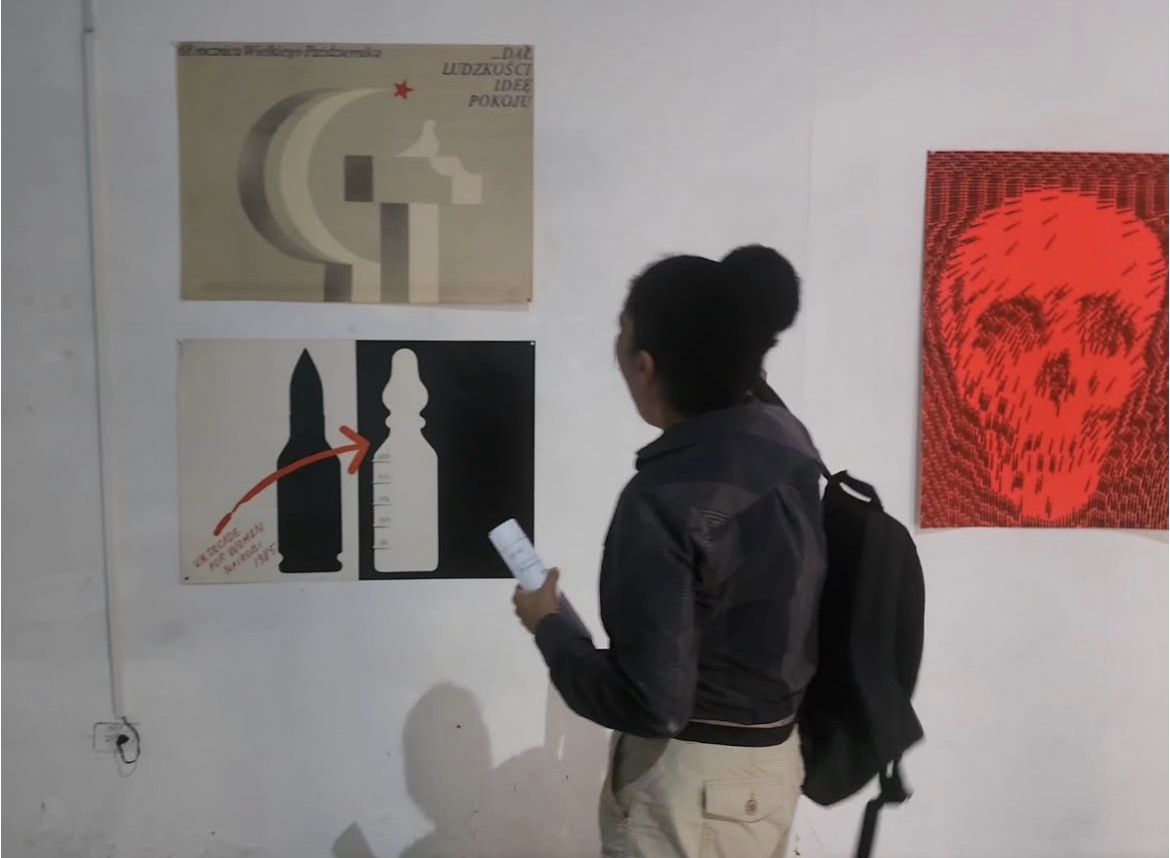
The collection's development is closely linked to the history of the Havana Biennials, a platform that has fostered the participation of international artists and exchange between diverse cultural contexts. As Baró explains, most of the works on display have come to the center through these events, although there are also donations linked to other projects. This collective origin transforms the collection into more than just a set of pieces: it constitutes the tangible legacy of a network of collaborations and encounters that has expanded throughout the institution's history.
However, possessing a collection of this nature also presents the challenge of making it visible and keeping it active. The lack of a permanent physical space dedicated to its exhibition has led the center to explore different ways to share its holdings with the public. “We are constantly finding ways to integrate it into our program and explore ways to make it accessible to everyone,” the curator explains. Temporary exhibitions thus coexist with lectures, exchange programs, outreach initiatives through social media, and projects in which works from the collection are incorporated into proposals by guest artists.
This strategy gained particular relevance during the fifteenth Havana Biennial, also conceived as an opportunity to revisit the memory of previous editions and establish dialogues with its legacy. On that occasion, numerous pieces from the collection were integrated into collective projects, individual proposals, and collaborations with other institutions. The collection ceased to function as a separate repository and became a living resource, capable of generating new interpretations in contact with other artistic practices.
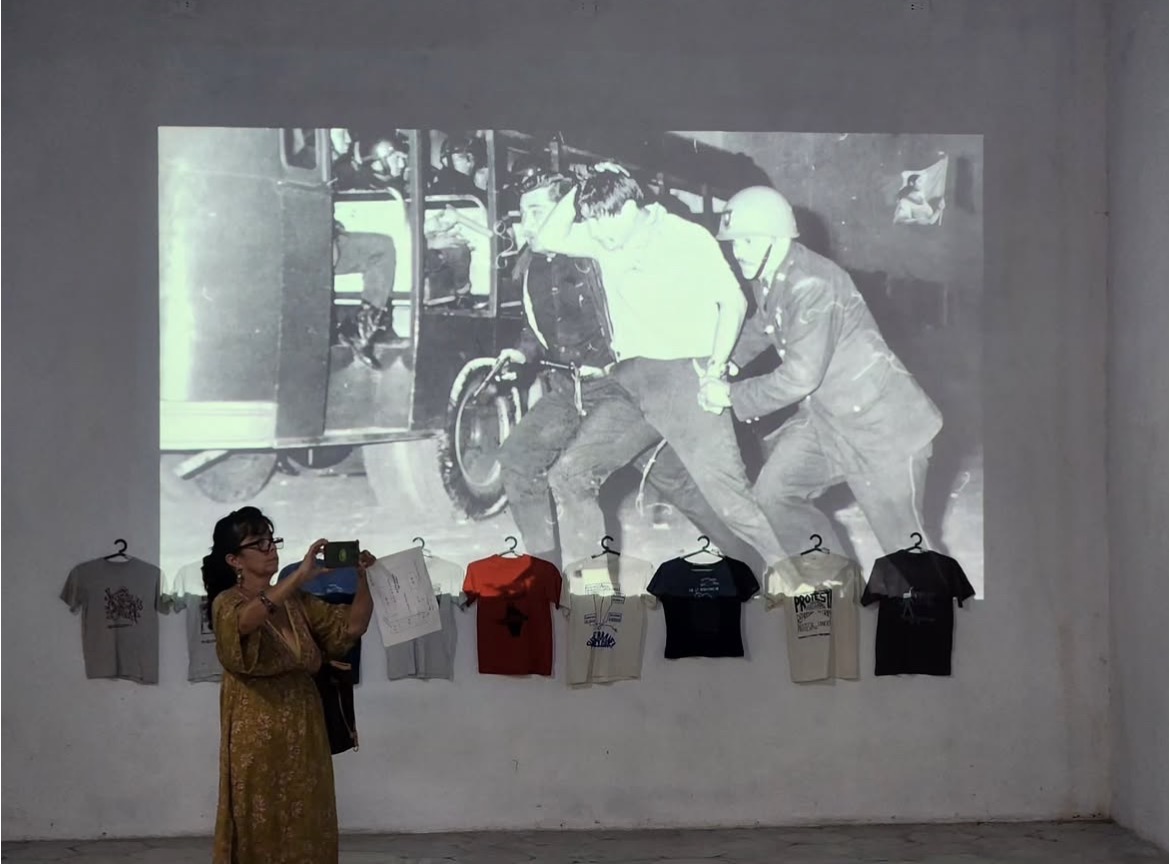
Archaeology of Power extends this desire to activate heritage from the present. The choice of a cross-cutting approach allows the works to relate to one another without being subject to a strict division by era or origin. The intention, explains Baró, has been “to find a curatorial discourse and generate a kind of cartography from a significant number of the works in the collection.” The archaeological metaphor, in this sense, refers to the possibility of tracing the layers that make up political and historical imaginaries, uncovering their contradictions, and examining the traces that systems of power leave in societies.
The project also highlights a collaborative approach to curatorial work. Oviedo, the center's deputy director and the driving force behind the exhibition, invited Baró and Magdalena Molina to develop the proposal together. Although Oviedo leads the project, the process is structured through ongoing exchange among the three curators. "We're working, let's say, horizontally, where everyone has a voice and a vote," explains Ariel. This dynamic reflects an institutional commitment to broadening the participation of specialized teams and fostering more flexible working processes.
For the curator, collaboration also acquires practical value in the current context, because it allows for addressing difficulties and keeping research and production processes open. Horizontal structures are therefore not limited to an internal methodology, but rather form part of a conception of cultural work that seeks to distribute responsibilities, compare perspectives, and prevent projects from becoming subject to overly rigid structures.
You may be
interested
...