
Exhibitions
Geographies of what remains
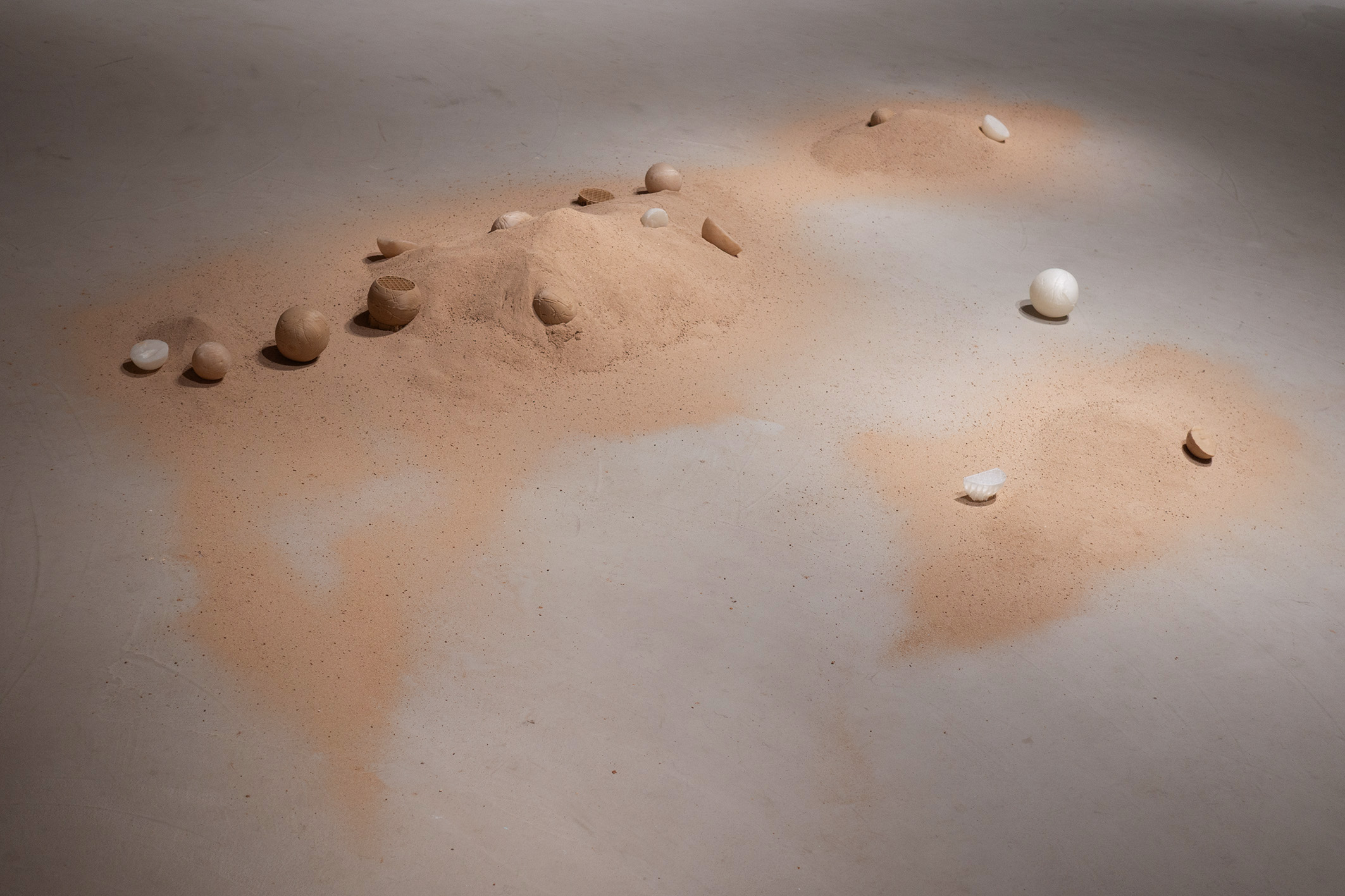
Ephemeral Cartographies: A Look at Contemporary Mallorcan Practices , curated by Luz Massot, offers a critical reading of artistic creation linked to Mallorca, moving beyond the touristic narratives that have shaped much of its international image. The exhibition, on view from October 14, 2026, to February 14, 2027, at the Spanish Cultural Center in Mexico, brings together Lara Fluxà, Mar Guerrero, Biel Llinàs, Joan Morey, Gabriel Pericàs, popea, and Ian Waelder in a journey where memory, territory, and exclusion articulate a shared story.
The title alludes to a deliberately unstable cartography. It's not about establishing an insular artistic identity or presenting a generation under a common label, but rather about exploring the tensions that permeate their practices. The paradox is evident: while Mallorca exports a global image as a tourist destination, its artists face the difficulties of a cultural ecosystem that doesn't always offer them the necessary support, resources, and visibility. The double insularity that Massot posits—geographical and institutional—thus highlights a structural contradiction between the territory's creative capacity and the conditions that allow it to flourish.
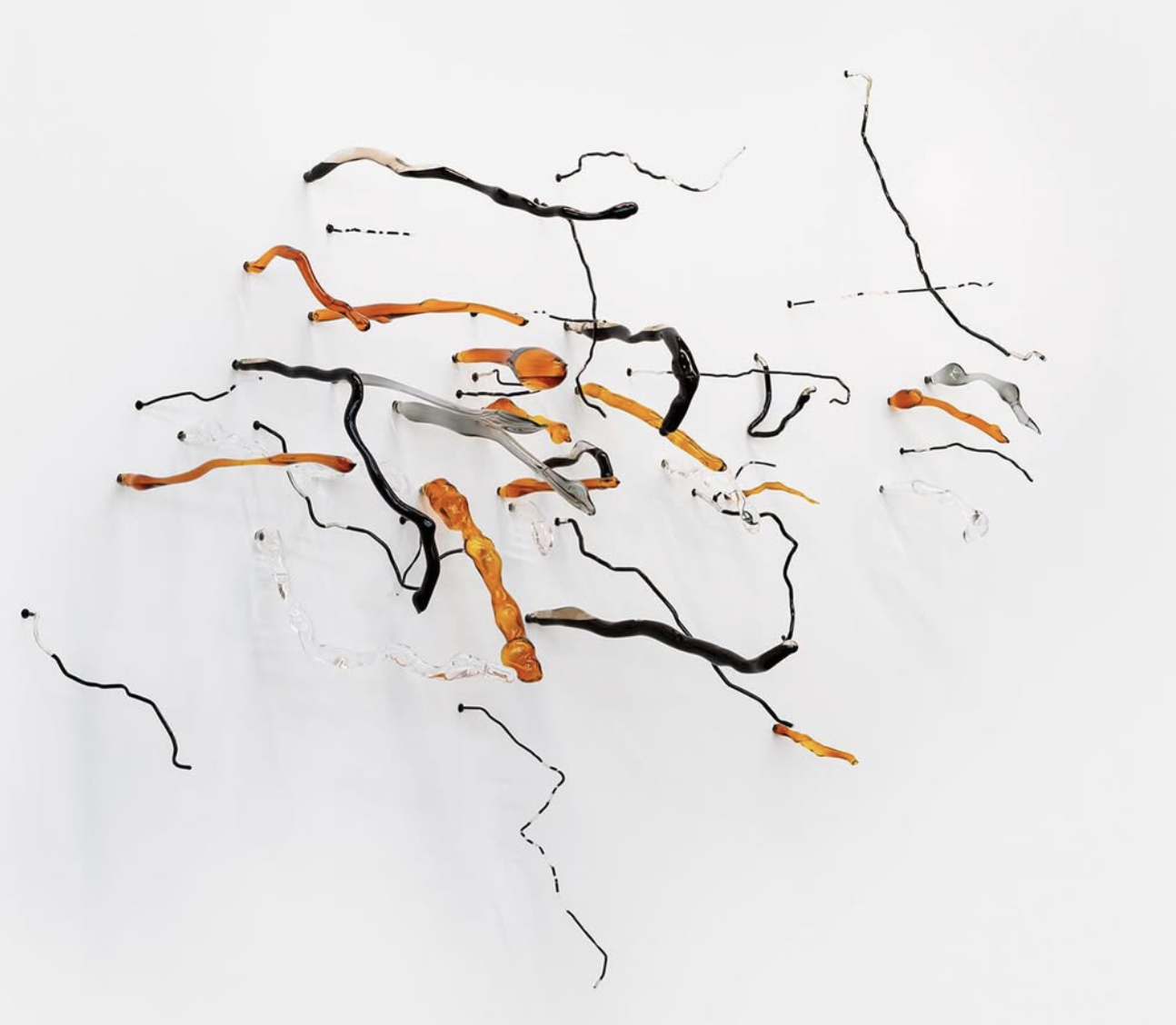
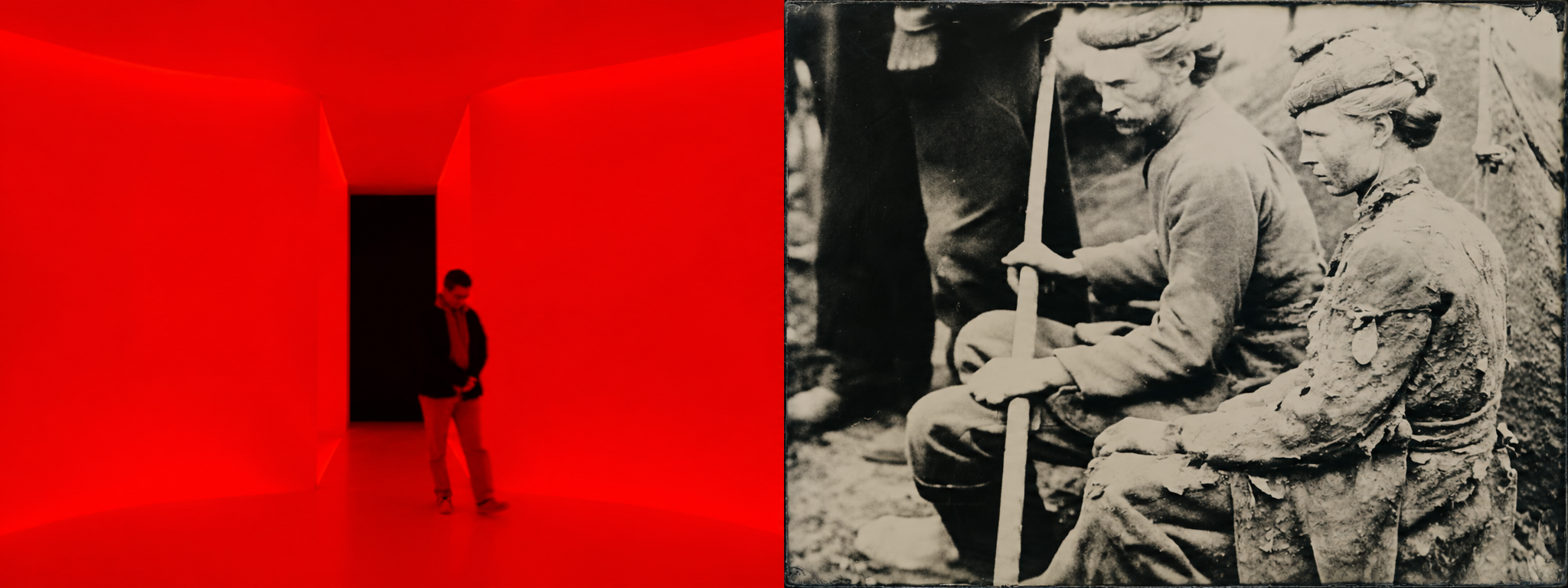
Lara Fluxà: TARRT, 2024.
The exhibition avoids resolving this issue through a uniform discourse, instead opting for a dialogue between works, spaces, and viewers. Gabriel Pericàs opens the exhibition with a sculpture constructed from perforated uprights of industrial shelving, freed from their original function. This material disobedience introduces a reflection on order and its structures. In another room, popea evokes a collective memory of feminized bodies historically relegated to the margins of artistic representation. Her dyed and perforated fabrics create a permeable space, where the act of passing through or touching acquires a symbolic dimension: in the face of expulsion, the possibility of building community.
In Ian Waelder's work, memory takes on a spatial and fragmentary form. In 1993-(cadence) , a cardboard labyrinth, reproduced documents, intermittent sounds, and water transform remembrance into a physical experience, subject to interruptions and losses. Biel Llinàs, for his part, uses photography to examine the historical hierarchies that determined who could inhabit the island and under what conditions. His work establishes an uneasy connection between old property structures and contemporary dynamics of residential and territorial exclusion.
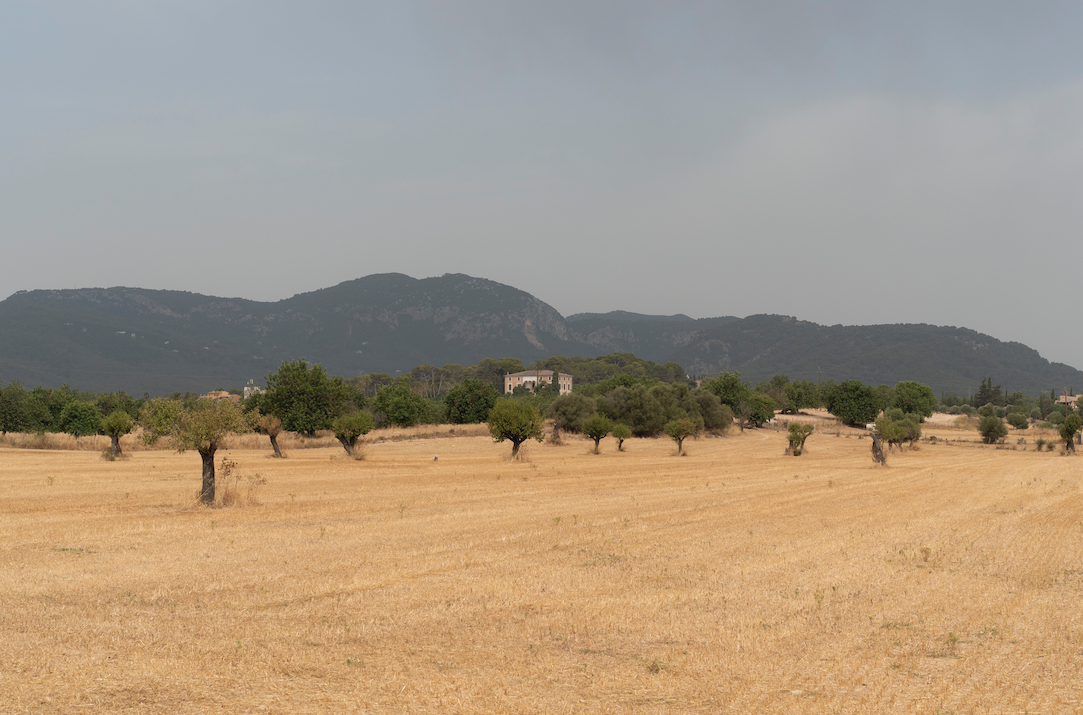
Biel Llinàs: photography, Son Berga Nou, 2026.
The ecological dimension emerges in Mar Guerrero's pieces, crafted from plastics collected from the sea and reproduced using 3D printing with filaments linked to mollusk shells. The transformation of waste into sculptural forms shifts the gaze from the idealized landscape to the material traces of its exploitation. The exhibition culminates with Joan Morey's Letanía apórima , a sound piece that combines ritual supplication with the idea of a dead end. The repetition of an insistent voice transforms listening into an exhausting experience, as if language were attempting to find a way out where thought has become blocked.
The exhibition becomes most compelling when these proposals cease to be read as isolated episodes and reveal a shared concern with the mechanisms that organize belonging, memory, and representation. Without reducing the diversity of languages to an essentialist Mallorcan identity, Massot constructs a journey in which the island appears as a space traversed by historical conflicts, environmental transformations, and disputes over who has the right to remain.
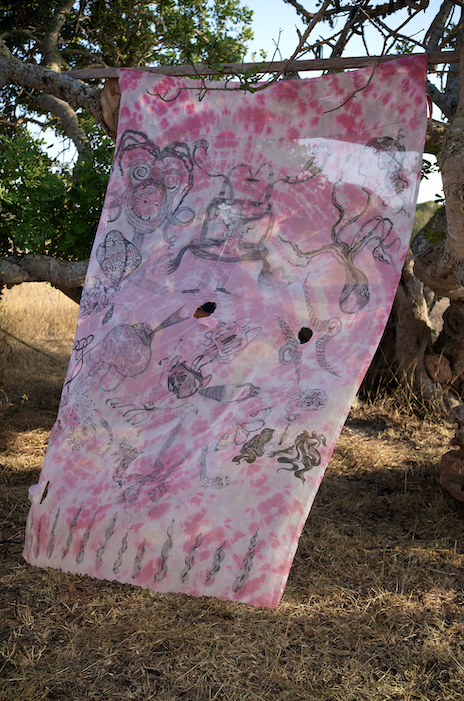
popea: Above the nut, on the back, a perforated bag.
You may be
interested
...