Exhibitions
Joseph Saint-Germier, the light of the south between two centuries
The Musée Historique de Biarritz presents the first major retrospective dedicated to the Toulouse painter, recognized during his lifetime for his landscapes, genre scenes and evocative views of Venice.
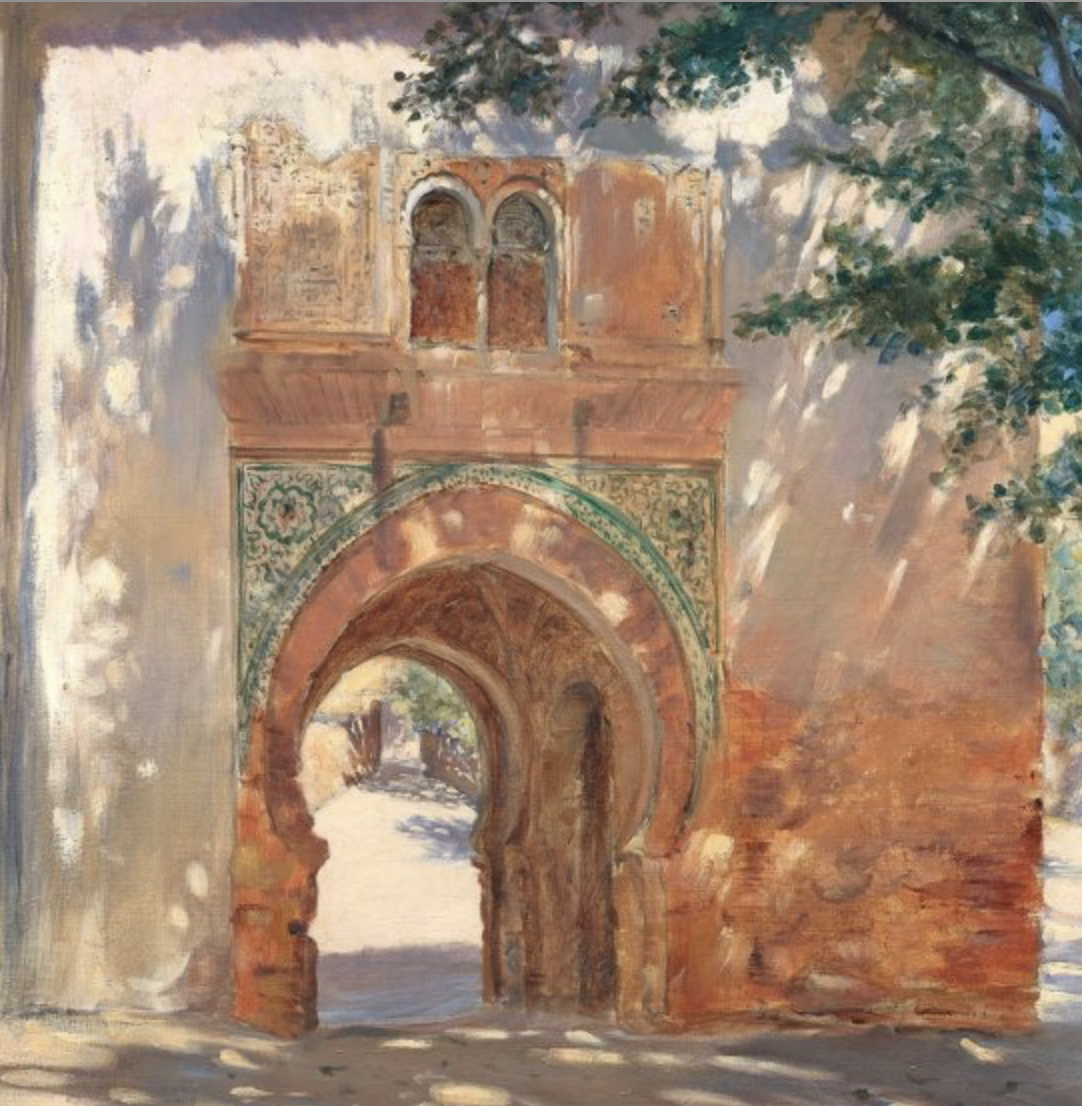
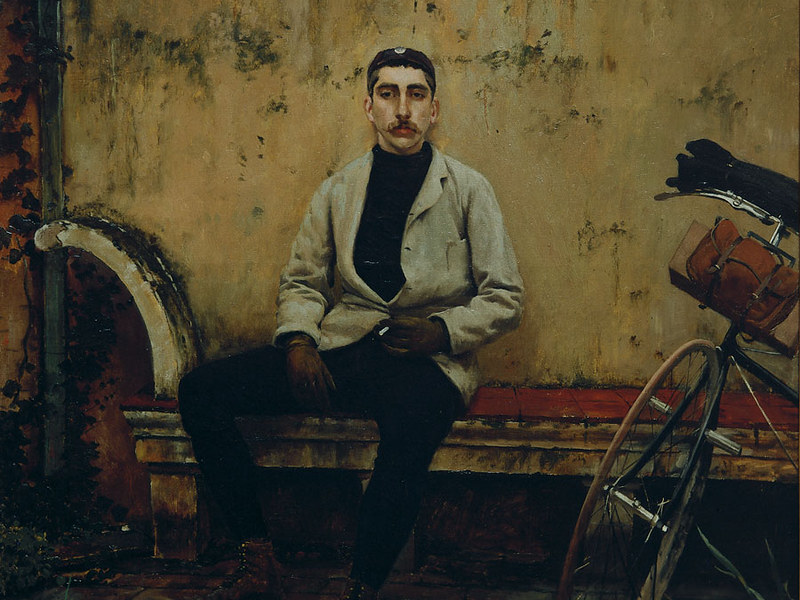
Lumières du Sud is the first retrospective exhibition dedicated to Joseph Saint-Germier (1860-1925), a painter originally from Toulouse-Lagune who achieved notable recognition in the late 19th century art scene. Hosted at the Musée Historique de Biarritz, the exhibition traces the career of an artist linked to the academic tradition who regularly exhibited at the Salon des Artistes Français and received recognition at the 1900 Paris Universal Exhibition.
Trained at the École des Beaux-Arts in Paris, in the workshops of Alexandre Cabanel and Léon Bonnat, Saint-Germier developed a body of work situated at a time of profound transformation in the visual arts, when academic models coexisted with the emergence of new sensibilities that heralded modernity. Faithful to easel painting, he built a language characterized by chromatic sensitivity, technical mastery and a special attention to the effects of light. His travels through Europe and North Africa fueled a diverse production, in which genre scenes, landscapes and orientalism occupy a prominent place.
Among his best-known works is The Razor (1888), currently housed in the Bonnat-Helleu Museum, which exemplifies the narrative ability and formal precision that helped consolidate his reputation. Saint-Germier's painting combines observation of reality with an expressive will that manifests itself both in figurative compositions and in his interpretations of landscape.
One of the main axes of the retrospective is his relationship with Venice, a city that inspired some of his most celebrated creations. Saint-Germier found there a privileged setting to explore the reflections of the water, the changing atmospheres and the poetic quality of the canals. These Venetian views dialogue with representations of the south and the Basque Country, in a journey that highlights his ability to capture the subtleties of light and variations in color.



You may be
interested
...