Exhibitions
Melanie Smith questions the human gaze at IVAM
The British-Mexican artist presents in Valencia 'Only one thing was strange, continuing to think as before', an exhibition built around the axolotl and the purple snail, two endangered species that open a reflection on the way we represent, classify and relate to other forms of life.
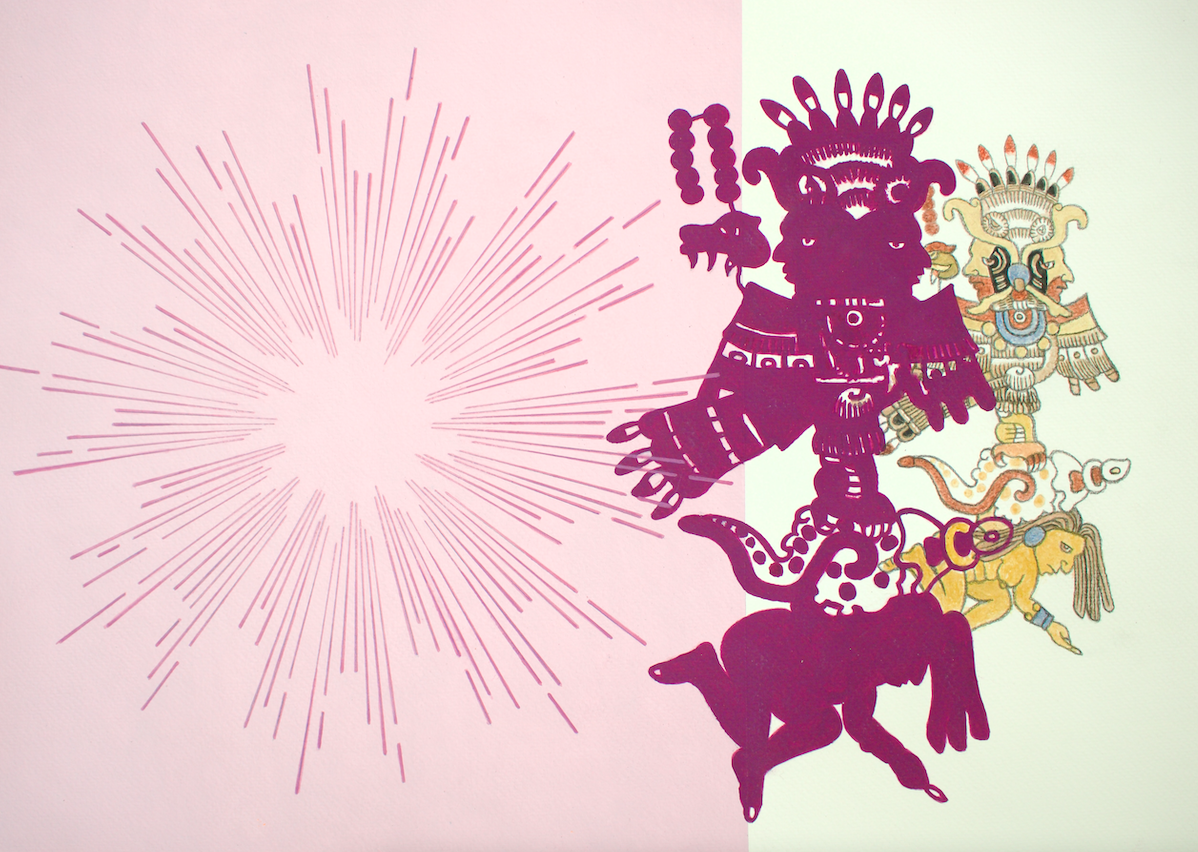
The Valencian Institute of Modern Art (IVAM) inaugurates Only one thing was strange, continue thinking as before , a project by Melanie Smith (United Kingdom, 1965) that brings together nearly forty works from the British-Mexican artist's two last productions, Axolotl and Tixinda , both made in 2025. The proposal takes as its starting point two species in danger of extinction—the Mexican axolotl and the purple snail—to pose a broader reflection on the gaze, the construction of images and our relationship with what we consider different.
The director of the IVAM, Blanca de la Torre, has pointed out that the exhibition starts from these two species to open up questions that go beyond their own existence: how we look, how we construct images of what we perceive as other and from what position we relate to other living beings. The exhibition is thus situated in a territory where ecology, representation, history and imagination are confused and question each other.
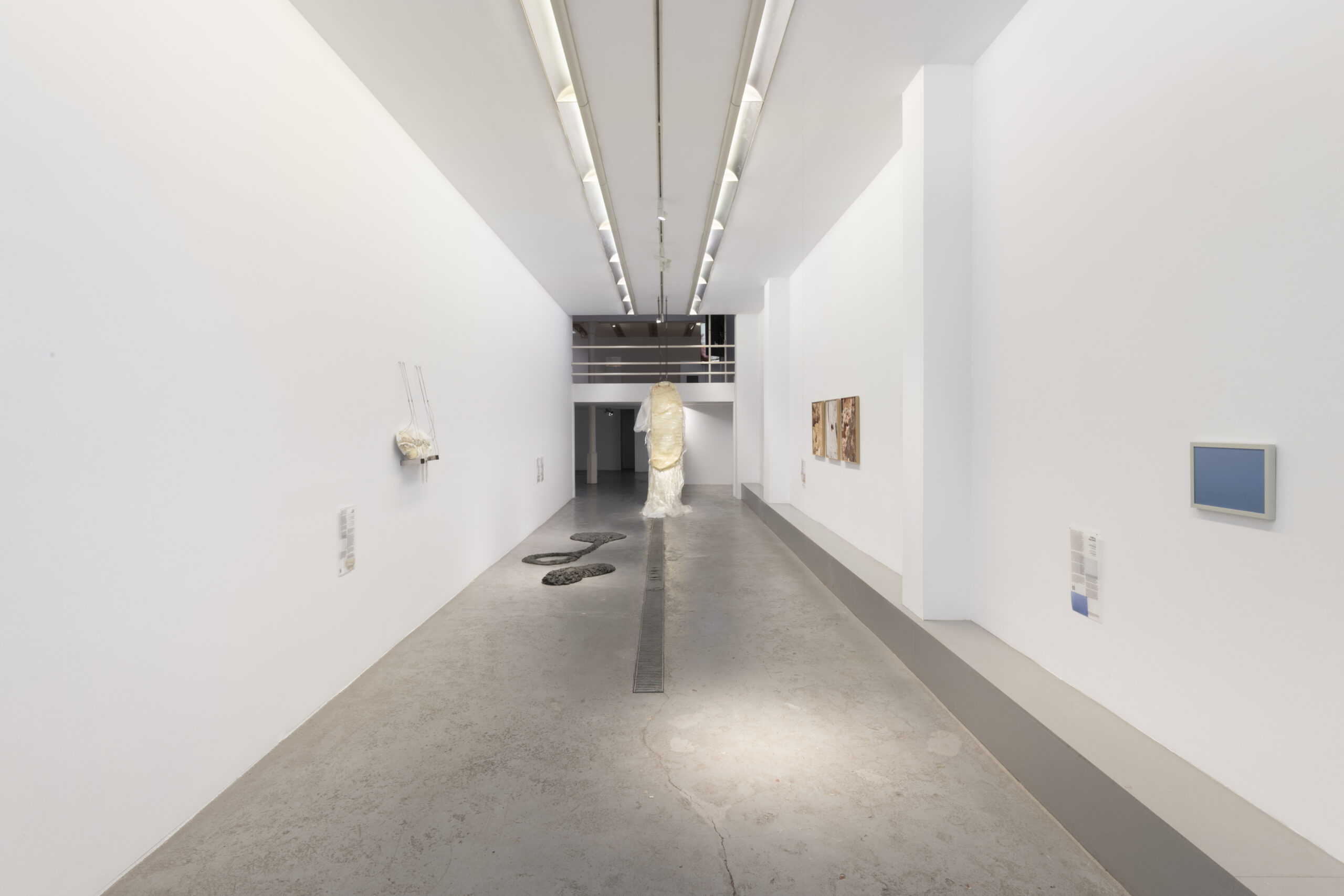
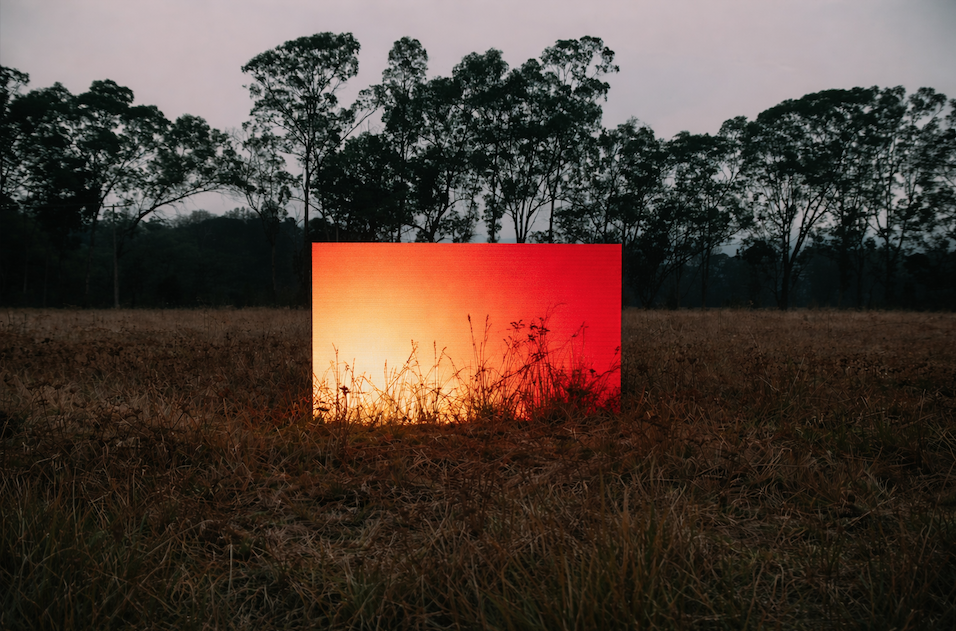
The exhibition transforms the room into a space articulated around a central archipelago that divides the two projects. A screen located in the center plays videos in a loop and establishes a point of connection between the different works. Paintings, drawings, colorful sculptures and audiovisual pieces build a fragmented landscape in which history and fiction, memory and speculation, as well as different temporalities, coexist.
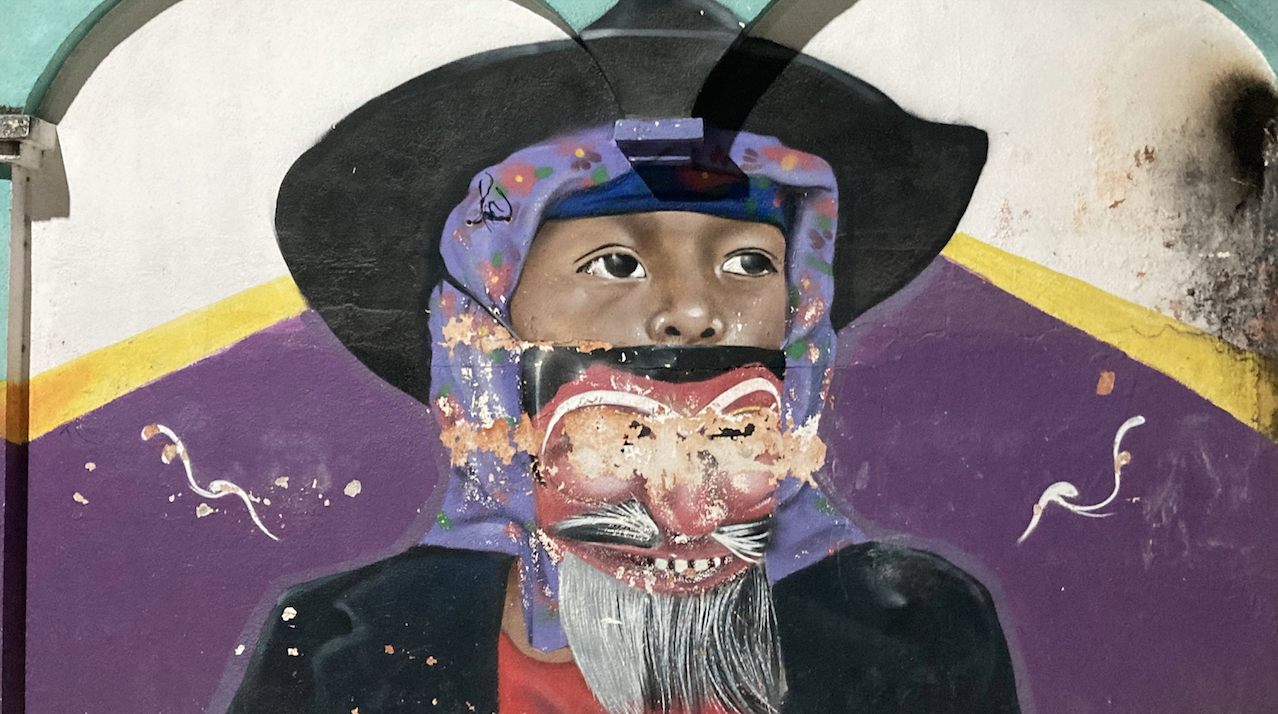
The first area is dedicated to the axolotl, an amphibian endemic to the Valley of Mexico that is in a critical situation in its natural habitat. Its progressive disappearance contrasts with its extraordinary presence in the contemporary imaginary of Mexico City. The animal appears represented on banknotes, applications, commercial products and institutional campaigns, to the point that it has become a cultural icon largely disconnected from the fragility of its real existence.
Blanca de la Torre has defined the axolotl as a creature of strange beauty that, paradoxically, circulates today in children's imagination as an icon and as an affective commodity. Its permeable skin, extraordinarily sensitive to pesticides and pollution, also makes it a bioindicator of the state of its environment.
This contradiction is one of the axes of the proposal. Curator Helena Chávez Mac Gregor recalls that the axolotl has practically disappeared from its natural habitats, but it can continue to live in water tanks, even as a pet. The paradox opens up a series of questions about the very limits of survival: if an individual survives, does a species survive? And what does it mean to exist when one can no longer inhabit the space that is their own?
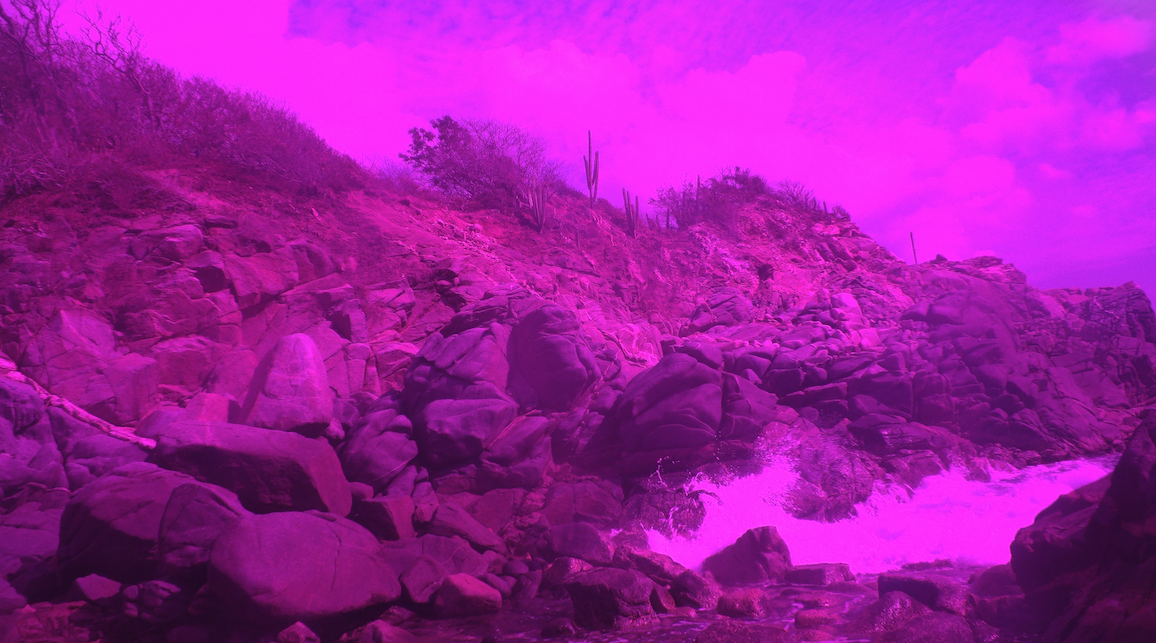
The second core of the exhibition focuses on the tixinda or purple snail, a mollusk that produces a secretion capable of transforming, in contact with sunlight, until it acquires an intense purple hue. Currently, this species only lives in certain areas of the coast of Oaxaca, in Mexico.
Its pigment allows us to introduce a historical dimension into the project. The color extracted from this animal was for centuries a symbol of status, power and nobility. Phoenicians and Romans established production centers on the coasts of the Spanish Mediterranean, where these mollusks were abundant. Their exploitation thus becomes a precedent for forms of marine extractivism and allows us to connect current environmental problems with a much longer history of domination and appropriation of natural resources.
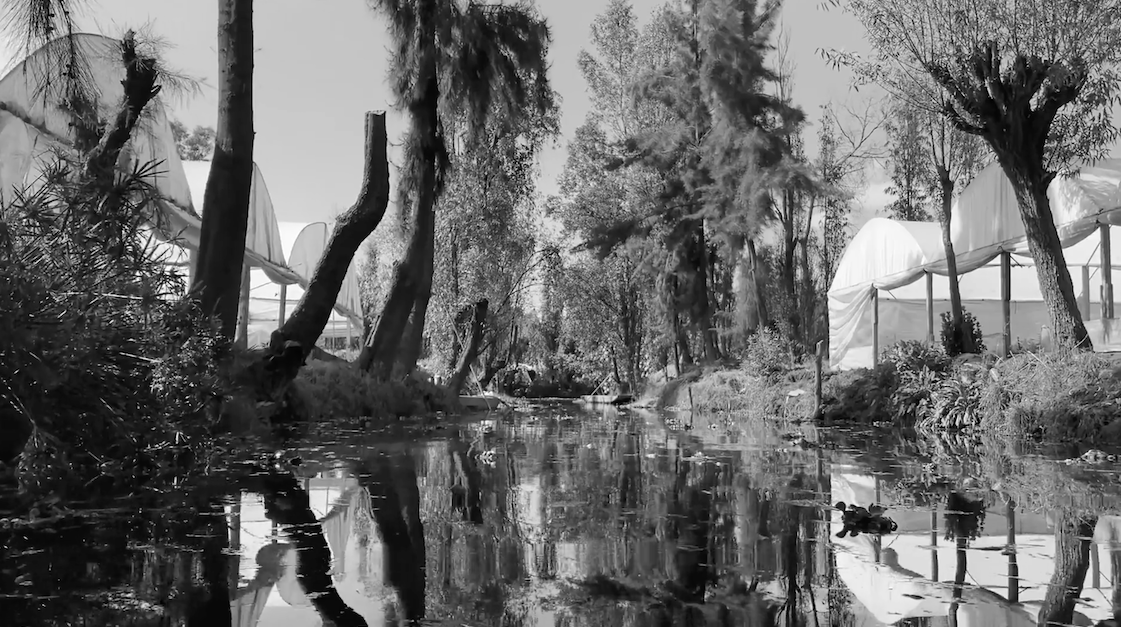
Smith does not approach these questions from a strictly documentary perspective. His artistic practice combines different languages and temporalities to generate a fabric of associations in which certainties give way to fiction, memory and speculation. The paintings, drawings, sculptures and videos do not simply illustrate an ecological discourse, but construct a space of thought where the viewer must establish their own connections.
The exhibition's title itself functions as a declaration of intent. Only one thing was strange, continuing to think as before is, according to Smith, a provocation that invites us to change the way we observe the world. The artist proposes to think about our lives around these animals instead of continuing to think exclusively from a human perspective.
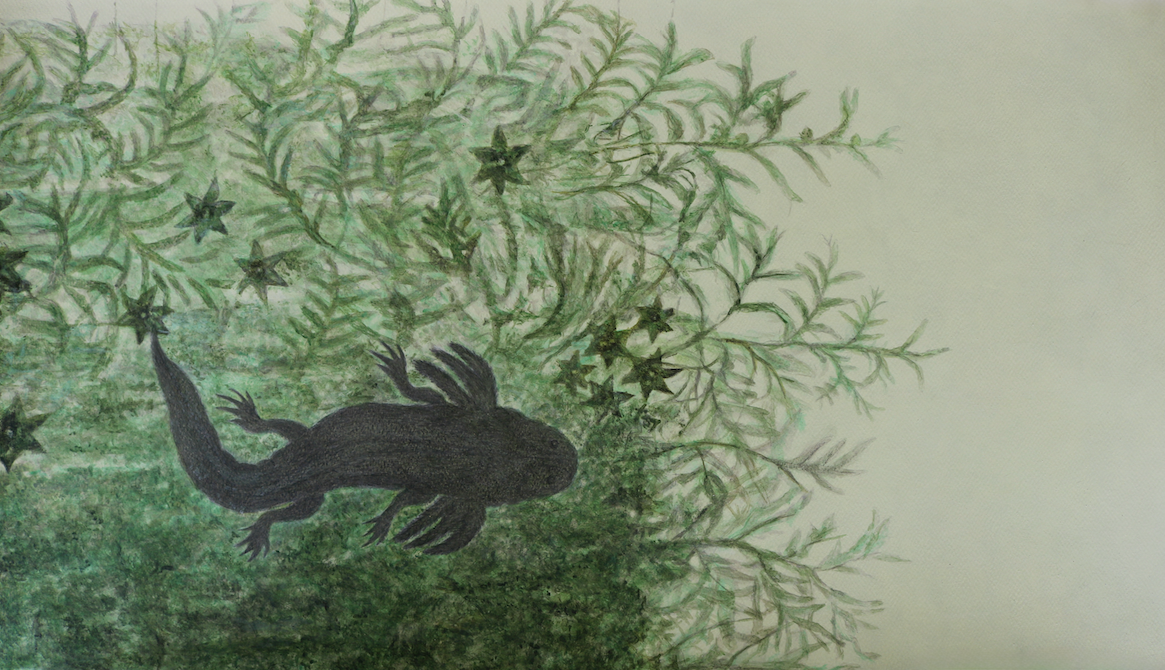
This desire to shift the gaze also explains the particular structure of Smith's work. "My work is always built in layers or strata," explained the artist, who describes his practice as a work of tensions and circular movements, almost like a spiral. The exhibition therefore demands a slow gaze, capable of relating seemingly distant elements and accepting that there is no single possible interpretation.


You may be
interested
...