Exhibitions
SWAB opens Barcelona to the new geographies of art
More than 180 artists, 60 galleries and projects from 22 countries are participating in the nineteenth edition of SWAB Barcelona, an event that connects the local scene with new models of production, circulation and community in contemporary art.
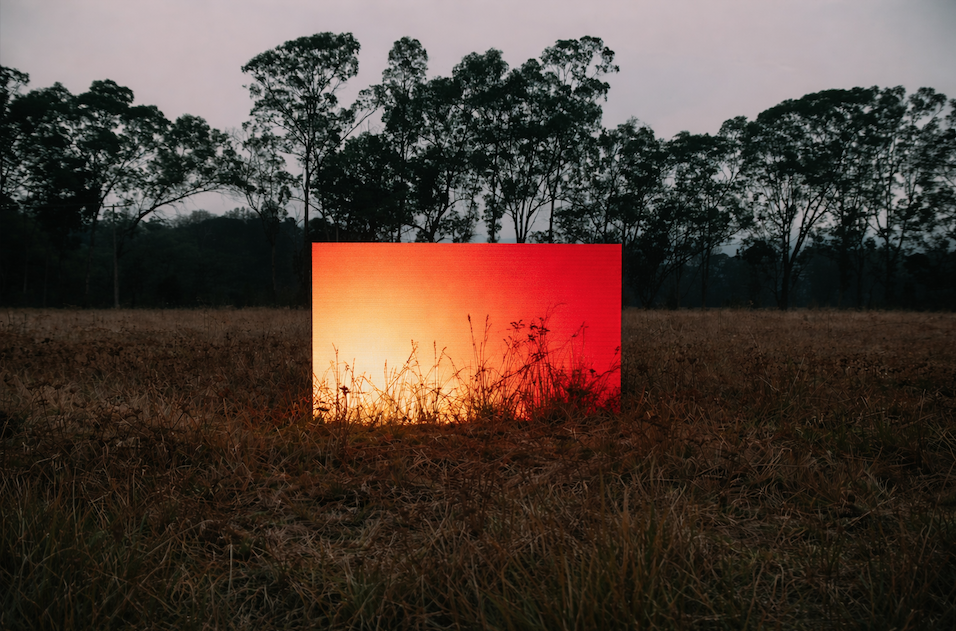
Barcelona looks at itself in the mirror of SWAB again. From October 8 to 11, the Palau Victòria Eugènia of Fira Barcelona-Montjuïc will host the nineteenth edition of a fair that has become one of the outstanding events of the final stretch of the Barcelona art year. More than 180 artists, more than 60 galleries, spaces and projects from 22 countries and more than 3,000 square meters of exhibition space make up an edition that, beyond the numbers, allows us to take the pulse of a local art scene that seeks to grow, connect with other contexts and expand its international projection.
SWAB thus poses a double condition. It is, obviously, a space for economic exchange and circulation of work, but also a meeting place between artists, galleries, independent spaces, curators, collectors and the public. A platform in which Barcelona is not only the stage, but also a scene that questions its own capacity for articulation, growth and internationalization.
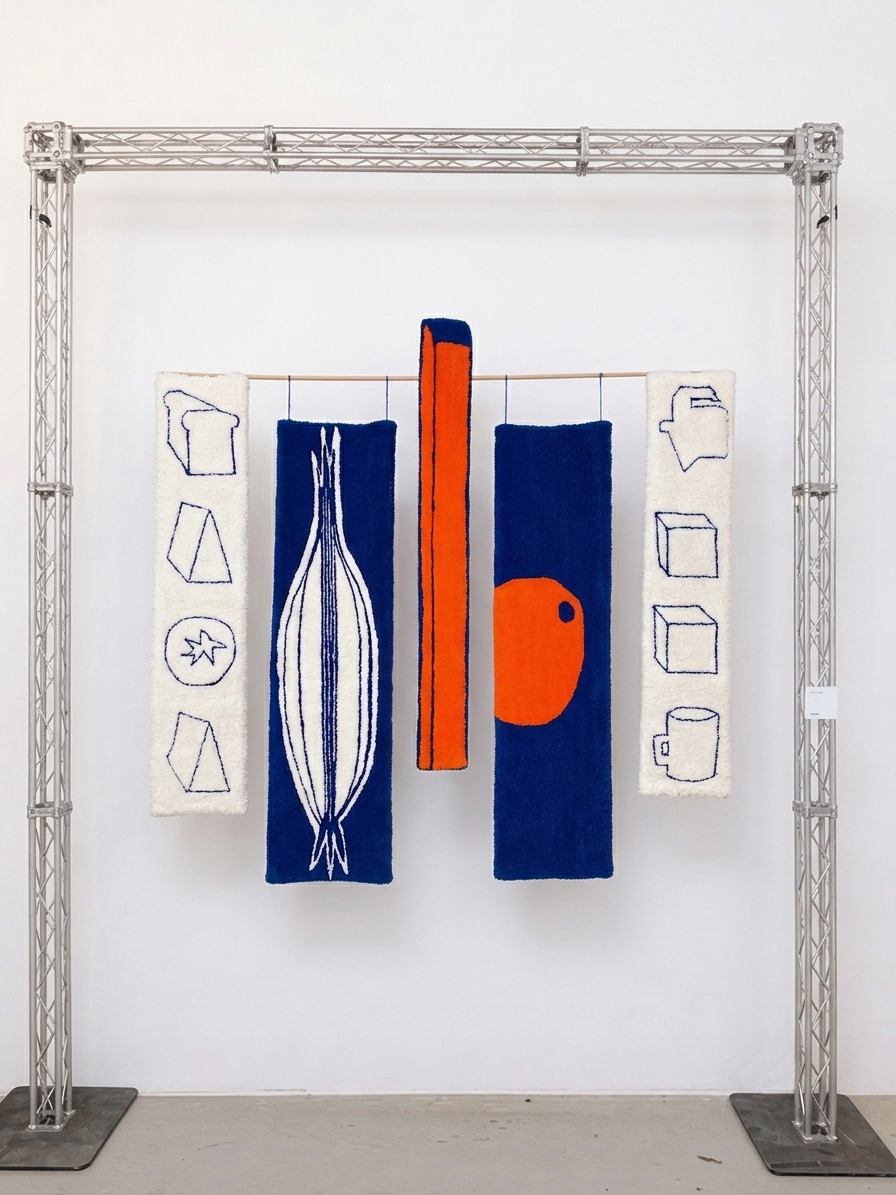
This desire is especially visible in a program that questions the mechanisms of value on which much of the hegemonic model of contemporary art has been built. Faced with a conception focused on the artistic object as a commodity and on the individual autonomy of the artist, the proposals of this edition shift attention towards the processes, relationships and communities that make creation possible. The interest is not only in which work is presented, but also in which structures support it, which territories it activates and which bonds it is capable of generating.
In this context, OFF-site takes on special relevance, a new program that expands the physical and conceptual limits of the fair and activates mobile, reused or disused environments. Five galleries that work beyond the traditional white cube model are part of this section: Alkovi, from Finland; Étheral Maison and Outhouse, from the United Kingdom; Suvatne & Eraković, with a presence between Norway and Switzerland, and CasCaDas, from Barcelona. The proposal thus introduces a reflection on the exhibition spaces themselves and on the possibility of imagining other architectures for contemporary art.
This desire for openness is joined by MYFAF , My First Art Fair, an initiative promoted with the support of the SWAB Barcelona Foundation that offers three free stands to galleries with less than two years of activity that are participating for the first time in an international art fair. DivergenX, from Switzerland; Twilight Contemporary, from the United Kingdom, and Ulstrup Gallery, from Denmark, are part of this commitment to incorporating young projects and facilitating their entry into international circuits.
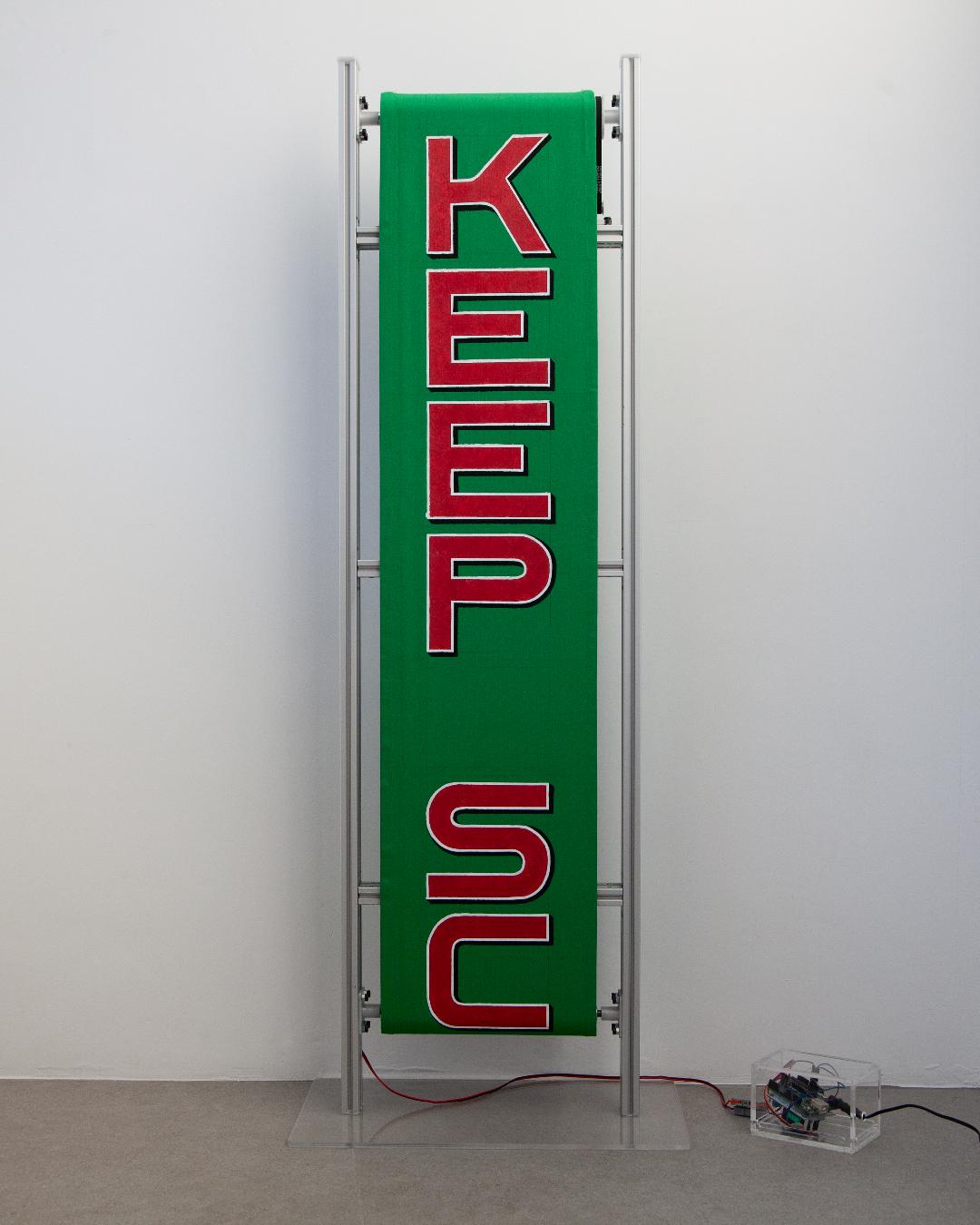
The territorial issue also appears as one of the main axes of the program. Polar & Tropic establishes a dialogue between two geographical extremes, the Nordic region and Southeast Asia, and brings together artists and spaces that experiment with new practices and develop perspectives around solidarity and community. All All All, from Copenhagen; DAM DAM, with a presence in Amsterdam and Jakarta; Galleria Huuto, from Helsinki; GOR, from Bandung; Hulias and PODIUM, from Oslo; Small Projects, from Tromsø; Tapir Studio, from Klang; Wei Ming Ming, from Taipei, and INLAND / campo adentro, from Spain, articulate a constellation of projects that brings together geographically distant contexts but crossed by common concerns.
Northern Europe largely represents cultural models in which public policies have played a significant role in sustaining creation and artistic spaces. In Southeast Asia, however, collective practices, self-management and independent initiatives acquire a particularly significant presence. Rather than establishing a comparison between territories, SWAB proposes to put them in relation and observe which models, experiences and forms of organization can enter into dialogue.
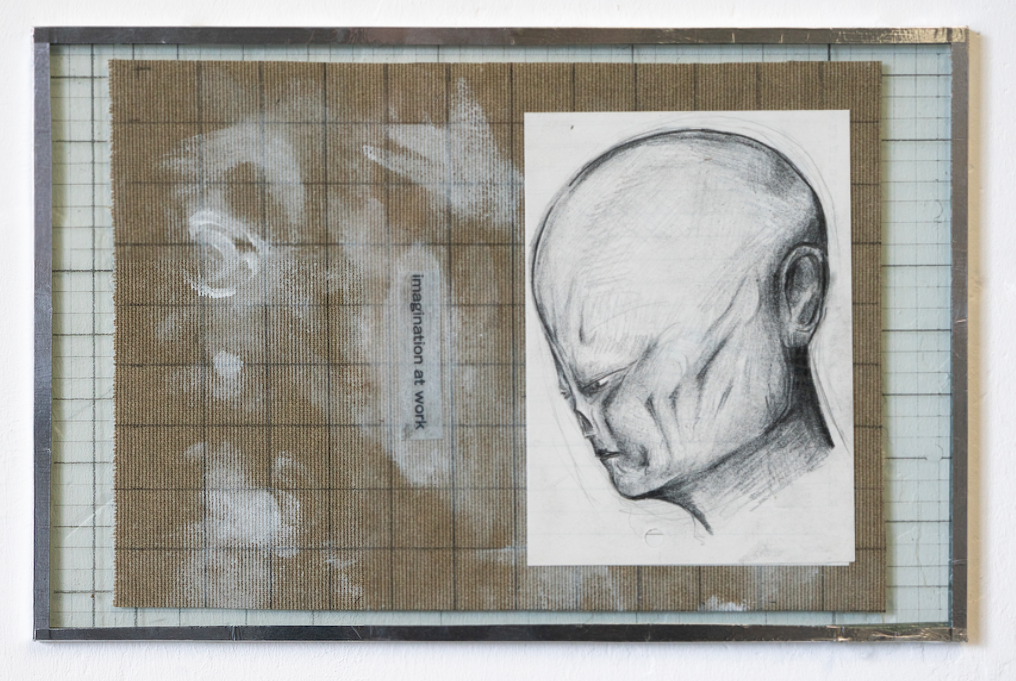
This same logic of exchange runs through Vortex , one of the programs that best expresses the fair's desire to go beyond the simple juxtaposition of international galleries. Curated by Lena Solà, the project establishes collaborations between spaces in Latin America and the Iberian Peninsula, bringing together five pairs of galleries to generate affinities, exchanges and conversations between young artistic scenes.
The Barcelona presence plays a particularly significant role. TAT ARA shares space with Trastienda Machete, from Mexico City, while Herrera Gallery establishes a dialogue with Ona Galeria, from Cuba. Also participating are After Poema, with a presence in Buenos Aires and Santiago de Compostela; Afterschool, from Barcelona; Segismundo, from Guatemala; Casa Espacio; Digestivo; Ainda, from Rio de Janeiro; Local.ext and Pionera, among other projects from different parts of Spain and Latin America.
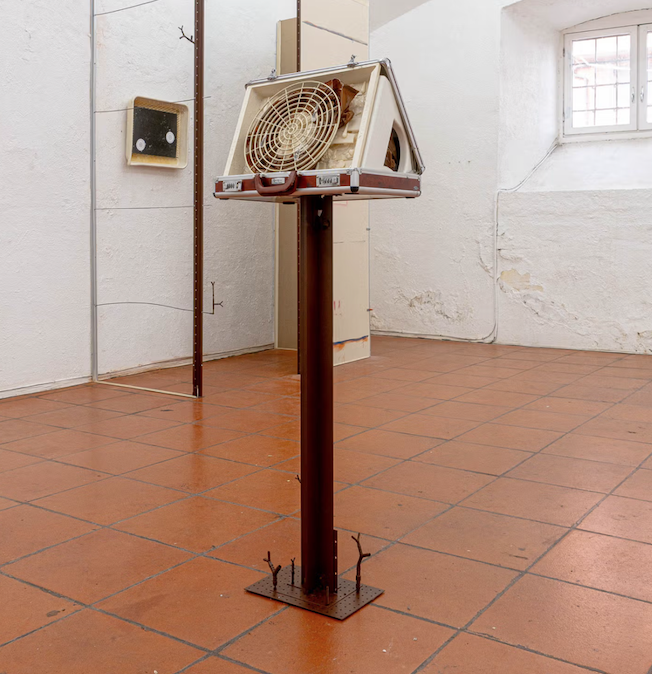
Vortex highlights a transformation that affects the very idea of a fair. Internationalization no longer consists solely of bringing together projects from different countries under one roof, but of creating the conditions for these projects to collaborate, share resources and compare their respective ways of understanding artistic production. Geographical difference ceases to function as a simple datum of origin and becomes a tool for generating new relationships.
In this sense, SWAB once again functions as a particularly revealing mirror of Barcelona. The city appears at the fair through its galleries and spaces, but also through a certain way of understanding the contemporary scene: a structure still crossed by young projects, independent initiatives and alternative production models that seek to find their place in an increasingly interconnected international context.
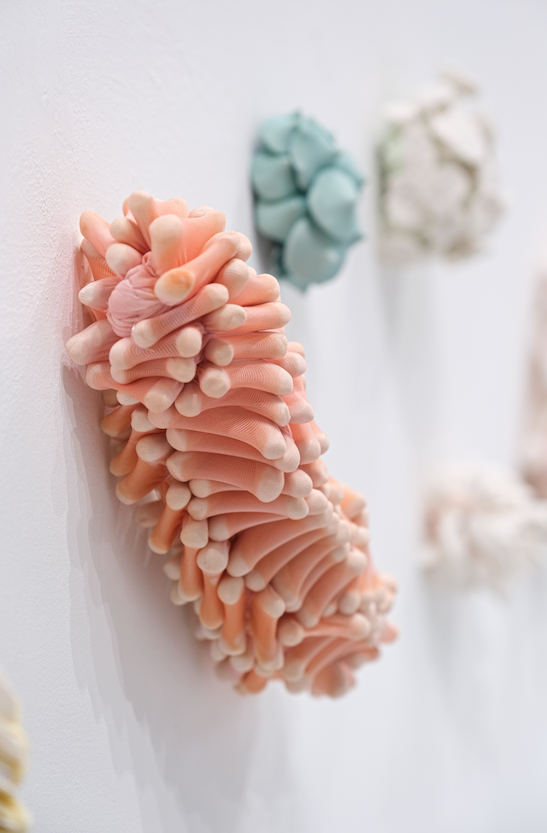
The fair proposes a continuous movement between the local and the international, between the market and the community, between the institutional space and alternative places of creation. Much of its interest lies in this displacement. SWAB not only shows what art is circulating in Barcelona, but also allows us to ask ourselves what structures an art scene needs to grow without losing the diversity, critical capacity and willingness to experiment that characterize it.
You may be
interested
...