Exhibitions
César Paternosto and the oblique gaze
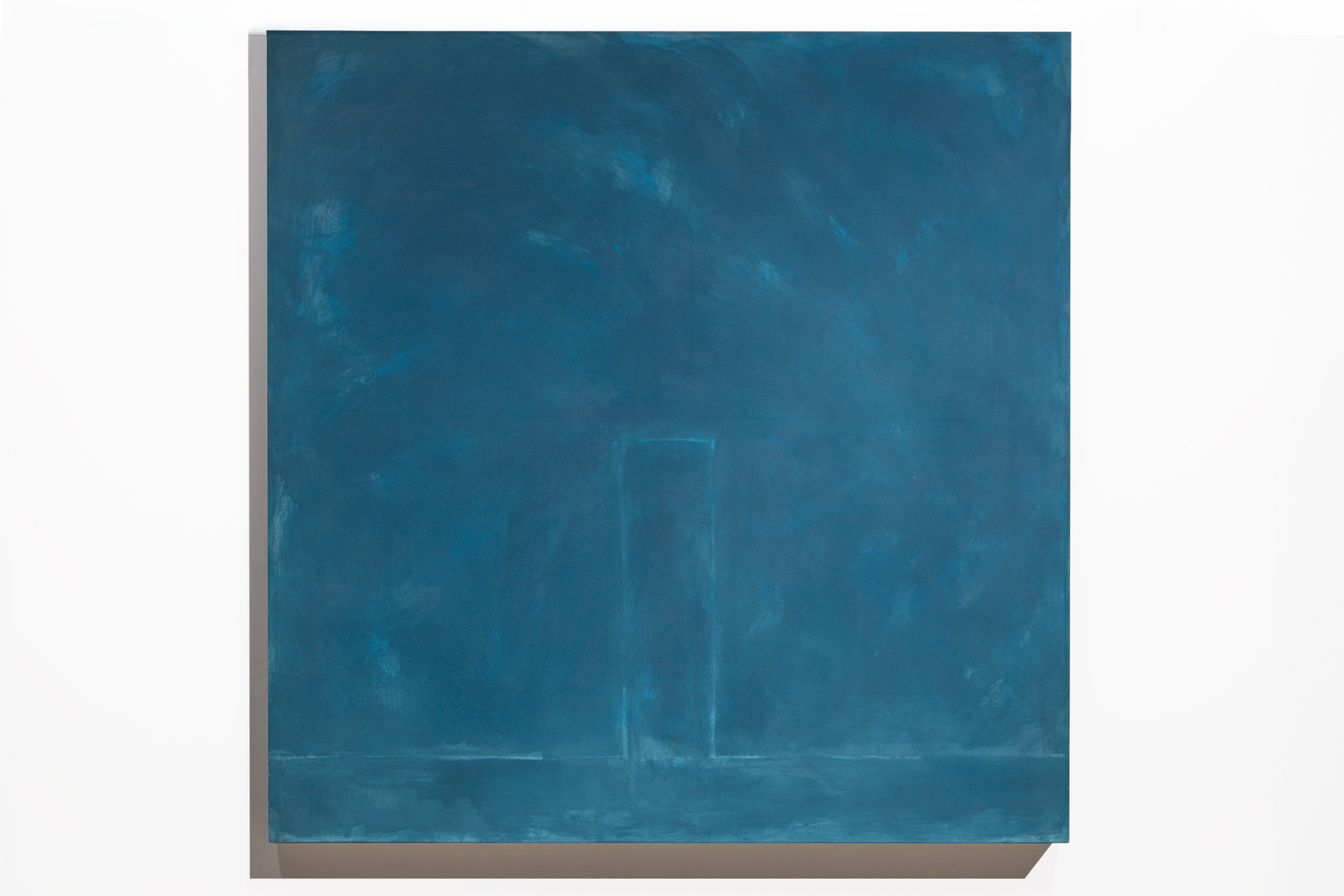
What relationship can exist between the colored threads of an ancient Andean textile and the development of a modern painting technique? Around questions like this, César Paternosto (La Plata, 1931) has spent six decades building one of the most singular investigations in contemporary abstraction. His work stems not only from a desire to move toward the new, but also from a need to look back to find other ways of understanding painting. Much of his singularity lies in this temporal displacement: a deliberately anachronistic distance that allows him to observe the present from one of its margins and approach the contemporary from its reverse.
The exhibition Abstract Stone , presented by the RGR Gallery in Mexico from September 3 to October 24, 2026, explores different moments in Paternosto's career and allows viewers to follow the evolution of a language that, from its inception, questioned the centrality of the pictorial surface. Paternosto began his career with the Grupo Sí in La Plata, where he explored geometric abstraction. Over the years, that initial investigation evolved into his own poetics based on what the artist has called 'oblique vision': a way of shifting our gaze and altering the conventions from which we view a painting.
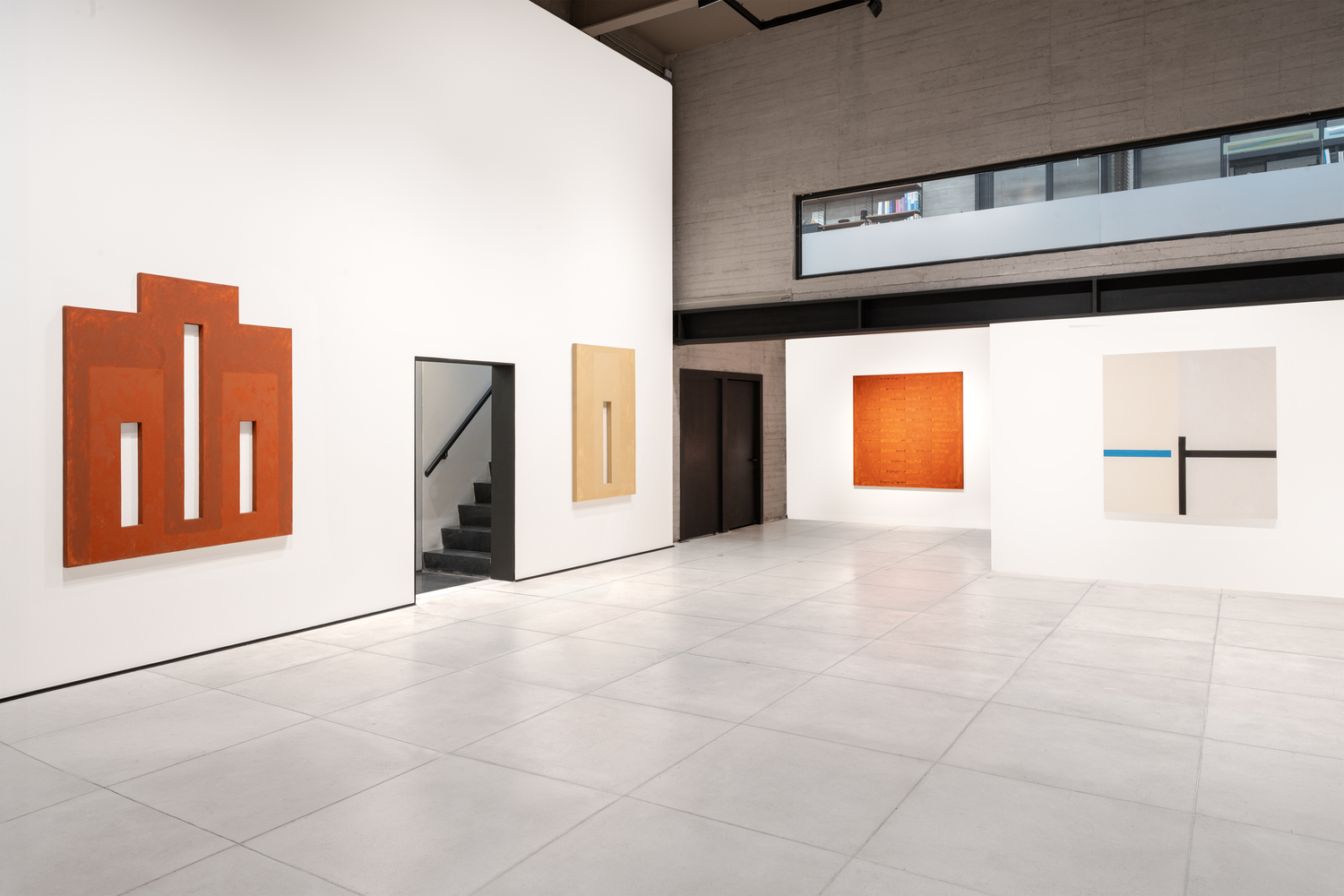
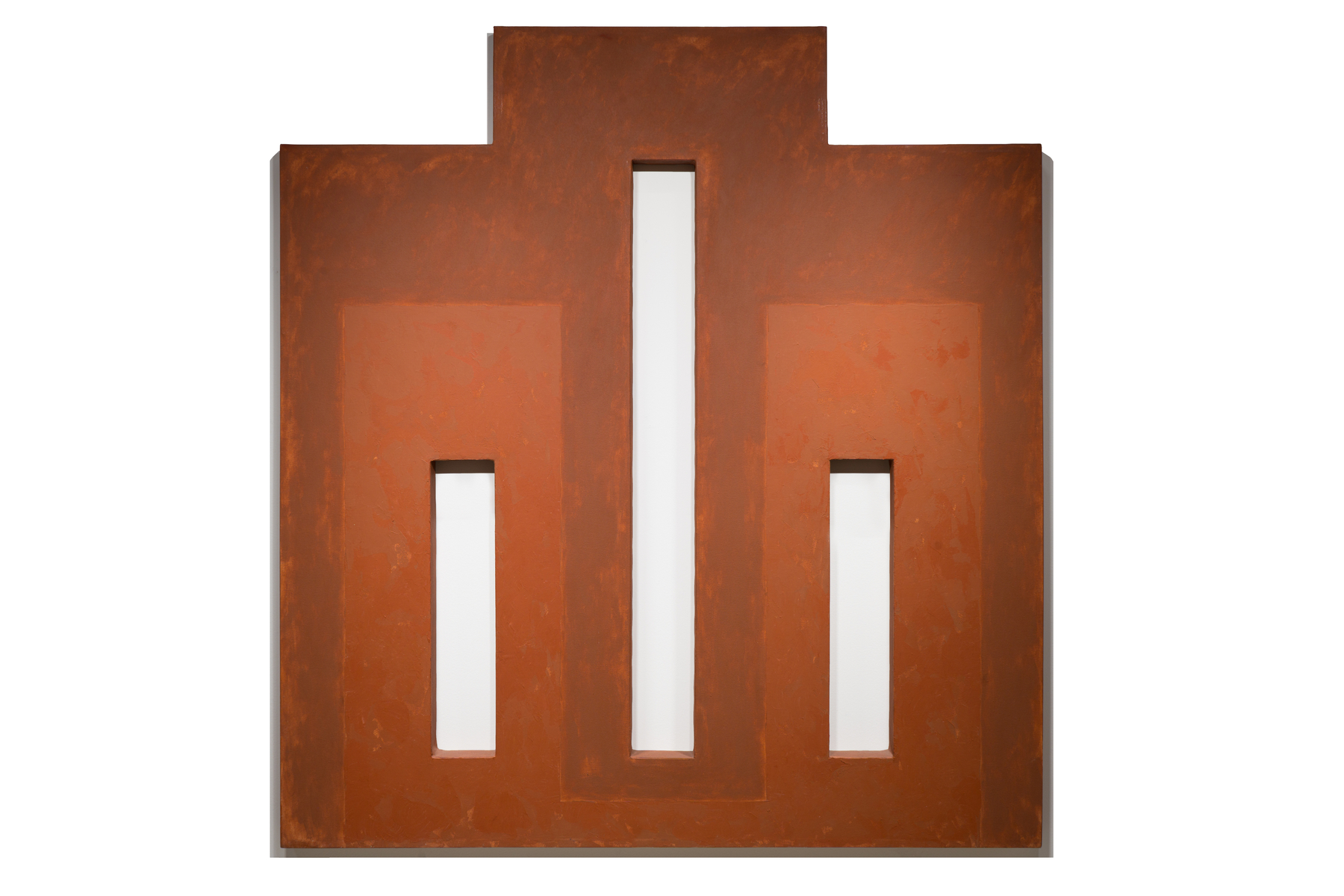
In the 1960s, Paternosto settled in New York, where he came into contact with the countercultural debates that were expanding the boundaries of traditional artistic media and with new international forms of conceptualism. During the thirty-seven years he remained connected to the city, his painting experimented with modular structures, incorporated windows and doors into the canvas itself, introduced archaic signs on monochrome surfaces, and developed the chromatic bands and lateral marks that would eventually become some of the most recognizable features of his work.
But it was his encounter with pre-colonial Amerindian cultures that opened a new dimension in his research. In the late 1970s, he embarked on several journeys through the Andean regions, driven by an interest that transcended the strictly artistic and delved into the realm of anthropology. The architecture, sculpture, and especially the textiles of these cultures offered him new possibilities for thinking about abstraction and questioning a Western conception of painting based on frontality and the autonomy of the surface.
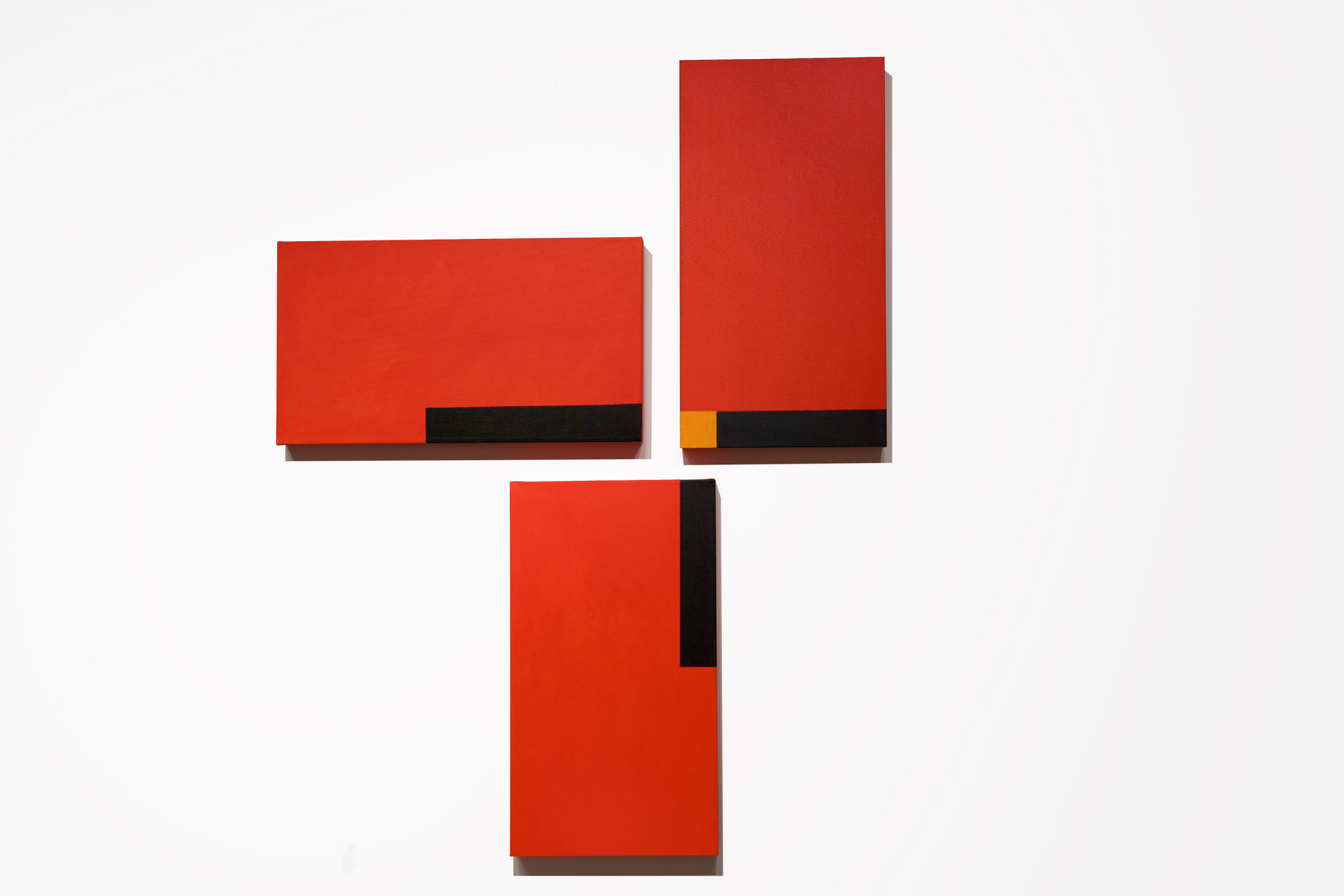
From those investigations emerged the essay Abstract Stone , later expanded and published in English under the title The Stone and the Thread . The book helped situate his thought and work within the artistic debates of North America and Europe, establishing a link between the abstract forms of the indigenous cultures of South America and the pursuits of artistic modernity. In Paternosto's work, past and present thus cease to function as opposing categories, becoming territories that can engage in dialogue and mutually influence one another.
The painting then appears as a space that no longer ends at its own boundaries. Its bands of color, signs, and lateral marks progressively shift the center of attention toward the margins, toward what normally remains outside the main field of vision. The so-called oblique vision proposes precisely this perceptual alteration: neutralizing the frontality of the painting and activating the sides as unexpected places for exploration.
You may be
interested
...