Exhibitions
Anselm Kiefer. The secret breath of matter
'The Secret Life of Plants by Anselm Kiefer' arrives at La Pedrera in an immersion in memory, ruin and the hidden forces of matter.
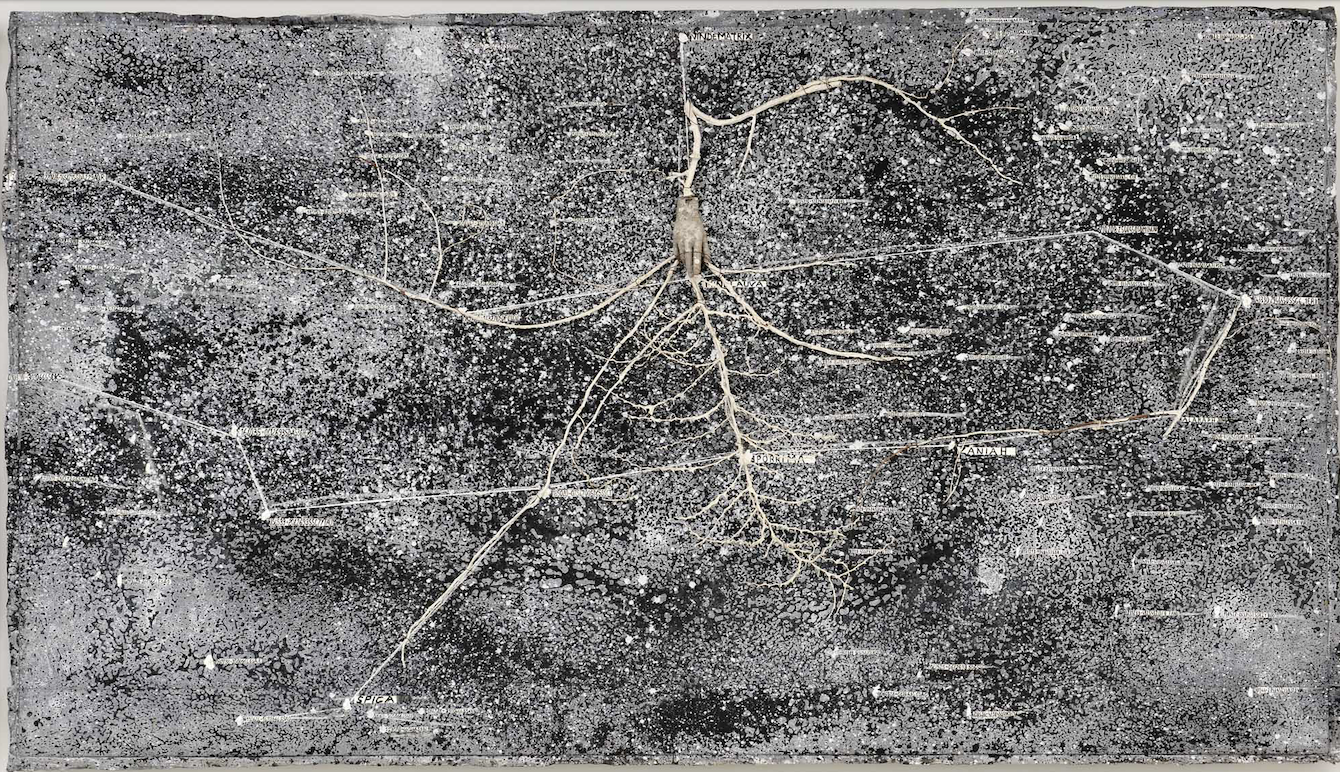
“There are still songs to sing beyond humans,” writes Paul Celan in Fadensonnen , a short and dazzling poem that seems to rise from a devastated landscape, where words have been wounded and the world has lost its former innocence. In this verse, fragile and resounding at the same time, there beats the intuition that something can continue to resonate beyond destruction, like a voice that no longer belongs entirely to men, but that has not been dissolved by silence either. This tension between wound and persistence, between disappearance and return, also runs through the universe of Anselm Kiefer, an artist who has turned matter into a place of memory, ruin into a form of thought and ash into a territory still capable of preserving a secret life.
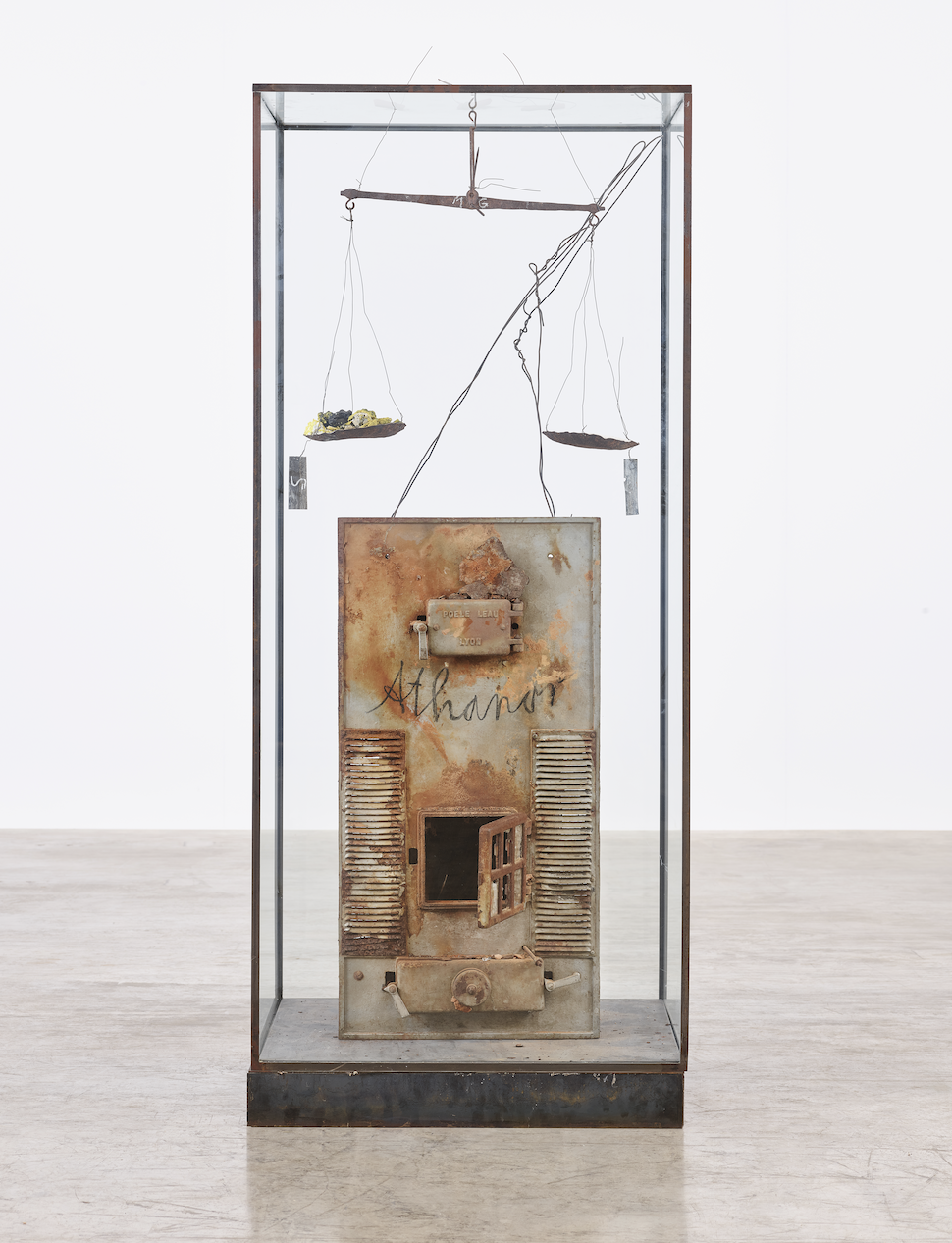
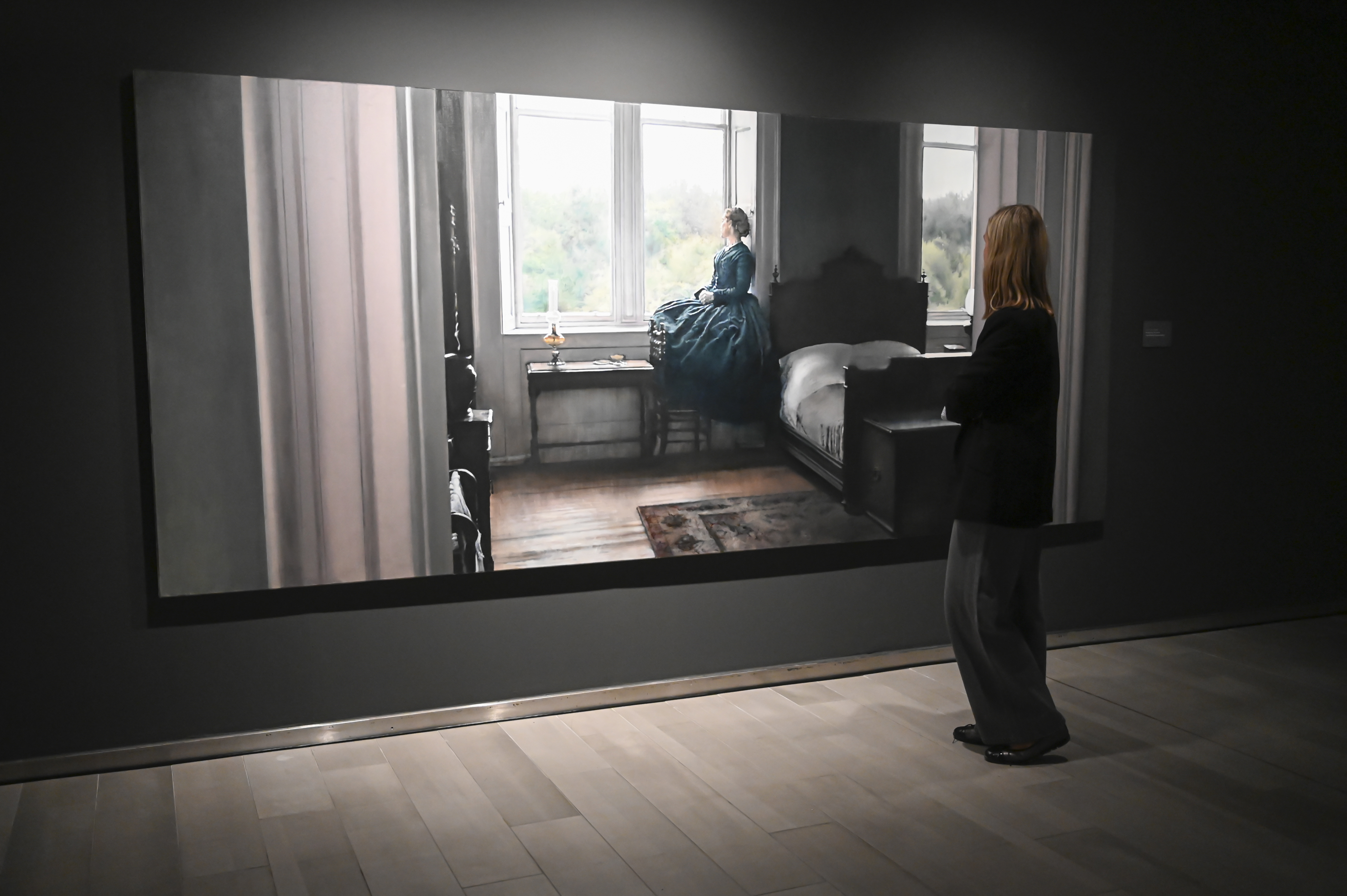
Opus Magnum Athano, 2014, Anselm Kiefer.
On March 8, 1945, while Europe was dying among sirens, ashes and shattered cities, Anselm Kiefer was born in Donaueschingen, a small town in southwestern Germany, on the edge of the Black Forest. The war was not yet over, and the light that pierced the nights did not portend any rebirth, but the convulsive glow of a world that was collapsing. To imagine that baby in a cradle, under a sky torn by sparks and reverberations, is not to seek a sentimental image, but to recognize a profound correspondence between a life and a work: someone who arrives in the world when everything seems to be extinguished and who, years later, will make of the remains, the wounded materials and the buried names one of the most powerful grammars of contemporary art.
This tension between devastation and rebirth will run through his entire career. Kiefer will never reduce history to a story, nor memory to a stable image. He will make them emerge as a restless presence, as a substance that insists, accumulates and returns. In his hands, lead, ash, straw, earth, dried flowers or metal books will cease to be simple materials to become bodies charged with time, capable of retaining what words cannot always hold. From this liminal territory between ruin and seed, between what has been lost and what still beats beneath the surface, one of the most singular, demanding and influential works of our time will unfold.
The Catalunya La Pedrera Foundation presents, from October 2, 2026 to January 24, 2027, The Secret Life of Plants. Anselm Kiefer in the Grothe Collection , the first monographic exhibition dedicated to the artist in Barcelona. Curated by Walter Smerling, the exhibition brings together a selection of around forty pieces from the private collection of Hans Grothe, one of the most relevant dedicated to Kiefer, and is completed with works from other private collections. The proposal offers a concentrated approach, but of great symbolic density, to a creative universe that transcends any strict category, because in Kiefer painting, sculpture, installation, photography and the artist's book are part of the same organism of thought, of the same way of interrogating what remains when history ceases to be a story and becomes a stratum.
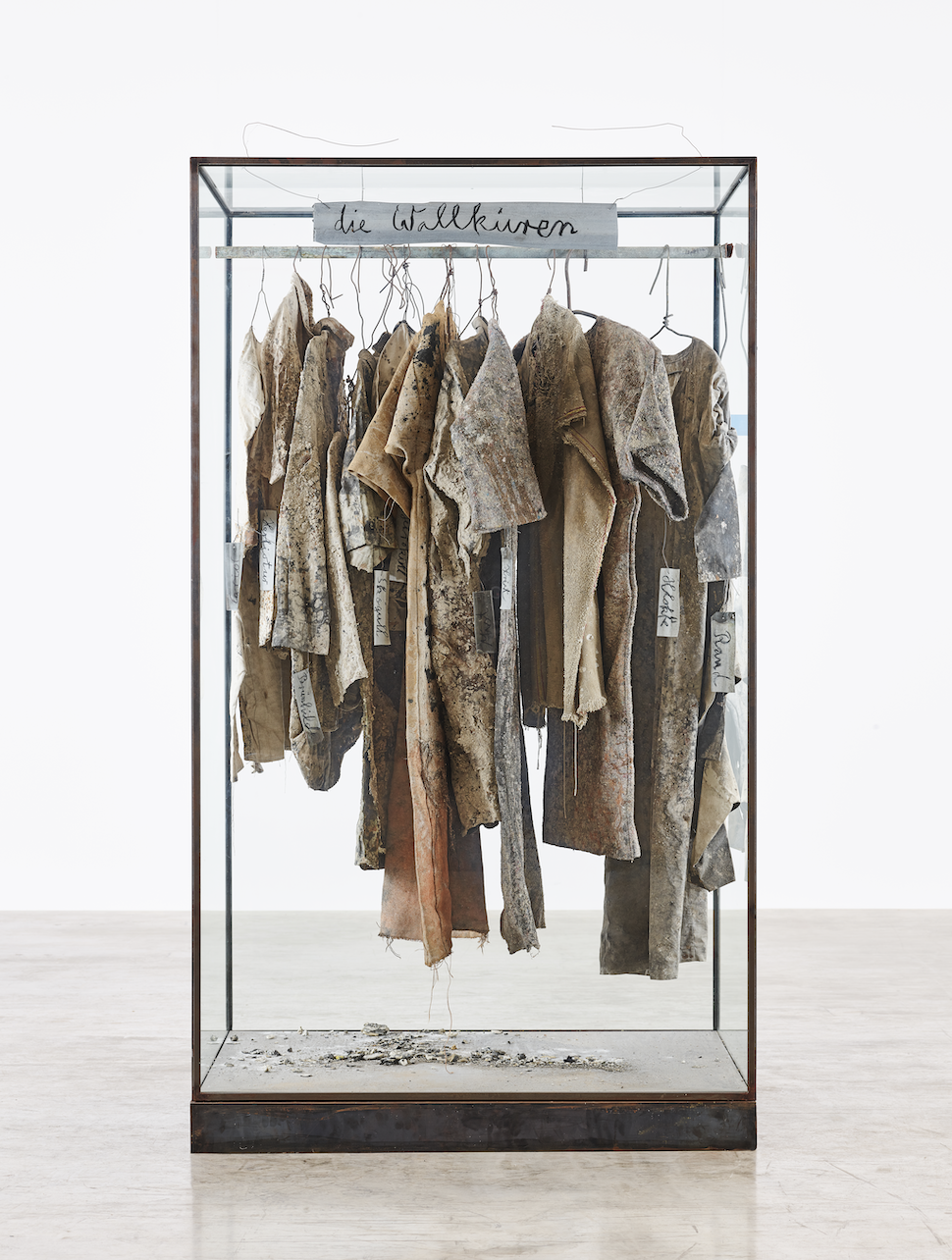
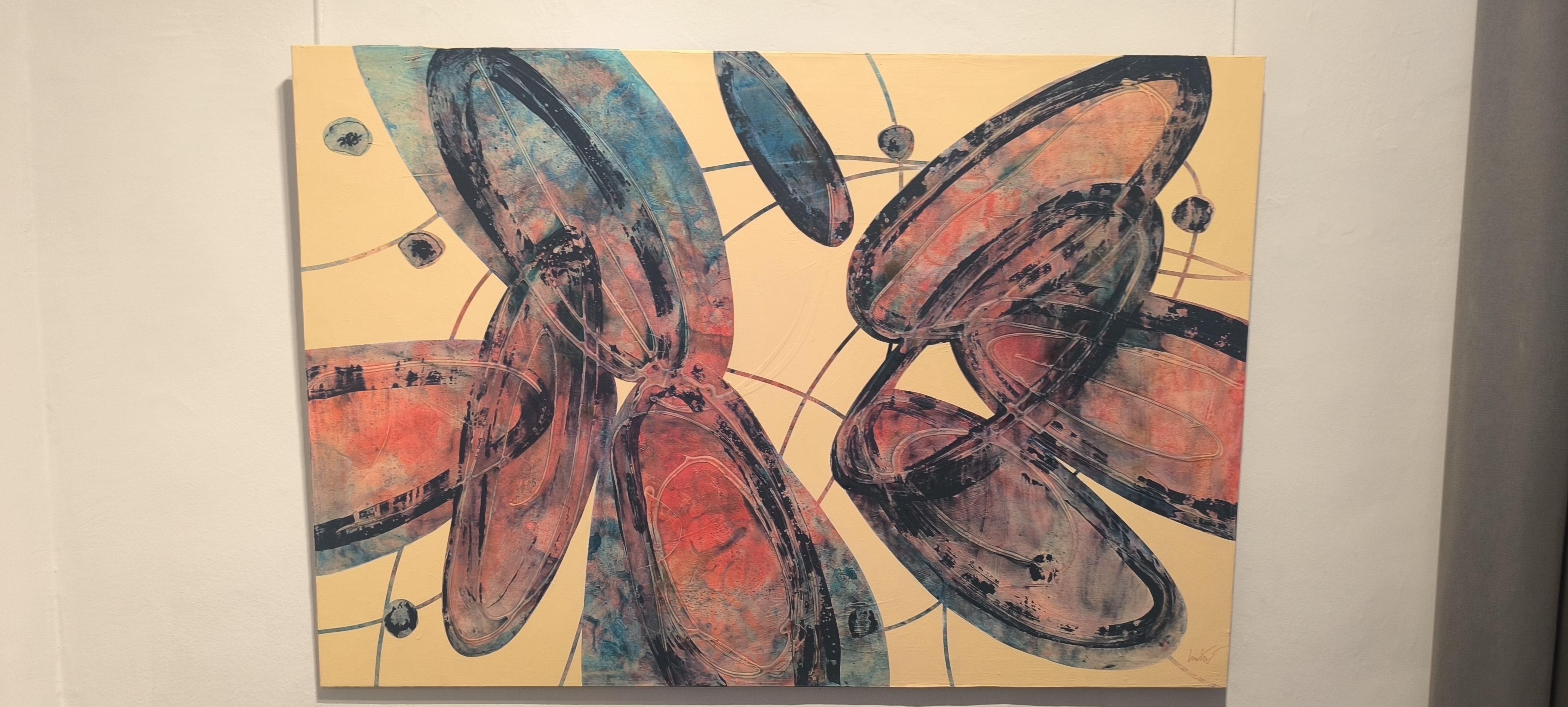
Die Wallküren, 2014, Anselm Kiefer.
The title of the exhibition refers to one of the essential drives of his work: the relationship between the microcosm and the macrocosm, between the most discrete forms of life and the invisible structures of the universe. Plants, seeds, roots, sunflowers, straw or dried flowers do not appear in Kiefer as ornamental motifs, but as presences charged with time, mutation and latent energy. The vegetal germinates and is extinguished at the same time; it is combustion and waiting, residue and promise, vulnerable matter and secret form of permanence. In this sense, the dialogue with Robert Fludd, a 17th-century English physician, alchemist and thinker, allows us to understand this idea of a secretly interdependent world, where nature, humanity and the cosmos participate in the same hidden breath.
His work is constructed from an extreme, almost telluric materiality. Lead, ash, sand, mud, concrete, glass, wood, thick pigments or metal books are not simple materials put at the service of an image, but substances that think, weigh, remember and transform. Kiefer does not represent ruin; he makes it appear. He does not only paint devastated landscapes, but surfaces that seem to have gone through fire, weather and silence. In his hands, painting becomes a field, a library, wounded architecture, a night sky, a mental territory. Each work contains an archaeology of signs where matter does not illustrate an idea, but rather reveals it, darkens it and takes it towards a more uncertain depth.
From his earliest works, Kiefer took on the uncomfortable challenge of facing recent German history. In the late 1960s, in the actions known as Besetzungen — Occupations — he photographed himself in various parts of Europe wearing his father's military uniform and parodying the Nazi salute. That deeply controversial gesture did not seek to restore any symbol of power, but rather to expose its spectral persistence, to force the image to traverse what post-war German society had preferred to silence. Since then, his practice has unfolded a fundamental question: how to make art after catastrophe? How to sustain beauty without erasing pain? How to allow memory not to be buried under the comfort of oblivion?
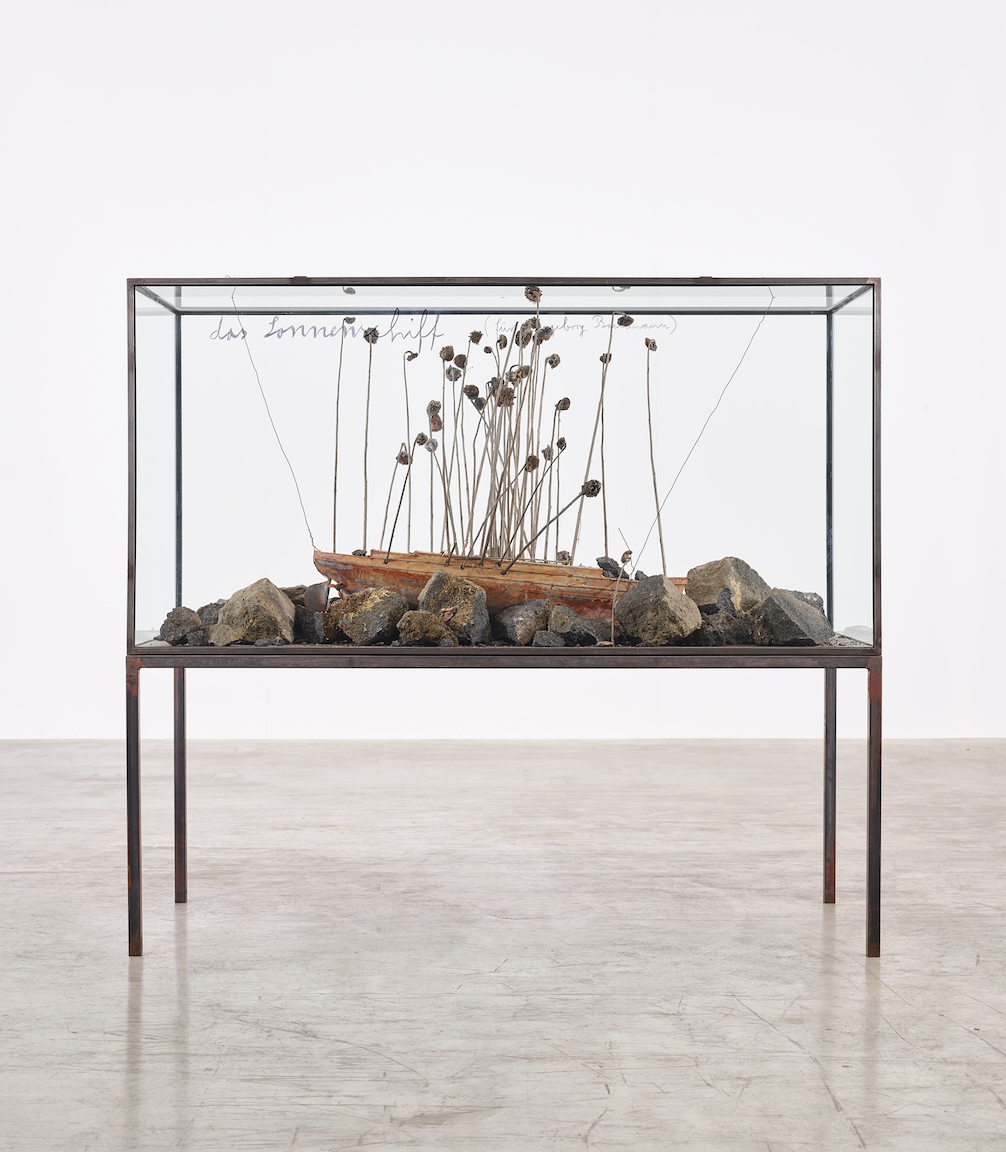
In this ethical and poetic dimension, the presence of Paul Celan is decisive. Celan, a German-speaking Jewish poet born in Czernowitz and marked by the Shoah, wrote from a wounded place: within the German language and, at the same time, against its moral destruction. His poetry, made of layers, silences, condensations and images of extreme beauty, deeply permeates Kiefer's work, which finds in it a way of understanding language as a remainder, as memory and as interrupted breathing. Kiefer does not illustrate Celan; he dialogues with him from the material. In both, beauty appears damaged, at times faded, crossed by a shadow that prevents any attempt at fullness. Kiefer's fields, forests, towers, display cases, books and constellations are not spaces of calm contemplation, but rather places where memory continues to work beneath the surface.
In The Secret Life of Plants , the display cases, books, paintings and sculptures do not function as isolated pieces, but as fragments of the same breath. The Grothe Collection allows access to the profound coherence of Kiefer's project, to the way in which each work seems to contain another, how each ruin announces a possible germination, how each punished matter still retains an energy of transformation. In the context of La Pedrera, the exhibition acquires a particular resonance: Gaudí's undulating stone and Kiefer's eroded surfaces seem to recognize each other in the same certainty, the conviction that matter is never inert, that every surface guards a memory, that nature is not an ornamentation, but a poignant force that precedes us and survives us.
Perhaps that is why, upon leaving this exhibition, that first image of the baby under the wounded sky returns in a different way. It is no longer just the beginning of a biography, but a key to understanding an entire work: the light that pierces the night does not promise immediate salvation, but it is not completely extinguished either; it persists among the ashes, adheres to matter, hides within plants, books, lead and paint, and reminds us that even after devastation, the possibility of a song can persist, secretly and stubbornly.
You may be
interested
...