Exhibitions
Great 'finissage' at the Tàpies Museum: A. Jové / A. Marí
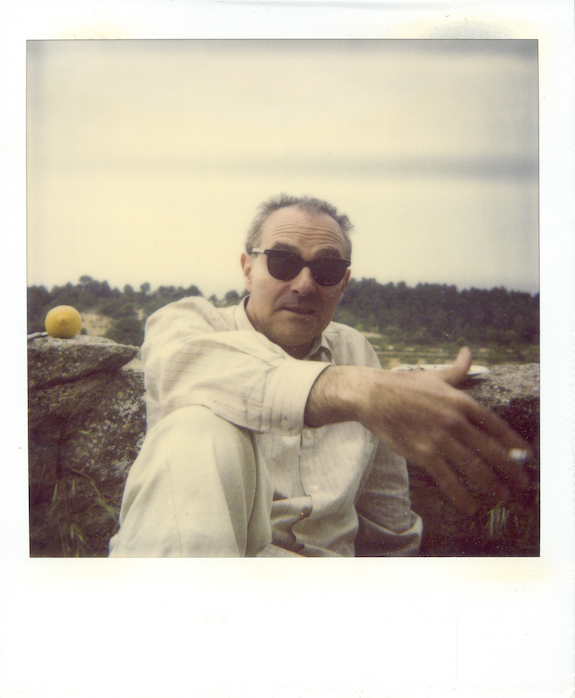
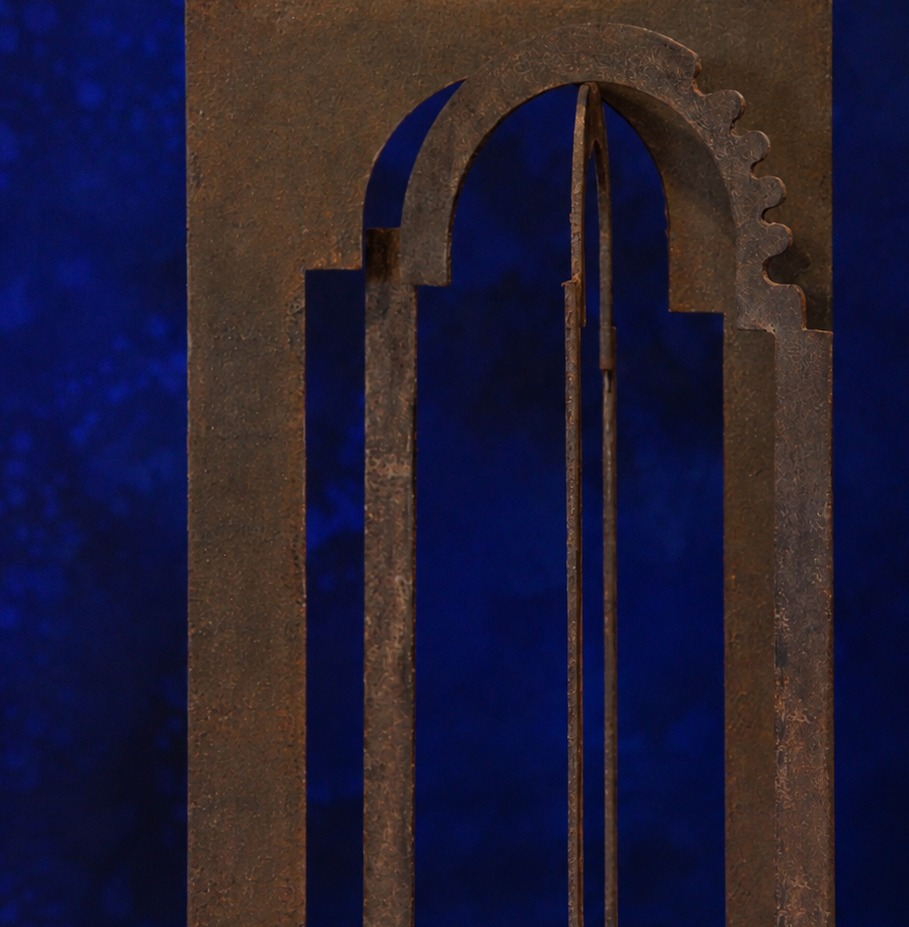
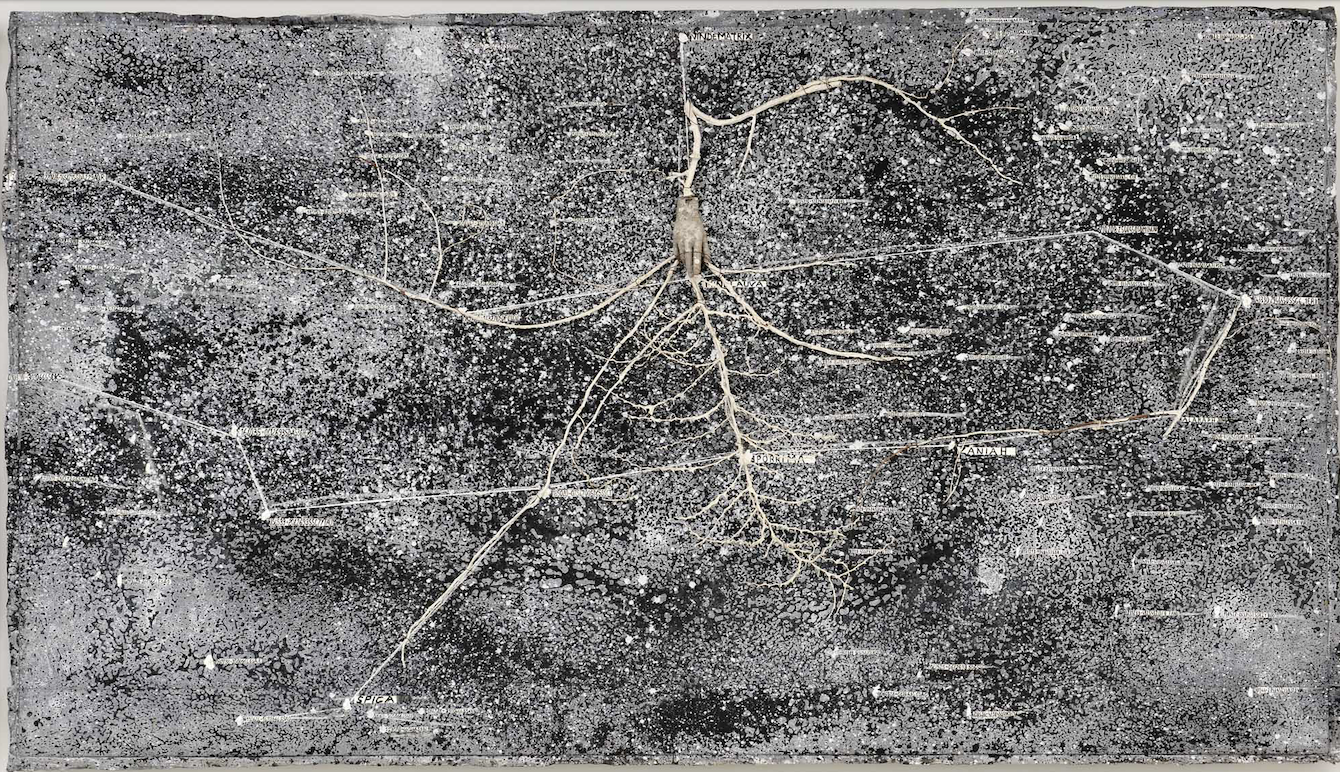
The exhibition by Àngel Jové, 'In Tactu' at the Museu Tàpies is coming to an end after almost seven months of activities, decisions and successes by the director Imma Prieto and the curator Maria Josep Balsach. But, also, due to an unpredictable confluence, we find ourselves facing an extraordinary 'finissage'. A moment of celebration that deserves as much attention and expectation as the beginning. Sometimes we believe that we decide everything as a result of our will, but fate has its own plan and almost always disregards us. This has been the case on this occasion.
The book-catalog
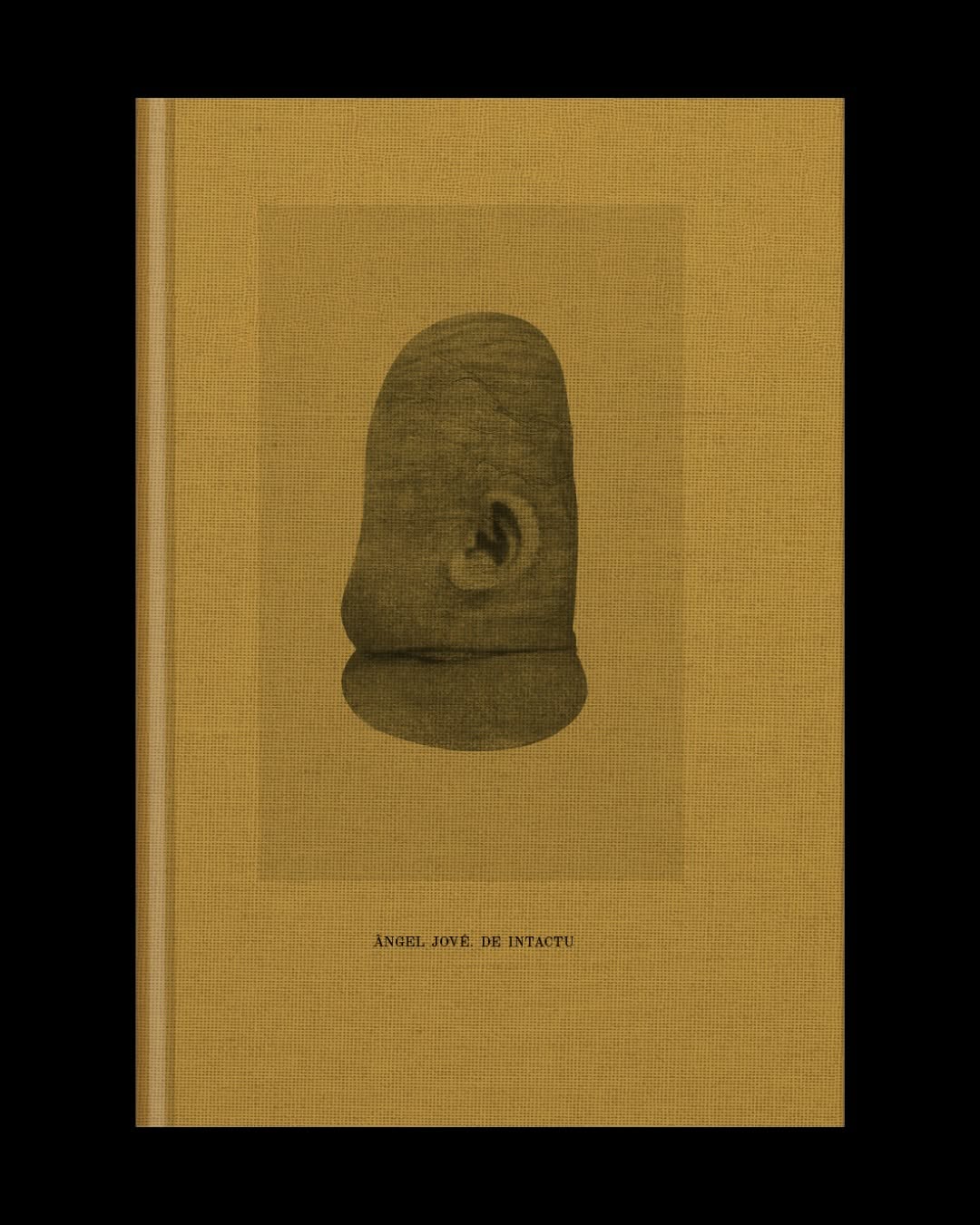
Using one of the clichés of our days, I will say that the cartography of the events is as follows: first, a few days after the exhibition ends, there is a presentation of the book-catalogue published by the Tàpies Museum, a careful edition by the designers Hermanos Berenguer. Almost three hundred pages between texts and works. The retrospective catalogue stands out for its careful material production and virtuoso technique. Already on the back covers we notice that there is a typographic concern in the use of type, reproducing a writing made with an old typewriter by Àngel Jové. All of this turns it into an object that has tactility in the covers, in the weight of the paper and in the treatment of the reproductions, in a tone that creates a dense visual atmosphere, similar to that of the works it contains. This turns it into an “artist's book” in accordance with the aesthetics defined by Àngel Jové. It is the best that has been done about his work.
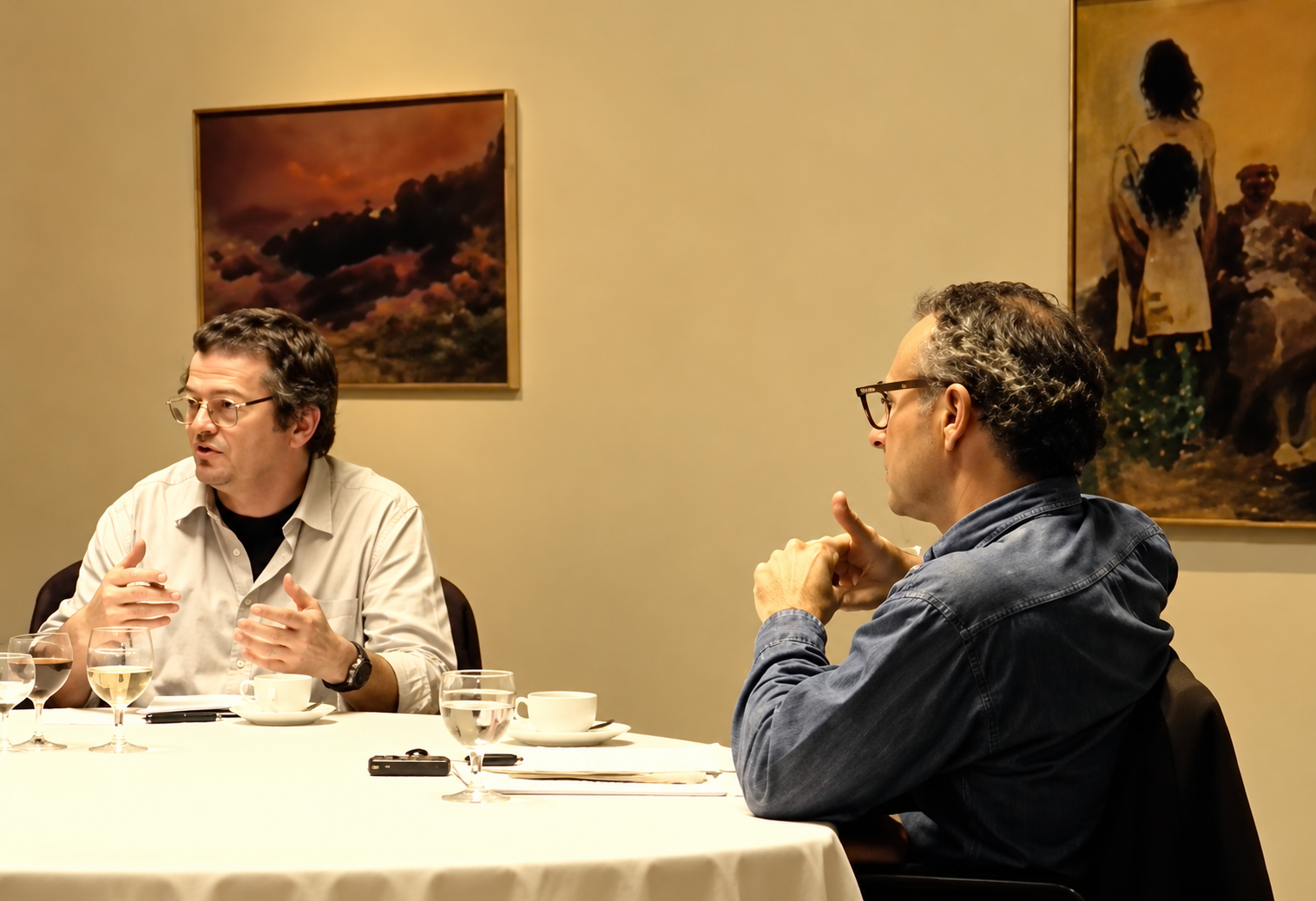
Captures from Gonzalo Herralde's documentary: "Àngel Jové: Capiscar la fior de la mà morta (1991)" at CASMónica.
I say book-catalogue because I believe it has this double condition, not only due to the presence of the works but also due to its extensive content. We see, first of all, that the curator Maria Josep Balsach does not refer directly to what is in the museum —for this there is already a handbook— but rather, developing her theoretical-poetic capacity, she refers to the work of Àngel Jové in its most transcendent aspect. Balsach, with two magnificent texts, takes a detailed tour of the artist's production, which for obvious reasons she knows so well, and another on Jové's relationship with Leandre Cristòfol i Pavese. Enrique Vila-Matas tells us about Àngel Jové or the joy of chosen marginality, and in the presentation of the book he spoke of how they laughed together and of the artist's impeccability in deciding to live differently and die "intact", without letting anything spoil him. Hans Ulrich Obrist, the influential artistic director of the Serpentine Galleries in London, one of the most important and eccentric curators of contemporary art, shows his surprise at having discovered Àngel Jové and makes a play on words: 'Ever Jové/Jovever'. Xavier Antich, a friend and close acquaintance of the artist, highlights Jové's stained glass windows, his book covers and, above all, a project in the water tanks of Lleida in which he collaborated and which became a cult book: “La mirada perduda”. José Luis Corazón recalls how at that time there was a recovery of painting in the face of other conceptual practices, and how Jové manages to break the limits of walls in favor of an expanded painting.
Tribute to Antoni Marí: neo-postromantic passion
I will mention my contribution last, not only out of intellectual modesty, but because it links perfectly with the next extraordinary fact to which I want to refer, that is, with the happy coincidence that a tribute is being paid to the theorist, poet and professor Antoni Marí coinciding with the closing of the exhibition. A poetic tribute proposed by Toni Tàpies Barba, who was a personal friend of his and with whom he shared sensitivity and poetic writing.
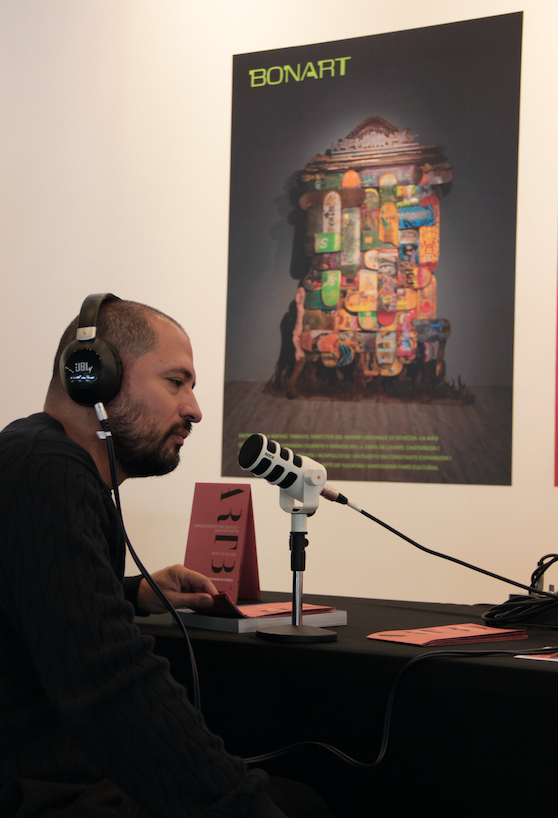
In my text “Passion/Compassion” I put a lot of emphasis on Àngel Jové's deep roots in the vast romantic land. The story of both friends is confluent, full of intensity, affections and ruptures, as are great relationships. They died almost at the same time and a joint tribute is paid to them. And, as they say to finish “driving the nail in”, an extensive article that I wrote about the great contribution that Antoni Marí has made as a promoter of neo-post-romantic critical theory in the 20th century appears in the current paper issue of the Bonart magazine.
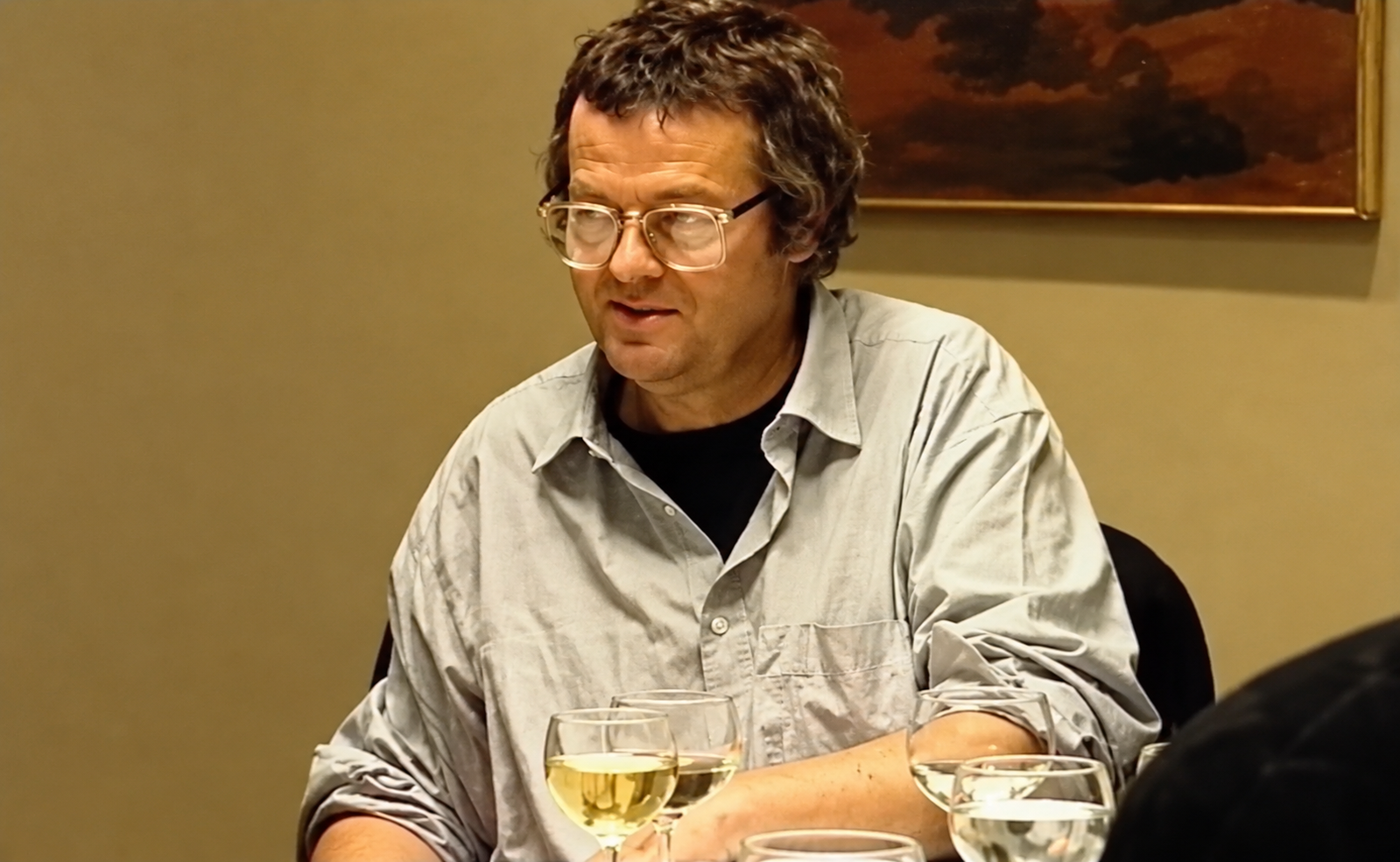
Captures from Gonzalo Herralde's documentary: "Àngel Jové: Capiscar la fior de la mà morta (1991)" at CASMónica.
In 1986, Àngel Jové held an exhibition at the Sala Vinçon. Marta Moriarty, Michi Panero and Jorge Herralde were there and, as a result of the meeting, the first and only exhibition on the peninsula was held in Madrid in 1987; I wrote a report about it for the postmodern magazine Sur Express , successor to La Luna de Madrid . The text was entitled Destellos de lo Oscuro and I said that, if I had to choose among the artists I know who best represents the deep spirit of the romantic night, in what it has of passion and mystery, I would choose Àngel Jové.
It is clear that Àngel Jové is an archetype of dark and extreme passion. All of Jové in the Versus Limbus series perfectly defines the romantic feeling of existence through his use of the shadow line, space, the emptiness of the sky and nature. He exhibited it at the Suñol Foundation (2010), the same year that he was chosen to illustrate issue 400, the Cultura/s supplement of La Vanguardia , on February 17, 2010, dedicated entirely to “Romanticisme que ve”. A special and monographic issue with separate articles by Toni Marí, mine and others.
Intact / Flawless
In this confluence of neo-post-romantic sensibility between Jové and Marí, two very emblematic words are found: the first, De in Tactu , the title of the exhibition, and the other, Impecable . Enrique Vila-Matas, in the text of the catalogue and also in his presentation, alluded to a phrase by Antoni Llena about Jové: “He was not allowed to be spoiled by anyone” and, to reinforce the argument, quoted Marcus Aurelius and, unintentionally, in retort, Rilke. The former, from the attitude of the warrior, advises in book VII, 45, that we must remain in our place, in a stoic attitude, immutable; work and remain pure, that is, intact. Rilke also gives this meaning in the third of his “Letters to a Young Poet”, when he advises Franz Xaver Kappus on the value of patience in art. Perseverance made Jové continue working always, even if recognition did not arrive. In this sense, “In Tactu” alludes to an ethical quality, to a self-demanding behavior.
As for the word Impeccable , I have to make an intimate confession, explain an event that caused me a strong emotional impact and, why not admit it, a deep wound. It is not common to find personal confessions in art chronicles, but I have to do it. On the same day of the inauguration of the Àngel Jové exhibition, March 19, 2026, in the morning, I visited my friend Toni for the last time. I had to go see him and, in some way, apologize to him in an imaginary way, because in reality I could no longer attend to words. I had the intimate conviction that it was he who should be there, that afternoon at Tàpies, in my place, and not lying in bed, dying and moving towards a transfer that occurred that same weekend. At that moment I understood what is called “the impostor syndrome”. It was my dear friend, Àngel's friend, who had to be there.
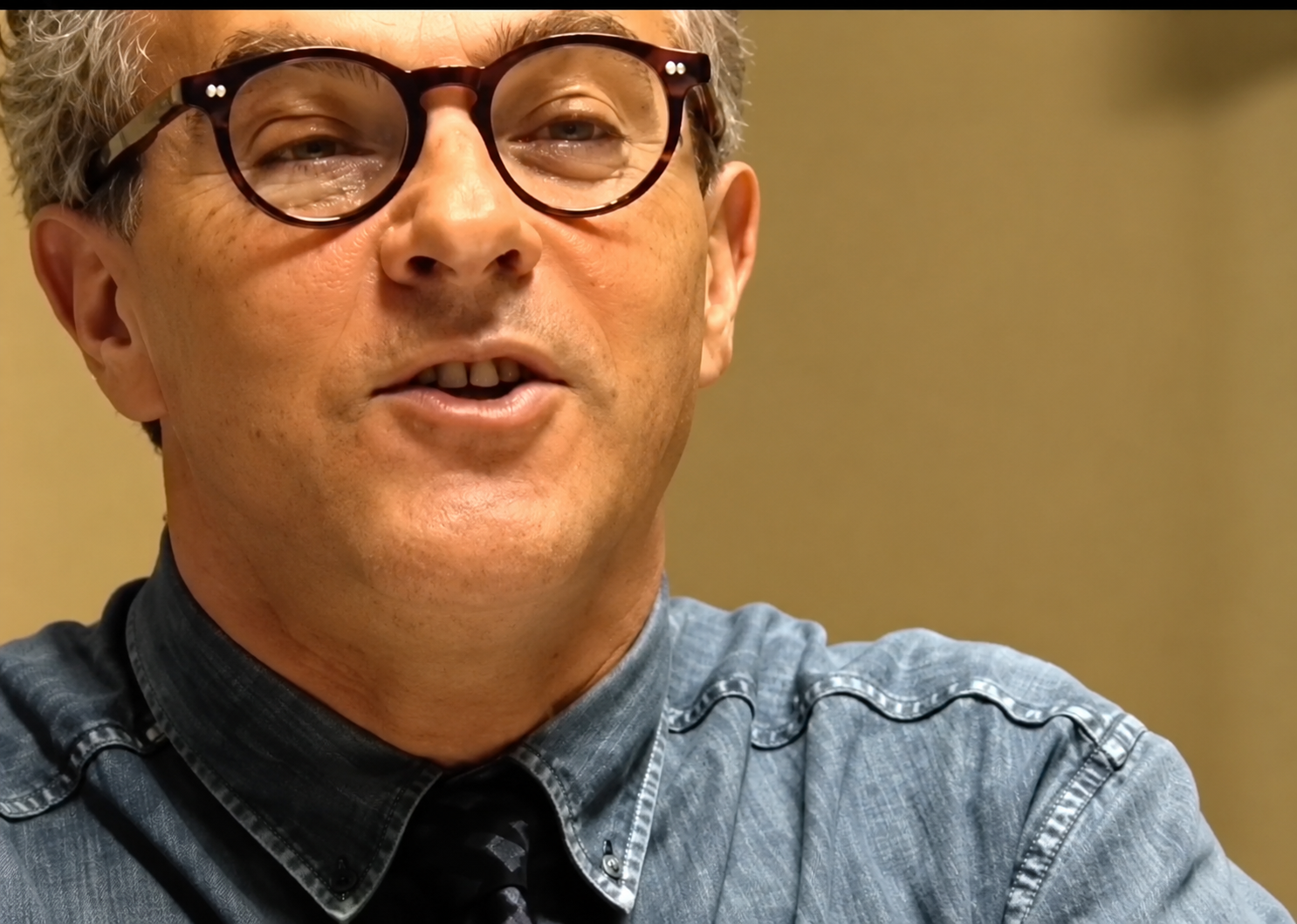
Captures from Gonzalo Herralde's documentary: "Àngel Jové: Capiscar la fior de la mà morta (1991)" at CASMónica.
Antoni Marí, at that crucial moment of his passing, amidst incomprehensible murmurs and gestures of pain, pronounced with crystal clearness the word: “IMPECCABLE.” This is how I explained it at the funeral ceremony, in which I had to speak with some difficulty.
When asked about the meaning of this word, I deduce, first of all, that an intact state allows for an impeccable work. Thus the inner world of the artist and the poet were reunited in two words. It follows that art and poetry must spring forth in a pure and authentic way. To remain intact, you must be impeccable in your actions and thoughts; if so, the external world ceases to be threatening: by being in your place, the only one to which you belong, there will be no crack, no fissure through which it can enter. EVERYTHING will remain in its rightful place.
This determination to do, this will, is also the core of the debate when Antoni Marí or Àngel Jové address the poets they liked or the romantics, Schiller or Schelling: all of them situated in this intermediate space between reason and sensitivity. Toni, in a state of already very deteriorated health, insisted with great determination that a group of three or four friends meet periodically at his house to read and comment on the “Critique of Pure Reason”. He had studied for years the classic definition of genius set out by Kant in the “Critique of Judgment”, but he sensed that there was still something to understand, some enigma that continued to elude him. Without a doubt, and as a direct witness, I can affirm that this search for a point of equilibrium between apparently opposing concepts preoccupied him until the last moment of his life.
The concerns formulated in his early works such as: Enthusiasm and Stillness and also in The Man of Genius culminate in his last poetic words, explicitly inspired by FWJ Schelling. For this philosopher, the genius artist is in the place where nature and spirit are reconciled. I understand that this trace of Schelling, evoked forty years after having studied it in “The Man of Genius”, reappears in the final verses of Quatre costats . In this last poem art is conceived as the highest expression of the Absolute. In it we are invoked in these verses: "the spirit of hope and the joy of finding everything in its rightful place, and rejoicing in the conciliation of nature and spirit". This may be the ultimate meaning of remaining “Intact and Impeccable”.
Imma Prieto, in her text for Àngel Jové's catalogue, highlights the fragmentary, in memory, in the moment and in the inner gaze and, in the end, chooses a verse by Màrius Torres that the two friends liked so much, very appropriate for this 'finissage' of the exhibition and for the end of the lives of its protagonists: "...now is the time to die, for life begins".
You may be
interested
...