Exhibitions
Pedro Cabrita Reis and the memory of things
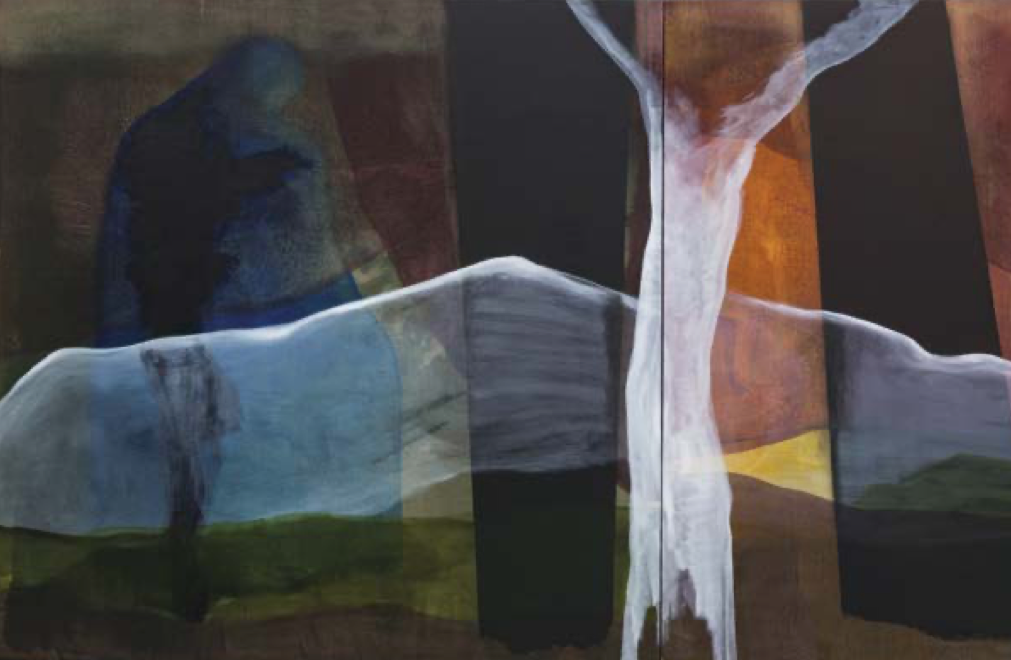
Pedro Cabrita Reis is one of the most internationally renowned Portuguese artists of his generation. Since his emergence in the 1980s, his work has transcended the boundaries of painting, encompassing sculpture, drawing, photography, and installation, always with a particular focus on the architectural and urban spaces that house his pieces. In his hands, the artwork never appears completely isolated: it establishes relationships with the place, with the memory of the materials, and with the traces of everyday life that the artist rescues, transforms, and puts back into circulation.
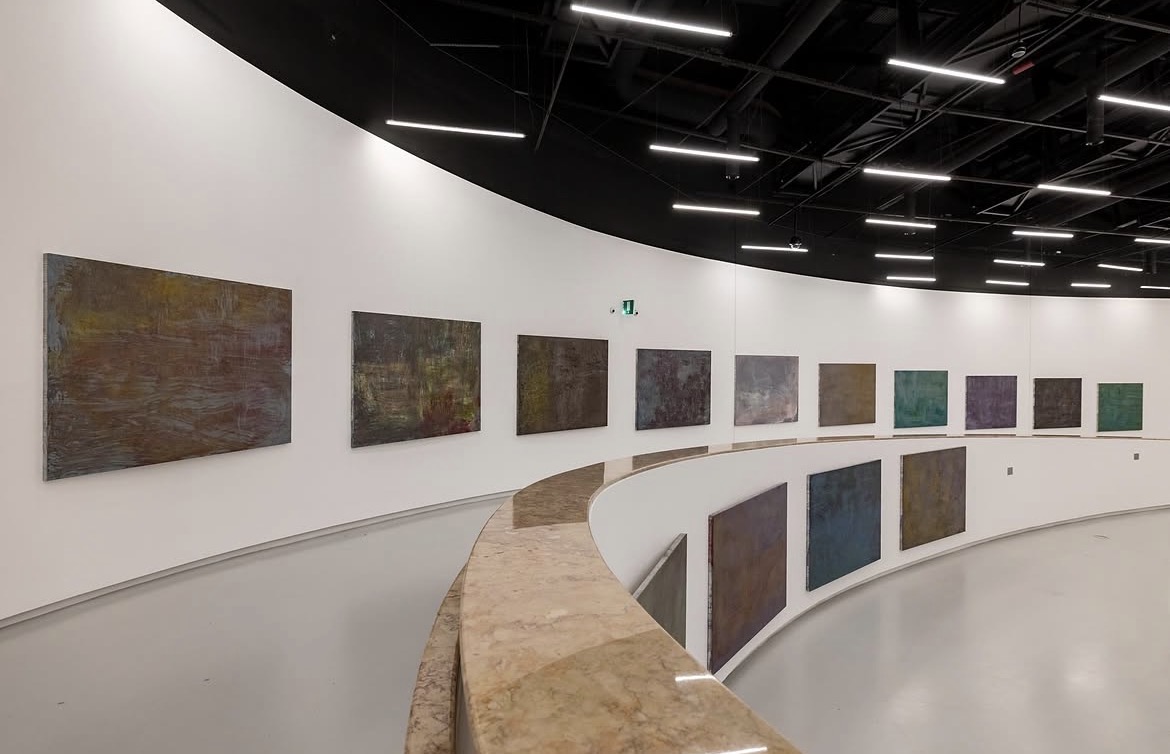
The exhibition Pedro Cabrita Reis — 'with a heart free from care' , curated by João Pinharanda, brings together a wide range of works conceived specifically for this occasion in the Oval Gallery of the MAAT Gallery. Paintings, drawings, and sculptures articulate a large-scale project that unites nearly two hundred previously unseen works and allows for a deeper exploration of some of the essential lines of a career marked by constant research into matter, space, and the history of art.
The exhibition's title comes from a passage in Hesiod's Works and Days dedicated to the so-called Golden Age, that primordial time when humans lived 'like gods,' untouched by suffering, toil, and anxiety. This reference introduces a fundamental tension into Cabrita Reis's work: the distance between that ideal world and the material reality of a present constructed from remnants, fragments, everyday objects, and vestiges of a civilization that seems to reveal, in its own ruins, the contradictions of modernity.
Her creative process stems precisely from this fragmentary condition. Cabrita Reis works almost omnivorously with signs originating from both high culture and the most anonymous realms of everyday life. Debris, industrial materials, found objects, manufactured items, and seemingly insignificant fragments are recovered and combined in unexpected ways. What might appear to be mere residue thus acquires a new poetic and discursive density.
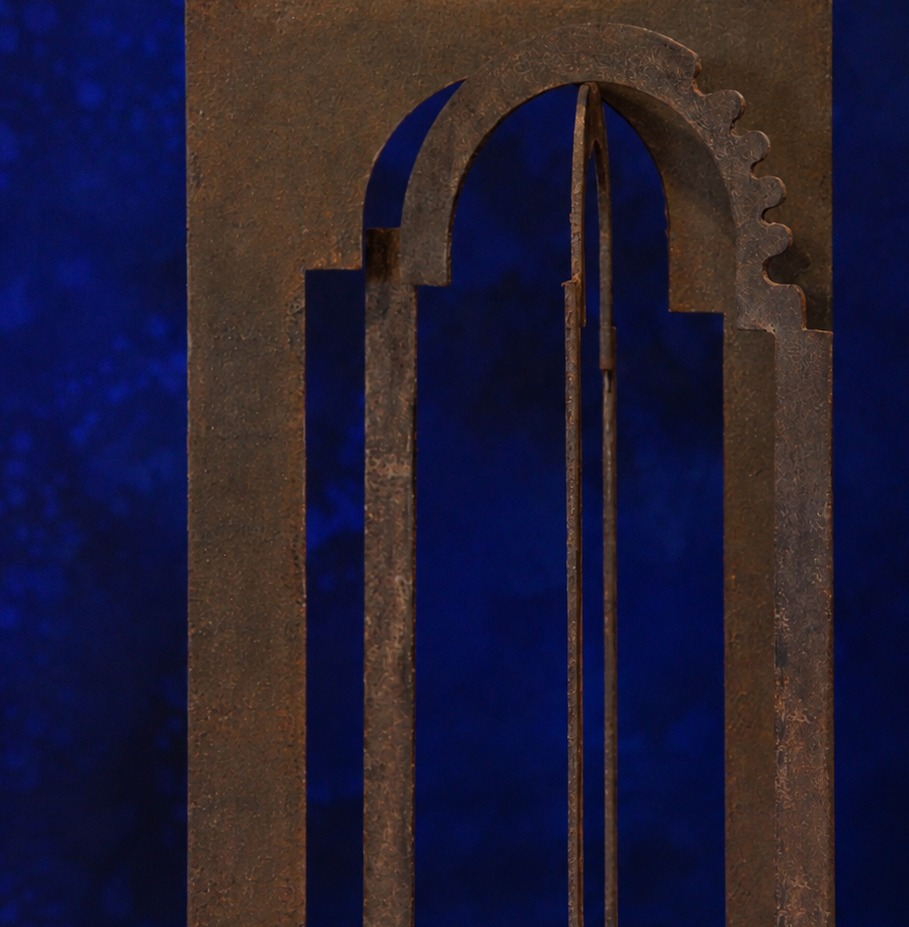
In his sculptures, this process reaches a particular intensity. The artist does not simply reuse materials: he subjects them to constructive processes that make visible elemental gestures, repeated actions, and ways of working linked to human experience. Iron, wood, cement, glass, and other common materials cease to be mere components and become bearers of memory. They are remnants of a recognizable world that, when reorganized, acquire a new presence.
This constructive dimension coexists with a perspective deeply rooted in art history. Although Cabrita Reis employs resources and materials characteristic of modernism and contemporary practices, her work maintains a persistent dialogue with earlier artistic traditions. The Renaissance, Romanticism, and grand courtly painting and sculpture form part of a range of references that also includes some of her teachers and models. To this monumental genealogy is added an interest in more intimate forms of accumulation and knowledge, such as Wunderkammer and antique cabinets of curiosities.
At the crossroads of the monumental and the domestic, between grand tradition and the anonymous object, lies much of the singularity of her work. Cabrita Reis constructs images and spaces that seem to speak simultaneously of permanence and disappearance, of what history preserves and what is inevitably lost. Her materials carry a memory that is not always explicit, but which emerges from their relationships, their assemblages, and the way they occupy space.
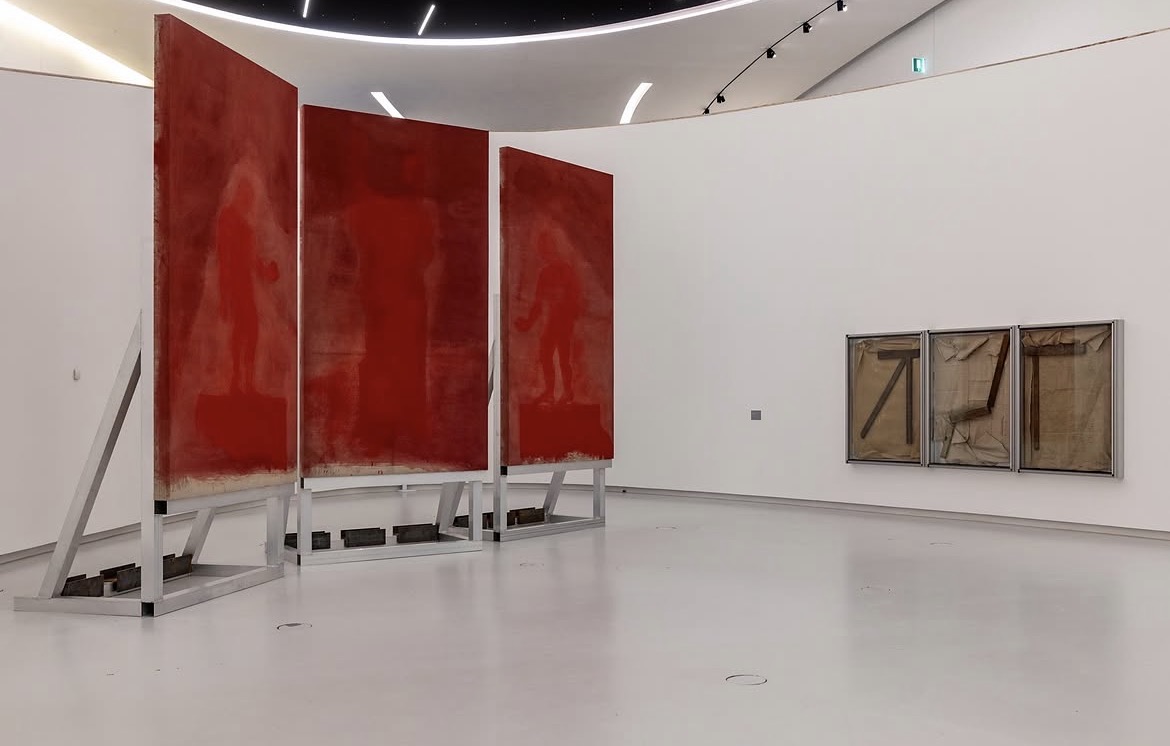
The MAAT Gallery exhibition delves deeper into these investigations through a collection conceived specifically for the space. The nearly two hundred previously unseen pieces function not merely as an accumulation of works, but as a territory of relationships in which painting, drawing, and sculpture mutually influence one another. The Oval Gallery space thus becomes an active part of the exhibition and extends one of Cabrita Reis's recurring themes: understanding the artwork as an intervention inseparable from the architecture that houses it.
Born in Lisbon in 1956, where he lives and works, Pedro Cabrita Reis has developed a career that is fundamental to understanding the evolution of sculpture since the mid-1980s. His international recognition has been consolidated through numerous exhibitions and inclusion in European museums, while his work has maintained an extraordinary formal and material freedom.
Her work defies easy categorization. Painting, sculpture, photography, drawing, and installation form part of the same conceptual universe in which industrial materials, found objects, and manufactured elements are subjected to processes of construction and reconstruction. Within these works, primordial gestures reappear, almost like echoes, gestures that are part of everyday experience: lifting, assembling, accumulating, repairing, delimiting, occupying.
In Cabrita Reis's work, there is a desire to monumentalize that which normally remains outside the monumental narrative. The fragment, the discarded, and the authorless object recover a dignity that stems not from their original value, but from the new relationship the artist establishes between them. In this way, the work can be read as an archaeology of the present: an exploration of the material remains of our civilization to discover, within them, other possible forms of memory.

You may be
interested
...