Exhibitions
Maria Laso and the ruins that still sing
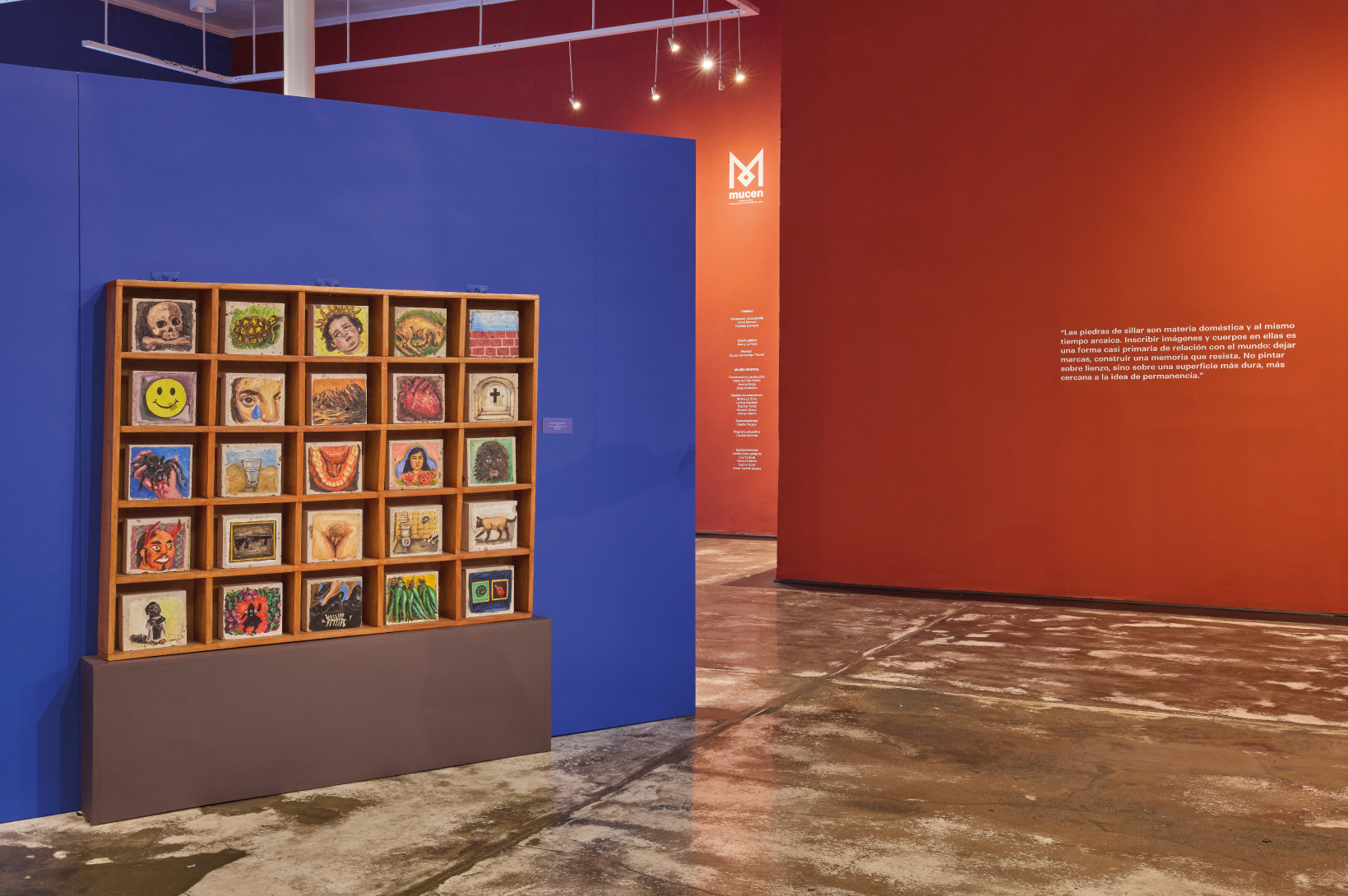
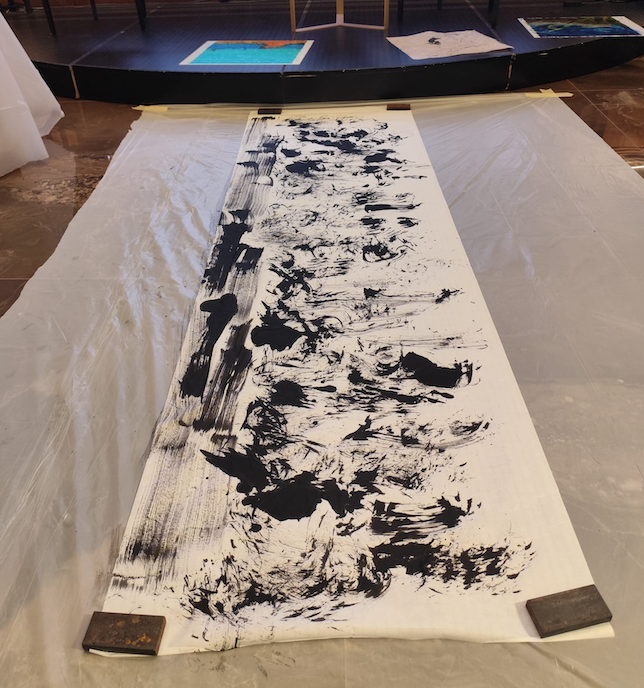
There are bodies that time transforms, bodies that bear the weight of weariness, displacement, wounds, and losses, yet continue to inhabit the world. It is on this persistence that Maria Laso's exhibition, *The Ruins of My Body Still Know How to Sing* , is built. The exhibition, presented by the Central Museum (MUCEN) of Lima, runs until October 25, 2026. Winner of the first prize in the XV National Painting Competition of the Central Reserve Bank of Peru, the artist proposes a reading of the body that moves beyond its representation as stable matter: here, the body is memory, landscape, fragment, wound, and also the possibility of reconstruction.
The exhibition's title itself contains a declaration of principles. The ruins do not appear as the definitive result of disappearance, but as that which remains after time, experience, and life have left their marks. In contrast to the idea of a body destined to deteriorate, Laso proposes another movement: that which breaks can be reorganized, that which disappears can leave a trace, and that which seems exhausted can still find a form of expression. Song emerges precisely from that fissure.
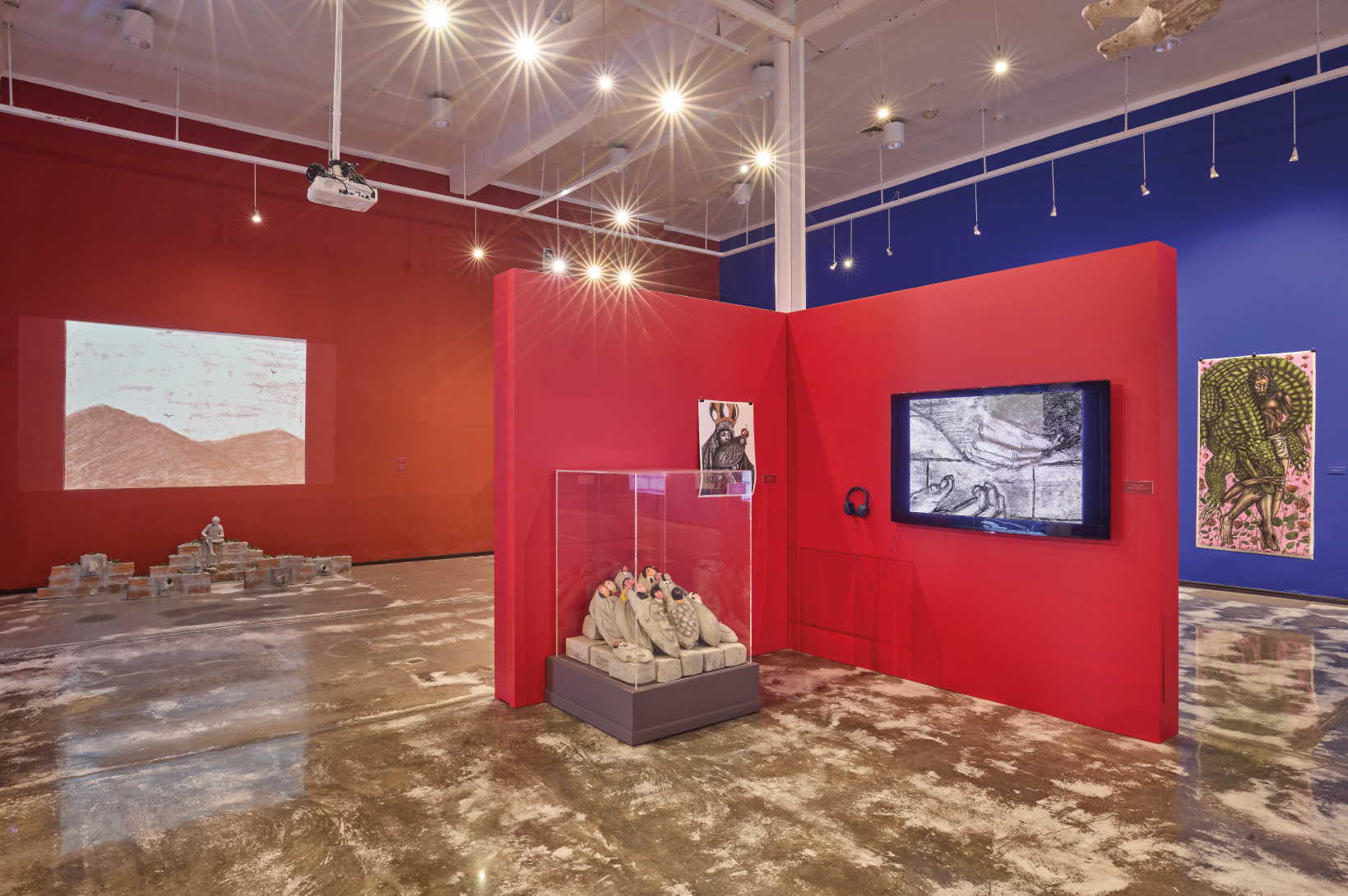
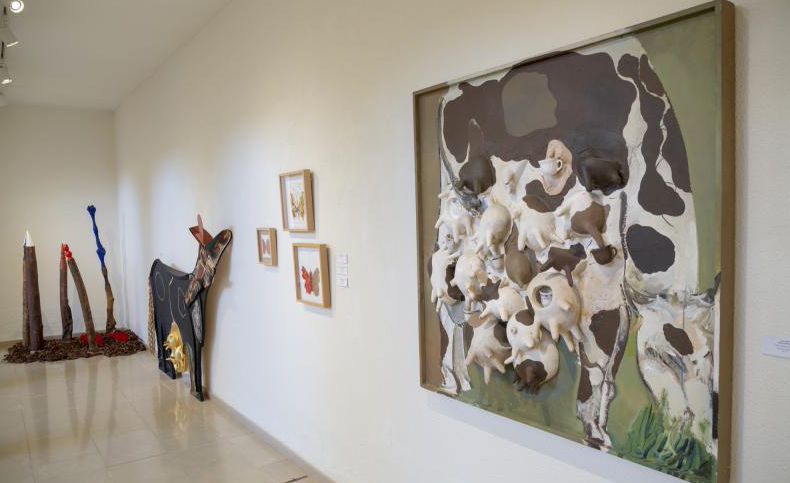
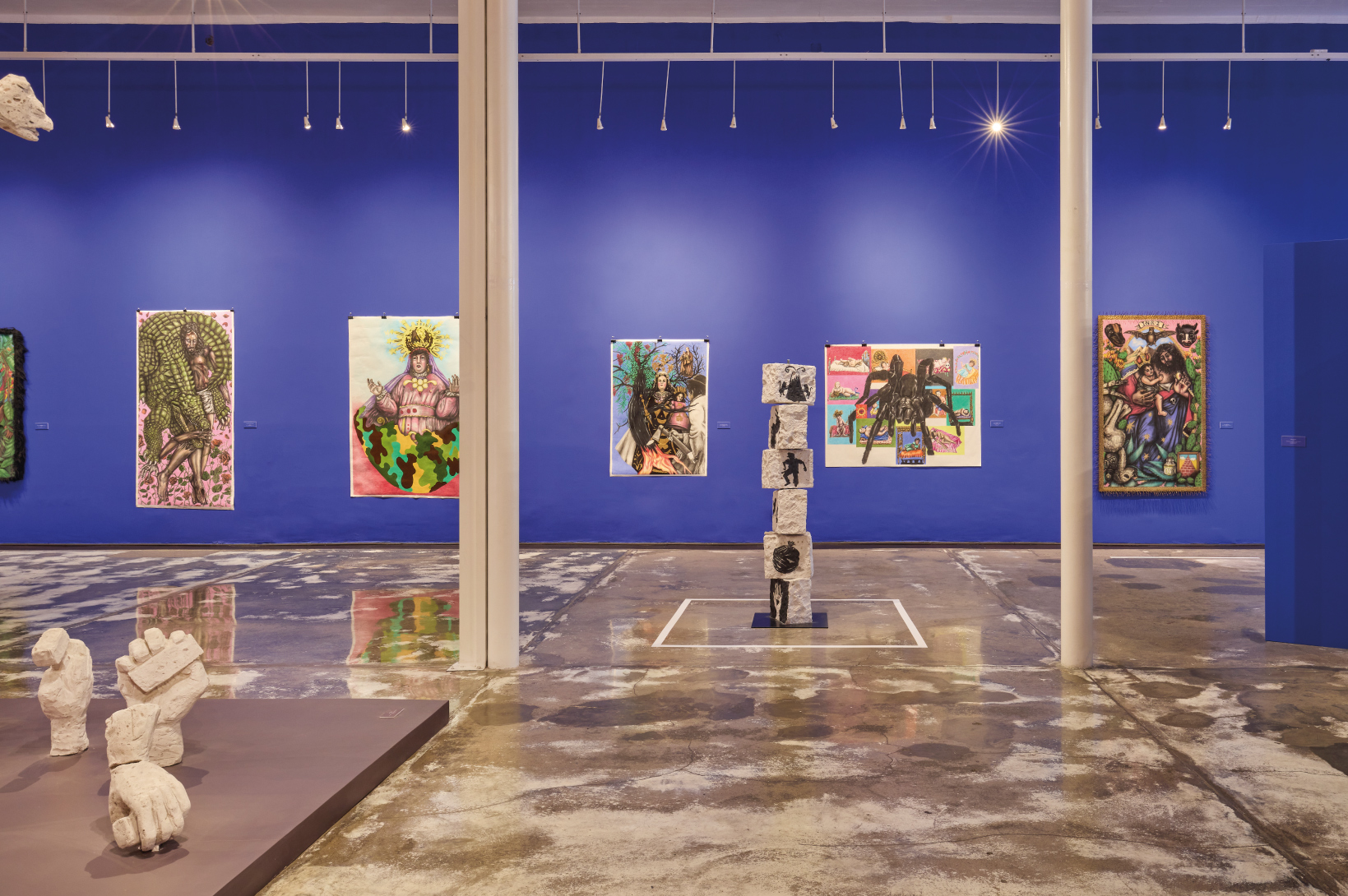
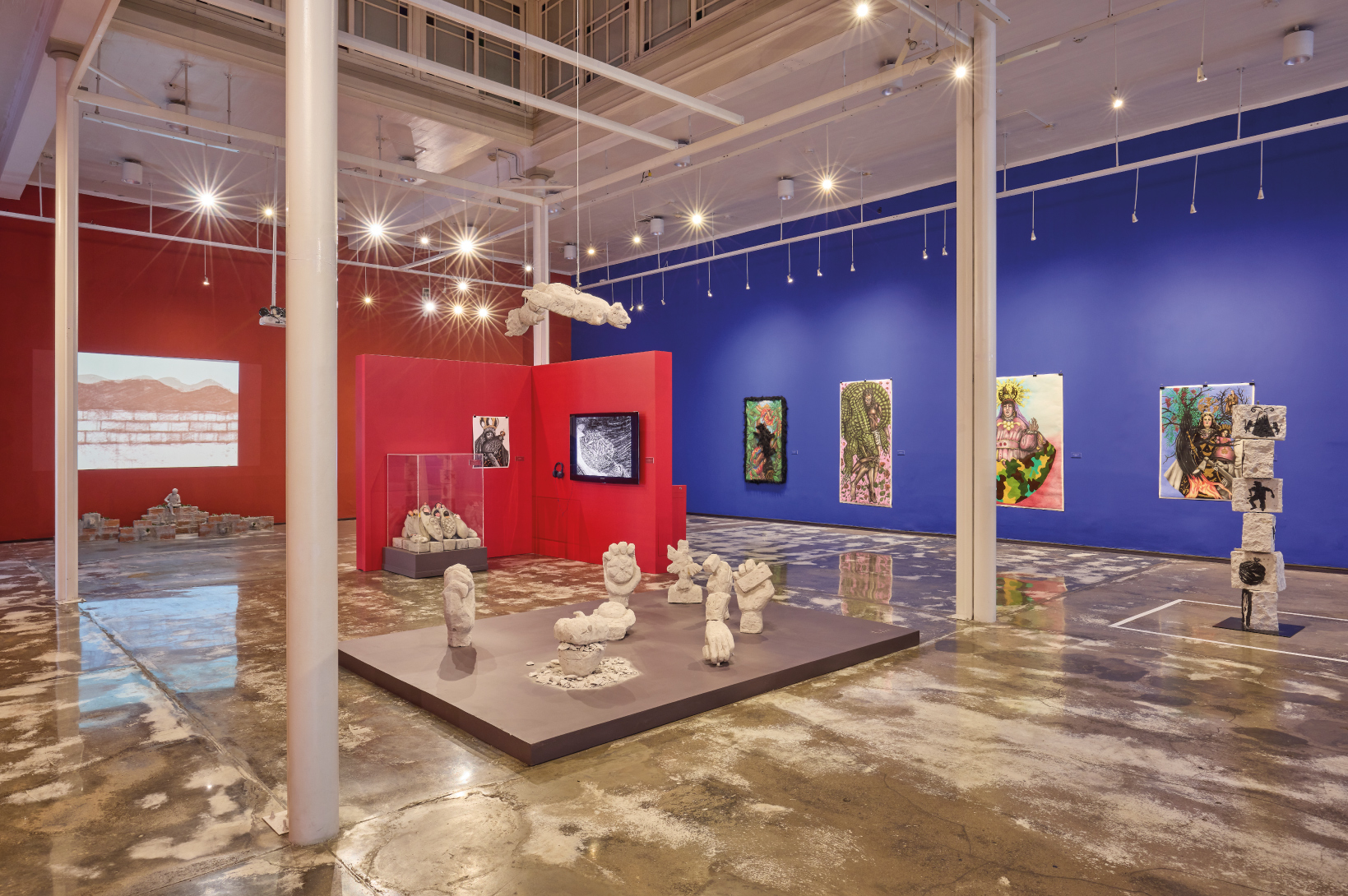
The exhibition brings together works created between 2018 and the present. Some have been shown previously, but now return modified, fragmented, or reassembled, establishing new relationships with recent pieces. The works, therefore, do not function as closed units, but as parts of an organism that transforms as the visitor moves through the exhibition. The exhibition itself thus acquires a corporeal dimension: it decomposes, reconstructs, and finds meaning again through its fragments.
One of the fundamental materials in Laso's work is ashlar, a porous and vulnerable stone that simultaneously carries a domestic, architectural, and ancestral dimension. In his hands, it ceases to be merely a building material and becomes a surface for inscription. Bodies, traces, images, and memories remain on the stone; vestiges of that which resists oblivion while time attempts to erode it. Ashlar functions as a kind of mineral skin, a material capable of preserving the marks of that which passes through it.
The stone also leads to one of the central themes of the exhibition: the relationship between loss and permanence. The tomb, the relic, and the ruin itself appear as ways of thinking about what happens to that which disappears. But Laso avoids a monumental representation of death. His interest lies rather in the remains, in what remains after loss, and in the possibility of accompanies the fragility of existence.
From this perspective, the body appears as a territory in constant reorganization. Its parts unite and separate, assemble and become disordered. It no longer exists as a closed whole, but as a constellation of fragments that need each other and, at the same time, overflow their own boundaries. Ruin thus ceases to be synonymous with destruction and becomes a condition from which it is still possible to rebuild.
But Laso's body is not exclusively individual either. In many of the works gathered at MUCEN, it appears permeated by the collective dimension: by the social structures that sustain it, but also by those that condition, discipline, or wound it. The body belongs to a community and is subject to its codes, its affections, and its contradictions.
Within this framework, popular religiosity takes on special significance. Saints, martyrs, and Christological figures appear detached from a strictly doctrinal interpretation and linked to much more immediate experiences: fear, desire, loss, care, and transformation. The sacred shifts from institutional spaces to everyday experience. Religious images thus recover an affective and corporeal dimension and establish connections with nature, animality, and primal ways of relating to the world.
The exhibition also introduces the displaced body. Migration and uprooting appear as physical and emotional experiences that alter the relationship with the land. These are bodies that cross borders, but also encounter invisible limits. Returning, far from guaranteeing reconciliation with the place of origin, can produce a feeling of estrangement: returning means coming back to a familiar space from an identity that has already changed.
The migratory experience thus expands the idea of ruin. The displaced body retains the traces of the places it has left behind and those it has traversed. It carries with it memories, losses, and transformations that do not disappear upon crossing a border. Identity then becomes another form of fragmented matter, a territory that is continually reconstructed.
In The Ruins of My Body Still Know How to Sing , Maria Laso avoids closing these questions with definitive answers. Her works transform rather than affirm, opening up meanings rather than closing them off. The exhibition functions as a conversation between pieces from different periods of her career, but also as a reflection on what remains when everything seems destined to disappear.
The body that Laso presents is vulnerable, but not passive. It is marked by time, traversed by loss, and subjected to social, religious, and territorial forces, yet it retains a capacity for resistance. In its ruins there is memory; in its fragments, the possibility of recomposition; in its wounds, a form of language.

You may be
interested
...