Exhibitions
Fire as a space of transformation in Les Bernardes
'Fire and Ether' brings together six exhibitions that connect Japanese art, literature, thought, photography and spirituality at the Casa de Cultura de les Bernardes.
The Casa de Cultura de les Bernardes, a cultural facility of the Girona Provincial Council, closes its annual exhibition program with Foc i éter , a project that proposes a transversal look at fire as a physical, symbolic and transformative element. The proposal, inaugurated on September 18 and open to the public until December 19, 2026, articulates six exhibitions that, from different languages and eras, explore issues such as energy, passion, destruction, purification and the cycles of life and death.
Fire and Ether establishes a dialogue between different ways of understanding transformation. Fire appears as a force capable of destroying, but also of generating new spaces, opening up processes of change and proposing other ways of looking. The program is completed with a series of lectures dedicated to fire as an element and with The Confessional , a new intimate exhibition space in which the works are contemplated from the outside through the bars of an old confessional.
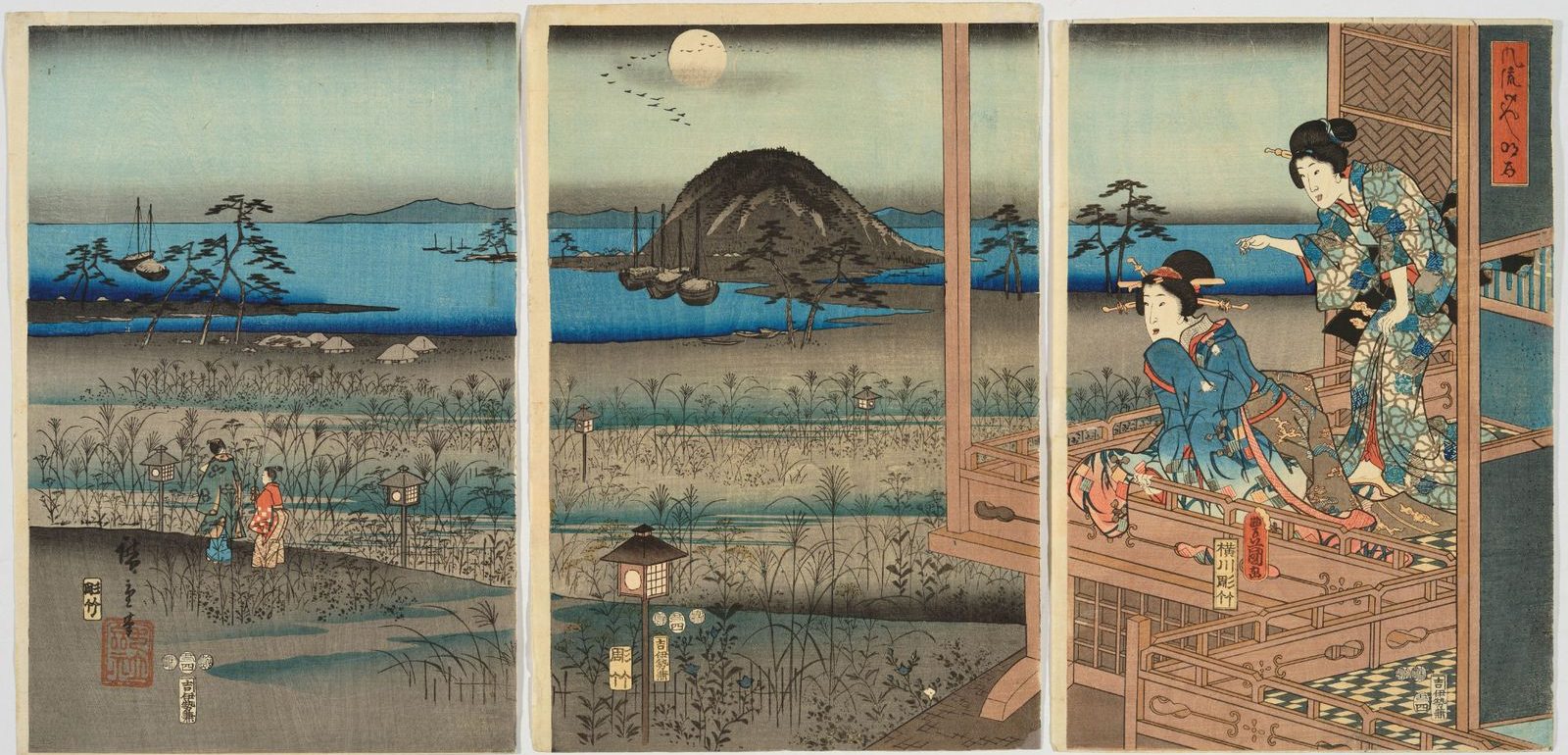
The tour begins with a selection of 19th and 20th century Japanese prints linked to fundamental figures of ukiyo-e , such as Utagawa Hiroshige, Utagawa Kuniyoshi and Tsukioka Yoshitoshi. This set introduces a contemplative dimension to the project and invites us to understand the gaze as a practice of silence and attention. Darkness, far from being presented solely as an absence of light, is presented as a space of possibilities, a territory from which to observe that which has not yet taken shape.
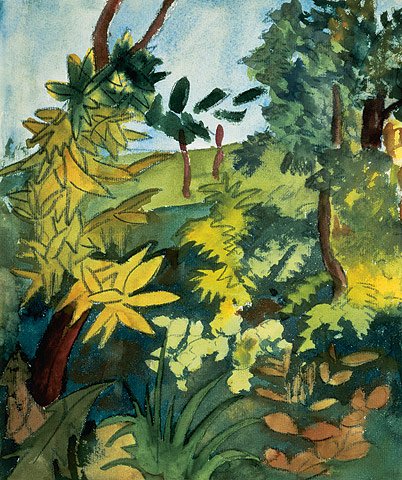
In the photography room and in the 29 square meter space, the protagonist is Hermann Hesse, a writer and artist linked to an intense inner search and an interest in Eastern philosophies. Author of Siddhartha , Demian and Steppenwolf , Hesse also found in painting a way of personal expression, especially in moments of crisis. His watercolors, often focused on landscapes of southern Switzerland, roads, mountains and small rural architectures, transmit an atmosphere of stillness that contrasts with the inner tensions that marked his career. His work thus reinforces one of the central ideas of the exhibition: transformation can also occur from introspection and silence.
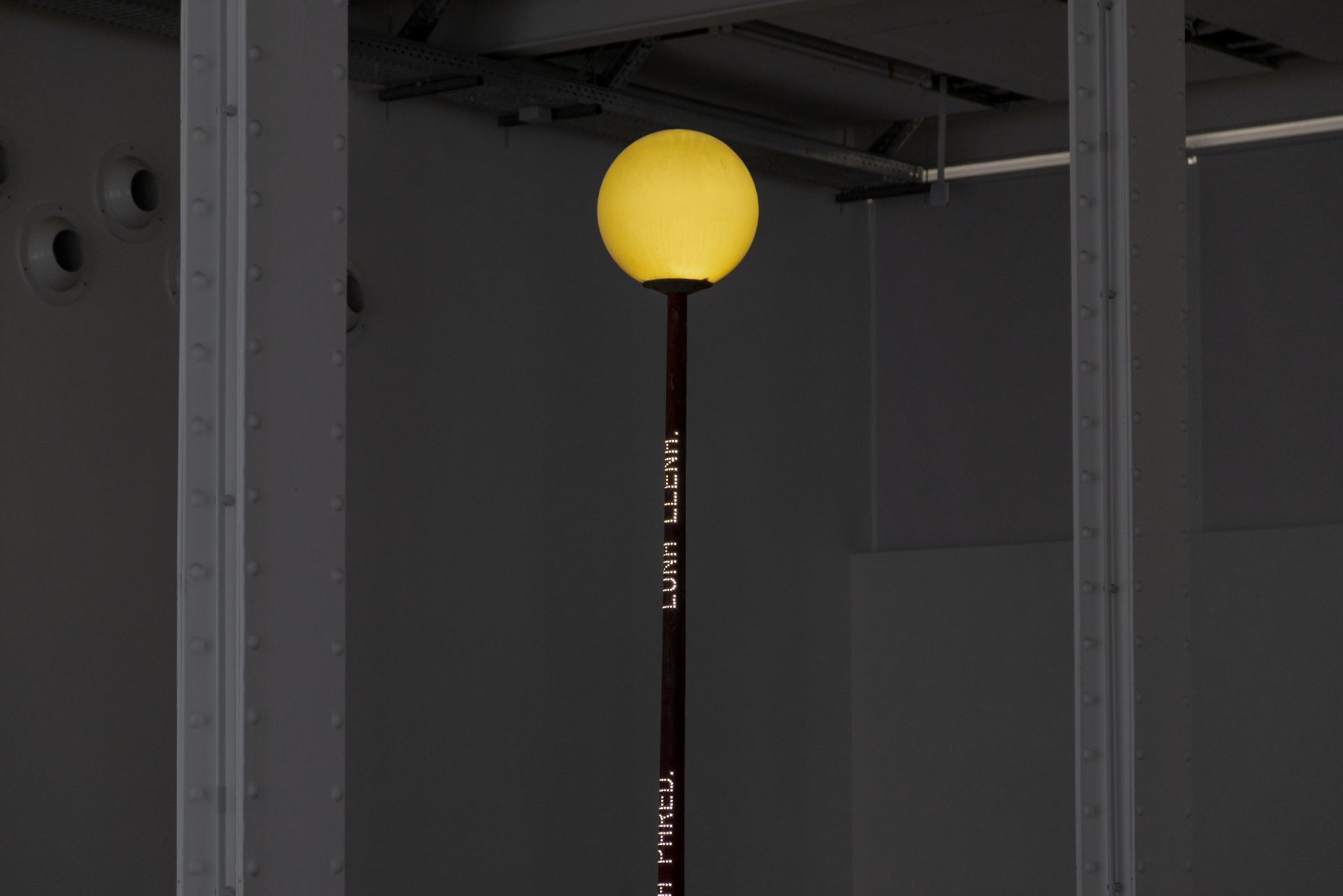
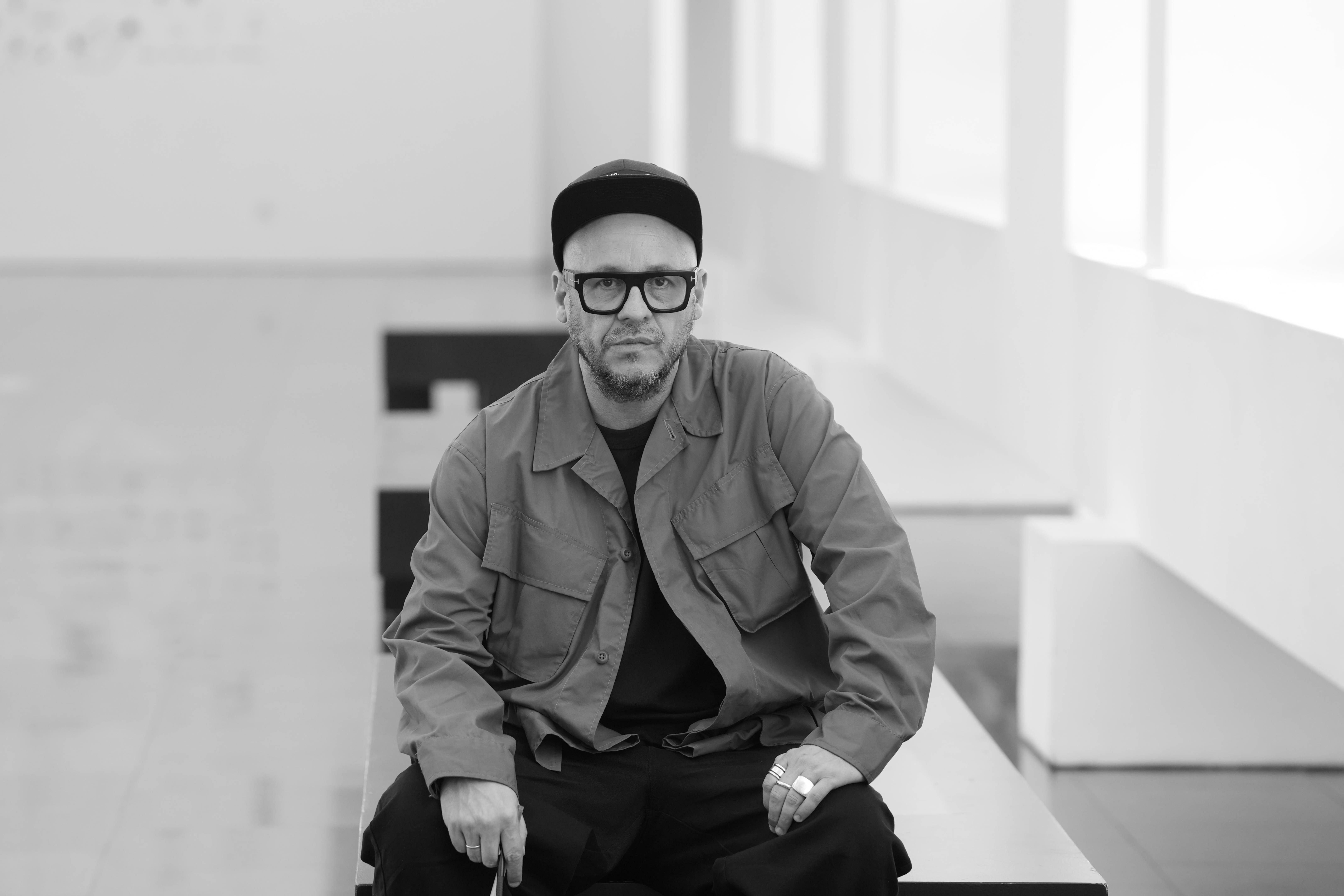
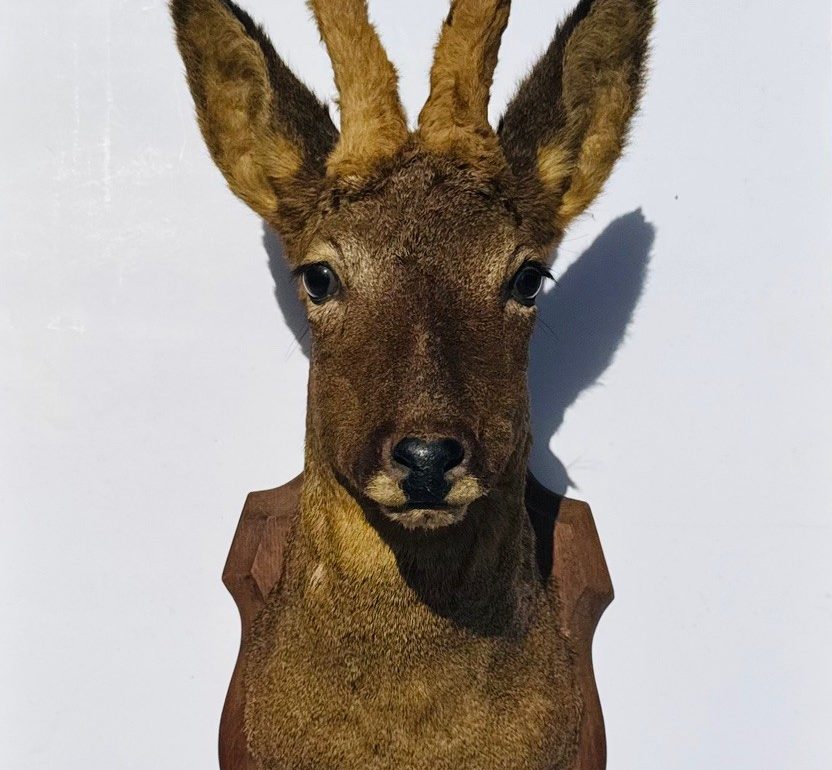
At L'Església, Setxu Xirau Roig (Canet de Mar, 1968) presents Sic transit gloria mundi , a project built from unexpected associations, analogies and metaphors. The artist questions the function of objects and the way in which signs can impose a unique reading of reality. Between advertising, design, popular culture and signaling systems, Xirau Roig constructs a critical and poetic look at the fictions that are part of contemporary life.
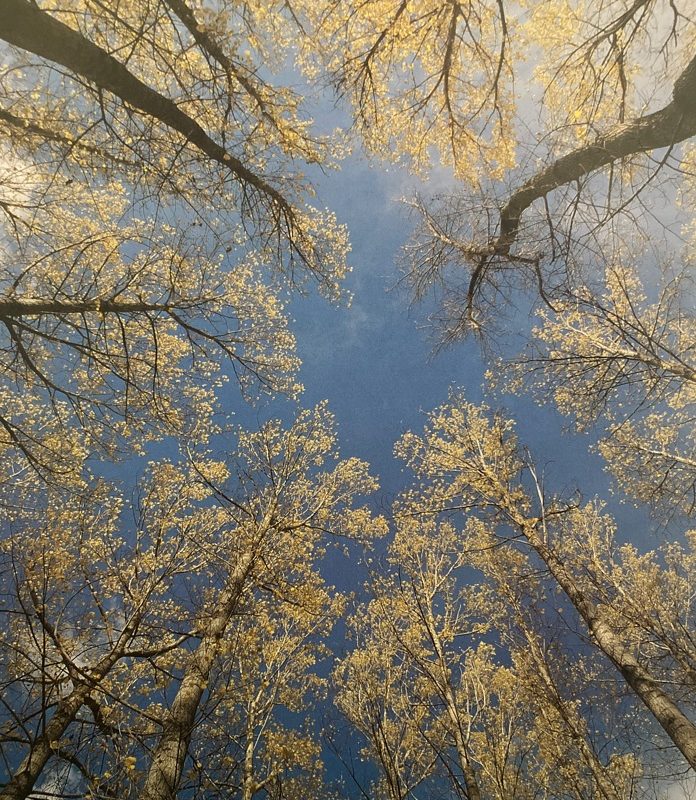
The Sant Jordi space hosts the dialogue between the thought of Raimon Panikkar (Barcelona, 1918 – Tavertet, 2010) and the photography of Kim Castells (Barcelona, 1947). The proposal relates written reflection and image to address the representation of sacred spaces, the forms of spirituality and the capacity of photography to generate an experience that goes beyond simple documentation. In this case, the gaze shifts towards a more philosophical dimension, in which art, thought and inner experience meet.
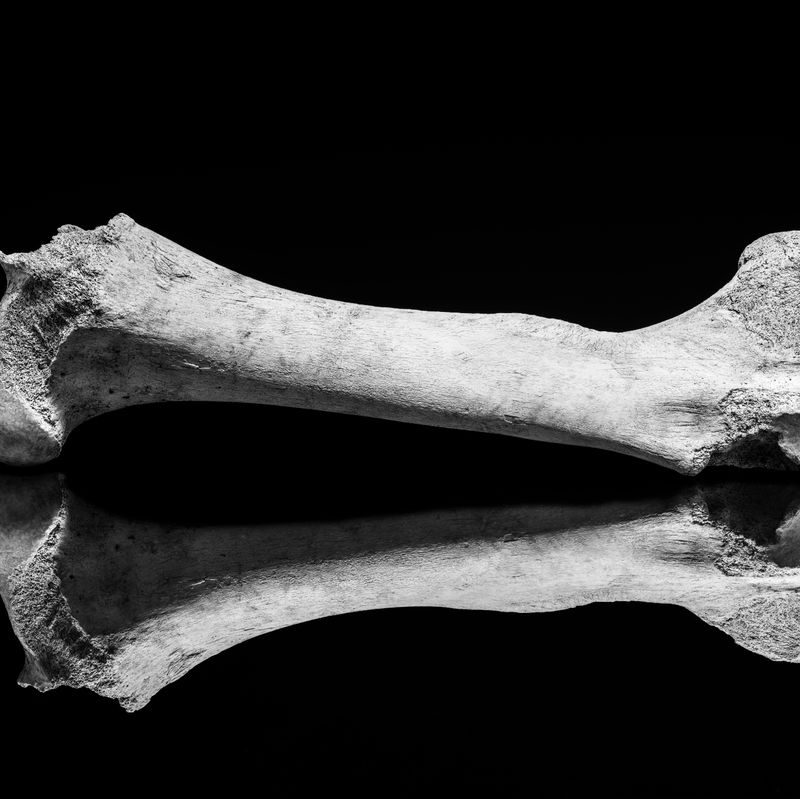
The fragility of memory and the symbolic dimension of the body appear in Bone (ll. os, ossis, os) , a project by Alex Ramsay with poet Liz Lefroy. Bone, as a structure that remains when other elements disappear, becomes a powerful image of permanence, but also of vulnerability. The proposal explores the relationships between body, memory and disappearance from a perspective that combines visual and poetic language.
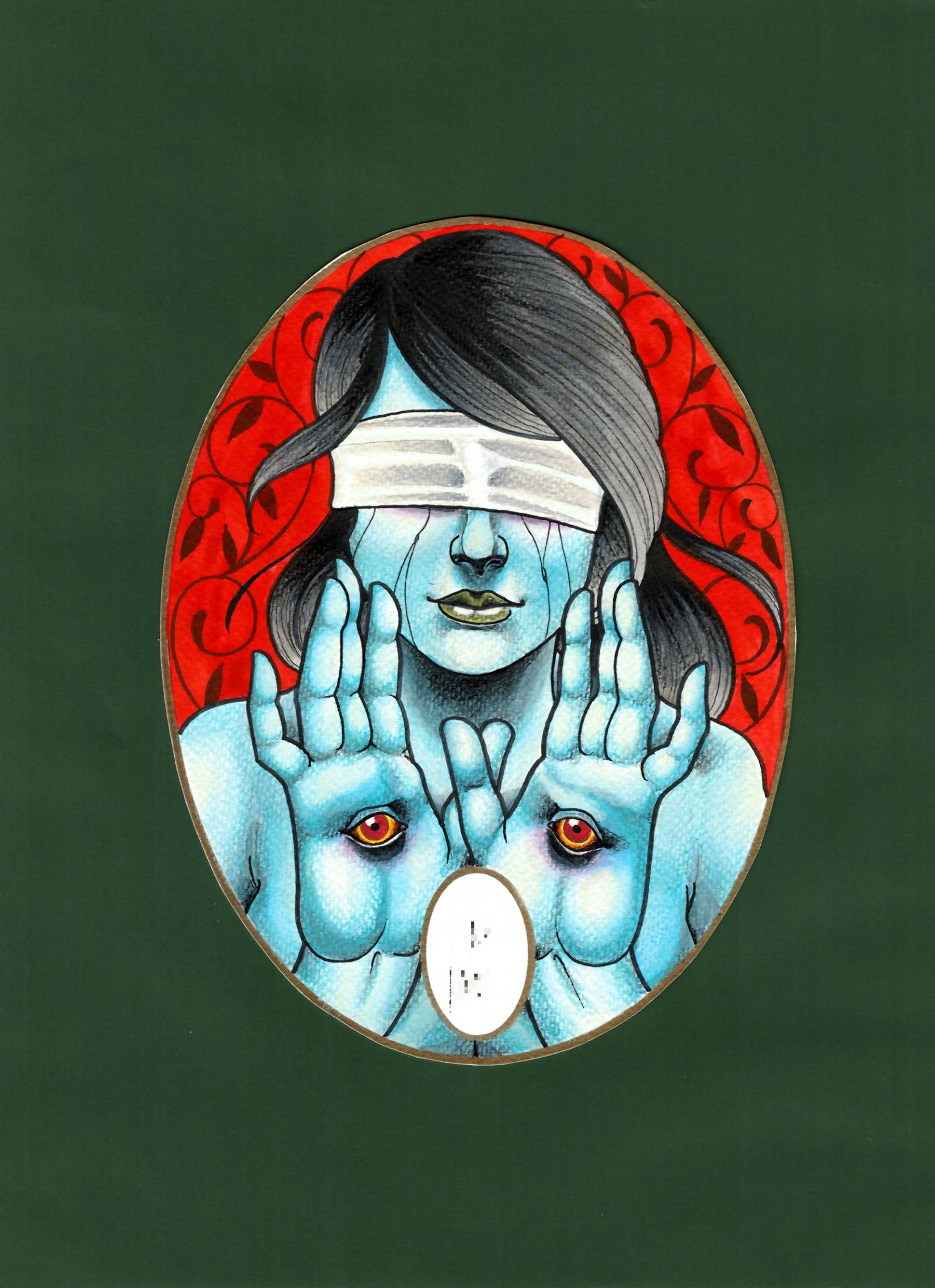
Finally, Pere Wong (Salt, 1981) presents The Darkest Hour , a series of paintings with an intense introspective charge that delve into the human experience from the perspective of everyday vulnerability and fragility. His work starts from moments of darkness, but is not trapped in a strictly pessimistic reading. In his images there also appears a subtle, almost imperceptible hope, which is born precisely from the experience of having gone through this darkness.
You may be
interested
...