Exhibitions
Gabriel de la Mora transforms waste into matter of desire
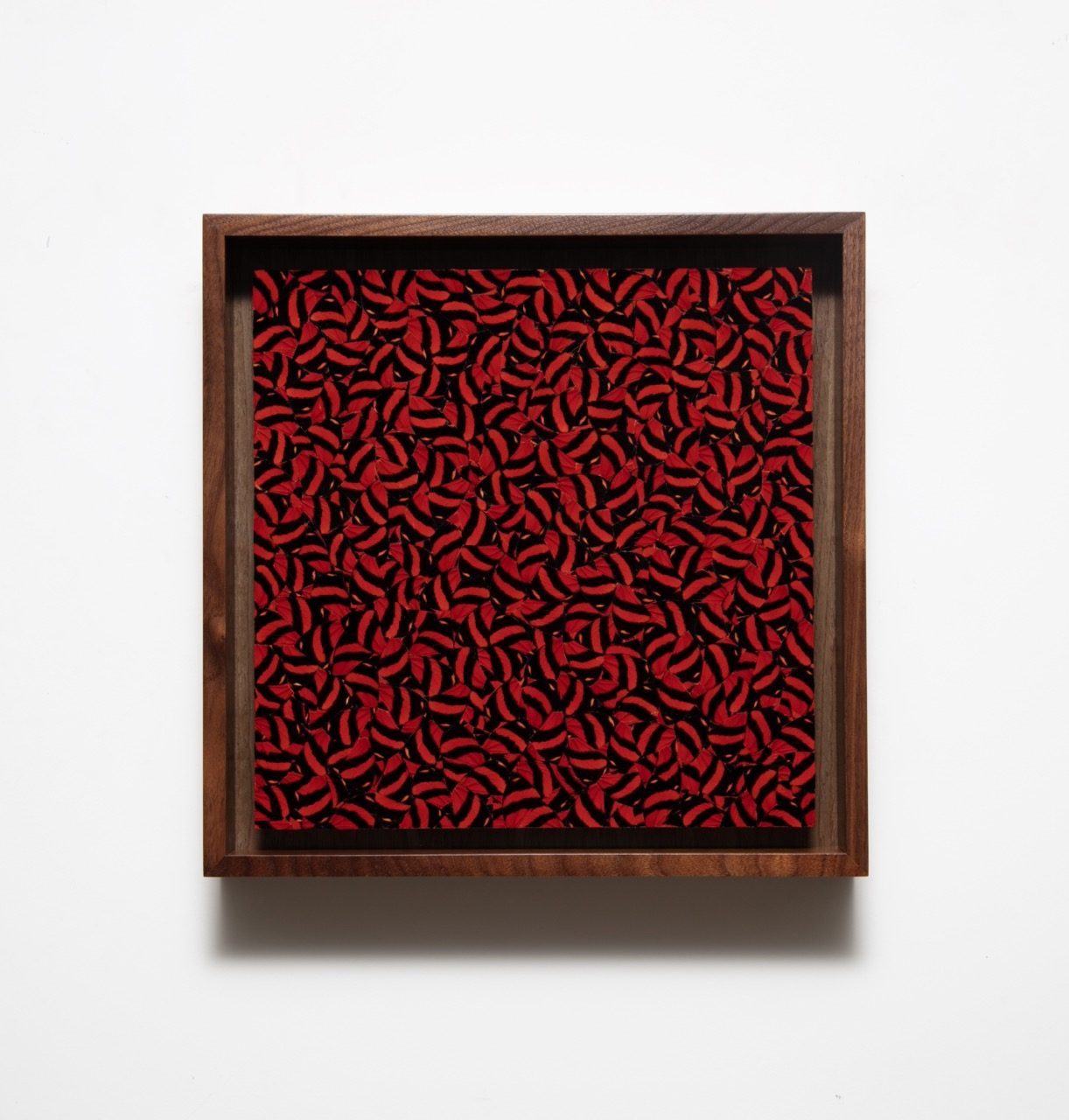
The Museum of Contemporary Art of Monterrey (MARCO) presents, from May 29 to October 25, 2026, Gabriel de la Mora: La Petite Mort , an exhibition that brings together nearly 90 works created over the last two decades of the career of Mexican artist Gabriel de la Mora (Mexico City, 1968). Curated by Tobias Ostrander and organized in collaboration with the Jumex Museum in Mexico City, the exhibition offers a journey through an artistic practice marked by transformation, an obsession with detail, and a unique exploration of loss and desire.
De la Mora's work begins with materials that, in many cases, have been relegated to the category of waste or seemingly worthless elements. Eggshells, fragments of Christmas ornaments, human hair, butterfly wings, or eroded architectural surfaces are transformed, through meticulous processes, into the starting point for compositions of extraordinary formal delicacy.
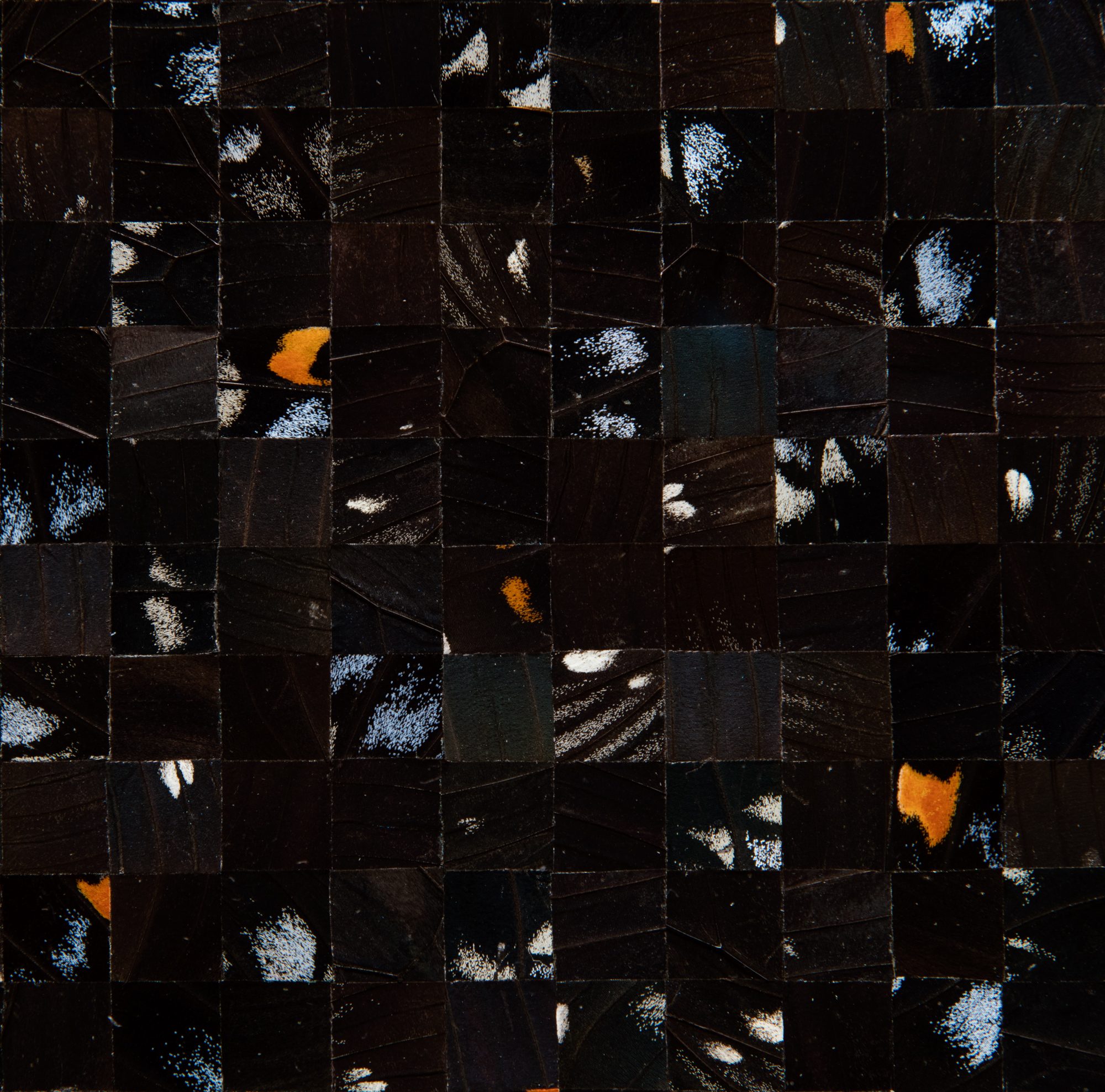
In the artist's studio, these materials undergo processes that range from the elemental to the almost alchemical. De la Mora collects, classifies, manipulates, and carefully arranges them, transforming them into images and objects of restrained appearance, sometimes bordering on minimalism, yet imbued with an intense sensory dimension. The extreme precision of the process contrasts sharply with the fragility and ephemeral nature of many of the materials used.
This tension between matter and transformation runs through much of his work. What may initially seem insignificant acquires a new presence through a process based on patience, repetition, and an obsessive attention to detail. The artist not only modifies the materials but also alters their meaning and the way in which the viewer relates to them.
The exhibition is structured around six thematic sections—the body, erasure, heat, the edge of desire, touch, and the viewer's pleasure—which offer an approach to the various concerns that run throughout De la Mora's career. The journey begins with the allure of his surfaces and gradually delves into issues related to the body, disappearance, eroticism, and the impulses hidden behind matter.
Human hair, butterfly wings, or worn surfaces thus acquire a dimension that transcends their physical condition. They are remnants, traces, and fragments that speak of presence and its inevitable disappearance. In this context, loss becomes one of the keys to understanding a work that finds beauty precisely in that which is destined to disappear or which has already undergone some kind of transformation.
Eroticism is another central theme of La Petite Mort . The exhibition's title itself alludes to the French expression associated with orgasm, but also to an experience of momentary loss of consciousness and bodily transformation. This dual dimension allows us to understand De la Mora's work as an exploration of the boundaries between pleasure and disappearance, attraction and decay, desire and matter.
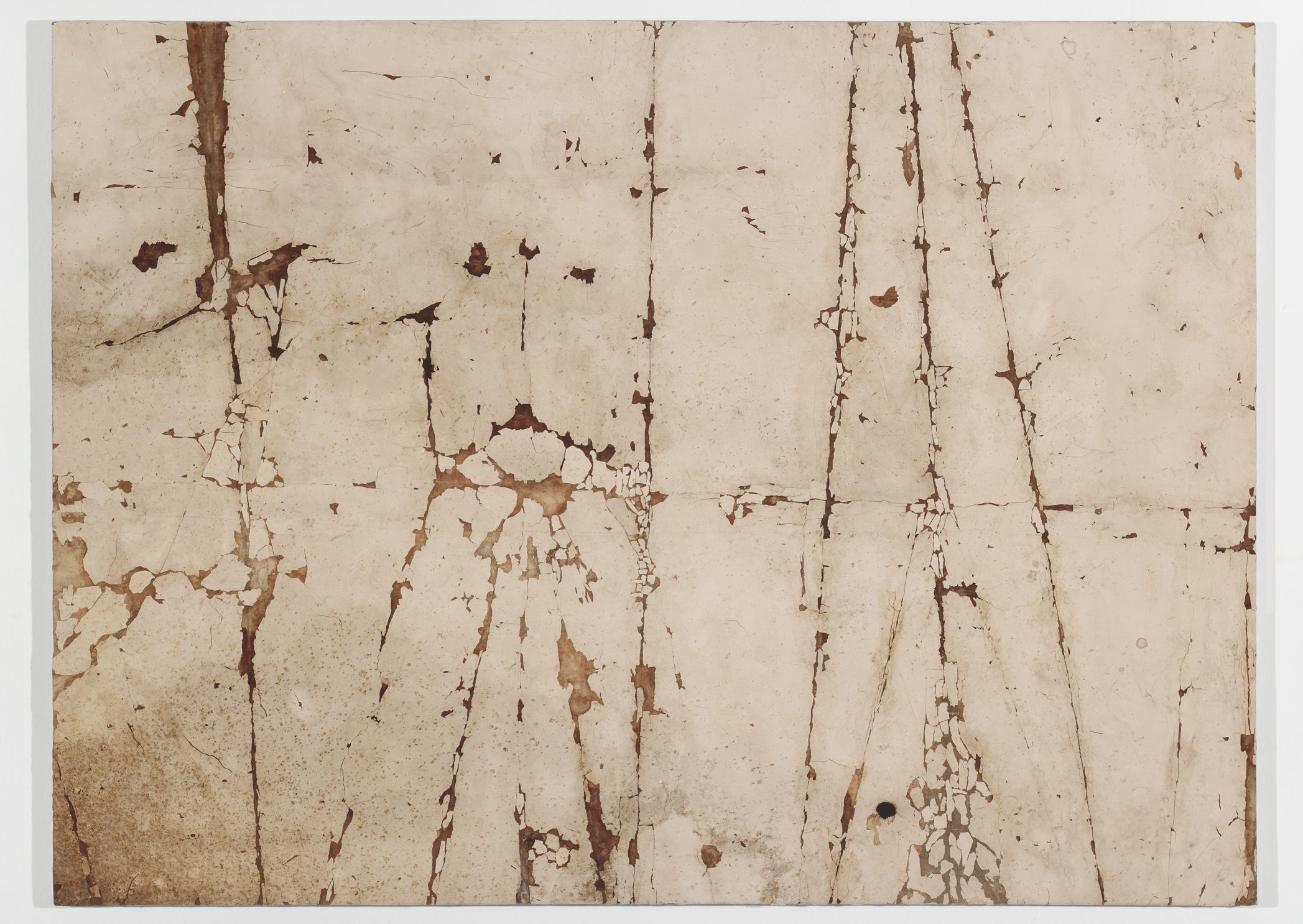
Ultimately, the exhibition highlights the artist's ability to transform seemingly simple processes into intensely visual experiences. Using fragile, obsolete, or discarded materials, De la Mora creates pieces that demand close attention. The precision of each gesture and the slowness of their creation stand in stark contrast to the speed at which we typically consume images, advocating for a more physical, attentive, and sensory relationship with art.
MARCO adds Sofía Hernández Chong Cuy to strengthen its focus towards the north
In addition, the Museum of Contemporary Art of Monterrey (MARCO) has created the new position of Curator-at-Large, which will be filled by Mexican curator Sofía Hernández Chong Cuy. The position, funded by collector and founding member of the museum Yolanda Santos de Hoyos, seeks to develop a vision of contemporary art from northern Mexico, addressing its cultural complexity and cross-border dialogues.
Originally from Mexicali, Hernández Chong Cuy has directed institutions such as the Kunstinstituut Melly in Rotterdam and the Tamayo Museum, in addition to having worked as curator of the Patricia Phelps de Cisneros Collection. A graduate in Visual Arts from the University of Monterrey and with a master's degree in Curating from Bard College in New York, she arrives at MARCO with extensive international experience.
You may be
interested
...