Opinion
The Villena Treasure, a wake-up call for Spanish museums
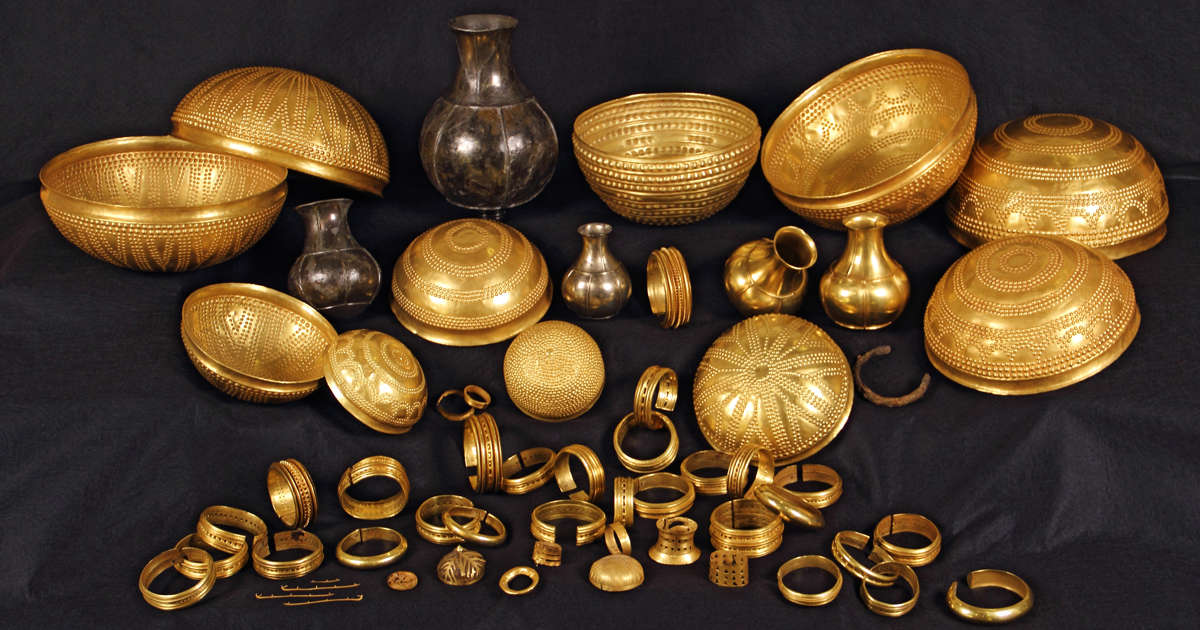
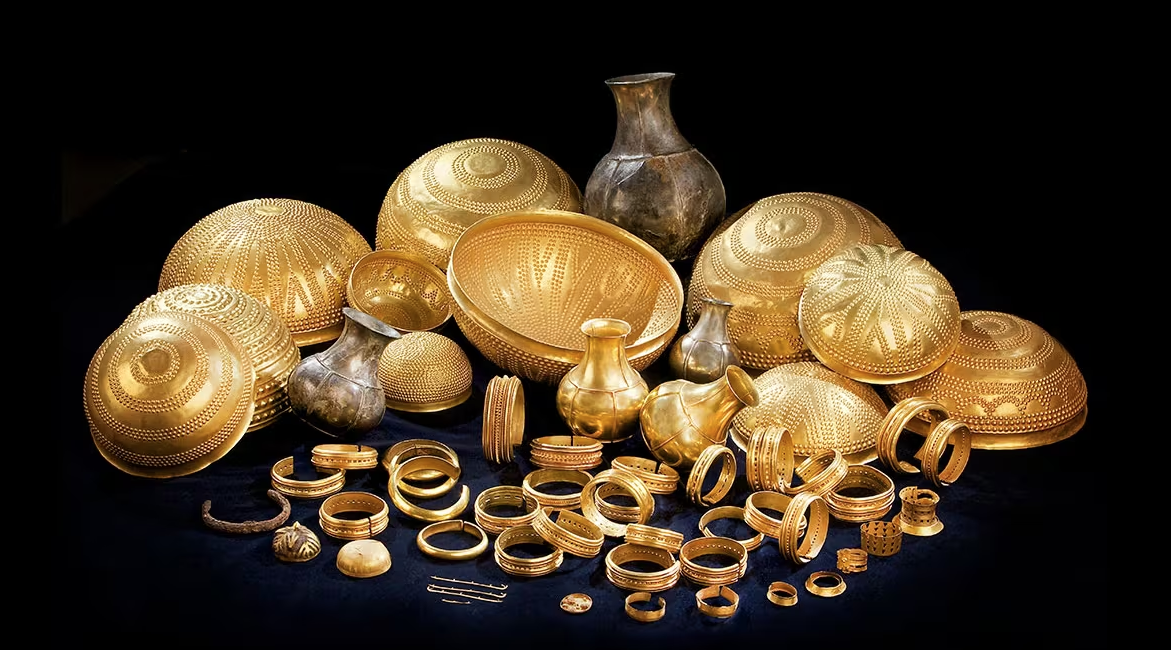
Some robberies are also a kind of X-ray. The assault on the Villena Museum (MUVI) and the theft of a large part of the Villena Treasure, carried out in just four minutes by three masked men, has not only endangered one of the most extraordinary collections of prehistoric goldwork in Europe. It has also exposed the security deficiencies that some Spanish museums still face.
The Villena Treasure, dating back to around 1000 BC, consists primarily of gold pieces of extraordinary historical, archaeological, and artistic value. That a collection of this nature could be attacked so quickly raises uncomfortable questions. How was it protected? What resources did the museum have? Was there constant security? What protocols were activated? What resources had the responsible authorities allocated to guarantee its conservation and security?
But another question arose immediately after the theft: Should the Villena Treasure have been in Villena? Should it be in the MARQ in Alicante? Should it be moved to Madrid?
The response should not use theft to justify a new battle between territory and centralism. The fact that the Villena Treasure was stolen does not prove that the most important heritage should be in Madrid. It proves that heritage must be better protected where it is preserved and exhibited. Turning a theft into an argument in favor of centralization is to confuse security with centralism.
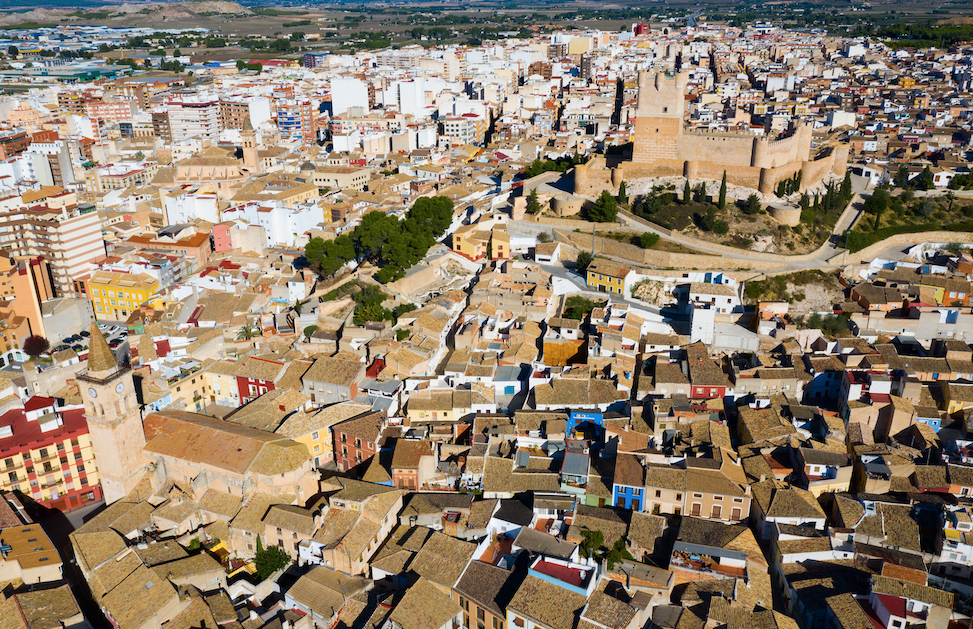
Aerial view of Villena, with the Atalaya Castle in the background. The Alicante municipality has more than 35,000 inhabitants.
The precedent of Albacete and Badajoz
Furthermore, what happened in Villena is not an isolated incident. It is part of a worrying series of thefts committed in Spanish museums in recent months.
On July 27th, four masked individuals entered the Albacete Museum and, in approximately a minute and a half, stole two extremely valuable numismatic collections. One collection consisted of 42 gold coins from the reigns of Charles III, Charles IV, Ferdinand VII, and Isabella I of Castile. The other comprised 180 gold coins from the 19th century.
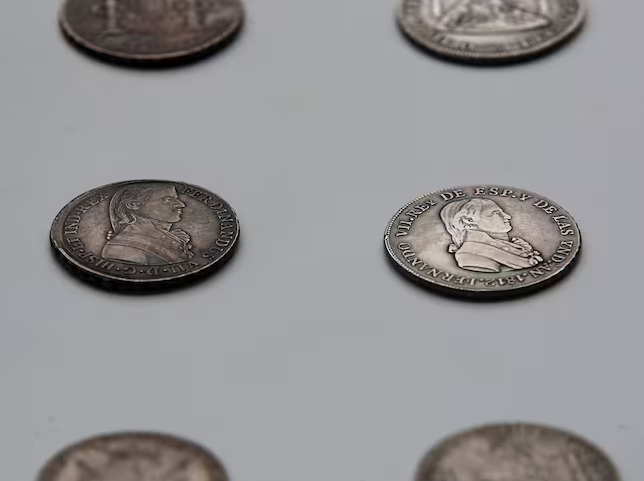
Four months earlier, on April 25, the Archaeological Museum of Badajoz suffered another robbery. The thieves made off with 149 gold coins from the reigns of Charles III, Charles IV, and Ferdinand VII, a collection weighing almost four kilos that had been discovered in 1987 in Villanueva de la Serena.
In Badajoz, thieves smashed a display case with a sledgehammer or other blunt object, forced open a security gate at the back of the building, and fled on two motorcycles. In Albacete, they broke a window. In Villena, three masked individuals needed only a few minutes.
Three museums. Three attacks. Three episodes that have something in common: the criminals know that certain museums house pieces of enormous value and, apparently, find enough vulnerabilities to try to access them.
And this comes as Europol has warned of an increase in violent robberies of gold and jewelry in cultural institutions.
The problem, therefore, is not exclusively Villena.
Where is the Ministry of Culture?
There is a question that should also be asked publicly: what is the Ministry of Culture's opinion on what happened in Villena?
Not only because the Villena Treasure is part of Spain's archaeological heritage, but also because the recent thefts illustrate a problem that far exceeds the competence of a specific museum or local administration.
The security of these collections cannot depend solely on the financial resources of each municipality, provincial council, or autonomous community. If Spain considers these objects part of a shared cultural heritage, it must also assume a shared responsibility for protecting them.
And here it is particularly relevant to recall the Code of Ethics of ICOM, the International Council of Museums. The document emphasizes that ensuring the security of objects is a fundamental challenge and a collective responsibility. Article 1.7 states that the governing body must guarantee adequate security to protect collections against theft or damage both in exhibition halls and in work and storage areas, and during transport.
Therefore, this is not a secondary issue.
A museum is not simply a building where old objects are placed behind glass. It is an institution responsible for preserving assets that belong to society and that must be passed on to future generations.
Your assets are not safer just because they are in Madrid.
The argument that the most valuable pieces should be concentrated in Madrid starts from a seemingly simple premise: the more important a piece is, the closer it should be to the State and its major institutions.
But that logic leads to a problematic consequence: progressively emptying territories of their own heritage in order to concentrate it in a few large centers.
The Villena Treasure is not only an exceptional archaeological collection. It is also part of the history of the territory where it was found, investigated, interpreted, and preserved. Its presence in Villena allows us to understand a culture, an archaeological landscape, and a history that can hardly be understood in the same way hundreds of kilometers away.
Does this mean that a piece should never be moved? Obviously not.
There are reasons related to conservation, restoration, research, temporary exhibitions, or security that may justify specific relocations. But establishing protection protocols is one thing, and using a crime to argue that heritage should be systematically removed from its designated locations is quite another.
The solution is not to remove the pieces from the territories. The solution is to provide the territories with the necessary resources to protect them.
What can be done?
The Villena theft should prompt an urgent review of security protocols at Spanish archaeological museums. It is not enough to simply lament the incident or wait for the police investigation to determine who was responsible.
Solutions include strengthening permanent security at museums that house exceptional pieces, conducting independent audits to detect vulnerabilities, installing high-security display cases with sensors and alarms, and improving coordination with law enforcement. It is also necessary to have digital inventories and identification systems that facilitate the recovery of stolen pieces, establish a national protocol involving the Ministry of Culture, regional governments, municipalities, and police forces, train museum staff, and reinforce security during loans and transfers. All of this requires more public resources, because cultural decentralization cannot mean decentralizing responsibilities without also guaranteeing the necessary means to protect heritage.
And then came the Louvre
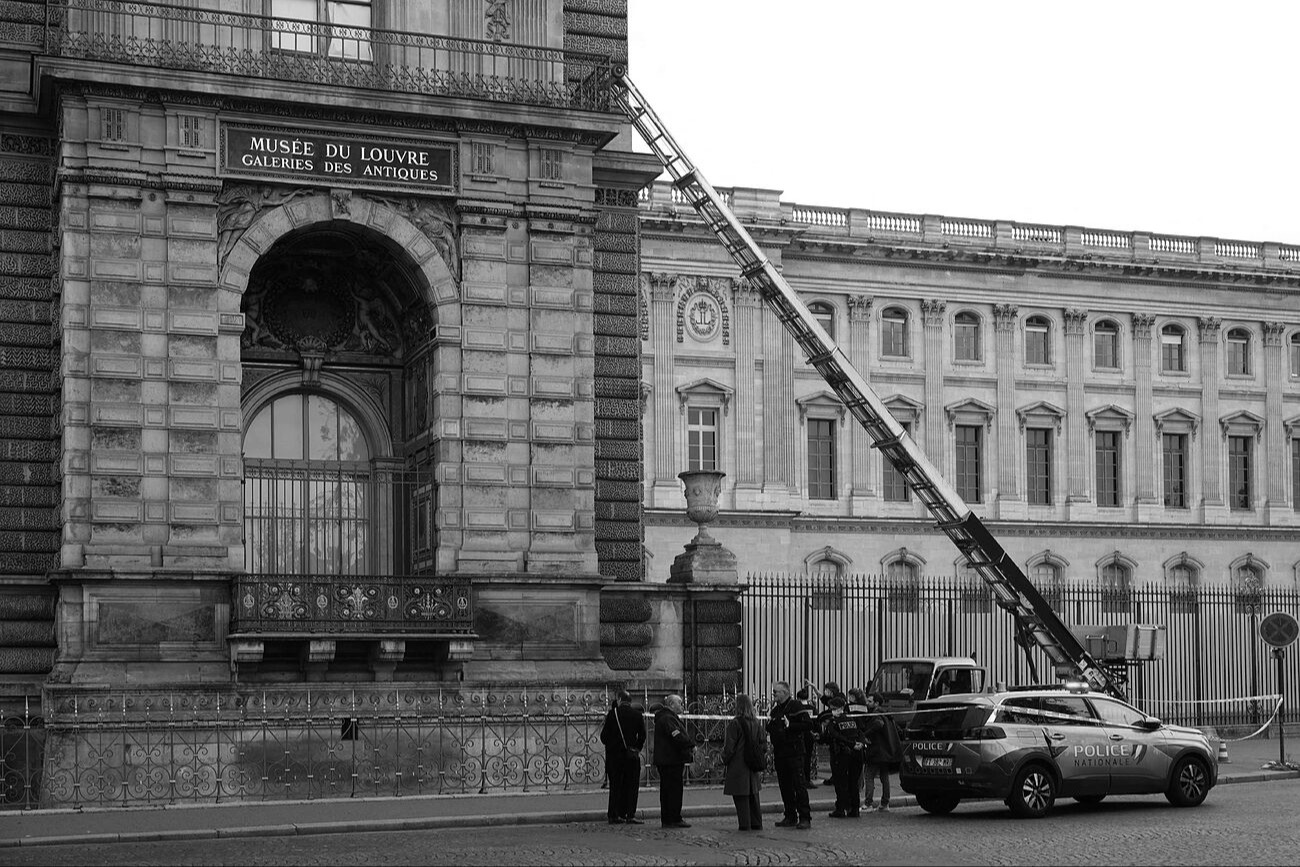
The Spanish debate cannot be analyzed entirely in isolation from what has happened in other major European museums. The Louvre robbery of October 19th had already demonstrated that even the most famous and seemingly best-protected cultural institutions in the world can become targets for organizations capable of studying their vulnerabilities for months.
The lesson should be clear: no museum can take its security for granted. Museums have changed. So has the illegal market for works of art and antiques. Small, easily transportable pieces made with high-value materials can become especially attractive targets.



You may be
interested
...